


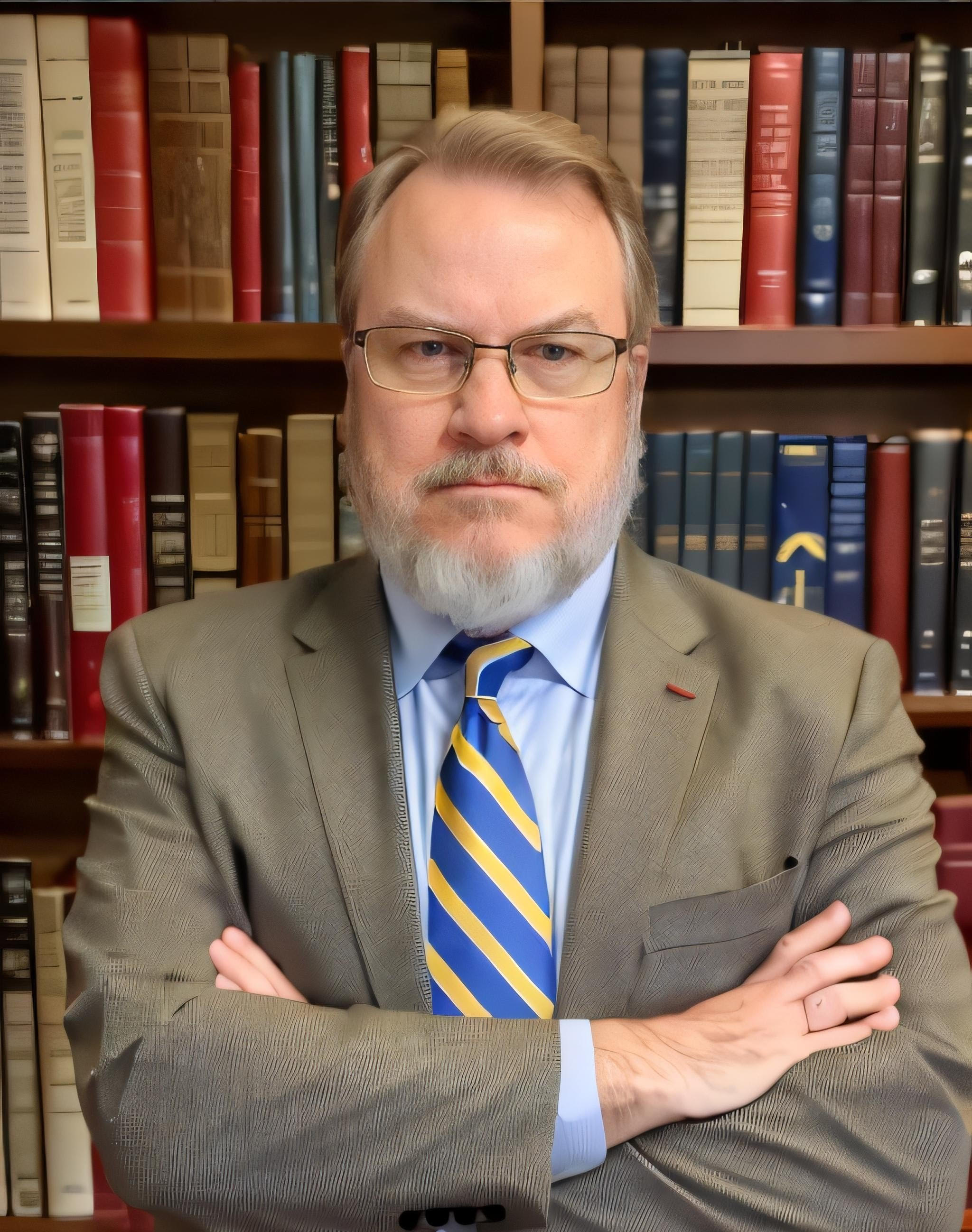
MICHAEL A. VENTRELLA: I’m pleased to be interviewing Kermit Woodall today! I first met Kermit back in college, where we both worked at the college radio station, and now he works with Amazing Stories magazine. Kermit is an omni-competent individual who grew up in a former bawdy house before relocating to his state’s capital city. His family includes many talented artists and an uncle who founded a The Church of Bigfoot. He has a passion for storytelling often exploring new ways to engage audiences.
Tell us a bit about the history of this magazine.
KERMIT WOODALL: Amazing Stories was the first Science Fiction magazine in the world. It was founded, and later losted, by Hugo Gernsback. Hugo’s first name for our genre was “Scientifiction” but later he invented the term Science FIction as well. He was even was the first person to create a definition for what science fiction is.
“By “scientifiction” I mean the Jules Verne, H. G. Wells, and Edgar Allan Poe type of story – a charming romance intermingled with scientific fact and prophetic vision.”
VENTRELLA: How did you become involved with the magazine?
WOODALL: Quite simply I read about Steve Davidson, Amazing’s owner and driving force, acquiring the trademark on the website BoingBoing.net – I then asked my friend, the late Bud Webster, if he knew Steve. Bud did. We were introduced and started making plans together. Steve and I see Science Fiction in similar ways. We also have terrible sense of humor and inflict them without regard to human life.
VENTRELLA: What are your goals for Amazing Stories?
WOODALL: We want to support more Science Fiction. You might say, “Hard Science Fiction”, but we say our goals are to seek out and publish entertaining stories based on real science and logical extrapolations into the future. Towards that, we revived the magazine for a few years, but we ran out of money raised through a Kickstarter funding drive and the magazine went on hiatus. Ultimately the problem was lack of subscribers and advertisers. At that point we switched gears to publishing weekly short stories, and serialized novels, on our website (amazingstories.com) as the ad income there supported the stories. We also invested more time in working with authors like David Gerrold, Allen Steele, John Stith, David Brin, and more to publish their books under our Amazing Selects imprint. That’s going exceptionally well.
VENTRELLA: If I recall, there is some sort of legal dispute with Steven Spielberg over the use of Amazing Stories for his old TV show. Can you tell us about that?
WOODALL: There was a dispute relating to the Apple TV revival of that show It was settled to our satisfaction and I really shouldn’t say too much more about that. Feelings would be hurt, lawyers could get involved, and no one wants that.
VENTRELLA: Tell us about the anthology (which, I must disclose, does contain my story “Impersonating Jesus”).
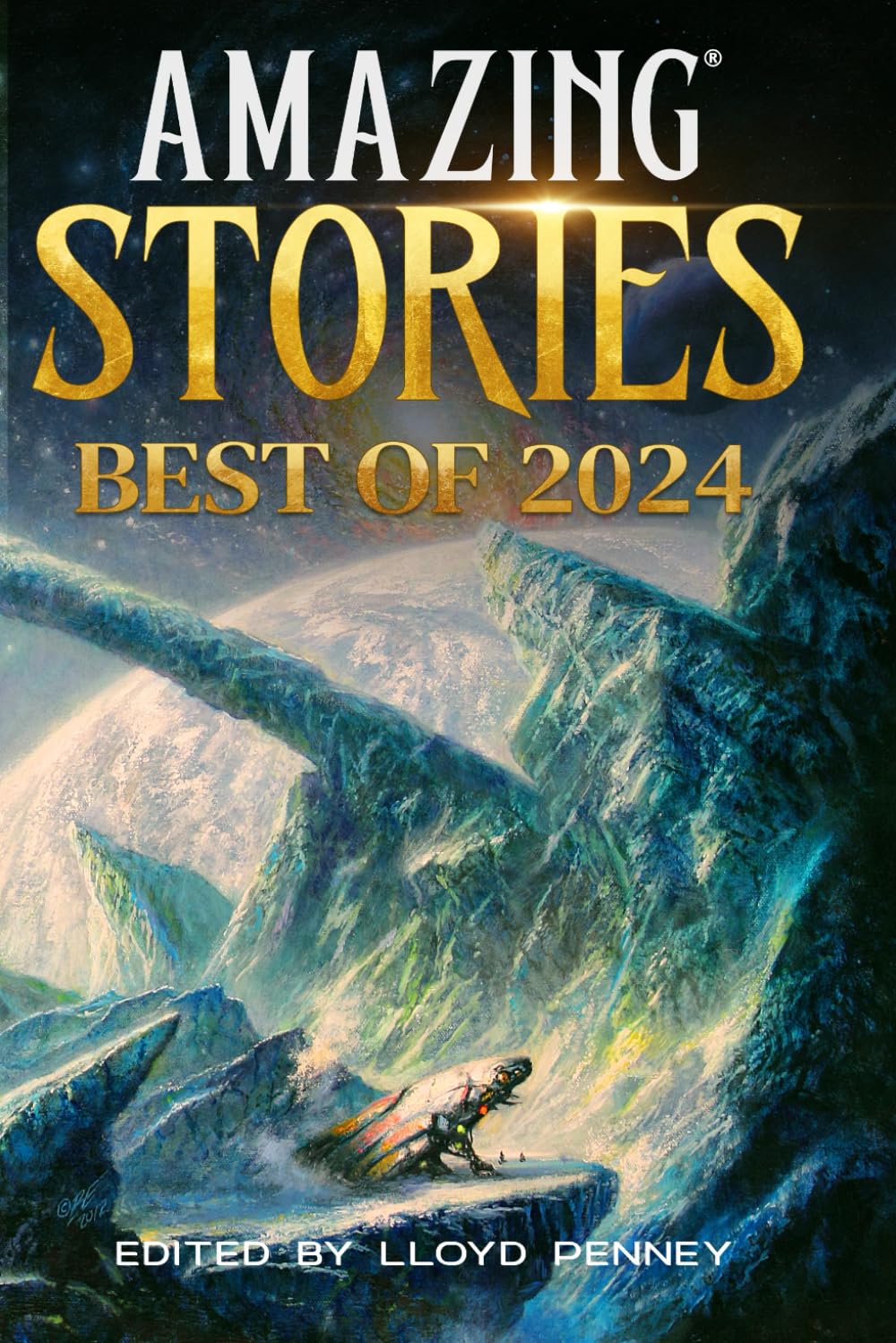
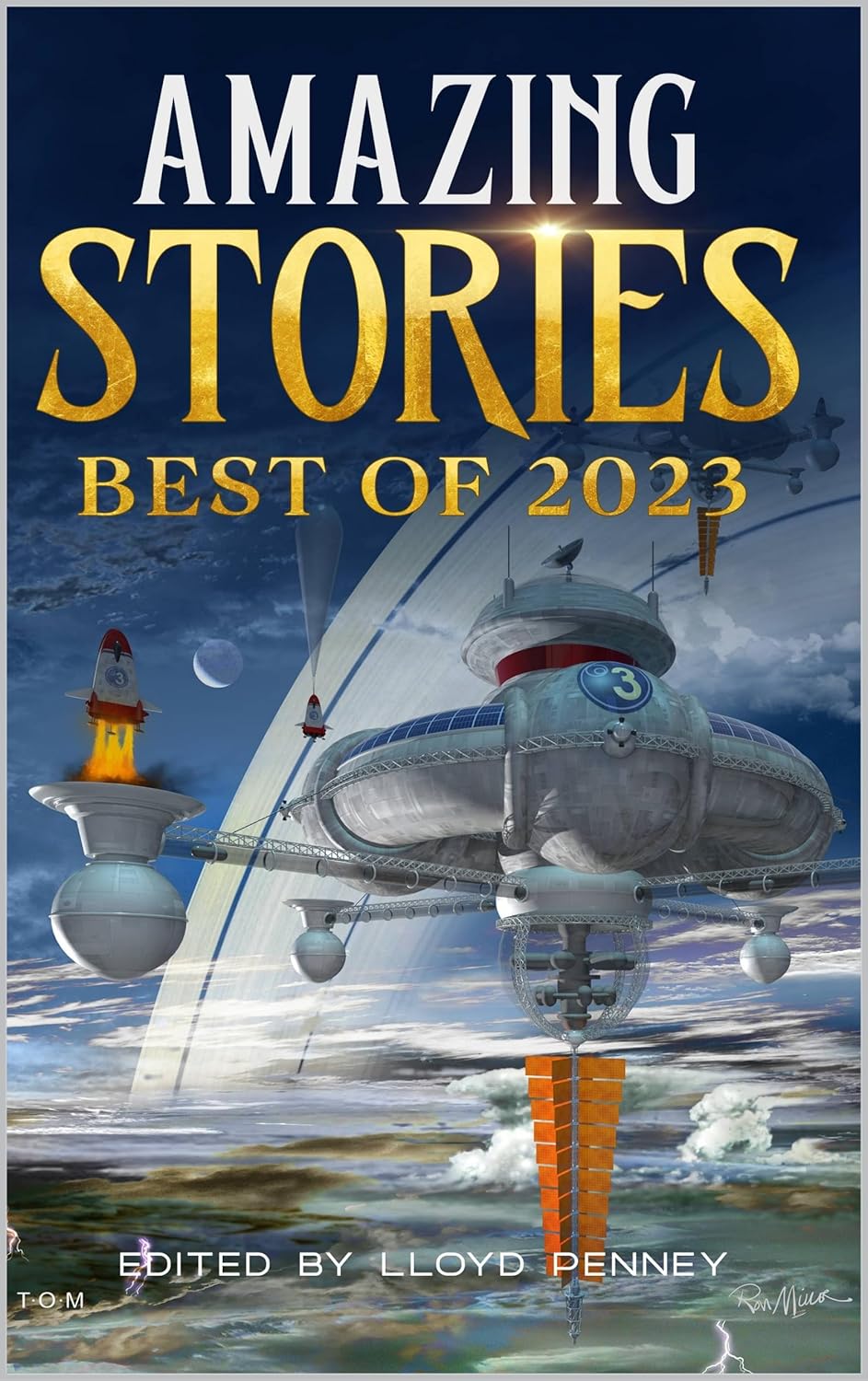
WOODALL: Last year we published Amazing Stories: Best of 2023 and this year we did it again, but we decided that using the same name would be confusing, so we called it Amazing Stories: Best of 2024. It’s that last number/digit that prevents the confusion.
The books are collections of the best stories of the year from our website. Not only does this get our authors in a print format, but we pay them again for their stories! We just published Amazing Stories: Best of 2024 even as I answer your questions. Seriously. You can find it at Amazon and any of the other bookstores listed here.
VENTRELLA: Do you plan on doing that every year?
WOODALL: Wouldn’t you?
VENTRELLA: You’re clearly a fan of science fiction. Who do you like to read? Who are your favorite authors?
WOODALL: I lean strongly towards scientifically plausible stories. Unless it’s really funny. In no particular order here are the authors I rank the highest: Ron Goulart, R.A. Lafferty, Bruce Sterling, Robert A. Heinlein, Spider Robinson, Charles Sheffield, Isaac Asimov, Robert Sheckley, James Hogan, Allen Steele, Ray Bradbury, Theodore Sturgeon, Clifford Simak, Larry Niven (and Niven and Pournelle collaborations), Authur C. Clarke, Harry Harrison, John Varley, Vernor Vinge, David Brin, John Stith … And when it comes to fantasy there is only one. Terry Pratchett he wrote the best and most satiric fantasy ever! I’ve reread his Discworld books at least three times and will likely start again soon.
VENTRELLA: How much of writing is innate? In other words, do you believe there are just some people who are born storytellers but simply need to learn technique? Or can anyone become a good writer?
WOODALL: I think anyone can become a sort-of writer — but a good writer is a highly subjective thing though. Some people, through their upbringing and perhaps a creative environment, absorb a lot of good storyteller habits. So it seems to come more naturally to them, but I think they learned the craft nonetheless. It’s not innate in my opinion. I do think that through study and education you can learn how to write. However, if your imagination and creativity are lacking, your stories may not entertain.
VENTRELLA: What’s the best way to make the antagonist a believable character?
WOODALL: Make them not over the top evil but everyday evil. If you want the readers to really hate the antagonist, as others before me have pointed out, consider the Harry Potter series and Lord Voldemort vs Delores Umbridge. Voldemort is the personification of evil and power. Few of us know anyone that truly evil. But Umbridge is a more pedestrian incarnation of evil. I’ve had teachers who were unfair, even cruel, and most people I think have had similar. I even had a teacher in second grade who beat some of us (myself included) with a wooden paddle. (Yes, it was illegal and yes, she got fired and banned from teaching.)
If you’ve been watching politics for the last several years, then I’m sure you’ve realized that no amount of unbelievable behavior prevents you from being the bad guy.
VENTRELLA: Do you think readers want to read about “believable” characters or do they really want characters that are “larger than life” in some way?
WOODALL: I think they want someone they care about, that they can identify with, or “larger than life” who faces impossible odds. They want to root for them to win!
VENTRELLA: With a time machine and a universal translator, who would you invite to your ultimate dinner party?
WOODALL: Some of this is just the lack of funds to fly everyone to the same con so we can all have dinner and fun. In a few cases, time machines. Otherwise, just see my list of favorite authors above. Given only a one-time use time machine, then I’d go to England when Terry Pratchett was still alive and spend a day with him!
Filed under: writing | Tagged: Amazing Stories magazine, Kremit Woodall, writing advice |


 Michael A. Ventrella
Leave a comment