Posted on December 10, 2025 by Michael A. Ventrella
One of the most important things a writer has to do is find their voice. That’s what’s going to make your work stand out among all the other writers out there.
I remember when I was a freshman in college, taking an English course, and submitted a story I had written for an assignment. “Hm,” the professor said, glaring at me over her glasses, “I see you’ve been reading a lot of Kurt Vonnegut lately.”
Hey, I was young, but her comments did hit me. I was copying someone else’s voice in my story—a very identifiable voice at that. I hadn’t yet found my own voice—my own unique way to tell a story.
So it goes.
That’s what really makes the best fiction enjoyable. It’s the person telling it that makes the difference; it’s why two people could witness the same event and one could relay it to you in a way that captures your attention and another puts you to sleep. It’s why two people could tell the same joke and one gets tremendous laughter and the other silence.
That only comes with practice with your own personality showing through, and I’m not sure if that is a skill that can be taught. But you need to keep that in the back of your mind as you write. If you’re trying to copy someone else’s style, you’ll fail and readers will realize it.
Your voice is a combination of your experience, your word choices, your way of looking at the world, your sense of humor or tragedy … it’s you. It’s what makes you unique, and that should come across in your writing.
So how do you find your own voice? One technique I’ve heard used is to literally try to copy someone else’s work. After a while, you get sick of it and you’ll find that your own voice will try to take over, and that’s a good thing. I’m not sure if that would work for everyone, but if that’s what it takes to break your real voice out, more power to you.
Honestly, I think the only real way to is to just write write write (as I’ve been saying all along on this blog) and eventually your natural voice will come out, as the words flow. Find a way to make your work read like you and only you.
I interviewed Nancy Springer a while ago, and she made a comment I think is very relevant. (In case you don’t recognize the name, she’s the author of many successful books, and her “Enola Holmes” series was made into films.) She said, “Students are usually anxious to ‘find their voice.’ I tell them that voice is just personality on paper. I tell them to let their personality flow out of their head, down their arms, and out through their fingers, onto the paper – or, I guess, the keypad? Anyway, some are able to do this, so they could become terrific writers, right? Nope. Sometimes students who have really and truly found their voice are just plain dull, because that’s the way they are, personally. But if a writer doesn’t find their voice, then how can readers relate? So, no, I don’t think everyone can become a good writer.”
I am not sure how to fix the problem of some people just being “dull”—but if you think that is your problem, shake it up. Do something unusual. Break your preconceived notions, have your characters do outrageous things, pretend you are possessed and write like you never would have before, and maybe the final result will surprise you and your inner voice will shine through.
MICHAEL A. VENTRELLA: I’m pleased today to be interviewing my good friend Sahar Abdulaziz!
Suspense writer Sahar Abdulaziz is the author of seventeen books–including BUT YOU LOOK JUST FINE, THE BROKEN HALF, TIGHT ROPE, EXPENDABLE, UNLIKELY FRIENDS, ASHES, WHO KILLED GARY? and others. She specializes in writing psychological thrillers, suspenseful narratives, thought-provoking social commentary, and clever satire. However, there’s nothing that Sahar enjoys more than exercising her demonic proclivity for crafting intricate, multifaceted protagonists confronting formidable challenges. The more dysfunctional, the better.
Let’s start by talking about your latest book, WHO KILLED KAREN? Tell us about the plot!
SAHAR ABDULAZIZ: WHO KILLED KAREN? is the second razor-sharp mystery in my Saber Squad series, where Grandville Luxury Apartments gains a new tenant—and another dead body. Kay W. Smith, a vicious book reviewer with a talent for tearing down even the best writers, has made more enemies than friends online and off. When her relentless critiques turn deadly, the quirky and loveable Saber Squad must jump in to unravel the mystery of her death before the killer strikes again. After all, karma doesn’t forget, and apparently, it’s got a hit list.
VENTRELLA: This is the second book in your “Saber Squad” series. How many do you think you will do?
ABDULAZIZ: Three books: Book 1: WHO KILLED GARY? Book 2: WHO KILLED KAREN? and Book 3: WHO KILLED KEVIN? I’m currently writing the third book, plotting yet another murder in Grandville while gently bringing closure to the series.
VENTRELLA: Tell us how you chose the names for your dearly departed characters.
ABDULAZIZ: As you know, the online world and its memes made the names ‘Karen,’ ‘Gary,’ and ‘Kevin’ infamous. Being “a Karen” is often depicted as a specific type of personality that exhibits privileged behavior at the expense of others, typically targeting those who are minding their own business and simply trying to coexist in peace. However, the muse for my fictional Gary came from an honest, real Gary who, like his Karen counterparts, lived to make others’ lives miserable. This particular ‘Gary’ was predictably annoying, entitled, arrogant, a rule enforcer, but also the biggest rule breaker. He was a know-it-all who knew little, but wouldn’t hesitate to harass, hassle, report, or lecture anyone they felt had ‘broken the rules.’ This ‘Gary’ also made the time to report individuals, call the police, and write lengthy diatribes on the apartment complex’s website, outlining said infraction almost with psychotic glee. It was truly something to behold..
One day, after reading pages and pages of Gary’s lengthy carping posts about so-called tenant infringements—posts that included bylaws, local codes, quotes, and Bible passages that did not exist. He made them up. Full disclosure, I was sent these pages from someone, one of Gary’s many victims, who thought I’d find his musings hysterical, which I did. And that, I’m afraid, tells you all you need to know about my warped sense of humor. Anyway, after finishing, through laughing tears and a bad case of hiccups, I thought to myself, “I’m surprised nobody’s killed this guy.”
Because, you see, the thing is, we all know a Gary, a Karen, or a Kevin, not in name, but in persona. They are people we encounter daily, whether at work, on the bus or train, waiting in line at the supermarket, buying a cup of coffee, or in my character’s case, a neighbor in the same building. They get in our face, pointing their fingers with righteous indignation, believing the world operates by their rules, and their rules alone.
Now, let’s be clear: I said this in jest. I’m a writer; we do that… more often than I should probably admit here. However, that fleeting thought, once spoken aloud, was enough to spark the entire premise of my first mystery novel—a story I decided should unfold in my imaginary apartment complex called The Grandville Luxury Apartments—a place where the walls are thin, secrets run deep, and karma always gets the last word.
VENTRELLA: Given the serious nature of most of your previous work, what made you move in this direction?
ABDULAZIZ: Great question. I have written many fictional novels that tackle complex topics. For example, my book, THE BROKEN HALF, is a raw, unflinching story of resilience, survival, and the high cost of reclaiming one’s life. AS ONE DOOR CLOSES—the legacy of generational child abuse, the trials of survivorship, and the difficult path toward healing and closure. SECRETS THAT FIND US—the deadly cost of loyalty, betrayal, and secrets too powerful to stay hidden. TIGHT ROPE: resilience, activism, and the high cost of speaking out. EXPENDABLE: the hidden horrors of an abusive marriage, and the fierce strength and bravery it takes to break free. ASHES & DUST: betrayal, sorrow, corruption, power, and how to survive in a rigged system.
There are more, but you get my point—heavy, heavy stuff. The messy, painful stuff I refuse as a writer to shy away from addressing, despite how uncomfortable it may make others. I use fictional suspense and thriller stories to weave these topics into my writing because writing fiction provides me more freedom to reveal truths. I don’t write to sensationalize violence. I write to expose malevolent, often lethal behaviors in the hope of bringing to light what predators, abusers, liars, and manipulators wish to keep locked away and in the dark. I use my writing platform to shed light on matters that are often hidden, misrepresented, misunderstood, or worse—ignored.
With that said, and while I will always tackle challenging subjects, I needed a break, or what I call a “palette cleanser,” not for my taste buds but for my brain, where I store all these characters and their dysfunctional stories. I also wanted to try a different approach—still unpacking challenging issues, such as entitlement, bullying, grief, addiction, friendships, love lost and found, and others— but through humor, because laughter is disarming. It allows us to look at ourselves with clear eyes while having the power to transcend pain and replace tears with joy.
VENTRELLA: Your previous series was also more light-hearted with an unusual main character who appears unlikable at first. Could you tell us a bit about that series?
ABDULAZIZ: Ah, you mean The Abernathy & Crane series: UNLIKELY FRIENDS, DEVOTED FRIENDS, UNEXPECTED FRIENDS, and FOREVER FRIENDS. Four novels that celebrate found family, fierce friendships, and the beautifully messy art of holding on when it’s time to let go. It also offers a heartwarming and humorous look into life’s most unexpected connections, from curmudgeonly beginnings to courageous goodbyes and all the humanly chaotic, cherished moments in between.
My main character is Irwin Abernathy. He’s an old-school librarian who prefers books to people, until a stubborn, free-spirited young girl crashes into his life and refuses to leave. Irwin despises change and wants solitude. Harper needs change and wants a friend. What follows is a charming, oddball friendship that proves even the most unlikely connections can change everything.
VENTRELLA: What did you do to make the reader identify with him?
ABDULAZIZ: Through honesty. I never rush or bypass the emotions my characters feel; instead, I pay tribute to them.
I portrayed Irwin, a man grieving and afraid to let anyone get close to him again for fear that they, too, will be taken away, as authentically and as organically as I could envision, warts and all. I also conveyed through Harper’s eyes and heart how she would see and understand him. Lastly, I tried to write each story about the human connection—loyalty, unlikely heroes, and the chaos of friendship in a perfectly imperfect world, with room enough to let my eccentric, hilariously funny characters take care of the rest.
VENTRELLA: How has your educational and professional background assisted in writing your books? (Do you think, for instance, it has helped you in creating your characters’ emotional backstories?)
ABDULAZIZ: Absolutely. I hold a Bachelor’s in Psychology and Education, as well as a Master of Science degree in Health, Wellness, and Administration. I also worked for many years as a domestic violence and sexual assault counselor/advocate. I firmly believe that my education and past experiences working with diverse communities and individuals have shaped my writing. What a waste if they hadn’t.
VENTRELLA: How have you found your publishers? And what advice might you have for new authors trying to get their book published?
ABDULAZIZ: Writing is my passion and career, while publishing is a business. With that said, I have met incredibly kind and thoughtful publishers whose love for books and commitment to producing a fabulous product is as strong as my appetite for writing for them.
I have also crossed paths with less desirable publishers and have made it a practice to steer clear of them.
I could bore your reading audience with a list of advice on what to do and not do when it comes to publishers. Still, the biggest takeaway I can share is this: Never underestimate the impact of your story but practice due diligence. Please don’t rush into publication with the first publisher willing to look at it. You worked hard to create that book, and finding a home for it that will cherish, promote, and protect your story is as important as seeing your name on the cover. Choose wisely. Pour yourself into your story, but always remember that publishing is not a favor, but a business. Make sound choices.
VENTRELLA: Do you think it’s important for writers to avoid controversial topics on social media?
ABDULAZIZ: When you say controversial, do you mean take a stand against things like oppression, racism, fascism, bigotry, sexism, book banning, and hate? Um, no. I don’t believe in avoidance. Avoidance is nothing more than comfortable cowardice. Pretending not to see doesn’t make the hate disappear. In fact, it provides room for growth and expansion, as we can see happening now.
Wasn’t it George Orwell who said, “The most effective way to destroy people is to deny and obliterate their own understanding of their history.”
History, based on fact rather than conjecture and outright lies, is a valuable lesson. If we as writers avoid controversy, calling out the oppression, then aren’t we colluding… and helping to create the very conduit to our collective self-destruction?
Fun fact: The written word is under attack. Truth is under siege. Writers are being targeted. Books are being banned. People are being ‘disappeared.’ How do we ignore that? How do we look the other way, pretending we don’t see?
So no… if you’re a writer, be a writer. Take a damn stand. Use your words for change, or stay quiet, move out of the way, and let the rest of us do our job.
VENTRELLA: How much of writing is innate? In other words, do you believe some people are born storytellers who just need to learn technique? Or can anyone become a good writer?
ABDULAZIZ: Writing is a skill, a craft that can be taught and practiced, which means there is always an opportunity for improvement.
For many, writing is also a calling. For natural storytellers, it’s a way to bring their story to life on paper. Does that mean all storytellers are natural writers? No. However, all writers are natural storytellers, and the stories they write become increasingly adept the more they are willing to put in the effort to hone their craft.
To answer your question, most people, if they are willing to put in the work, can become good writers. However, there are those among us who are innately great writers, and they serve as inspiration and aspiration.
VENTRELLA: Writers are told to “write what you know.” What does this mean to you?
ABDULAZIZ: Not much.
Because it’s disingenuous, it’s one of those catchphrases that confuse new writers until it becomes clear that it means writing about what you have felt and experienced, even if it’s secondhand through observation, and using those experiences to create layered and complex new worlds and characters. However, it also means being willing to seek out what you don’t know and learn through research and by asking the right people the right questions.
For example, when writing my suspense/thrillers, I have incorporated many dark sociopathic personalities between my pages. To get inside their heads, I have had to do the legwork—hours of research, investigation, watching documentaries, asking questions of those who work in the field, and reading—lots and lots of reading.
Not knowing something doesn’t automatically prevent me from writing about it, but it does make me, as a writer, responsible for learning enough information about the sociopathic personality and how they navigate the world so I can accurately portray this personality disorder and their dysfunctional, malevolent behavior.
The same can be said for every character I write. Irwin Abernathy in UNLIKELY FRIENDS is a librarian. I’ve never been a librarian. My character, Sydney Hanes, in ASHES & DUST is a vigilante. Nope—haven’t dabbled in that either. Terri Ann Stone in SECRETS THAT FIND US is dead. Last checked, I still have a pulse, so…
VENTRELLA: What makes your fiction unique? In other words, what is it about your stories that makes them stand out against all the other similar stories out there?
ABDULAZIZ: I want to think it’s me. That I make my fictional stories unique because they are uniquely my stories to tell, and the characters of each different story have chosen me to be the catalyst of their telling. I feel this way for several reasons, but most importantly, because the characters in my books feel as real to me as living, breathing people do. They aren’t tropes; they are complex, multifaceted personalities with backstories, histories, dreams deferred, hopes crushed, loves lost, and promises broken. They are the people we meet, hope to meet, wish never to meet, or have met but didn’t appreciate, letting them slip away. They are those we fall in love with, lust with, love to hate, and hate to love. They are those we enjoyed, those we lost, and those we wish we had never known. They are the admired, the venerated, the distrusted, the feared. They are all of this and more, and the paper is their stage.
VENTRELLA: What is your writing process?
ABDULAZIZ: I sit down and write. Some days I write a little. On other days, I write a lot. Some of it is good, but most of it sucks. Once in a while, I astonish myself with something great. At other times, I find myself staring at the computer screen, wondering if my time would be better spent watching someone else break in a new T-shirt. The bottom line is this: I show up. Not because there’s some unwritten rule that says I have to write every day to be successful, not because I’ll get into trouble if I don’t, not because of a deadline, but because I know that if I don’t invest in myself and my craft, who will?
VENTRELLA: Do you outline heavily or just jump right in, for instance?
ABDULAZIZ: I don’t write outlines. I have nothing against outlines; in truth, I think they are brilliant and would make my book writing go much smoother if I did. However, I can’t pull it off. I’ve tried everything—index cards, a board, notebooks, sticky notes, computer programs—you name it. No success. My creative brain doesn’t work that way.
I am what is called a pantser. I jump in and write without knowing where I’m going, how I’ll get there, or who I might meet along the way. I keep the story, plot, and characters in my head, with little physical notes other than the occasional back of a napkin, an envelope, or a bill, where I jot down an idea I need to remind myself about. I also send myself text messages and emails.
I research as I write. I have been known to stop in the middle of a chapter and read a half-dozen novels about a topic to get the single sentence my character says right.
Naming my characters can take me weeks. If the name doesn’t feel right, I can’t ‘see’ them, and in order for me to write them, I need them to communicate with me. At other times, I know the name of the character before the title of the book. Go figure.
If I find I have written myself into a corner and don’t know where to take the plot, I empty the dishwasher. I fold laundry, bake bread, call a friend, or take a walk. I walk a lot because I seem to be attracted to corners.
If everything else fails, I contemplate the problem as I drift off to sleep, trusting that my subconscious will step in to provide the solution. It often does but I look like crap the next day…bags under the eyes, sallow skin—some scary stuff.
I highly do not recommend my manic writing methods. I do, however, strongly endorse finding what works for you and honoring it. There’s no right or wrong, as long as you show up for you.
VENTRELLA: What do you do to avoid “info dumps”?
ABDULAZIZ: I don’t find info dumps an issue when I write. Timelines are what drive me crazy.
However, when I need to convey information pertinent to the character, plot, or story, I interweave those facts with either the character’s actions, through the reflection of others watching, or shared conversations.
Dialogue is an excellent tool, as long as you don’t info dump in it. Don’t do that. It’s one thing for a character to list off a textbook of facts about a found dinosaur bone (boring, I have Google, too), and another for a character to lift it in the air, squinting and coming to the realization that in their hands they hold a rare find—one that will secure their position in the paleontology department at their university. It’s all in the delivery.
VENTRELLA: In this rapidly changing market, with the publishing industry evolving daily, how important is the small press?
ABDULAZIZ: Small presses serve as the first line of defense. They welcome writers overlooked by the magical gatekeepers of the Big 5. They are often willing to publish controversial books that no one else would dare to release. They are eager to introduce new ideas and take risks for the love of creativity, rather than solely for marketability. Yes, they are still in the business to make money, but they also provide a haven for many creatives whose books need a home.
VENTRELLA: Who do you like to read?
ABDULAZIZ: I’m a huge reader of various genres. I prefer books with intricate plots, plenty of brilliant quirky characters, fearless prose, and well-paced dialogue.
I also enjoy reading non-fiction. I can dive into a novel about the history of pharmaceuticals like it’s nobody’s business, then read a cookbook, followed by a whodunit. As a kid, I read the backs of cereal boxes, comic books, and the Nancy Drew series. As a teen, I thought it was a good idea to do a book report on THE HAPPY HOOKER. And no, it turned out not to be a good idea.
VENTRELLA: Who are your favorite authors?
ABDULAZIZ: I enjoy the works of Agatha Christie, Sir Arthur Conan Doyle, Anthony Horowitz, Richard Osman, Octavia E. Butler, Matt Haig, Kirsten Miller, Erik Larson, Isabel Wilkerson, Fredrik Backman, Camille Pagán, and Malcolm Gladwell.
VENTRELLA: With a time machine and a universal translator, who would you invite to your ultimate dinner party?
ABDULAZIZ: Ha! Like I, of all people, would throw a dinner party!
Now, Michael, if you had asked me who I would have invited to an escape room on a deserted island with a killer on the loose, that’s easy!
Hercule Perot, Miss Marple, Elizabeth Best (From Richard Osman’s The Tuesday Murder Club), and Sherlock Holmes. Dr. Watson is also invited.
MICHAEL A. VENTRELLA: I’m pleased to be interviewing Kermit Woodall today! I first met Kermit back in college, where we both worked at the college radio station, and now he works with Amazing Stories magazine. Kermit is an omni-competent individual who grew up in a former bawdy house before relocating to his state’s capital city. His family includes many talented artists and an uncle who founded a The Church of Bigfoot. He has a passion for storytelling often exploring new ways to engage audiences.
Tell us a bit about the history of this magazine.
KERMIT WOODALL: Amazing Stories was the first Science Fiction magazine in the world. It was founded, and later losted, by Hugo Gernsback. Hugo’s first name for our genre was “Scientifiction” but later he invented the term Science FIction as well. He was even was the first person to create a definition for what science fiction is.
“By “scientifiction” I mean the Jules Verne, H. G. Wells, and Edgar Allan Poe type of story – a charming romance intermingled with scientific fact and prophetic vision.”
VENTRELLA: How did you become involved with the magazine?
WOODALL: Quite simply I read about Steve Davidson, Amazing’s owner and driving force, acquiring the trademark on the website BoingBoing.net – I then asked my friend, the late Bud Webster, if he knew Steve. Bud did. We were introduced and started making plans together. Steve and I see Science Fiction in similar ways. We also have terrible sense of humor and inflict them without regard to human life.
VENTRELLA: What are your goals for Amazing Stories?
WOODALL: We want to support more Science Fiction. You might say, “Hard Science Fiction”, but we say our goals are to seek out and publish entertaining stories based on real science and logical extrapolations into the future. Towards that, we revived the magazine for a few years, but we ran out of money raised through a Kickstarter funding drive and the magazine went on hiatus. Ultimately the problem was lack of subscribers and advertisers. At that point we switched gears to publishing weekly short stories, and serialized novels, on our website (amazingstories.com) as the ad income there supported the stories. We also invested more time in working with authors like David Gerrold, Allen Steele, John Stith, David Brin, and more to publish their books under our Amazing Selects imprint. That’s going exceptionally well.
VENTRELLA: If I recall, there is some sort of legal dispute with Steven Spielberg over the use of Amazing Stories for his old TV show. Can you tell us about that?
WOODALL: There was a dispute relating to the Apple TV revival of that show It was settled to our satisfaction and I really shouldn’t say too much more about that. Feelings would be hurt, lawyers could get involved, and no one wants that.
VENTRELLA: Tell us about the anthology (which, I must disclose, does contain my story “Impersonating Jesus”).
WOODALL: Last year we published Amazing Stories: Best of 2023 and this year we did it again, but we decided that using the same name would be confusing, so we called it Amazing Stories: Best of 2024. It’s that last number/digit that prevents the confusion.
The books are collections of the best stories of the year from our website. Not only does this get our authors in a print format, but we pay them again for their stories! We just published Amazing Stories: Best of 2024 even as I answer your questions. Seriously. You can find it at Amazon and any of the other bookstores listed here.
VENTRELLA: Do you plan on doing that every year?
WOODALL: Wouldn’t you?
VENTRELLA: You’re clearly a fan of science fiction. Who do you like to read? Who are your favorite authors?
WOODALL: I lean strongly towards scientifically plausible stories. Unless it’s really funny. In no particular order here are the authors I rank the highest: Ron Goulart, R.A. Lafferty, Bruce Sterling, Robert A. Heinlein, Spider Robinson, Charles Sheffield, Isaac Asimov, Robert Sheckley, James Hogan, Allen Steele, Ray Bradbury, Theodore Sturgeon, Clifford Simak, Larry Niven (and Niven and Pournelle collaborations), Authur C. Clarke, Harry Harrison, John Varley, Vernor Vinge, David Brin, John Stith … And when it comes to fantasy there is only one. Terry Pratchett he wrote the best and most satiric fantasy ever! I’ve reread his Discworld books at least three times and will likely start again soon.
VENTRELLA: How much of writing is innate? In other words, do you believe there are just some people who are born storytellers but simply need to learn technique? Or can anyone become a good writer?
WOODALL: I think anyone can become a sort-of writer — but a good writer is a highly subjective thing though. Some people, through their upbringing and perhaps a creative environment, absorb a lot of good storyteller habits. So it seems to come more naturally to them, but I think they learned the craft nonetheless. It’s not innate in my opinion. I do think that through study and education you can learn how to write. However, if your imagination and creativity are lacking, your stories may not entertain.
VENTRELLA: What’s the best way to make the antagonist a believable character?
WOODALL: Make them not over the top evil but everyday evil. If you want the readers to really hate the antagonist, as others before me have pointed out, consider the Harry Potter series and Lord Voldemort vs Delores Umbridge. Voldemort is the personification of evil and power. Few of us know anyone that truly evil. But Umbridge is a more pedestrian incarnation of evil. I’ve had teachers who were unfair, even cruel, and most people I think have had similar. I even had a teacher in second grade who beat some of us (myself included) with a wooden paddle. (Yes, it was illegal and yes, she got fired and banned from teaching.)
If you’ve been watching politics for the last several years, then I’m sure you’ve realized that no amount of unbelievable behavior prevents you from being the bad guy.
VENTRELLA: Do you think readers want to read about “believable” characters or do they really want characters that are “larger than life” in some way?
WOODALL: I think they want someone they care about, that they can identify with, or “larger than life” who faces impossible odds. They want to root for them to win!
VENTRELLA: With a time machine and a universal translator, who would you invite to your ultimate dinner party?
WOODALL: Some of this is just the lack of funds to fly everyone to the same con so we can all have dinner and fun. In a few cases, time machines. Otherwise, just see my list of favorite authors above. Given only a one-time use time machine, then I’d go to England when Terry Pratchett was still alive and spend a day with him!
MICHAEL A. VENTRELLA: I’m pleased to be interviewing my friend Caitlin Rozakis today! Marketer by day and writer by night, she has had short stories published in numerous magazines and anthologies, and her debut novel DREADFUL recently hit the New York Times bestseller list!
Your new book has been quite successful! That must give you a great feeling!
ROZAKIS: It’s extremely weird! I was honestly not expecting this to go so well, so hitting the New York Times Bestseller list was a bit of a shock. It’s pretty amazing, I have to admit. I was going upstate for a long weekend with my extended family, and figured I’d hit a couple of the Barnes & Nobles on the way up and sign copies. One had reached out to me the week before on Instagram asking for a signing… but the time I got there, they didn’t have any copies left at all. The other, which I chose completely randomly based on how close it was to our rental house, was immensely smug to have ordered an extra box. But they also hauled out the personal copies of all the employees who wanted signatures… and there were like 10 of them. They were so excited to meet me, which is very weird. I don’t actually know if this is a flash in the pan and I should just enjoy my month of fame, or something I should try to get used to, but I’m doing my best to enjoy the ride.
VENTRELLA: Tell us what it’s about!
ROZAKIS: DREADFUL is a fantasy farce featuring an evil wizard who loses his memory and has to fake his way along with his own evil plan. It’s about second chances, toxic masculinity, and moat squid.
VENTRELLA: How did you get it published?
ROZAKIS: I’d done the very standard querying thing and landed an agent, who circulated it to all the big U.S. publishers, none of whom were interested. My agent decided to make some changes for personal reasons and stopped agenting altogether. A junior agent at the agency was willing to take me on. I have to admit, I was nervous – but I shouldn’t have been. It was Sarah’s idea to submit to Titan, a mid-sized publisher in the UK I’d honestly never heard of and had to look up. At the time, I was kind of disappointed, but a deal is a deal, right?
Well, I had no idea how lucky I was. Titan is small but mighty, and their team decided to do a major marketing push for Dreadful that went so far beyond anything I’d ever dreamed of. They managed to land multiple book box deals, which are a huge impact for opening numbers these days. Even better, their US publicist managed to negotiate an amazing exclusive deal with Barnes & Noble that centered around Titan’s ability to do sprayed edges on paperbacks, which hasn’t been done in this country to my knowledge before. So Barnes & Noble got their own special edition, which lead to them picking it as their spec fic book of the month for June, which has led to much, much bigger sales numbers than I could have ever expected.
VENTRELLA: You’ve used a few different names for your books and stories. Why is that?
ROZAKIS: Marketing! Also, taking fifteen years to break in. So when I started, I just used my legal name, Rebecca Rozakis. I’ve got a bunch of short stories published under it. But I work in marketing, and started to generate a number of blog posts and whitepapers for my day job, which increasingly became an SEO issue. I tried switching to just R. Rozakis, but that made things worse; my father-in-law is the legendary DC writer/editor Bob Rozakis, and so people got confused if R. Rozakis was for Robert. Then in the middle of querying DREADFUL, I had a sudden brainstorm and popped out a Christmas romance novella which is so far off brand for me that I was worried that if agents and editors saw that was my first long work, they’d have trouble seeing me as a fantasy writer. So I self-published that under Catherine Beck. (And if I ever write more straight up romance, it will go under that pen name.)
When DREADFUL actually started looking like it might happen, I realized how big a branding mess my socials were. I made a list of potential pen names, figured out which one had the URL available, and then set up the whole Caitlin Rozakis brand – website, socials, and all. It does let me keep most of my personal stuff and author stuff separate, which is pretty convenient.
VENTRELLA: I first became aware of your work when I accepted a story from you for the Baker Street Irregular series. Tell us about that story! What was the inspiration for it?
ROZAKIS: The fun thing about Holmes is that at this point, he and Watson are basically archetypes. Which means you can do all the mixing and matching you want. In “Investigations Upon Taxonomy of Venomous Squamates,” I did a riff on the classic “The Spotted Band.” Only, Watson is actually a sentient AI and the snake in question is a bioengineered monstrosity. It’s fun to see where you can push the bounds, while still keeping enough of the shape that the reader can still recognize the source material. It’s even more fun to find ways to surprise them, when they know how the original turned out.
I have to admit, though, I have no idea where the idea came from. Sometimes I have origin stories behind the stories, but sometimes… it just sounded like fun?
VENTRELLA: We’ve both attended various conventions (and had lunch together!). I have to admit that I am getting frustrated by the fact that these are attracting less and less participants as the years go by. Do you find these useful, either for meeting readers or for networking?
ROZAKIS: Ooh, so this is a tricky one. Here’s the thing – I genuinely do like the small Northeastern sff literary conventions. (I specify the location only because those are the only ones I’ve been to; no idea if the culture is different in other areas of the world.) They’re a lot of fun, the staff works really hard to put together something enjoyable, and I’ve made some friends through them over the years. I feel lucky to have met a circle of authors who are wonderful people and who have been kind and welcoming. A couple anthology invitations have come out of them, and I’m sure some more short story opportunities will come in the future as well.
But in terms of meeting readers, I’m not sure they’re all that helpful to me at this particular stage of my career. There just aren’t that many people there, there tends to be a lot of overlap between the attendees of all the cons in a driving radius of me (which makes sense, it’s in a driving radius of them, too!), and because the audience tends to skew older, you don’t really get the multiplying effect from more social media-savvy audiences. I suspect I’ll go to 1-2 a year to catch up with friends and the time and money is better spent sending ARCs to Booktokers and running giveaways on Reddit. (And saving up for a couple of the bigger cons that require more travel.)
VENTRELLA: What projects are you working on now? Is a sequel likely?
ROZAKIS: Well, I have a book on contract that I just saw the cover for (but can’t share that bit yet) called THE GRIMOIRE GRAMMAR SCHOOL PARENT TEACHER ASSOCIATION. We’re pitching it as “Big Little Lies goes to magic school” – it’s about the mundane mom of a kindergartner who gets bitten by a werewolf and unexpectedly accepted into a magical school for wizards and cryptids.
I’ve got 8 chapters of something else that isn’t working at the moment – I’ll be ready to talk about it when I’ve fixed it.
I never intended for DREADFUL to get a sequel, but I’m starting to reconsider after seeing the reception. I don’t currently have a plan, though – I’ll need to give it a little while to brew in the back of my head before I give it a stab, if I ever do.
VENTRELLA: How much of writing is innate? In other words, do you believe there are just some people who are born storytellers but simply need to learn technique? Or can anyone become a good writer?
ROZAKIS: I think anyone can become a good writer, but I’m not sure anyone can become a great writer. (For the record—I consider myself a good writer but not a great one.) The thing is, even becoming a good writer is not a thing I think most people have the motivation and willpower to do. There’s a need to read widely and deeply, to analyze what does and doesn’t work and why, to observe humans closely and try to understand why different people do different things and why, and then to practice actually writing, a lot. But like any other major skill, even after you put in your 10,000 hours, there’s still differences in the level of skill that must be innate. There’s still a difference between a professional concert cellist and Yo-Yo Ma, you know? But we need professional concert cellists, and they bring a great deal of joy and artistry to the world, even if they’ll never be a household name soloist. And even if you never make it into an orchestra, that doesn’t mean playing the cello isn’t worthwhile in and of itself.
VENTRELLA: What is your writing process? Do you outline heavily or just jump right in, for instance?
ROZAKIS: I outline pretty heavily—I need to know where things are going to be able to get there. But I also edit very heavily, despite hating the editing process. Basically, the first outline is a roadmap but that doesn’t mean the planned destination is where I end up by the final draft. I find the outline really helpful in the editing process, as it lets me move the beats around until the arc actually finally clicks into place.
VENTRELLA: How did you get started? What was your first story or book published?
ROZAKIS: My first story was published in an online magazine that subsequently went out of business, way back in 2007. I’ve had a bunch of short stories published in a bunch of different markets, ranging from tiny magazines to pro-rate markets to anthologies from several different indie or small press publishers. I’ve self-published a novella that didn’t do particularly well, but did get optioned. I’ve written three novels before DREADFUL—one of which I’ll never let a living soul see because it was not even terrible but just embarrassingly meh and two which were steampunk after steampunk peaked. Those both got a bunch of really nice personal rejections from agents who thought they were good but unsellable. (I now see flaws in them I’d have to fix if I wanted to self-publish, and haven’t had time to go back and fix them. Maybe someday.)
Some of this game is just endless persistence—there’s so much luck involved. You have to be talented and you have to work hard, but you also have to be at the right place at the right time.
DREADFUL was written before the cozy trend started, but landed with pitch-perfect timing I never could have planned. I am deeply aware of how many people I know whose writing I personally think is as good or better than mine who haven’t been this lucky. I am incredibly grateful for and slightly disbelieving at DREADFUL’s success. Will it last? I have no idea. But I’m doing my best to enjoy the ride while I can!
MICHAEL A. VENTRELLA: Today I’m very pleased to be interviewing Ursula Vernon a/k/a T. Kingfisher (which is how I know her work). Ursula does not limit her creativity. She is a Hugo-award-winning author not just for her novels but also for her graphic novels, and has also won a Nebula Award as well! In fact, she’s up for a Hugo again this year for her novella “Thornhedge.”
Let’s start by explaining to my readers why you have two names for your books (and how you chose your alter ego name)!
URSULA VERNON: The reason is simple: brand separation. Which sounds very marketing-speak, but actually means that I write both children’s books and adult horror and these are not streams that I want to cross. Particularly when you write for reluctant readers, there’s a tendency for parents to think “hey, they will read this author, so I will buy ALL their books!” Life is just easier when there’s a separation between them.
I picked the name partly because kingfishers are my favorite bird, and partly because of Ursula K. Le Guin. She sold a story to Playboy in the Seventies, but they asked her to be listed as “U. K. Le Guin” because they thought their readership would be intimidated by a female byline. She later wrote something to the effect of “ Who would they think it was? Ulysses Kingfisher Le Guin?” So it’s a bit of an homage there too.
VENTRELLA: My wife and I very much enjoy your Kingfisher books, although she was listening to the second Paladin audio book while some workers were in the house doing some remodeling and had to stop when it got to one of the sex scenes! Tell us about the Temple of the White Rat world and why you enjoy writing in it.
VERNON: Oh no! How awkward!
I sort of fell sideways into the Temple of the White Rat—I wrote a fantasy novel called CLOCKWORK BOYS and had the broad outlines of the world sketched in around it. Then when I had another fantasy novel to write, I already had this world lying around, so I figured I’d use it, and then another and another. Each one fleshed out more of the world, and there were elements that showed up in early books that I found myself wanting to know more about, like the Temple of the White Rat itself. (A faith dedicated simply to solving problems and making people’s lives better, so it employs a lot of social workers, lawyers, and organizers. The lawyers in particular keep showing up…)
VENTRELLA: As a lawyer, I appreciate their appearance. Can we expect more in that series?
VERNON: Absolutely! There’s seven books planned in the Saint of Steel series, and I’m only through book four!
VENTRELLA: One of my favorites is A WIZARD’S GUIDE TO DEFENSIVE BAKING which won some nice awards. How did you come up with that concept?
VERNON: OK, there’s the good answer, which is about magic systems and small but versatile powers, and there’s the true answer, which is “I bet I can write a Kitchenaid mixer off on my taxes.” Despite these mercenary beginnings, I’m actually very proud of how it turned out, and it went much farther than I ever expected it to!
VENTRELLA: Admittedly, I have not read all of your books, but the “reluctant hero” seems to play a part in the ones I have read. (My books also tend to feature those kinds of characters!) What is it about those kinds of heroes that makes them appealing to you?
VERNON: I think it’s because that’s the kind I’d be? Being a hero is miserable work, or else everyone would be doing it! So it’s very easy to get in the headspace of wanting to cling to your comfort zone but having the world drag you out of it. Whatever you may think of Joseph Campbell, having “rejecting the call to adventure” as a major milestone of the hero’s journey is spot-on. I don’t want to save the world, who will weed the garden?!
I’ve only written one book, off the top of my head, (not yet published) with a character who genuinely wanted to be a hero, and most of that book is about learning that heroism can be very traumatic!
VENTRELLA: You started off doing graphic novels and then children’s books. Too many beginning writers think writing for a younger audience is easier. Tell us why it isn’t!
VERNON: Oh goodness. It’s definitely not easier! Writing for kids usually requires you to write very tight and fast-paced to keep readers engaged. In an adult novel, you have more time to stop and smell the roses, go off on tangents, and just plain noodle around. You can’t be boring in either, but you get a lot longer to prove yourself in an adult book.
Also it turns out that most editors really frown on arson in kid’s books. But sometimes burning down the the haunted house is the smart thing to do, dammit!
VENTRELLA: As an artist, what’s your opinion of AI art? Should conventions accept it into their art show?
VERNON: I haven’t heard a good case for letting it into art shows, no. Overall, I’m mostly annoyed that the technology in these visual generation algorithm were all fueled by plagiarism. I was enjoying fiddling with them until we all found out how the sausage was made.
Weirdly—or maybe not that weirdly!—I liked the output a lot better when it was worse? The early incarnations had a dreamy, distorted quality that got the ol’ pareidolia working hard, and was potentially a fun creative springboard. Now that it’s just stuff that looks exactly like other stuff, albeit with extra fingers, it lost a lot of that early hallucinatory charm. From visual magnetic poetry kit to mediocre stock photo, in a couple of software updates.
VENTRELLA: You’ll be a guest at Ravencon this year and I’m looking forward to meeting you. Do you enjoy going to conventions? What other ones do you have coming up so people can meet you?
VERNON: I frequently cling to my mattress going “Nooo, I don’t want to travel!” and then of course I have a great time at the conventions. (I suspect this is normal.) It’s awesome to meet readers and other authors and to see so much creativity and talent on display!
This year, I’ll be at Finncon, if anybody is out in Finland, and at Bubonicon in Albuquerque!
VENTRELLA: What can we expect next from you? What are you working on now?
VERNON: Oh man, too many things at once! I’m working on a weird retelling of Snow White, and the third Sworn Soldier book, and about to start editing a really squishy horror novel that I’m quite pleased with.
VENTRELLA: Any interest from Hollywood that you can talk about?
VERNON: Stuff gets optioned occasionally, but as my agent said, “A book has a one in a thousand chance of being a movie, and if it gets optioned, it has a one in nine hundred and ninety nine chance.”
VENTRELLA: Who do you like to read? Who has influenced your work?
VERNON: I’m one of those people who can’t read the genre I’m writing while I’m working on it, so when I write horror, I read romance, and when I write fantasy, I read non-fiction. Then I try to cram all the amazing genre books into my eyeballs while I’m doing edits!
VENTRELLA: Tell us how to found your agent/editor/publisher and how you first got started.
VERNON: It is safe to say that my career path would be awfully hard to duplicate. I was doing webcomics and putting up art with weird little stories under it. Then a romance writer friend of mine told a funny story about her weird artist friend, while at a professional dinner, and the agent sitting next to her said “oh, graphic novels are really hot right now.” My friend points her to my website and suddenly I had a literary agent without really having a book! (This is not how anything works. Ever.) Anyway, she asked if I could write a children’s book, and having both ignorance and confidence, I said “Sure!”
Fortunately, I was correct. (Seriously, though, luck is the great driving factor in a LOT of careers. Maybe mine more than most, but a lot of authors will freely admit that luck played a huge part.)
VENTRELLA: One thing writers sometimes fail to understand is how important connections matter in getting into the business.
VERNON: Well, see above! But also in things like “I knew this editor from conventions and talking online about fan fiction, gardening, and stuff like that. Then I made a joke on Twitter about the Worst Elevator Pitch Ever and she was in my DMs asking “Does this book really exist? Can I see it?” Luckily it did exist, but it’s not like I had started chatting with her online about gardening five years earlier, thinking “Someday she will be in a position to publish my book!” I just had opinions about weeds.
Connections really have to happen organically, I think. But also I’m bad at knowing when they’re happening. A friend of mine once had to say “That was networking. You networked. Right there. Networking occurred.” I had been excitedly telling some people about Irukandji jellyfish, over drinks at a Worldcon. Apparently some of them had been editors. (The people, not the jellyfish.) And of course I’m left flailing and going “But we just talked about being horribly stung to death!” And yet, in a few years, if you stick in somebody’s mind, even just as “entertaining weirdo who gets excited about marine invertebrates,” that may turn out to put you in the exact right place at the right time. Or not, in which case, hey, at least you had a fun conversation about jellyfish, which is really its own reward.
VENTRELLA: You’ve been fairly prolific, with quite a few stories published every year. How do you find the right markets for your stories?
VERNON: That’s a great question! I do not have a great answer. My agent helped a lot with placement of course, but I had a lot of books that editors would like but have no idea how to market, like WIZARD’S GUIDE TO DEFENSIVE BAKING. I started self-publishing mostly to get those weird little stories out there, and then publishers started actually asking for those stories and I was like “What? Really? Okay!”
I’ve been very lucky with Tor, who has realized that I write about three different genres and has been willing to publish all of them instead of trying to get me to narrow it down to one.
VENTRELLA: Let’s separate writing from storytelling for a minute. Writing skills can be taught, but do you think it’s possible to teach how to tell a good story, or is that just some kind of talent that not everyone has?
VERNON: Honestly, I have no idea. I think maybe it’s like comedic timing, though—there may be a few people on earth who absolutely cannot learn, but a lot of people who think they can’t actually could if they took an improv class or something. Maybe it’s not that storytelling can’t be taught so much as that it’s harder to wrangle and you have to go at it sideways.
VENTRELLA: What’s the best advice you would give to a starting writer that they probably haven’t already heard?
VERNON: If you get a book contract, do NOT have your family lawyer look it over, unless they happen to have retired from entertainment law. Words are used differently in book contracts than they are in, say, real estate, and it will only lead to sorrow. (Your agent will handle this bit for you if you’re agented. Thankfully.)
And once you’re a little further along, when you have perhaps published a couple of books, you will start getting email. A LOT of email. If this starts eating all your time, there are a number of people in the world who have executive function for hire and will triage your email for a small monthly fee. It is worth it.
VENTRELLA: What’s the worst piece of advice you’ve heard people give?
VERNON: Only work on one thing at a time! That shiny new idea is a sign that something is wrong with your current manuscript and you must dutifully knuckle down and fix it! Etc., etc.
Me, I have ADHD like whoa, I work on three to five projects simultaneously, and if I get an idea I’m excited about, I chase it every time. My enthusiasm is a much rarer commodity than my sense of duty. I’ll hammer out ten or fifteen thousand words, then go back to the other project. Frequently those shiny ideas get sent to my editor and she gets excited and it turns into a book too.
VENTRELLA: With a time machine and a universal translator, who would you invite to your dinner party?
VERNON: Oh gosh…Mark Twain, Terry Pratchett…Beverley Nichols so we could talk gardening… Maybe someone more out of left field, like Saint Hildegard of Bingen. (Though probably not at the same dinner party as Nichols.)
Posted on February 27, 2024 by Michael A. Ventrella
VENTRELLA: Today I’m pleased to be interviewing David Mack. David is the New York Times bestselling author of 38 novels of science fiction, fantasy, and adventure. His writing credits span several media, including television (for episodes of Star Trek: Deep Space Nine), games, and comic books. He has worked as a consultant for Star Trek: Prodigy, and in June of 2022 the International Association of Media Tie-in Writers honored him as a Grandmaster with its Faust Award. His web page is here.
David, we have to start off with your newest book: FIREWALL, which is based on the Star Trek: Picard series. I very much enjoyed it — a fast-paced adventure which shows what Seven of Nine was doing with the Fenris Rangers before showing up in the Picard TV show. (I was a bit confused at first because Picard doesn’t appear in the book!) The book leads directly to the TV show, introducing us to characters we will later meet.
Tell us about the book!
MACK: FIREWALL is, at its heart, a coming-of age story for Seven of Nine.
Having been robbed of her childhood, adolescence, and young adulthood by the Borg, she has struggled since her liberation from the collective to reacclimate into the culture of the United Federation of Planets.
Consequently, it should come as no surprise that after the Starship Voyager returns to Earth from its long journey through the Delta Quadrant, Seven discovers that life on Earth is not at all what she was promised. For a start, her shipmates — her “found family” — all scatter to new assignments, leaving her isolated and alone on a world she doesn’t recognize.
Because of her Borg implants and nanoprobes, Seven is treated with fear and suspicion by the people of Earth. In addition, her rejection of her birth name, Annika Hansen, in favor of her Borg designation, Seven of Nine, alarms both Starfleet and the Federation government, prompting them to deny her applications for both citizenship and a place in Starfleet.
Angry, humiliated, and justifiably fearful, Seven decides to leave Earth and blaze her own path to independence out on the edges of Federation space — a decision that leads her to join the Fenris Rangers and meet the first great love of her life, a Trill woman named Ellory Kayd.
That’s how the story begins; from there, Seven goes on a perilous journey that will cost her the last remnants of her innocence and force her to confront evil in a way she never has before — and also confront the evils of her own past as a Borg drone, as part of her journey to finding out who she is, and who she wants to be.
VENTRELLA: Seven is a fascinating character, of course. How much of the plot of Picard were you aware of when you started writing?
MACK: I had seen the first two seasons of Star Trek: Picard when I began plotting FIREWALL. While I was developing the story for FIREWALL with my editors and Kirsten Beyer (the co-creator of Picard and also Secret Hideout’s liaison to licensees who create narrative tie-ins to their shows), I watched season three of Picard unfold. By the time I had a final, approved story outline, I had seen the entire series.
VENTRELLA: I admit that I have not read every single Star Trek novel out there, so I’m curious if any of the other characters in the book are from previous novels or shows (other than the obvious ones like Janeway, of course). How about the places?
MACK: The majority of the supporting characters and key locations in FIREWALL are my own creations. There are a few characters from Star Trek: Prodigy, members of the crew of the Starfleet vessel U.S.S. Dauntless. And the world known as Freecloud is from Star Trek: Picard’s first-season episode “Stardust City Rag,” written by Kirsten Beyer.
The reason I avoided bringing in characters, places, or ships from past Star Trek novels is that I want FIREWALL to stand alone. A reader doesn’t need to have read any other Star Trek books before this in order to appreciate this one fully. As long as the reader has seen enough of Voyager to know who Seven is, and the first season of Picard, to know who Seven becomes as of 2399, they will know all they need to jump in and enjoy FIREWALL.
VENTRELLA: Authors often have specific actors or people in mind when creating characters for their stories. Who did you have in mind when creating the characters?
MACK: I indulged in “fantasy casting” for only two of the supporting characters in FIREWALL, but they are the two most important ones.
The first of them is the character of Fenris Ranger Keon Harper, who acts as Seven’s sponsor into the Rangers, as well as her mentor, training officer, and surrogate father. In my mind, I conjured the likeness and voice of actor Jeff Bridges as he is in the FX series The Old Man.
The second character I felt compelled to cast in my imagination was Fenris Ranger Ellory Kayd, who becomes the first great love of Seven’s life. I patterned her appearance, mannerisms, and speech patterns on those of actress Jessica Henwick (Colleen Wing in the Marvel series Iron Fist).
VENTRELLA: How much control of the plot do you have? Do you have to get an outline approved by the license-holder beforehand? Have they ever said no to an idea you had?
MACK: Authors hired to write Star Trek novels are expected to develop their stories’ plots — that is, after all, why the editors and publisher hire us. But control always belongs to the licensor (i.e., the owner of the copyright), CBS Studios, and, for books based on the new run of Paramount+ series, the team at Secret Hideout also gets to weigh in.
It is standard practice when writing licensed fiction (i.e., novels based on other parties’ intellectual property, such as a TV series, movie, or game) to submit a long and very detailed outline of the full story before beginning the manuscript. The licensor often asks for at least a few changes; sometimes they insist upon many. Each story is different.
In the 23 years that I’ve been writing licensed fiction for Star Trek, I have had a couple of ideas rejected by either editorial or by the licensor, for assorted reasons. It’s just par for the course. The few times that has happened, I went back to work and wrote a new story.
VENTRELLA: What was your involvement with the animated Star Trek TV series Lower Decks and Prodigy?
MACK: I was an expert Star Trek consultant on the first ten episodes of Lower Decks and the first twenty episodes of Prodigy. (My official credit on both series reads merely “consultant.”) The producers sent me story outlines and/or scripts for my feedback. I read them and queried bits that seemed not to fit with Star Trek for whatever reason. Most of the time, if I “bumped” against something, I tried to explain why and offered an alternative that I thought would work better and stay true to the producers’ intentions.
I have described my role as a consultant as being a lot like a sherpa. The producers had a goal: to reach the peak of Mount Star Trek. My job was to be their guide up those icy slopes, help them avoid the pitfalls and crevasses, and nudge them toward what I thought were the best, Trekkiest paths to their goal. And, when the producers and writers reached the peak and posed for their victory photos, my final task was to stay out of the picture.
VENTRELLA: Hey, can we talk about the recent anthology THE FOUR ???? OF THE APOCALYPSE (since both you and I have a story in it)? Tell us about your story “The Apocalypse Will Be Televised,” which opens the anthology.
MACK: That was a fun anthology to write for. It was conceived and edited by my friends Keith R.A. DeCandido and Wrenn Simms. Keith pitched it to me as “instead of the Four Horsemen of the Apocalypse, how would other quartets end the world?”
What I found intriguing about the concept was how open-ended it was. The tales it might inspire could be of nearly any genre and any style.
I opted for a very dark comedy of a highly profane nature with my tale of the Four Hollywood Development Executives of the Apocalypse taking a meeting with the original, Biblical Four Horsemen of the Apocalypse. The crass idiocy of the ensuing pitch session was in no way based on my own experiences pitching stories and series to television executives in Los Angeles … is what my lawyer advises me to say when asked about this story.
VENTRELLA: Let’s talk about writing and let’s separate writing from storytelling for a minute. Writing skills can be taught, but do you think it’s possible to teach how to tell a good story, or is that just some kind of talent that not everyone has?
MACK: Honestly, that’s a difficult question to answer with any certainty. Much of what is or isn’t possible depends upon each individual.
Some folks are naturally gifted, seemingly touched by the hand of Calliope, the muse of epic poetry, and thereby fated to spin great tales with the same ease as breathing. Other writers, perhaps, are born with either a little or a lot of talent and then they work to develop the skills to put that talent to work. And I’m sure there must be successful writers who, despite not having any special “gift,” per se, simply committed themselves to mastering the skills and tools of storytelling until they figured it out. So I guess I’m of the school that believes writing is a skill and an art that can be taught, but I also believe that innate talent will always give some authors an advantage that can’t be duplicated.
To be truthful, I’m not entirely sure where I fall within that imagined hierarchy of scribes, though I’m relatively certain I’m not part of the first echelon. As the late great Neil Peart once wrote, “I lined up for glory, but the tickets sold out in advance.”
VENTRELLA: What writing projects are you working on now?
MACK: I recently finished the last of four Star Trek short stories I was commissioned to write for upcoming issues of Star Trek Explorer magazine. I am looking forward to seeing my new tales appear in either the printed magazine or its digital supplement in issues 11 through 14.
I also have two original short stories coming up in themed anthologies. For the anthology COMBAT MONSTERS, edited by Henry Herz for Blackstone Publishing, I wrote a World War II yarn titled “Bockscar.” For the Baen anthology LAST TRAIN TO KEPLER 283-C, edited by David Boop and coming November 5, 2024, I wrote a space-western tale titled “Living by the Sword.”
At the moment, I am doing some script-doctor work for an audio-drama project, and I am also tinkering with a proposal for a new original novel that still needs a lot of work before I can ask my agent to shop it around for me. Fingers crossed.
VENTRELLA: With a time machine and a universal translator, who would you invite to your dinner party?
MACK: These parties always sound like such a great idea, but seating always turns out to be a headache, and planning the menu to accommodate everyone’s allergies, diets, and fiddly preferences requires a logistician greater than any that planned the D-day landing. But, okay, let’s see if I can find four guests who would fit at my dinner table with me and my wife, and not kill one another or us before the dessert-and-coffee service.
I’d have to start with Neil Peart, the percussionist and lyricist of Canadian prog-rock trio Rush. I once traded emails with Neil, who wrote to thank me for naming a character in his honor in my first two full-length novels, but I never had the privilege of meeting Neil in-person before he passed away of brain cancer in January 2020.
My second guest would probably be the only other celebrity I’ve ever revered to a degree approaching that of my awe for Neil, and that would be Leonard Nimoy. Another great person who I never had the opportunity to meet, he was the first celebrity whose death actually made me cry. I’d give anything to be able to talk with him about art, photography, and philosophy.
Guest three would be my favorite author, Richard Brautigan, who committed suicide in 1985. He was, by all accounts, a peculiar fellow, one committed to the Beat lifestyle, but how could I not want to break bread with the genius who wrote In Watermelon Sugar?
Who gets that last seat? Maybe late-1930s-era Hedy Lamarr. She was a brilliant scientist and inventor as well as an acclaimed actress. It would be illuminating to hear what a genius like Hedy would say about the modern world and its ever-accelerating technology.
VENTRELLA: FIREWALL is available now wherever good books are sold. And bad books, too, for that matter. Here’s the Amazon link.
Posted on January 18, 2023 by Michael A. Ventrella
MICHAEL A. VENTRELLA: Today I’m pleased to be interviewing Brian Trent. Brian is the award-winning author of the sci-fi thrillers REDSPACE RISING and TEN THOUSAND THUNDERS. He’s published more than a hundred short stories in the world’s top fiction markets, including in the New York Times’ bestselling Black Tide Rising series, The Magazine of Fantasy & Science Fiction, Analog Science Fiction and Fact, Nature, Daily Science Fiction, Escape Pod, Pseudopod, Galaxy’s Edge, and numerous year’s best anthologies. Trent lives in a tiny mountaintop town in Connecticut. His website and blog are at www.briantrent.com. If you’ve read my anthology RELEASE THE VIRGINS, you’ll be familiar with his work!
Brian, first tell us about your latest work!
BRIAN TRENT: REDSPACE RISING is set in a distant future where people can upload their minds at Save clinics, and download them into new bodies at a whim. Death is a passing inconvenience. Your memories, desires, dreams and fears are stored for easy retrieval.
In that future, Harris Alexander Pope is the man who ended the Partisan War on Mars. All he seeks now is solitude and a return to the life that was stolen from him. Yet when he learns that the worst war criminals are hiding in other bodies, he’s forced into an interplanetary pursuit. Teaming up with other survivors eager for their own brand of vengeance, Harris begins to suspect a darker truth:
Maybe what he remembers about the war isn’t what happened at all.
REDSPACE RISING is a futuristic thriller that explores questions of memory and identity. It’s set on a Mars that has come under control of a fanatical political regime which has dialed up the worst traits of nationalism to a planetary scale, and which uses propaganda in truly insidious ways. I was inspired to write it after hearing my grandfather’s stories of how, after World War II, British agents pursued Nazi war criminals who’d escaped the Nuremberg trials and went into hiding under new identities.
Locus Magazine was kind enough to say of my book: “Once begun, Redspace Rising will grip you by the throat–like its soldier protagonist grips his many enemies–and compel you to read it all the way to its jubilant, battered conclusion. And you’ll be very grateful.”
VENTRELLA: What kinds of readers do you think would be interested in your book? In other words, whose work do you think your book is comparable to?
TRENT: I think anyone who likes a combination of action and thoughtful drama would enjoy REDSPACE RISING. I really love world-building—it’s one of my passion as a writer—and I think the future depicted in the book is fairly unique. It’s set a thousand years from now. There’s a lot of room to be creative, and to play around with unusual technologies, when you’re operating that far into the future.
Generally speaking, I think there’s some thematic alignment with Philip K. Dick, Neal Stephenson, and William Gibson. Some reviewers have favorably compared it to The Expanse. I should say that readers who are familiar with my short fiction in The Magazine of Fantasy & Science Fiction will recognize some of the characters, but no familiarity with those stories is required to enjoyREDSPACE RISING. It stands on its own.
Also, anyone who is a history and mythology fan might enjoy this. I’m an unabashed geek for all things ancient and mythical.
VENTRELLA: Let me say to any who have not read RELEASE THE VIRGINS that Brian’s final sentence in his story is one of my favorite final sentences ever. Where did the idea for your VIRGINS story come from?
TRENT: Thank you for the compliment! Given the anthology’s theme, I figured you’d be getting lots of stories of chaste maidens and unicorns, so I wanted an idea that would stand out from the pack. One morning, I was at my local grocery store. I overheard a guy on his cellphone telling someone—in excruciating detail—all about his daily workout routine. I swiftly imagined a velociraptor slamming into him, sending him sprawling down the pasta aisle. (I generally imagine various demises for people who talk too loud on their phones in public).
On my drive home, it occurred to me that this might be the very idea I was looking for. As to how I’d justify a dinosaur being in a grocery store… well, I decided to make it the ghost of a dinosaur. We’ve had stories of Victorian ghosts and pirate ghosts. Why not a Cretaceous-era poltergeist?
I pitched the idea, and you advised me that no one else was doing a story like that. So the store, the guy, and some 65-million-year-old virgins all went into “Old Spirits.”
VENTRELLA: You’ve been fairly prolific, with quite a few stories published every year. How do you find the right markets for your stories?
TRENT: I write a lot of stories. Just by law of averages, some are hard SF, some are fantasy, some alternate history, some lurid horror. It helps to have a body of work—the more lines you cast, the likelier it is to get a bite. At any given moment, I have a half-dozen stories or so under consideration.
I strongly encourage new writers to study the markets. It’s not an exact science, but it helps you get a read on what each editor likes. I rarely write with a specific magazine in mind; it’s only later that I sort the submission schedule according to what story I think would be best received by which venue. People will often say that nuts-and-bolts sci-fi is ideally suited for Analog, for example, and there’s certainly some truth in that. But it ultimately comes down to the story and editorial preference. Study the markets. Read lots of fiction. And never dismiss editorial feedback out of hand—you’ll know when you’re getting closer to making a sale when the feedback becomes more personal and tailored. It’s always disheartening when we receive the dreaded standardized rejection letter—even now, I automatically scan for the word “Unfortunately”. It’s always a pleasure to see the word “Congratulations” instead. The better you get to know the genre and the industry, the better your odds of success are.
But sometimes there’s no way to anticipate how a story is received. I’ve been published several time at Daily Science Fiction (one of my favorite venues, which regrettably closed its doors to submissions last year) and I never had any clue which stories of mine they would buy and which ones they’d reject.
VENTRELLA: Let’s separate writing from storytelling for a minute. Writing skills can be taught, but do you think it’s possible to teach how to tell a good story, or is that just some kind of talent that not everyone has?
TRENT: That’s a really good question. The human brain is a wonder of neuroplasticity and adaptability. We’re capable of extraordinary feats of learning, and I have to believe that if you stretch your imaginative muscles neurons, most people can learn to become better storytellers.
On the other hand, I was writing stories from the moment I could get my hands on a crayon (and I know this is the case for lots of writers), so I think a case can easily be made that some of our creative natures comes genetically preloaded.
VENTRELLA: What’s the best advice you would give to a starting writer that they probably haven’t already heard?
TRENT: Eliminate your distractions. We live in an unparalleled age of things vying for our attention. It isn’t enough to say that you should stay off your smartphone—I encourage writers to hide their phones in another room when they’re ready to sit down and write. It may gnaw at your thoughts like the One Ring, but having it literally out of reach is a big step towards being productive. I know writers who incessantly grieve how they never have time to write, while they make twenty Facebook updates daily and engage in yet another online flame war. No one will remember our hashtags a hundred years from now, but people still read Sophocles and Sappho.
The trick is to make writing a habit. You don’t have to write 11 hours a day. You don’t even need to write every day. Rome wasn’t built in a day, right? There’s a line in THE TWO TOWERS (the book) from an unusually eloquent Gimli. The dwarf catches sight of the caverns beneath Helm’s Deep, and he explains to Legolas how the children of Durin would “tend these flowering glades of stone.” As he explains: “With cautious skill, tap by tap–a small chip of work and no more, perhaps, in a whole anxious day–so we could work…”
In the same way, if you only manage to write a few hundred words, that’s okay! It’s a few hundred words closer to completion. That’s the tap of the dwarven hammer, methodically opening up new passageways.
Need to do research? Not while you’re writing, you don’t. Research is imperative to a story’s construction but there are times to do it and times not to, and when you’re sitting at your computer facing the glacial whiteness of a blank document, that’s exactly the wrong time. “Doing research” too often becomes synonymous with procrastination. I research my stories during my off-hours, or while riding a train, or on weekends, or at libraries. When I sit down to write, I’m writing.
VENTRELLA: What’s the worst piece of advice you’ve heard people give?
TRENT: “Wait until you’re inspired.”
Waiting around for Godot or the Great Pumpkin is an incredibly self-defeating tactic. Instead, go to a museum. Hike a trail. Talk to people—especially those outside your social circle and who’ve had jobs/experiences you haven’t. Play a new game. Learn to cook a new meal. Try horseback riding or haiku. Inspiration can arrive like a thunderbolt, sure, but more often it needs to be tracked down. Even Emily Dickinson found inspiration when she interacted with the world, whether it was watching a narrow snake in the grass or watching a train lap the miles on the horizon.
I met an archaeologist at a party once. She was kind enough to indulge my questions on her profession, on what it was really like to work at a dig-site, what her average day in the field entailed. I didn’t have a story in mind at the time, but man… my imagination was crackling after talking with her. The result was my most recent story in The Magazine of Fantasy & Science Fiction (“The Song of Lost Voices” in the July/August 2022 issue).New experiences, new knowledge, new places, new ideas… this is all spectacular fuel for our creative engines. If I waited around inspiration, I’d never get anything done. I’d be Jack Nicholson at the typewriter in The Shining.
VENTRELLA: What writing projects are you working on now?
TRENT: I’m working on an exciting alternate history series of books. I adore alternate history—it feels like a natural fit.
I’m also hard at work on the sequel to REDSPACE RISING, and I’ve been commissioned to write for a couple anthologies. Beyond that, I’m working on some random projects.
Readers interested in my latest news, updates and publications can check out my website and blog at www.briantrent.com.
VENTRELLA: With a time machine and a universal translator, who would you invite to your dinner party?
TRENT: Thanks for including the universal translator! I’d have an eclectic soirée. Livy, Archimedes, Herodotus, and Hypatia would be guests of honor. I also have a number of democracy-related questions for Pericles, so I’d be sure he got an invitation and came prepared to debate. And it would be outstanding to hear the life story of Xenophon from Xenophon himself (in REDSPACE RISING, I named an AI after him).
The ancient navigator Zheng He would be there, too. I’d love to hear of his maritime adventures, and to get details on his extraordinary ships.
I wouldn’t need the translator for H.G. Wells and Mary Shelley, but they’d have to attend.
Lastly, I’d have Otzi the Iceman, if only to learn who murdered him and why.
And everyone would be required to bring a book that’s been lost to history. Except Otzi. He’s been through enough.
Posted on November 14, 2022 by Michael A. Ventrella
MICHAEL A. VENTRELLA: I’m pleased to be interviewing award-winning author Nancy Springer, a lifelong professional fiction writer who has published sixty novels in genres including mythic fantasy, contemporary fiction, magical realism, and mystery — but her most popular works, no contest, are a series of short novels about Enola Holmes, Sherlock Holmes’ younger sister. The movie “Enola Holmes,” released by Netflix in 2020, has become a blockbuster, and its recently released sequel, “Enola Holmes 2” promises to be the same.
Nancy, you’ve been writing mysteries and adventures for a while before the Enola Holmes series began. What inspired the series?
NANCY SPRINGER: The answer is disappointingly mundane: an editor I worked with phoned me and suggested that, for our next project, he would like something set in “darkest London at the time of Jack the Ripper.” I thought he was bonkers, but I knew where my bread and butter came from. So I thought, and thought, and eventually it occurred to me that Sherlock Holmes lived, fictitiously, at about that time. After doing some research to confirm that my sense of date was correct, gotcha! I would write a series much like my Rowan Hood books, except Enola would be the hero’s little sister, not his daughter. I knew her name, Enola, instantly. It just sounded and felt right.
VENTRELLA: As a co-editor (with Jonathan Maberry) of two anthologies of alternate Sherlock stories, I am clearly a Sherlock fan. What was it about Sherlock that got you interested? Have you heard from other Sherlock fans who are either pleased or upset with your version?
SPRINGER: Please say hi to Jonathan Maberry for me!
I have been reading Sherlock Holmes since I was a little kid: my mother had a complete set of Conan Doyle, and I cherish it still. I have heard from many, many people who love my version, although I have no idea whether they were Sherlock fans. I did hear from one grumpy man who accused me of succeeding as a writer by riding on Conan Doyle’s coattails. Well, I’d respond to that by reminding him I was a successful writer long before I wrote Enola Holmes.
VENTRELLA: I’ve read all eight Enola books, and I notice how well researched they are concerning life in England at the time, and specifically the rules and morals young ladies are forced to follow. How did you do your research and did you vary from the actual era at any time for the plot to work?
SPRINGER: I don’t think I ever committed anachronism, or if I did, it was by mistake. I depicted the late Victorian era in London as exactly as I could.
I did my research in all the conventional ways: reading, computer searches, watching classic movies about Sherlock Holmes, visiting antique shops — at one of which I was fortunate enough to examine a whalebone corset – but also in some unconventional ways. I ordered very grown-up coloring books about Victorian costume, Victorian houses, horse-drawn carriages, that sort of thing, and I colored them. In detail. For me, there is no better way to internalize information than by coloring. I photocopied from a costume book and colored those images, too. I ordered paper dolls of a Victorian family, and played with them. I found a venerable ledger to be my Enola Holmes “bible,” but I also used it to scrapbook my research – notes, stickers, pictures. I immersed myself in research for months before starting the first novel, then alongside writing the books for years – I don’t know how many years, because I don’t keep track of how long I work on anything.
VENTRELLA: So let’s talk about the films. How did that arrangement come about?
SPRINGER: Mysteriously, and mostly beyond my ken. My literary agent says that it started when she got a phone call from Millie Bobby Brown’s father, although she didn’t tell me this until years later. Apparently, Millie had read the Enola Holmes books and wanted to make a movie based on them. This would have been when she was in her early teens. I have no idea of how the arrangements were managed after that, but when I found out that I had a contract, and about MBB’s part in it, I just glowed, because most of my writing had been for teens, and now a teen had given back to me in a big way. This still amazes me.
VENTRELLA: Did you have any say in the filmmaking process?
SPRINGER: I played a minor part as a consultant. I saw the scripts and made suggestions that were not always listened to, but sometimes were.
VENTRELLA: So many authors are upset with the film versions of their books, but I know you’re pleased with these (after all, they’re done wonderfully). Any complaints?
SPRINGER: Just comments, not complaints. I wish they hadn’t dressed Enola as a boy; that is such a cliché. I wish they had dressed her as a lady with weapons concealed in her corset. And in the second movie, I think Enola’s mother gives her clues that Enola could have and should have figured out on her own; she’s quite bright, you know.
VENTRELLA: Not counting your Sherlock, who is your favorite filmed Sherlock?
SPRINGER: Jeremy Brett! No contest.
VENTRELLA: What is your writing process? Do you outline heavily or just jump right in, for instance?
SPRINGER: Neither. I don’t outline; I tried it once, and found I couldn’t write the book; all my energy had gone into the outline. So I often begin to write without knowing where the book is going. But I don’t just jump in. I wait until I have a very clear idea of the exact right way to start the book, in what place and what scene, with what words. For me, getting this right, starting in the right place with the right scene, the right words, is critical to how the book turns out. Those first few pages generate the energy that the rest of the work depends on.
VENTRELLA: Do you find yourself creating a plot first, a character first, or a setting first? What gets your story idea going?
SPRINGER: I suppose setting has to come first, because I need to know where my characters live. But setting is not a big deal to me; it’s just the matrix, like the canvas beneath a painting. From page one, it’s all about characters. The plot develops from what the characters do.
VENTRELLA: How did you get started? What was your first story or book published?
SPRINGER: I started writing in 1972, because the daydreams crowding my head needed to be let out, and I wrote a 500-page novel. After a whole lot of shortening, editing, and revision, THE BOOK OF SUNS was published in 1977, but don’t go looking for it to buy it. It’s so amateur that it embarrasses me. However, after a huge overhaul, it was eventually published again in 1980, retitled THE SILVER SUN. That book I can be proud of.
VENTRELLA: What makes your fiction unique? In other words, what is it about your stories that makes them stand out against all the other similar stories out there?
SPRINGER: I think it’s that “voice” thing. A friend of mine told me that, when they listened to my books on audio during their commute, it was as if I were sitting in the passenger seat talking to them. My erstwhile husband told me he read my books when I was away, because it made him feel I was there. Other readers have told me similar things, that reading my work makes them feel as if they know me. I am a quirky, peculiar person, with slantwise views of things, a strong voice, and good writing skills; I think the combination is what makes my fiction unique.
VENTRELLA: Any other news you can share? Will there be a 3rd film? A 9th book? A TV series? Any of your other books being considered?
SPRINGER: If any of these things were happening, I wouldn’t be aware of it. Negotiations might be going on, but if deals fell through, I would never know.
VENTRELLA: How much of writing is innate? In other words, do you believe there are just some people who are born storytellers but simply need to learn technique? Or can anyone become a good writer?
SPRINGER: I’m going to answer this question obliquely by telling about something that happens when I teach classes on writing: students are usually anxious to “find their voice.” I tell them that voice is just personality on paper. I tell them to let their personality flow out of their head, down their arms, and out through their fingers, onto the paper – or, I guess, the keypad? Anyway, some are able to do this, so they could become terrific writers, right?
Nope. Sometimes students who have really and truly found their voice are just plain dull, because that’s the way they are, personally.
But if a writer doesn’t find their voice, then how can readers relate?
So, no, I don’t think everyone can become a good writer.
VENTRELLA: What’s your opinion on self-publishing?
SPRINGER: I think it could be disastrous to the future of literature. A half century ago, when I started writing, the editors were strict and the literary agents picky; these were the gatekeepers . The average “apprenticeship” between when a person began writing fiction and when they finally earned substantial money was ten years. You had to be good to get published. Yes, some bad books slipped through, but overall a high standard was upheld. Many, if not most, published writers aspired to literary greatness.
Compare that to now, when many, if not most, seem to aspire only to quick, sloppy publication.
I have read self-published fiction that was dreadful. And I have read self-published fiction that would have been good if it were not for novice mistakes that made it barely readable, but would have been caught during a corrective process of learning the craft. Nothing that I have read makes me respect self-publishing.
VENTRELLA: What’s the worst piece of writing advice you ever got?
SPRINGER: My former literary agent told me I should keep on writing fantasy if I wanted to succeed.
VENTRELLA: What’s the best piece of writing advice you ever got?
SPRINGER: I can’t think of any good advice about the business, but there’s this: you know how the music swells at the emotional moments in a movie? My first editor coached me to do something like that in my novel by polishing and lengthening the best parts, giving the reader more time to savor while reading them.
VENTRELLA: What advice would you give to a starting writer that you wish someone had given to you?
SPRINGER: Don’t piss off an editor. Remember, they might serve on an awards committee.
VENTRELLA: What are the pros and cons of being a full-time professional fiction writer?
SPRINGER: Cons: you are lonely, with no co-workers or workaday social contacts. You find that only a very few people in your life understand or care about what you do. You make little money, you have no health insurance so you have to pay full price for doctor visits and prescription medicine. Your income tax payment is even more ridiculous than most people’s, because you don’t have an employer to pay part of your social security.
Pros: you don’t have to punch a time card or dress in work clothes. You can stay in your pajamas all day if you want to. You have a perfect excuse for getting out of anything you don’t want to do: “Must write, the deadline’s tomorrow.” Moreover, you actually love your work. You have the pleasure of perfecting your craft. You get to live in dreamland much of the time. You have the marvelous job of turning trauma into beauty.
Posted on September 7, 2022 by Michael A. Ventrella
Randee Dawn is a good friend who co-edited the anthology ACROSS THE UNIVERSE with me, and her first novel has just been released! I’m pleased to be interviewing her today.
Randee is the one on the left!
Randee is a Brooklyn-based entertainment journalist who scribbles about the glam world of entertainment by day, then spends her nights crafting wild worlds of fiction. She writes about the wacky world of show business for Variety, The Los Angeles Times, Emmy Magazine and Today.com and is the co-author of The Law & Order: Unofficial Companion. Find out more at RandeeDawn.com.
MICHAEL A. VENTRELLA: Let’s talk about your new novel TUNE IN TOMORROW. Where did the idea come from?
RANDEE DAWN: Short answer: Everywhere. Longer version: I pulled from a variety of life experiences – working at a cable access news program in college where the folks on camera were the pros, and everyone behind the camera was a college student (I was directing news programs when I was a sophomore); from working at a soap opera magazine for five years and seeing how the sausage got made on regular set visits; and years of covering the entertainment industry.
Then, I was commissioned to write a Tune in Tomorrow interactive text-based adventure for Choice of Games, and failed when it came to the coding aspect, and stepped aside. Fortunately, Tune was still my property and I went from an outline for a game to – a novel! Many changes were made in the process, needless to say.
VENTRELLA: How did you find a publisher? Did you get an agent? Connections?
DAWN: I’ve had an agent since 2015; Bridget Smith saw potential in a finished novel I’d written that was more serious, but still focused on the entertainment industry (rock ‘n rollers in that case). It didn’t get picked up, nor did the second novel she shopped for me, but third was the charm. Yes, connections for sure on the agent front – Bridget was recommended to me by the great Ellen Kushner (author of SWORDSPOINT, among other novels), and my words clicked with her! Do not underestimate the power of networking (though Ellen is a friend as well). The publisher was discovered by Bridget!
VENTRELLA: Who are some of your favorite authors and why?
DAWN: I love authors who tell good story, with characters I want to follow. The prose can be lovely, but underneath it all has to be story, not just vague angst and gazing out a window wondering about the woes of this life. The ones who I’ve enjoyed again and again include Jonathan Carroll, Stephen King, John Wyndam, Robert Cormier, Sarah Pinsker, Shirley Jackson and, more recently, Meg Elison. They tell cracking good tales first and foremost, with ideas and resolutions that stick to my heart.
VENTRELLA: Do you think fiction writers should stay away from political messages in their stories?
DAWN: The personal is political, is it not? If the story warrants it, then anything is valid. I don’t know how literal a writer needs to be in all instances, but the way you perceive the world filters into your characters and how they see the world, and the Mobius strip goes round and round. You don’t have to agree with my political stances to enjoy TUNE IN TOMORROW, but enjoying the book might give you a broader picture on the world.
VENTRELLA: You started off as a journalist. What made you decide to write fiction?
DAWN: I became a journalist because I wanted to write fiction. I had this sense that writing fiction was not going to pay my bills, but I could maybe possibly get paid for writing other kinds of words. On the one hand, that’s great: I’ve been able to make my career out of writing. On the other hand, writing non-fiction all the time gives me less time for what I really want to be doing – telling stories. That may be changing, but for now it’s always been a push-pull. I’m not sure how it would have been different if I’d pursued a different career; writing articles all these years has improved my writing, and made me better understand the editorial process – which has made me better able to get published.
VENTRELLA: You’ve been able to interview many famous people in your work – who was the most fun to meet? Who surprised you the most? Any interesting stories you wish to share?
DAWN: The most fun people, in my mind, are the creators. I’ve met a bunch of A-list and other alphabet-list stars, and some are delightful and some are pretty empty and many are clearly playing a role (The Actor Being Interviewed), so it varies wildly. Mostly I love talking about the people who are making things – directors, writers, even producers, and when I covered the music industry, the musicians.
Two quick stories: I interviewed Hugh Jackman and Jake Gyllenhaal together in a restaurant that was mostly empty; we sat around a booth. (Note: Hugh Jackman, who I’ve now interviewed twice, is absolutely lovely. Jake Gyllenhaal is a little more reticent, but certainly nice enough.)
Anyway, this would have been in 2013, when both were in future Dune-director Denis Villeneuve’s “Prisoners.” Anyway, a couple of older ladies came in at some point and sat in the booth behind us. At some point, they came over to the table and began speaking exclusively to Hugh, fangirling away. I leaned over and made sure to introduce Jake Gyllenhaal to them, who they’d completely ignored!
Second story: During the “Good Omens” publicity run a couple of years ago, I got to interview Neil Gaiman. He was set up in a hotel room and publicists walked journalists in and out, one after the other. Now, if you’ve never interviewed anyone, you may not realize that having a third party in the room is disruptive, even if they say nothing. But some publicists feel they need to hand-hold their clients. The publicist for the show settled into a corner of the room as we started to chat, and I politely asked if she would wait outside. I mean, I’ve done this for a lot of years. As has Neil. Neither of us needed to be chaperoned. She got extremely huffy and all but said, “Well, I never!” – but she left. I said to Neil, “Hope that wasn’t too awkward.”
“No, it was amazing,” he said. And this is why we love Neil Gaiman, Reason 8927B.
VENTRELLA: Have you ever surprised yourself when writing?
DAWN: All the time. When I’m deep in a story, it’s being told through me, not because of me, and the subconscious is all lit up with ideas, like a quantum computer figuring out every possibility and feeding me the best one. It’s in those times that I know exactly why I do this – and they make up for all the times you look at the page and think, I have no idea what to do next.
VENTRELLA: How much of writing is innate? In other words, do you believe there are just some people who are born storytellers but simply need to learn technique? Or can anyone become a good writer?
DAWN: There are things about being a person that make you a good writer: Curiosity about the world. Nosiness. Ability to observe and process small details and big ones alike. Willingness to upset the paradigm. An imagination that fires up even when you aren’t asking it to. Those things have nothing to do with the technical aspect of putting words on paper. I think the words-on-paper aspect can be learned. Some of the other stuff can be trained for, or at least practiced. But those who can’t harness their imagination, and who don’t know how to kick it into gear and let it go like a wild horse, are just going to be putting words down, not really telling story.
VENTRELLA: As a co-editor of an anthology, what did you learn about it that you were not expecting?
DAWN: That sometimes very, very good stories don’t make it for practical reasons. That it is not personal if you get rejected (well, probably not personal; I don’t know what relationship you have with your editors). That there are editors who are genuinely disappointed not to be able to include your story, sometimes.
VENTRELLA: What’s the best advice you would give to a starting writer that they probably haven’t already heard?
DAWN: Don’t do it unless you are willing to do it in silence, without feedback, without being lauded or recognized in any way. Of course you will try to get all those things eventually, but not having them should not kill your desire to write. If the only person who ever reads your work is you, you still will do it. Then, you can begin to write.
VENTRELLA: What’s the worst piece of advice you’ve heard people give?
DAWN: “Let me tell you how to fix this.” Back to Gaiman – my favorite piece of advice he gave once is this: “When people tell you something’s wrong or doesn’t work for them, they are almost always right. When they tell you exactly what they think is wrong and how to fix it, they are almost always wrong.” Take suggestions, but take them with grains of salt.
VENTRELLA: What writing projects are you working on now?
DAWN: I have a draft of a novel about all-female superheroes that I’d love to get to my agent, but word has it that those are very hard to sell. I also have several chapters of the semi-sequel to Tune in Tomorrow that I’d also like to tackle, but may hold until I see how the book does. And I have a short horror story that’s about ¾ of the way done … I’d like to wrap that one up first. But having just gotten back from the five-day WorldCon in Chicago, I need a nap first!
Posted on February 17, 2022 by Michael A. Ventrella
Lots of my author friends are posting this meme, thinking it’s a silly criticism.
But it isn’t.
I’ve read books that felt like the author had no point. Scenes were unneeded, plotlines rambled, and it was like a kid playing with toys making it up as they went along with no idea how it would end.
It’s a valid criticism.
The “just making it up” applies to all fiction. It’s the “as they went along” part that is a valid critique.
It’s possible to write a good book as you go along but it should never read like you did that.
I outline my books very sparingly, setting things up so that the plot follows logically and everything fits like it should. But when I start writing, sometimes I find the plot veering off in different directions and if it feels like that’s what it should do, I go along. But I always end up at my destination and hit the points inbetween.
But really, how the book gets completed isn’t important. You can write it out of order; you can have an outline; you can make it up as you go along. All that matters is the final version.
But if the final version feels like the story is going nowhere and is just rambling, then you’ve failed. If it ends without a satisfying conclusion because it wasn’t going anywhere, if the characters are the same at the end as they were at the beginning without having changed based on what happened, if no problem was solved or plotline resolved … then yeah, it’s going to be an unsatisfying book.
With good editing, you can make it work. The process isn’t important. The story is. If the story makes the reader go “Yeah? So? It just rambled all over the place,” it’s a failure even if you had outlined it that way!
“A wild and thoroughly entertaining steampunk adventure featuring an improbable cast of historical figures, plenty of action, and lots of fun!” – Jonathan Maberry, New York Times bestselling author of Deep Silence and V-Wars


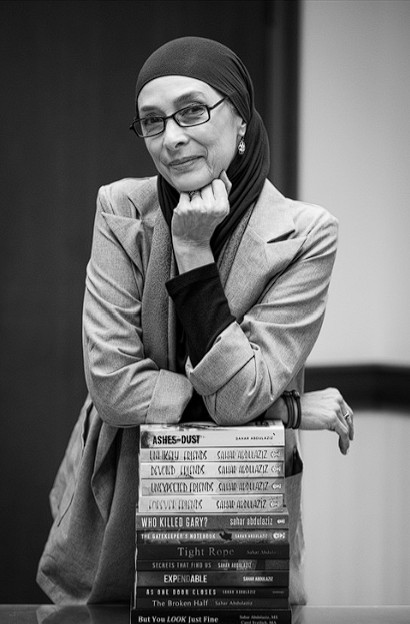
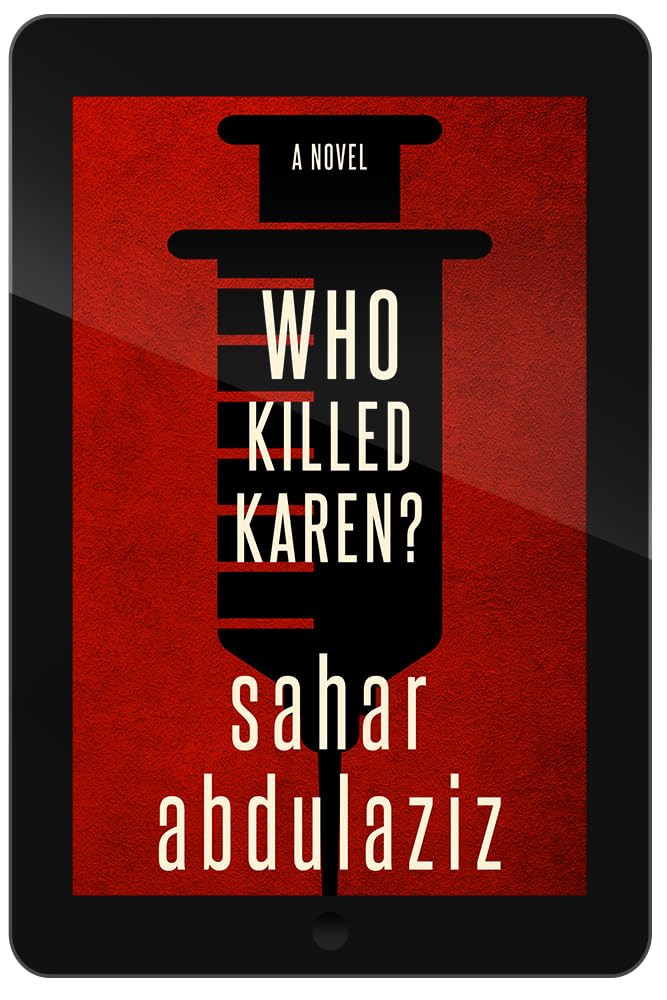
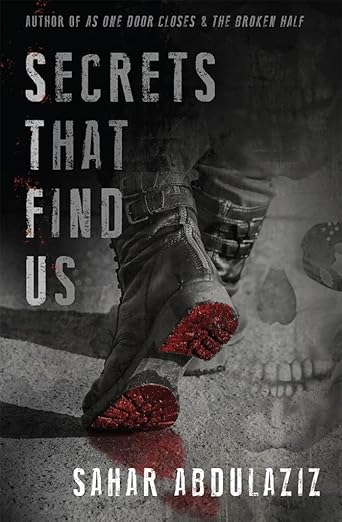

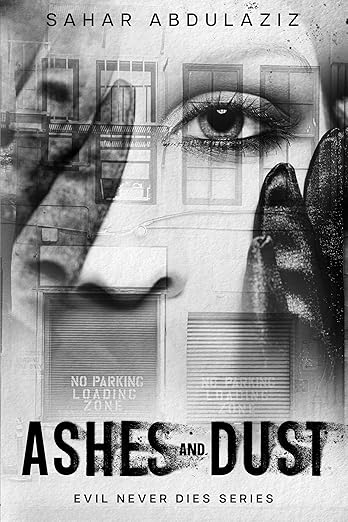
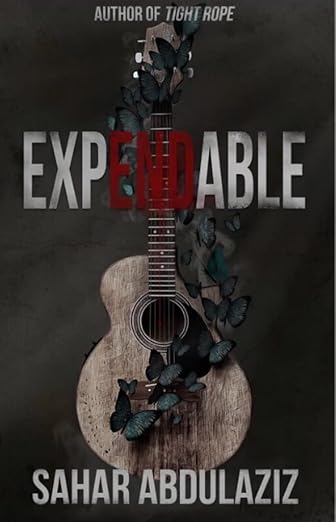


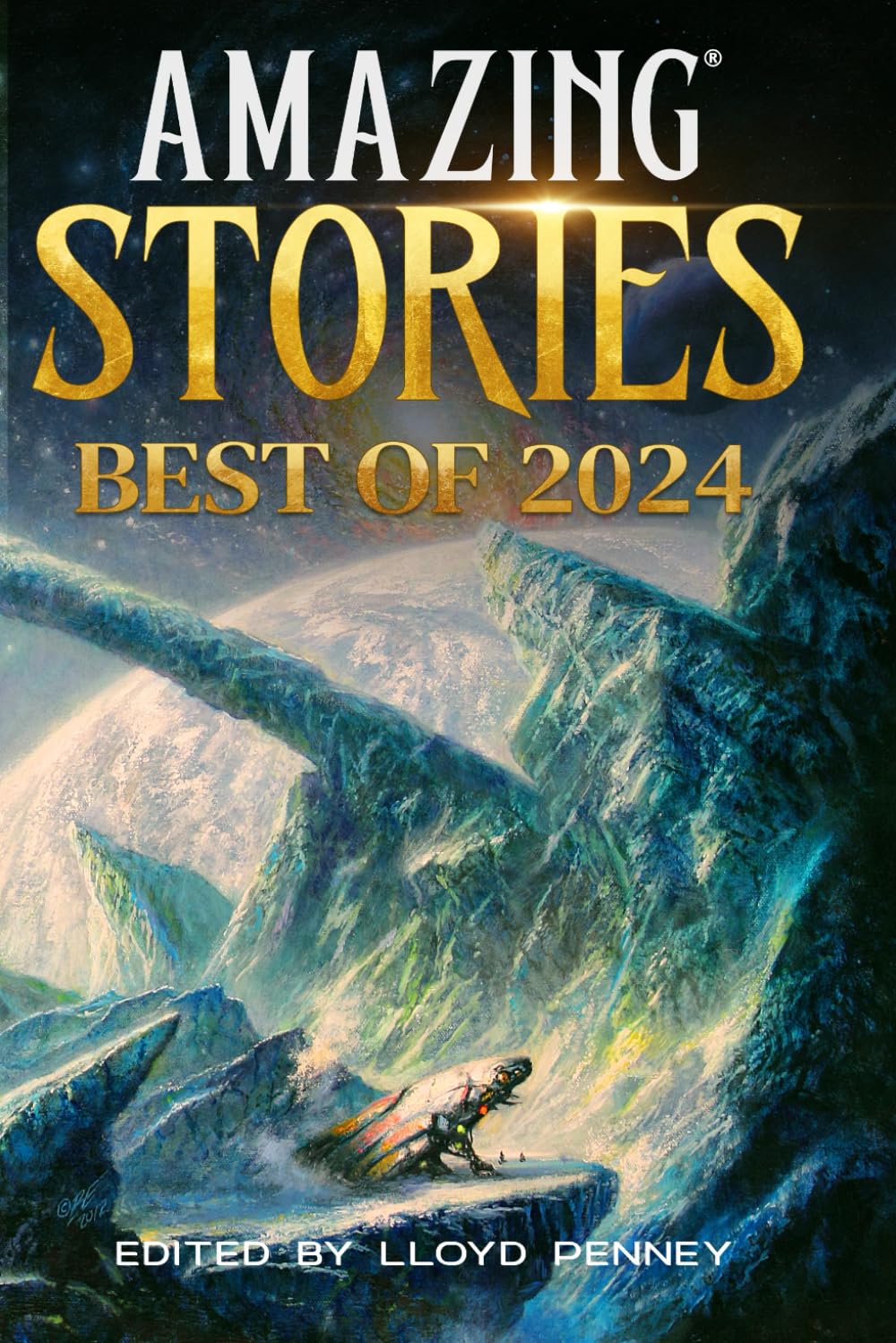
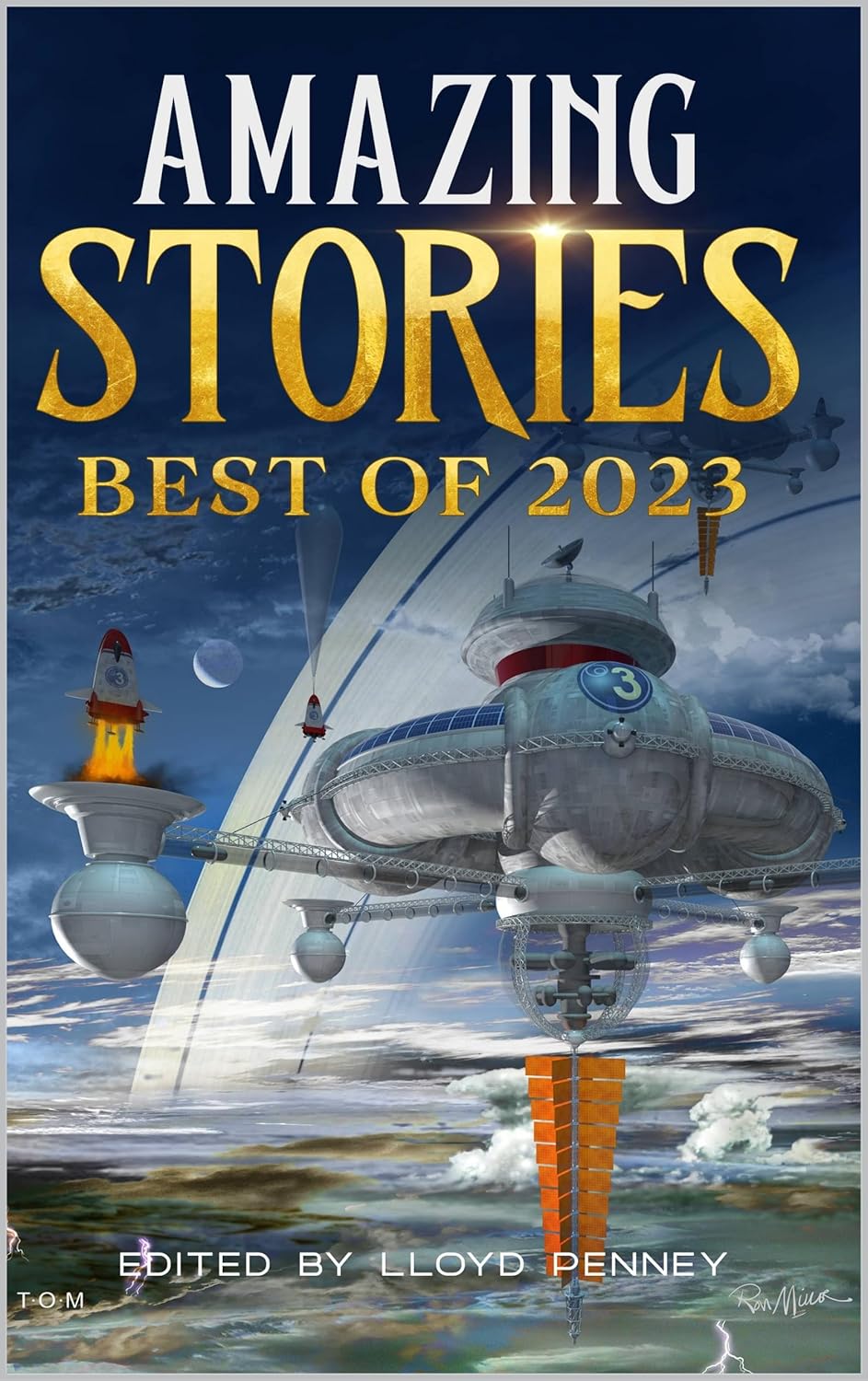


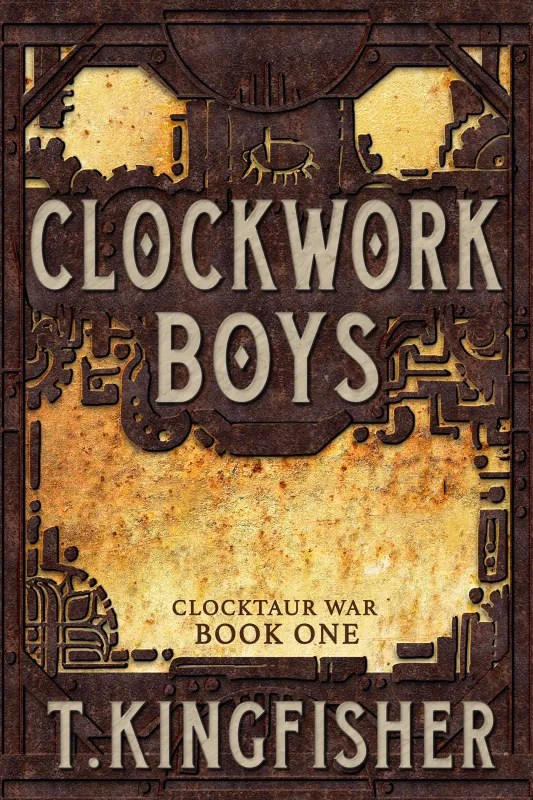
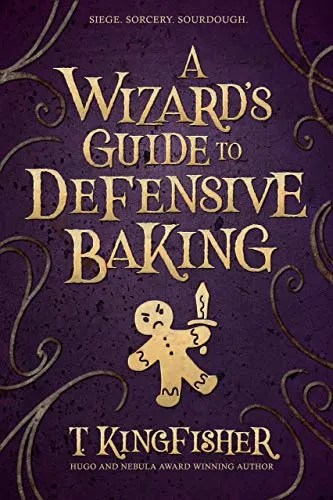
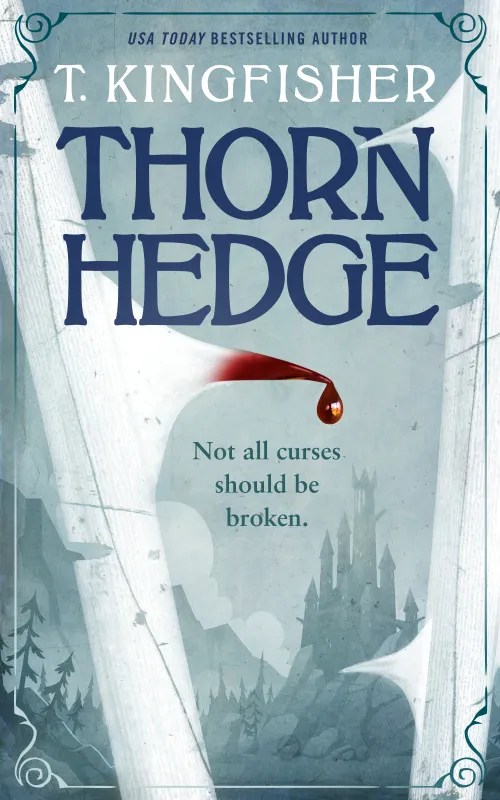


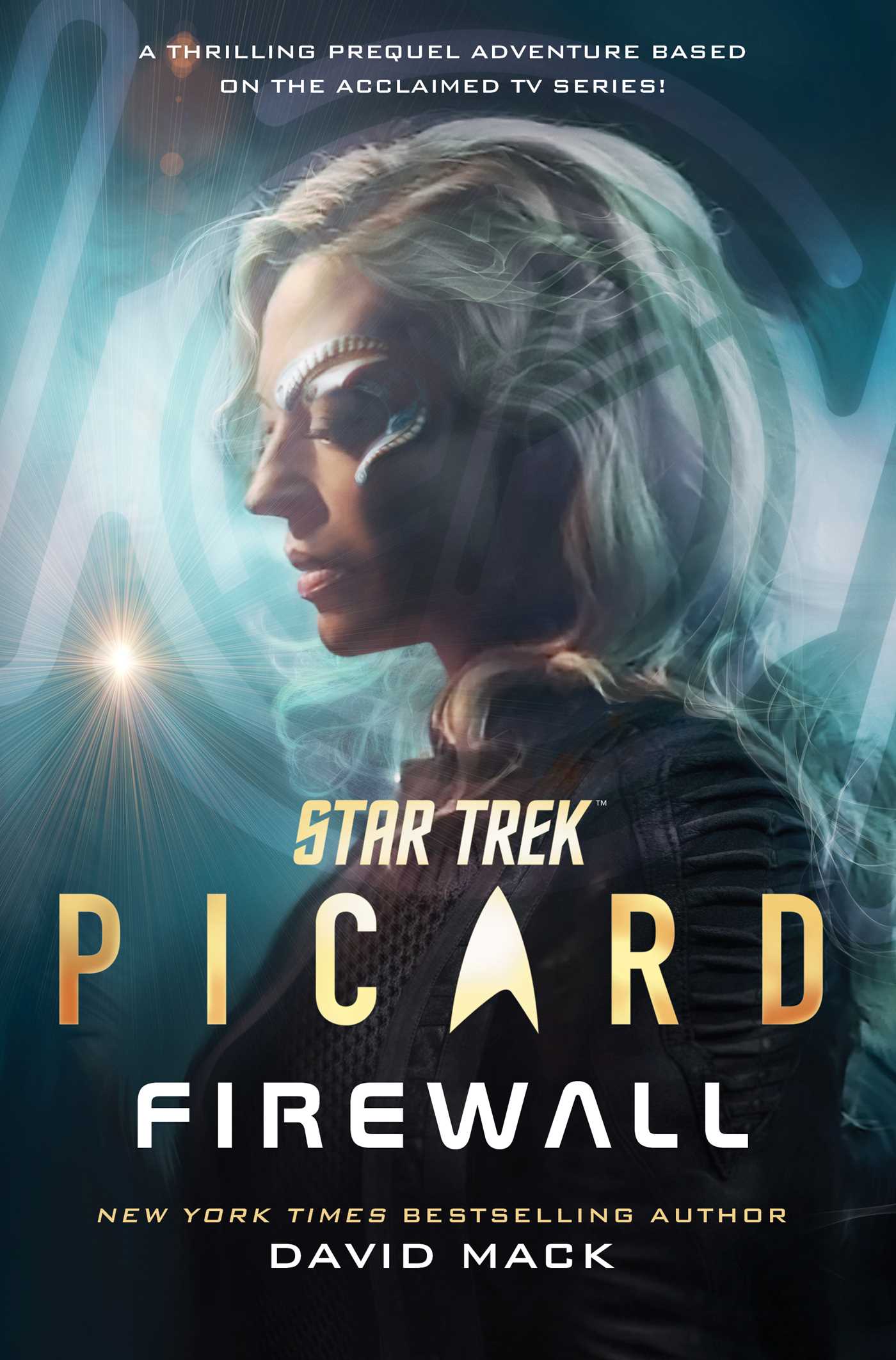
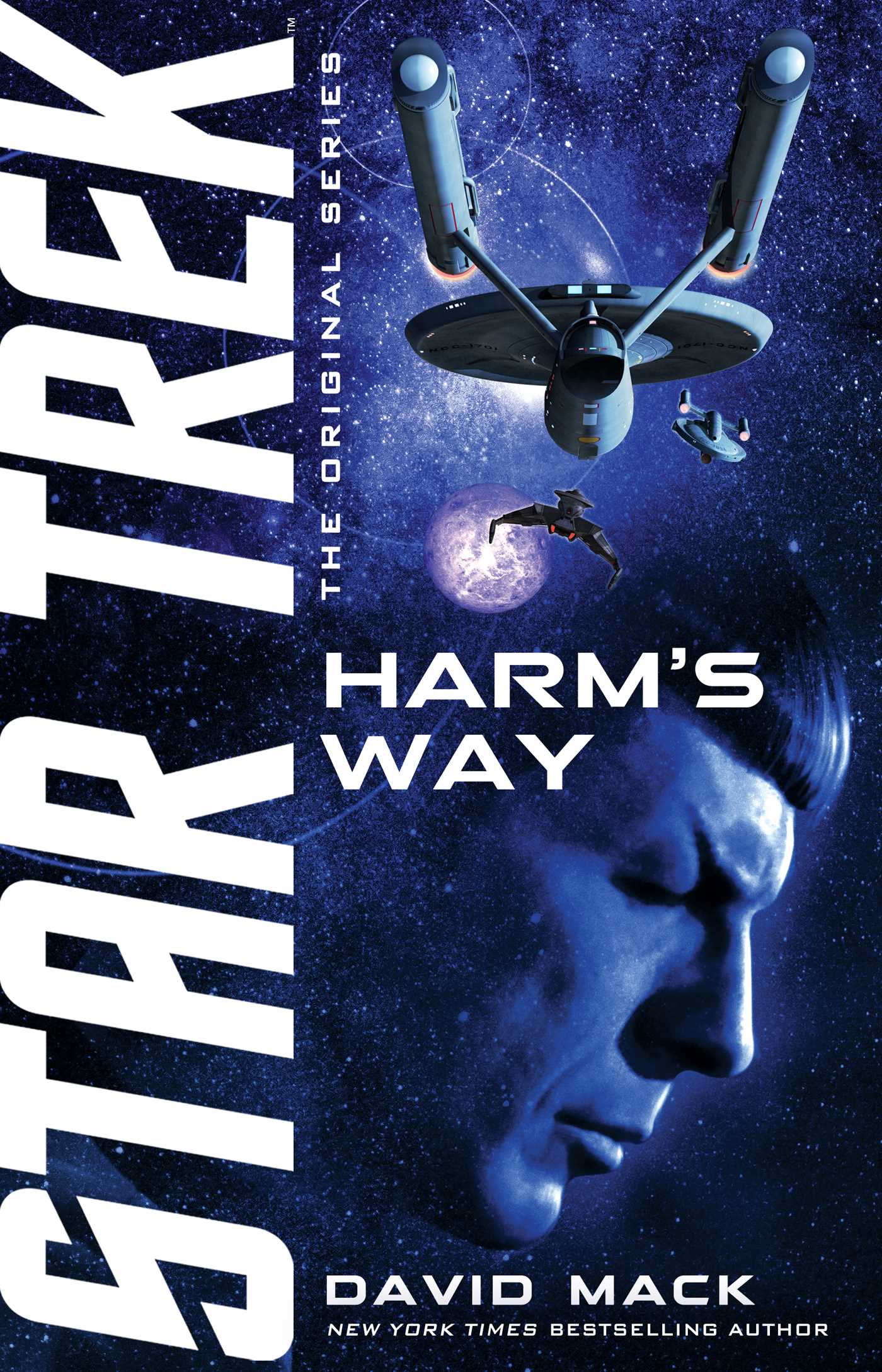
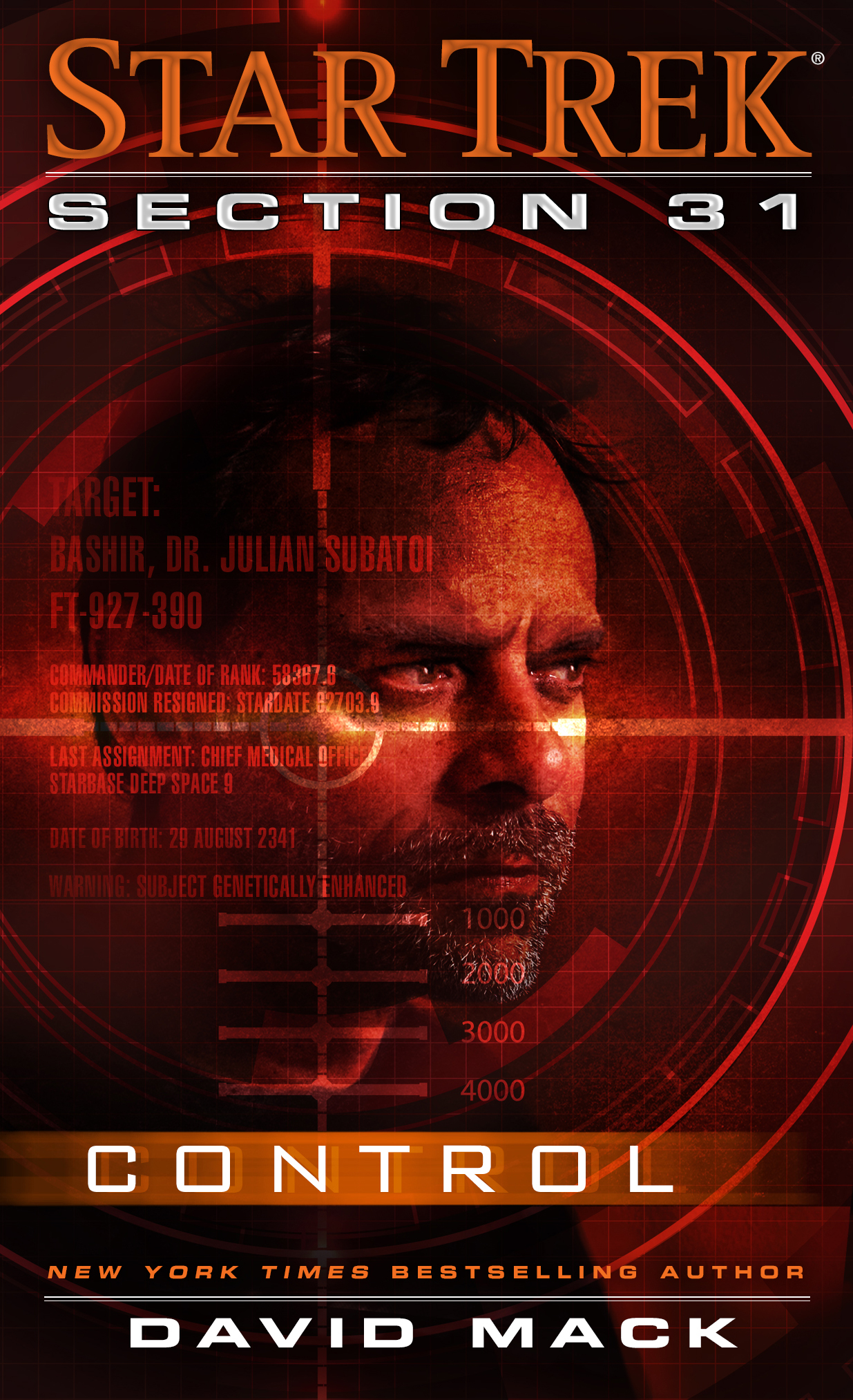
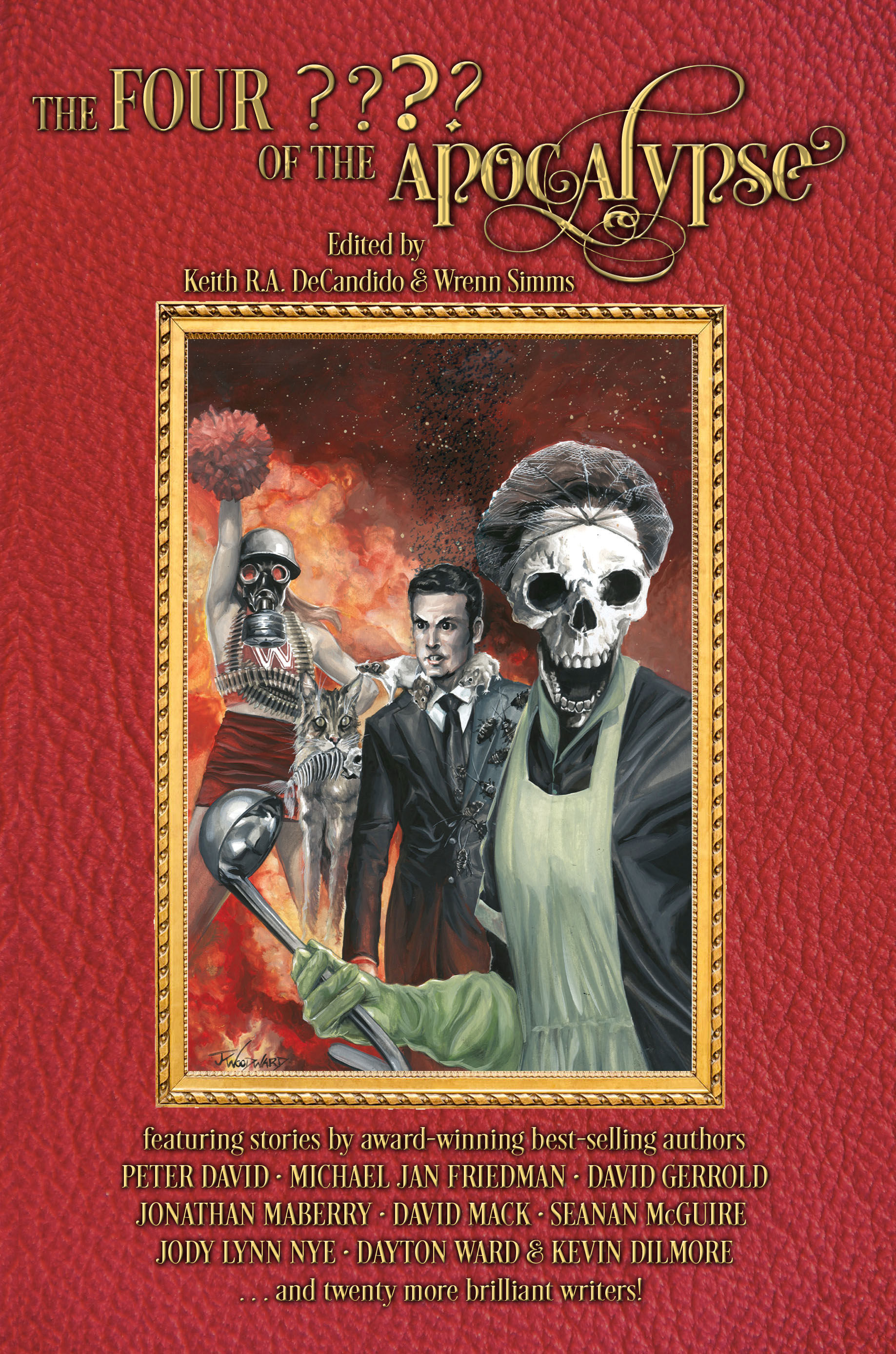
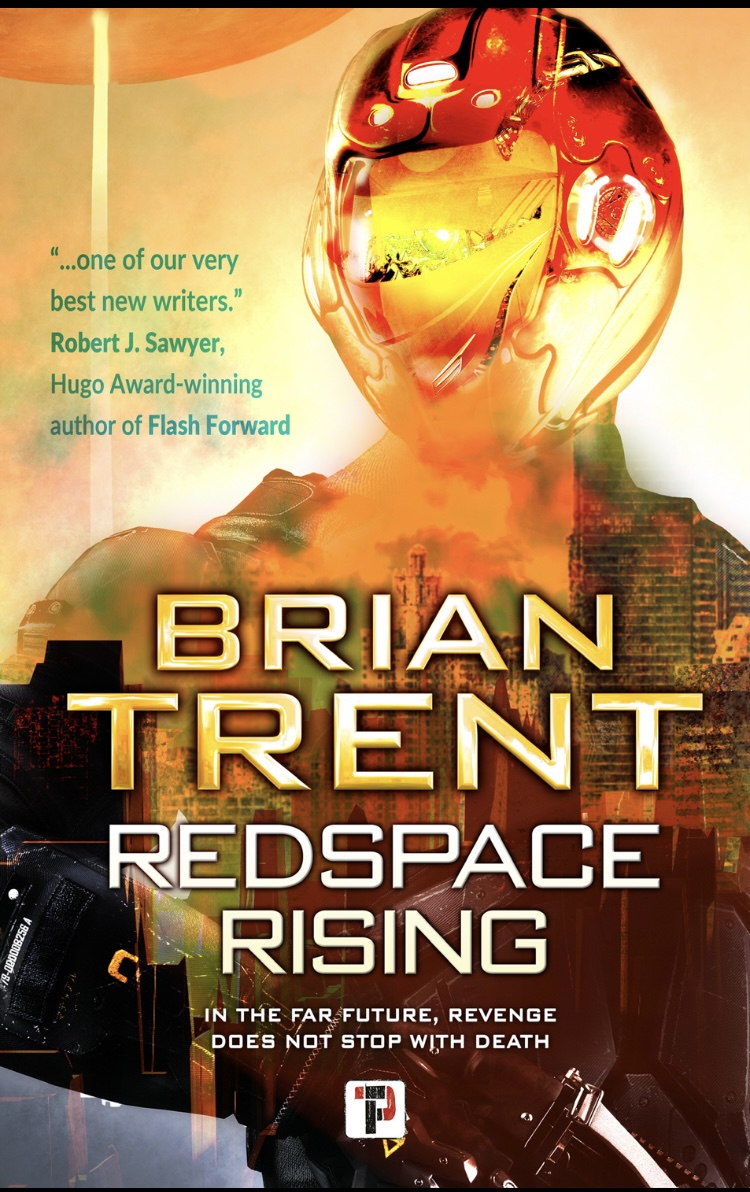
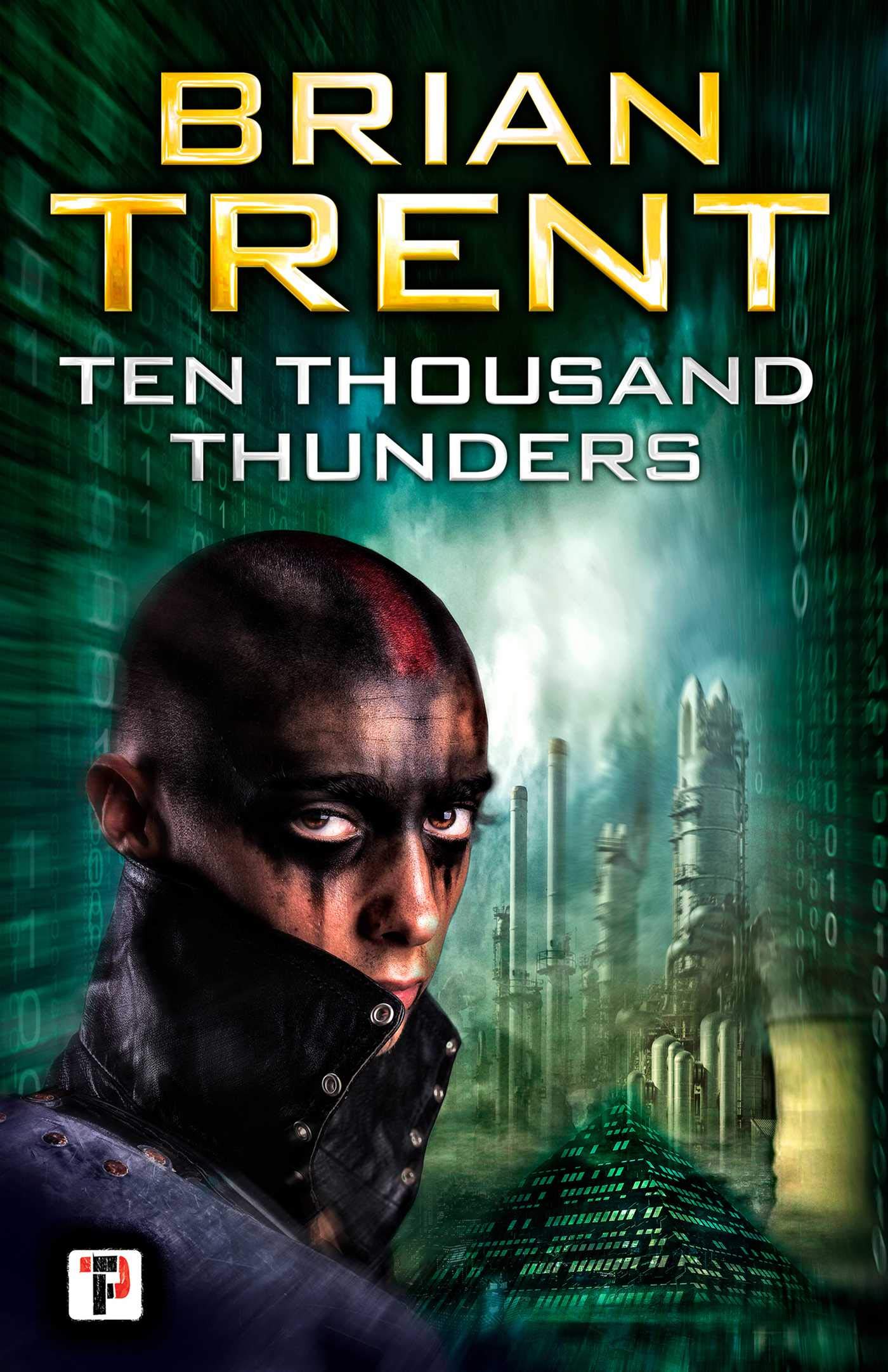
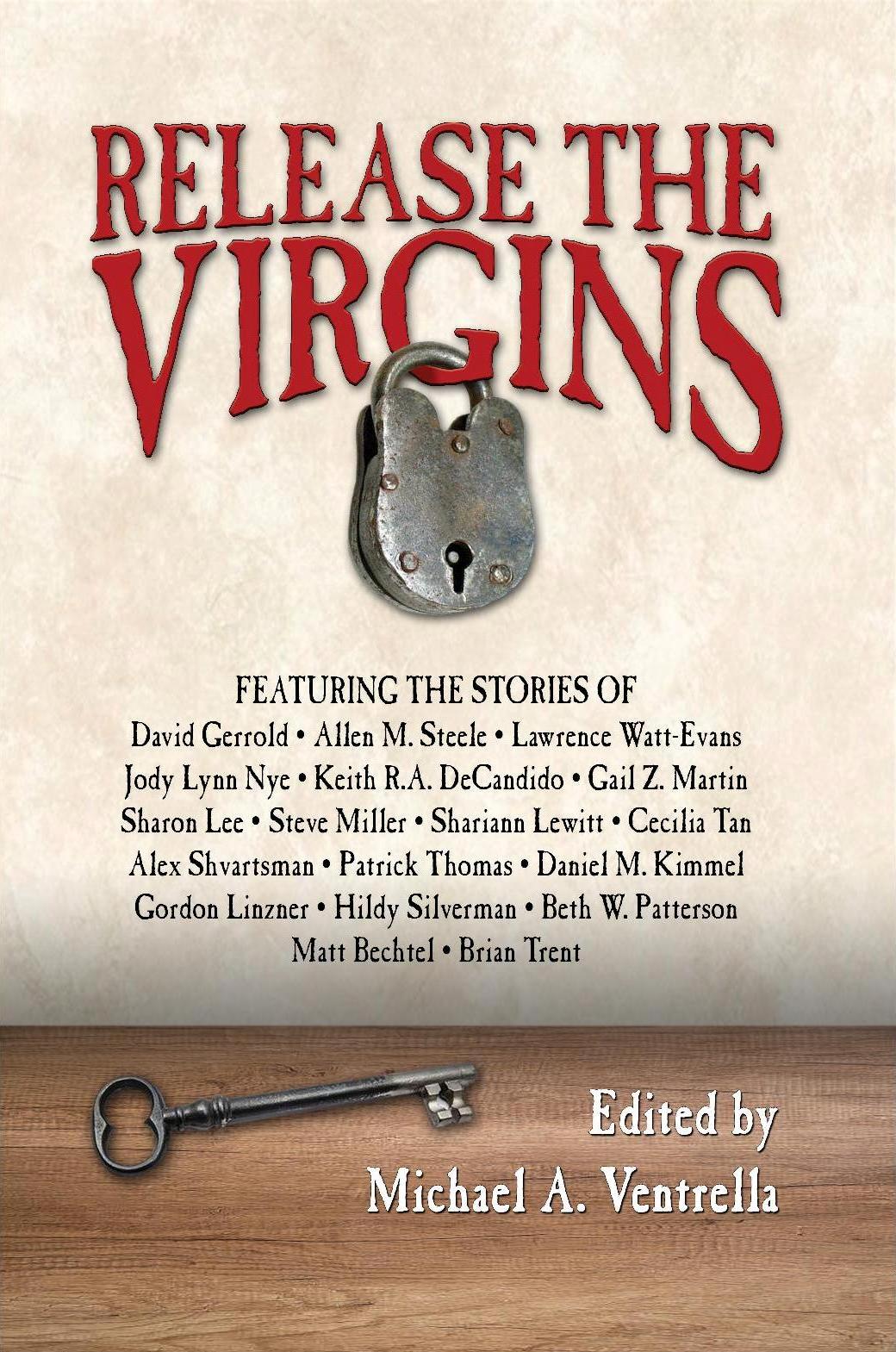
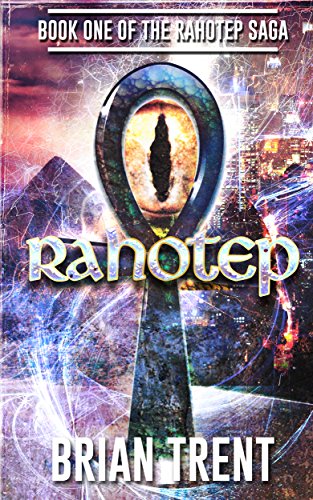
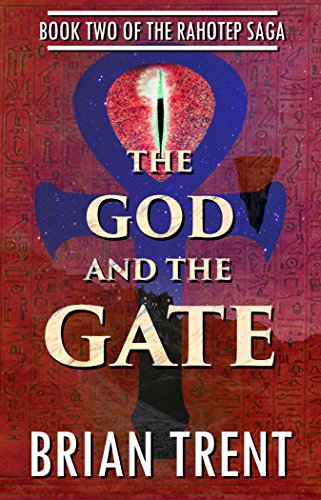
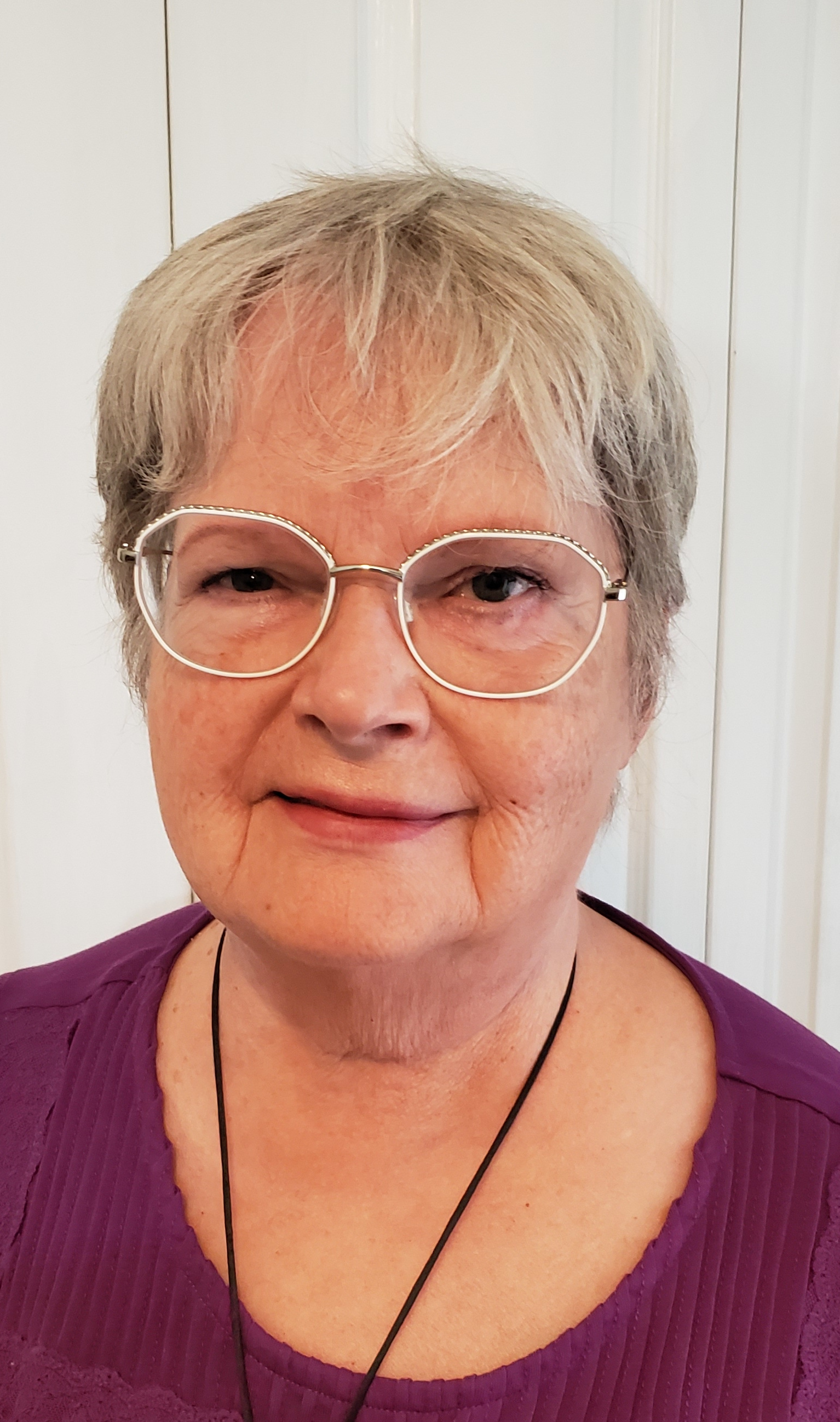
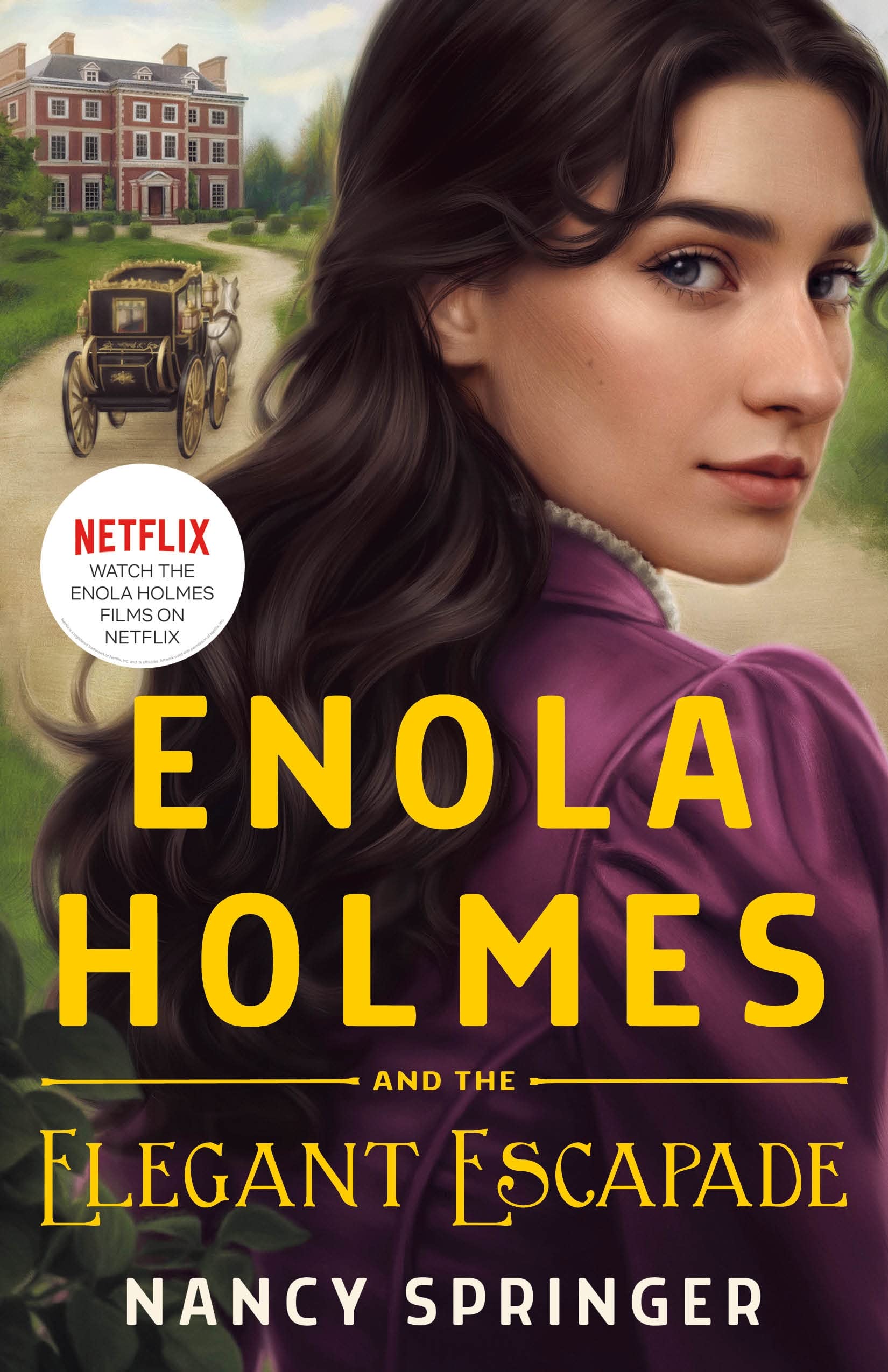
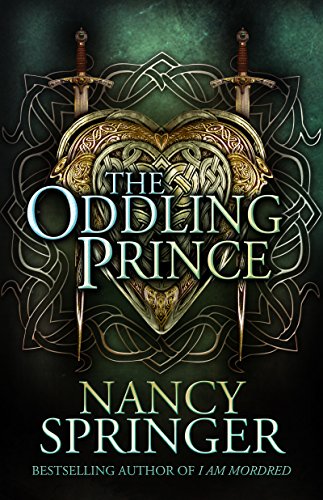
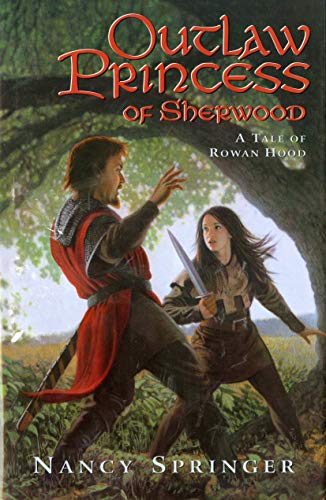
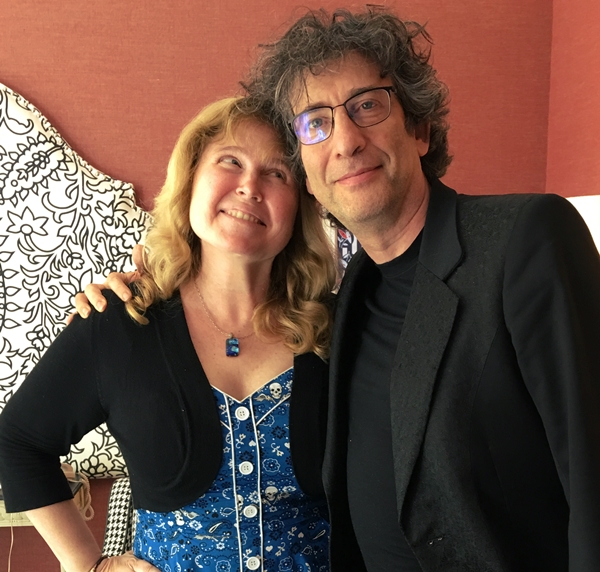


 Michael A. Ventrella