


Yeah, I know—many people will tell you that you should always find a writing group to help you with your work. That’s pretty standard advice.
Back when I had only one book out and was working on the second, I went to a writing group at a local Barnes & Nobles. Everyone gathered around and read from their works in progress, soliciting comments from the other writers. One fellow read his work and then people went around the room and said how much they hated it and how it would never be published in its current form. When it was my turn, I talked about how much I liked it, because it was really good. (What the people there didn’t know, but I did, was that the person reading the story was award-winning author Michael Flynn, who had numerous novels out already which you could get at that very same Barnes & Nobles. And I really did like what he had written; I wasn’t sucking up to him. Now, when he gave me comments about my story, I listened.)
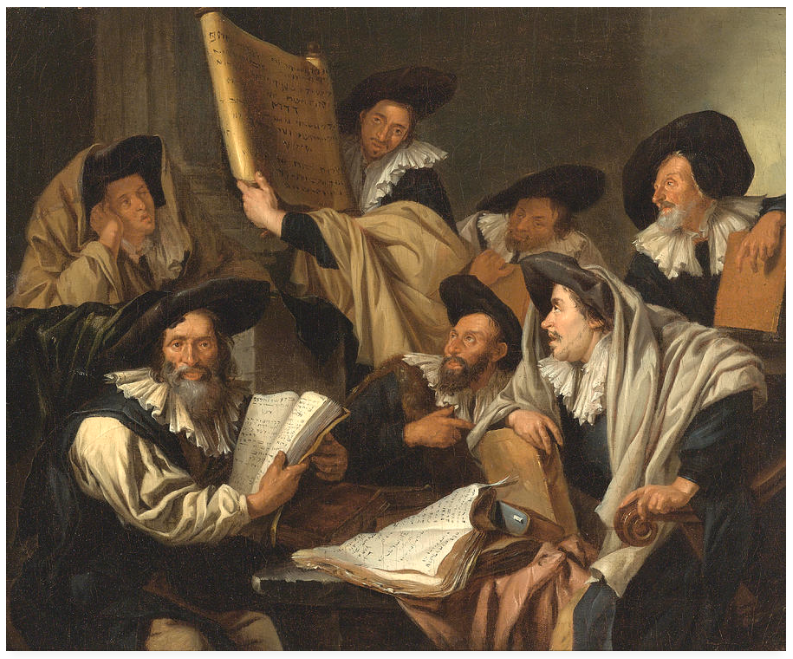
The point is that a writing group is only as good as the people in it. If you write cozy mysteries and everyone in your writing group writes gothic horror, you’re probably not going to get very good feedback from them.
The mistake many authors make is in listening to the wrong people. You should pay attention to comments (especially from editors), but ultimately, it’s your story. Don’t let these people tell you what it should be.
For one of my novels, I asked for beta readers. I made sure these were people who had not only read my previous work but liked the genre. I uploaded a chapter a week or so and had them give comments. I’d ask them what they think would happen next, which allowed me to know if I had given away too much too early or if I had not given away enough. I asked what they thought certain characters would do. And sometimes they even had ideas better than my own. It was quite useful. (Also, it gave me deadlines to get the thing done, because I knew people were waiting to read the next chapter.)
But their advice and comments often contradicted each other. I had to decide which to pay attention to and which to ignore.
Too many new authors get comments and think they have to do what is suggested. No! You need to take into consideration who made the comment, what kind of story they like, what their experience is, and whether what they suggested is just bullshit you can ignore.
And that is why critique groups and writing groups can be bad.
Get a bunch of friends together and they won’t agree on what the best movies are, what’s best on a pizza, whose music is best—anything. That’s normal. That’s what you’ll get with any random sampling. We don’t all agree, and that’s what makes life interesting.
That’s not what you want.
No great literature has been written by committee. Have you ever watched the credits of an awful movie and notice there are twelve writers credited? With a committee, things get watered down so that everyone is willing to accept the compromise, but no one is thrilled about the final product. Well, you want a story people will be thrilled about! Don’t let the critics write the story for you.
If you can find the right people who will basically act as amateur developmental editors, giving you reasonable and productive criticism, then absolutely take advantage of it. But that is hard to come by, and I’ve seen too many authors go to critique groups and then try to take everyone’s advice and end up with a crappy end result.
Filed under: writing | Tagged: new writers, Writing groups are mostly useless | Leave a comment »


 Michael A. Ventrella