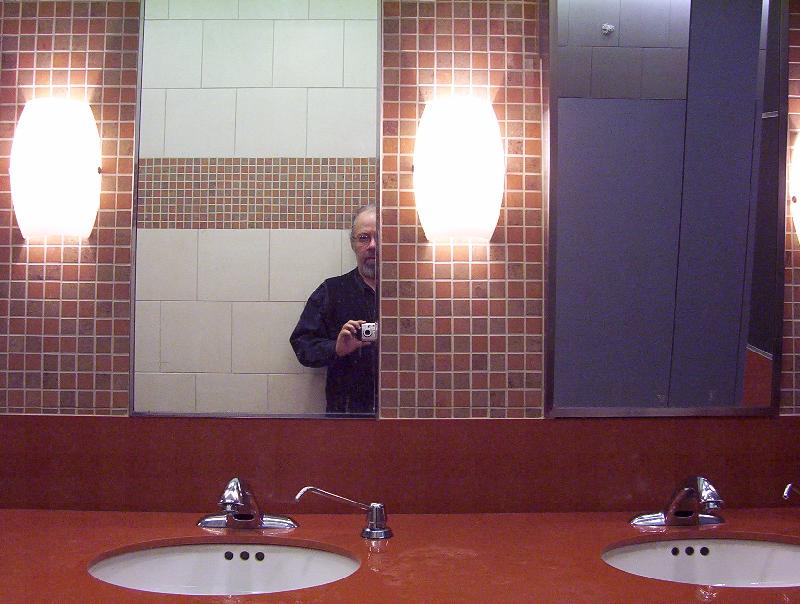
 For two and a half years, Ira was also the editor of Amazing Stories magazine.
MICHAEL A. VENTRELLA: Humor is so subjective, so how do you know you have written something funny that someone else would like to read?
IRA NAYMAN: I actually rarely laugh at my own writing as I am writing it. I often laugh when I first get the idea (because surprise is such an important element of humor, and that is the most likely time that a joke will surprise me). I sometimes laugh when I reread something I have written months later (because surprise is such an important element of – oh, but you already know that, don’t you?).
In some ways, I am a very intellectual humorist. I studied humor as an undergraduate at university and I have read a lot about different theories of why humor works. In addition, I know a large number of comic devices. Because of this (and the fact that I have been doing it for over 50 years), I largely trust my instincts about what will work and what won’t.
Don’t be like me. My advice to people who are starting out on the path to writing humor is two-fold.
For two and a half years, Ira was also the editor of Amazing Stories magazine.
MICHAEL A. VENTRELLA: Humor is so subjective, so how do you know you have written something funny that someone else would like to read?
IRA NAYMAN: I actually rarely laugh at my own writing as I am writing it. I often laugh when I first get the idea (because surprise is such an important element of humor, and that is the most likely time that a joke will surprise me). I sometimes laugh when I reread something I have written months later (because surprise is such an important element of – oh, but you already know that, don’t you?).
In some ways, I am a very intellectual humorist. I studied humor as an undergraduate at university and I have read a lot about different theories of why humor works. In addition, I know a large number of comic devices. Because of this (and the fact that I have been doing it for over 50 years), I largely trust my instincts about what will work and what won’t.
Don’t be like me. My advice to people who are starting out on the path to writing humor is two-fold.  First: experience a wide variety of humor in as many different media as you can find it. Look at this experience with a critical eye: what makes you laugh, and how does it work? Apply the lessons you get from other practitioners to your own writing. Second: find a couple of people who have a similar sense of humor to yours and whom you trust, and run early drafts of your writing by them. A good reader can really help you hone your craft (and give you confidence that you are on the right track). Third (to, uhh, hide the stain on the second fold – you really should be more careful with my advice!): write as much as you can as often as you can. The more you write, the more quickly you will develop your own unique voice and talent.
VENTRELLA: How has the publishing industry changed for the better and the worse over the years?
NAYMAN: As it happens, my PhD dissertation was on how digital publishing was changing the nature of publishing. This was written in 2000, so some of it may be dated, but I find that most of it is still relevant to today’s publishing ecosystem.
The main advantage to being able to publish online is that anybody can do it. You don’t have to go through the gatekeepers of agents and/or publishers. The main disadvantage to being able to publish online is that anybody can do it. Over a million books are now published every year. How are you going to be able find readers for yours?
New media proponents argued that social media (Facebook, Twitter, Instagram, et al) was going to level the playing field, allowing writers to grow fan bases and readership. This undoubtedly happens, but it has not been my experience. Social media is good at maintaining a writer’s relationship with their existing fan base, but it isn’t usually that great at helping writers find new readers/fans.
One major change in publishing that has been going on for decades is that the major imprints are becoming smaller and smaller cogs in transnational corporate conglomerates.
First: experience a wide variety of humor in as many different media as you can find it. Look at this experience with a critical eye: what makes you laugh, and how does it work? Apply the lessons you get from other practitioners to your own writing. Second: find a couple of people who have a similar sense of humor to yours and whom you trust, and run early drafts of your writing by them. A good reader can really help you hone your craft (and give you confidence that you are on the right track). Third (to, uhh, hide the stain on the second fold – you really should be more careful with my advice!): write as much as you can as often as you can. The more you write, the more quickly you will develop your own unique voice and talent.
VENTRELLA: How has the publishing industry changed for the better and the worse over the years?
NAYMAN: As it happens, my PhD dissertation was on how digital publishing was changing the nature of publishing. This was written in 2000, so some of it may be dated, but I find that most of it is still relevant to today’s publishing ecosystem.
The main advantage to being able to publish online is that anybody can do it. You don’t have to go through the gatekeepers of agents and/or publishers. The main disadvantage to being able to publish online is that anybody can do it. Over a million books are now published every year. How are you going to be able find readers for yours?
New media proponents argued that social media (Facebook, Twitter, Instagram, et al) was going to level the playing field, allowing writers to grow fan bases and readership. This undoubtedly happens, but it has not been my experience. Social media is good at maintaining a writer’s relationship with their existing fan base, but it isn’t usually that great at helping writers find new readers/fans.
One major change in publishing that has been going on for decades is that the major imprints are becoming smaller and smaller cogs in transnational corporate conglomerates.  Because of this, they have dropped a lot of mid-list authors to concentrate on blockbusters. In this environment, it is harder (although not impossible) for new writers to be published by a major house; and when they are, if they do not immediately produce financial results, they are quickly dropped (as happened to somebody I know).
On the plus side, Publishing on Demand (POD) has made it possible for small publishers to thrive, so writers have a much larger pool of smaller publishers to approach. It also means that there are far more anthologies being published than ever, which is a good entry for writers of short stories.
VENTRELLA: You were the editor of Amazing Stories, the first all science fiction magazine, for two and a half years. How did that happen?
I’m always looking for ways to promote my work. I forget how, but one day I heard of the Amazing Stories web site. I volunteered to write book reviews and the occasional opinion piece for them, which I did for a year and a half. At that point, the publisher, Steve Davidson, told me that his wife had been diagnosed with a life-threatening illness and that he had to take some time away from the web site; he asked if I would be willing to edit the web site in his absence. I agreed, with one condition: if he ever revived the print magazine (which he had talked about doing every now and again), I would like to have an editorial position.
I worked on the web site for another year and a half, at which point Steve announced that he was ready to start the magazine and asked me to be editor. I was a bit surprised: he had talked about some pretty heavy hitters for the position, and I thought I would be working under one of them. However, I’m not one to run away from a challenge, so I said yes.
And I’m so glad I did. It was a challenge, at times, as any major undertaking will be. However, it was an immensely satisfying experience, and I am very proud of the magazine (not to mention side-projects like Amazing Selects and AmazingCon) of what Steve, Kermit Woodall (the art director) and all of the contributors were accomplished.
VENTRELLA: What does a magazine editor look for? What are ways to impress an editor? What are ways to not impress an editor?
One of the things I learned about editing is that every magazine takes on the character of the person who decides which stories will go into it (usually the editor, but sometimes the publisher).
Because of this, they have dropped a lot of mid-list authors to concentrate on blockbusters. In this environment, it is harder (although not impossible) for new writers to be published by a major house; and when they are, if they do not immediately produce financial results, they are quickly dropped (as happened to somebody I know).
On the plus side, Publishing on Demand (POD) has made it possible for small publishers to thrive, so writers have a much larger pool of smaller publishers to approach. It also means that there are far more anthologies being published than ever, which is a good entry for writers of short stories.
VENTRELLA: You were the editor of Amazing Stories, the first all science fiction magazine, for two and a half years. How did that happen?
I’m always looking for ways to promote my work. I forget how, but one day I heard of the Amazing Stories web site. I volunteered to write book reviews and the occasional opinion piece for them, which I did for a year and a half. At that point, the publisher, Steve Davidson, told me that his wife had been diagnosed with a life-threatening illness and that he had to take some time away from the web site; he asked if I would be willing to edit the web site in his absence. I agreed, with one condition: if he ever revived the print magazine (which he had talked about doing every now and again), I would like to have an editorial position.
I worked on the web site for another year and a half, at which point Steve announced that he was ready to start the magazine and asked me to be editor. I was a bit surprised: he had talked about some pretty heavy hitters for the position, and I thought I would be working under one of them. However, I’m not one to run away from a challenge, so I said yes.
And I’m so glad I did. It was a challenge, at times, as any major undertaking will be. However, it was an immensely satisfying experience, and I am very proud of the magazine (not to mention side-projects like Amazing Selects and AmazingCon) of what Steve, Kermit Woodall (the art director) and all of the contributors were accomplished.
VENTRELLA: What does a magazine editor look for? What are ways to impress an editor? What are ways to not impress an editor?
One of the things I learned about editing is that every magazine takes on the character of the person who decides which stories will go into it (usually the editor, but sometimes the publisher).  For this reason, it’s hard to generalize about what editors are looking for. The best thing a writer can do (and most guidelines pages recommend this) is to read an issue or two of the magazine, and deduce what the editor is looking for from what the editor has previously accepted. (I was never shy about saying that I was looking for what I look for in my pleasure reading, and what I hope I write: surprise and delight. Or, put a different way, stories should be original and fun.)
The best way to impress an editor is to follow the guidelines. If the guidelines say that the editor wants stories in 24 point Palatino (yes, it is a typeface – don’t argue: I used to read font books for fun), submit the story in 24 point Palatino. Yes, it is weird. Yes, it means more work for you (if you have to submit a story to a dozen different publications until it is sold, accept the fact that you may have to format it a dozen different ways; it comes with the job).
How to not impress an editor? Need I say it? In the Amazing Stories guidelines, we wrote at least three times that we used an anonymous reader system and that manuscripts should be submitted with nothing that would identify the author. Roughly one quarter of the submissions had identifying information on them. They were immediately rejected without being read. Do I really need to tell you how not to impress an editor? Really? (We weren’t that hardass about it. Writers could resubmit stories that had been anonymized; I would then assign them to a different reader. My thinking was that I didn’t want to risk missing a great story because of an easily fixed technical matter. However, not all editors are so easygoing.)
There are many ways to alienate editors, but I will limit myself to one more: never argue with a rejection. In my time as editor of Amazing Stories, only one person responded to a rejection with: “You don’t know what you’re talking about. This was a great story! You’re an idiot with terrible taste who is going to be sorry he passed by this great opportunity!” That was one person too many. You cannot win an argument with an editor who has rejected your story; all you can do is ensure that that editor will never want to work with you. Ever. As hard as it may be, the best thing you can do is suck it up and submit the story somewhere else.
VENTRELLA: You are currently working on a Kickstarter campaign. Can you tell us a little bit about the project, and how crowdfunding platforms like it have changed the business?
NAYMAN: It is for an anthology called Shapers of Worlds. Canadian speculative fiction writer Ed Willett runs a podcast called The Worldshapers, where he interviews SF writers. Last year, he produced an anthology of short stories written by people he had interviewed in the first year of the podcast. The Kickstarter is intended to raise funds for a second volume, which will feature authors he interviewed in the second year of the podcast. I was one of those authors, so I am scheduled to have a story in the volume.
For this reason, it’s hard to generalize about what editors are looking for. The best thing a writer can do (and most guidelines pages recommend this) is to read an issue or two of the magazine, and deduce what the editor is looking for from what the editor has previously accepted. (I was never shy about saying that I was looking for what I look for in my pleasure reading, and what I hope I write: surprise and delight. Or, put a different way, stories should be original and fun.)
The best way to impress an editor is to follow the guidelines. If the guidelines say that the editor wants stories in 24 point Palatino (yes, it is a typeface – don’t argue: I used to read font books for fun), submit the story in 24 point Palatino. Yes, it is weird. Yes, it means more work for you (if you have to submit a story to a dozen different publications until it is sold, accept the fact that you may have to format it a dozen different ways; it comes with the job).
How to not impress an editor? Need I say it? In the Amazing Stories guidelines, we wrote at least three times that we used an anonymous reader system and that manuscripts should be submitted with nothing that would identify the author. Roughly one quarter of the submissions had identifying information on them. They were immediately rejected without being read. Do I really need to tell you how not to impress an editor? Really? (We weren’t that hardass about it. Writers could resubmit stories that had been anonymized; I would then assign them to a different reader. My thinking was that I didn’t want to risk missing a great story because of an easily fixed technical matter. However, not all editors are so easygoing.)
There are many ways to alienate editors, but I will limit myself to one more: never argue with a rejection. In my time as editor of Amazing Stories, only one person responded to a rejection with: “You don’t know what you’re talking about. This was a great story! You’re an idiot with terrible taste who is going to be sorry he passed by this great opportunity!” That was one person too many. You cannot win an argument with an editor who has rejected your story; all you can do is ensure that that editor will never want to work with you. Ever. As hard as it may be, the best thing you can do is suck it up and submit the story somewhere else.
VENTRELLA: You are currently working on a Kickstarter campaign. Can you tell us a little bit about the project, and how crowdfunding platforms like it have changed the business?
NAYMAN: It is for an anthology called Shapers of Worlds. Canadian speculative fiction writer Ed Willett runs a podcast called The Worldshapers, where he interviews SF writers. Last year, he produced an anthology of short stories written by people he had interviewed in the first year of the podcast. The Kickstarter is intended to raise funds for a second volume, which will feature authors he interviewed in the second year of the podcast. I was one of those authors, so I am scheduled to have a story in the volume. If it funds, Shapers of Worlds Volume II will feature new fiction from Kelley Armstrong, Marie Brennan, Helen Dale, Candas Jane Dorsey, Lisa Foiles, Susan Forest, James Alan Gardner, Matthew Hughes, Heli Kennedy, Lisa Kessler, Adria Laycraft, Ira Nayman, Garth Nix, Tim Pratt, Edward Savio, Bryan Thomas Schmidt, Jeremy Szal, and Edward Willett, plus stories by Jeffrey A. Carver, Barbara Hambly, Nancy Kress, David D. Levine, S.M. Stirling, and Carrie Vaughn. Among those authors are winners and nominees for every major science fiction and fantasy literary award, plus several international bestsellers.
I have had about 20 short stories published, most in anthologies, most of which I am proud to have participated in. But, man, oh, man, that lineup is stellar! And many of the writers have donated books or other things as premiums. Even having been around as long as I have, I’m still stoked to be a part of this project.
But, ah, ahem, I mean, yeah, if your readers would like to, you know, check out the Kickstarter and consider giving a little something to it, that would be cool cool.
As I mentioned earlier, a lot of anthologies are being published these days. Crowdfunding sites like Kickstarter and GoFundMe are an important potential source for funding them. Sites like these and Patreon (which employs a different funding structure) also allow for authors to get paid for self-publishing.
If it funds, Shapers of Worlds Volume II will feature new fiction from Kelley Armstrong, Marie Brennan, Helen Dale, Candas Jane Dorsey, Lisa Foiles, Susan Forest, James Alan Gardner, Matthew Hughes, Heli Kennedy, Lisa Kessler, Adria Laycraft, Ira Nayman, Garth Nix, Tim Pratt, Edward Savio, Bryan Thomas Schmidt, Jeremy Szal, and Edward Willett, plus stories by Jeffrey A. Carver, Barbara Hambly, Nancy Kress, David D. Levine, S.M. Stirling, and Carrie Vaughn. Among those authors are winners and nominees for every major science fiction and fantasy literary award, plus several international bestsellers.
I have had about 20 short stories published, most in anthologies, most of which I am proud to have participated in. But, man, oh, man, that lineup is stellar! And many of the writers have donated books or other things as premiums. Even having been around as long as I have, I’m still stoked to be a part of this project.
But, ah, ahem, I mean, yeah, if your readers would like to, you know, check out the Kickstarter and consider giving a little something to it, that would be cool cool.
As I mentioned earlier, a lot of anthologies are being published these days. Crowdfunding sites like Kickstarter and GoFundMe are an important potential source for funding them. Sites like these and Patreon (which employs a different funding structure) also allow for authors to get paid for self-publishing.
Filed under: writing | Tagged: Ira Nayman | Leave a comment »
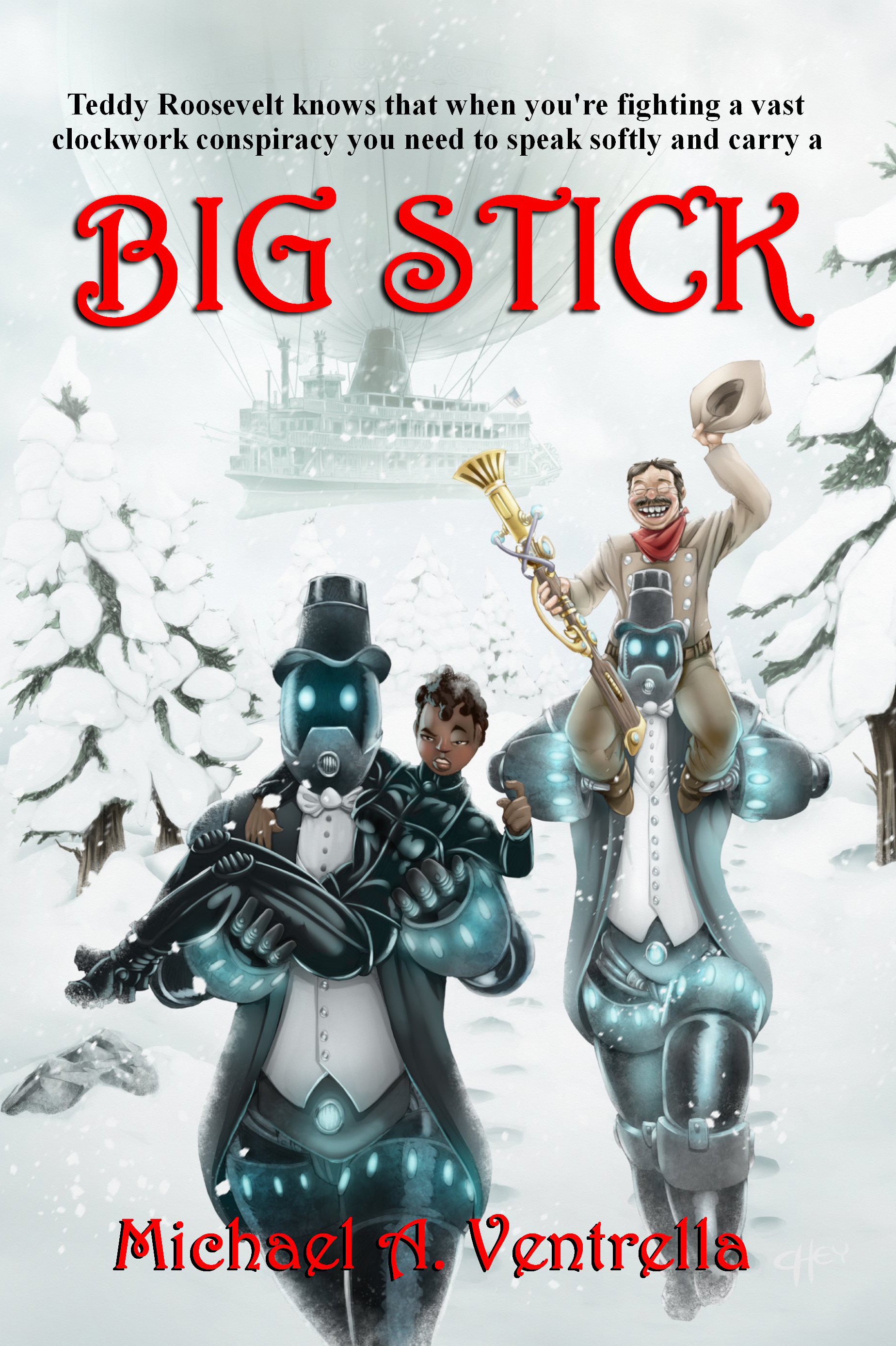
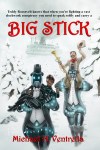 My steampunk novel BIG STICK obviously features Teddy Roosevelt (as seen on the cover, drawn by Hugo-winning “Girl Genius” artist Phil Foglio). But I tried to incorporate many other actual, real people into the book as well. Doing so was tremendously fun. If I needed a doctor for the story, I’d research who could possibly fit that actually existed at the time. I read biographies and articles to try to get their personalities down.
 Mark Twain: Of course, I had to include one of my favorite authors. I don’t think I have to explain who he is. Since the book takes place in 1898 (when Teddy Roosevelt was Commissioner of Police in Manhattan), Twain is quite old. That doesn’t stop him from helping, of course, with his riverboat that turns into a zeppelin. (Hey, it’s a steampunk novel. Zeppelins are required). He also assists in pulling a trick on the bad guys which, well, gets weird.
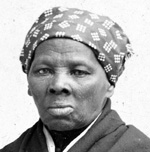 Harriett Tubman: Tubman was the hero who helped slaves escape to the north with her “underground railroad” before and during the Civil War. Since the book’s publication, she’s been the subject of a mostly-fictional movie about her life and will soon be featured on the $20 bill. In BIG STICK, she is quite old, travels around in a steam-powered wheelchair, runs a secret organization dedicated to fighting injustice, and doesn’t take guff from anybody.
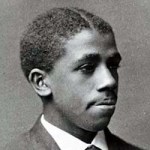 Edward Bouchet: Bouchet was a scientist who was the first African-American to get a doctorate from Yale. After graduating, however, he could not find a job because of racial discrimination and ended up teaching at minor schools and even becoming a High School principal. In BIG STICK, unable to find work, he gets recruited by Tubman’s secret organization as their device expert (sort of like “Q” to James Bond). I probably made him a bit more “mad scientisty” than he actually was…
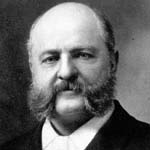 Anthony Comstock: Comstock was a Christian moralist who headed the New York Society for the Suppression of Vice, which, like all such moralists, he got to define. In BIG STICK, he gives speeches against places he thinks support vice, only to have those places struck by lightning from clear blue skies soon thereafter, making people think he has God on his side. Our heroes are convinced there is a scientific explanation, which leads to the grand adventure…
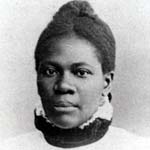 Eliza Grier: Dr. Grier was one of the first black women to get a medical degree but, like Bouchet, had trouble finding employment afterwards. She ended up as a teacher and died young. In BIG STICK, she is employed by the secret organization and tends to the wounds of our heroes, even when they don’t want it, but she knows her stuff and they deal with her. She’s another tough cookie — you have to be when you try to enter the white man’s world in 1898.
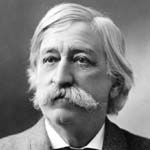 Melville Fuller: Fuller was the Chief Justice of the United States Supreme Court and was responsible for the terrible decision Plessy v. Ferguson which upheld Jim Crow laws and established “separate but equal” provisions in our laws, making racial segregation completely legal. He was a rabid conservative who struck down many progressive pieces of legislation he didn’t like. As you may guess, in BIG STICK, he’s one of the Bad Guys.
 Henry Lowrie: Lowrie was known as a kind of “Robin Hood” figure pre-Civil War, where he would attack, rob, and kill slave owners, leading to what became known as the “Lowrie Wars.” He’s a fascinating character. He was reported to have died in 1872 but many people thought that was just to allow him to go into hiding. In BIG STICK, he’s quite old and serves as Tubman’s personal bodyguard, though he longs to participate in the adventure our heroes are on.
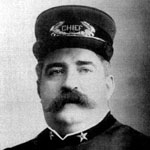 William Stephen Devery: Devery was a corrupt policeman in Manhattan who was fired by Commissioner Teddy Roosevelt, out to clean up the department. In BIG STICK, he sees Roosevelt as his sworn enemy and does everything in his power to bring him down. He gets a job as Comstock’s bodyguard but uses it for nefarious purposes. In real life, he appealed his firing, got rehired, became Chief of Police, and was just as corrupt the second time.


 Writer Lawrence Schoen has gathered 100 science fiction authors and asked them to write a short essay about their most memorable meal, which makes for a fascinating collection! It includes my story about a memorable (and funny) anniversary dinner I had with my wife and our encounter with a very apologetic yet clueless manager of a Red Lobster.
EATING AUTHORS is now available as an e-book or a paperback.
Writer Lawrence Schoen has gathered 100 science fiction authors and asked them to write a short essay about their most memorable meal, which makes for a fascinating collection! It includes my story about a memorable (and funny) anniversary dinner I had with my wife and our encounter with a very apologetic yet clueless manager of a Red Lobster.
EATING AUTHORS is now available as an e-book or a paperback.