Interview with Author Donna Galanti

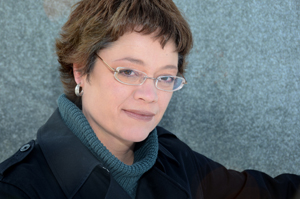
MICHAEL A. VENTRELLA: Today, I am pleased to be interviewing Donna Galanti. Donna is the author of the paranormal suspense novel A HUMAN ELEMENT (Echelon Press). She has a B.A. in English and a background in marketing. She is a member of International Thriller Writers, The Greater Lehigh Valley Writers Group, and Pennwriters. Her blog is here. You can connect with Donna here on Twitter and Facebook and purchase her book here!

Donna, your first novel has just been released. Tell us about it!

DONNA GALANTI: Absolutely!

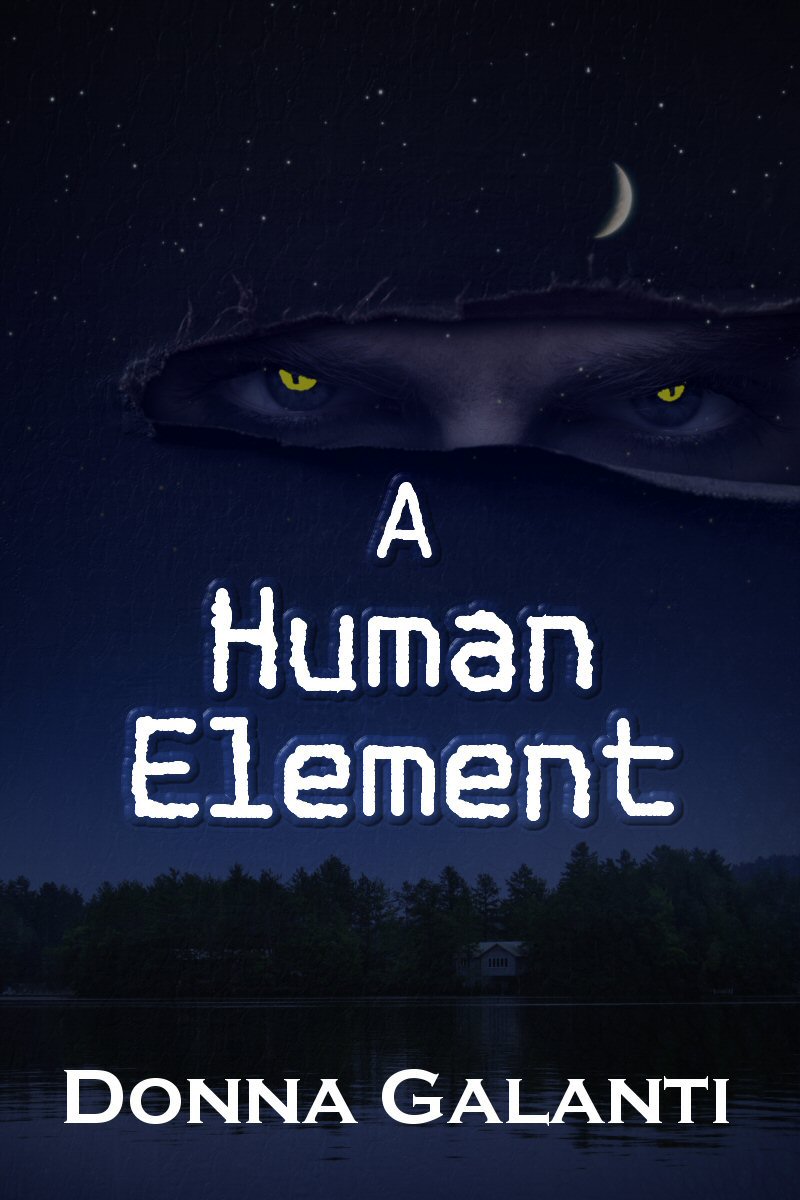
In my paranormal suspense novel A HUMAN ELEMENT, Laura Armstrong’s friends and adoptive family members are being murdered, and despite her unique healing powers, she can do nothing to stop it. The savage killer haunts her dreams, tormenting her with the promise that she is next. Determined to find the killer, she follows her visions to the site of a crashed meteorite –- her hometown. There, she meets Ben Fieldstone. In a race to stop a mad man, they unravel a frightening secret that binds them together. But the killer’s desire to destroy Laura face-to-face leads to a showdown that puts Laura and Ben’s emotional relationship and Laura’s pure spirit to the test. With the killer closing in, Laura discovers her destiny is linked to his and she has two choices –- redeem him or kill him.

Readers who devour paranormal books with a smidge of horror and steam will enjoy A HUMAN ELEMENT, the new novel about loss, redemption, and love.

Here’s what reviewers are saying:

“A HUMAN ELEMENT is an elegant and haunting first novel. Unrelenting, devious but full of heart. Highly recommended.” – Jonathan Maberry, New York Times best-selling author of ASSASSIN’S CODE and DEAD OF NIGHT

“A HUMAN ELEMENT is a haunting look at what it means to be human. It’s a suspenseful ride through life and love…and death, with a killer so evil you can’t help but be afraid. An excellent read.” –Janice Gable Bashman, author of WANTED UNDEAD OR ALIVE, nominated for a Bram Stoker Award.

VENTRELLA: How did the idea originate?

GALANTI: It came to me in a flash from nowhere 15 years ago driving to work. I wrote the entire outline on my lap as I drove (dangerously) and shelved it until 2 years ago.

VENTRELLA: Do you tend to outline heavily or just jump right in? What is your writing style?

GALANTI: I do outline but when I over-outline I can’t get started. I tend to write an 8-10 page preliminary synopsis, bulleted chapter outline, and a 1-page worksheet detailing each character. I like to write “from the dark places” in the third person. A HUMAN ELEMENT has a ton of dark in it from murder and mystery with an evil paranormal thread. However, I did challenge myself to write a middle grade adventure fantasy recently in the first person and had a lot of fun.

VENTRELLA: Aspiring authors often seem to think that writing a book is easy and your first one is sure to be a huge hit. What writing experience did you have prior to publication?

GALANTI: I definitely don’t think it’s easy or a sure thing to be a huge hit. Being a writer is constant learning and improving your craft. You may write a good book but you still need other elements like having professional editing skills, a good cover, and be marketing savvy. Before this novel came out I was writing in one way or another since I was seven. I majored in English and Journalism in college and did some news reporting for Gannett News Service. I eventually ended up in marketing communications and after several layoffs launched my own resume writing service and also became a freelance advertising copywriter. I closed up my resume business to write novels.

VENTRELLA: What was the biggest mistake you made when first starting out as a writer?

GALANTI: Writing a book before I learned the craft. I became involved with other writers and took writing workshops after I finished my first book. This required going back and fixing a ton of things! I don’t regret the learning that took place afterwards as I can now write a better book from the beginning. And hopefully keep learning and writing even better books. The sequel (in progress), A HIDDEN ELEMENT, starts out fast and dark and propels you into an evil underworld where chaos, despair, redemption, and murder reign.

VENTRELLA: OK, let’s be honest here — You (like me) are with a smaller, independent publisher. Of course, we’d both like to be with Random House or some other huge publisher, where we could be easily found in book stores. Did you make an effort to obtain an agent first and go the traditional route or did you instead look to the smaller publishing houses for your first venture?

GALANTI: I did submit to agents first, yes. I spent several months doing this and waiting on feedback from manuscript requests. However, I knew my premise was a harder sell for a debut author as it crosses genres in a blend of paranormal, romance with a smidge of horror and sci-fi. I believed in the story and so did Echelon Press, a small press with a solid 10 years in the industry. Karen Syed, the president, worked with me on developmental edits before I even signed so she was invested. I’m also not focused on “getting in every brick and mortar bookstore” in America. I am focused on being seen at the online bookstores.

VENTRELLA: What do you think are the advantages of a smaller publisher?

GALANTI: Definitely personal attention. I like that. I also like that Echelon Press honored my title and delivered on the cover I was pursuing. They listened to me as an author, and I was not treated as a product. I also have much leeway with my own marketing, and as a former marketer I like having that control.

These days, it takes much more to be a successful author than merely writing a good book. What efforts have you made to publicize yourself and do you think they have been worth your time?
With a book coming out, one in editing, and one being written – I’m finding out that this is only half my author time spent. The other half is “being seen.” And it’s absolutely worth the effort. I have an active blog where I post and host guest authors. I’m also active on Twitter, Facebook with a personal and author page, and GoodReads. It takes time to build relationships in all these places and manage them while promoting others too, yet I have met many supportive peers through these avenues and built a network of readers and professionals. I am currently running a blog tour (as seen here!) which involves multiple articles written, a grand giveaway, and a GoodReads giveaway. I also coordinated a book launch (4/21 at The Doylestown Bookshop) and wrote several press releases around the locales in A HUMAN ELEMENT.

VENTRELLA: I’ve met so many people who think self-publishing is the way to go, and I have tried to dissuade them of this idea. What is your opinion?

GALANTI: I honestly think a writer should start at the top and work their way down. It takes patience and waiting. Lots of waiting. I understand some people don’t want to wait. I gave myself a timeframe to look for agents and decided, after that time, it was best to go with a small press. I don’t regret it, as it allows me the ability to sell my books at conferences and be on conference panels. These are some things self published authors may not have access to. Yes, there is still a stigma. I also could not have become an accepted active member in International Thriller Writers if I self published. That being said, I see many authors with much success being self published. If you are marketing savvy I believe you can have success with it if you deliver a good product, great cover, and know how to be seen. Being a debut author, I think there are benefits to having a respected publisher standing behind you.

The Query Letter

I’m at that stage where I’m sending out query letters to agents for my next novel. While the publishing industry changes daily, the advantages of having an agent to sell your book has not disappeared.

Query letters are tremendously important, but too many authors get hung up on them — as if agents will laugh in your face if your query letter isn’t absolutely perfect.

You’d better use proper grammar and have no misspelled words, but if an agent thinks your book sounds interesting — and if it’s the kind of book they handle — then the other stuff doesn’t matter too much.

The key is to get them interested and make them want to read it. They want to read your letter and think “Hey, that could sell if done well.”

Remember: This is a business letter, not a piece of fiction. Act professional. Treat it like you would a cover letter for your resume.

https://www.youtube.com/watch?v=qf5Eclt6_ac

(an example of a bad query letter)

There’s a hilarious blog called “Slush Pile Hell” in which an anonymous agent posts some of the terrible queries received. It amazes me that people think they sound professional when they oversell their work as the greatest thing ever written or ask questions that are the equivalent of raising your hand and admitting you know nothing about the business. Keep in mind that you are hoping to establish a business relationship with the agent. No matter how good your novel, no one will want to represent you if you present a “difficult” image.

You’re just wasting time if you don’t know who is receiving your letter. Never send a “Dear Agent” letter. Find out which agents are right for you. Make sure they like the kind of book you’ve written. Agents who represent cook books won’t be interested in your science fiction novel. A textbook agent couldn’t care less about your children’s story. You might as well just toss your letter into the trash before you even mail it and save the postage, since the result will be the same.

Make sure you read their guidelines. Do they want an email instead of a letter? Do they want to read the first ten pages? Do they want it in the body of the email or as an attachment? Seriously, if you can’t follow simple directions, how difficult of a client will you be?

The world of publishing is smaller than you think. Agents talk to each other. If you make a fool of yourself with one, it probably won’t be long until another knows about it. There’s plenty of information out there for you to learn how to do it right, so you have no excuse.

Finally, do not take rejection harshly. That’s part of the business. Every author has been rejected before. Sometimes the work just isn’t what the agent wants, and sometimes the agent likes the work but doesn’t know how to sell it. It doesn’t mean your novel is bad. (There are plenty of great novels that were rejected many times — for that matter, there are plenty of bad novels that make the best seller lists…)

In a future post I’ll share my standard query letter (which is adjusted and changed based on who is to receive it) and will discuss the format. And I’ll be sure to let you know if I have any success with it!

Interview with author Gabrielle Faust

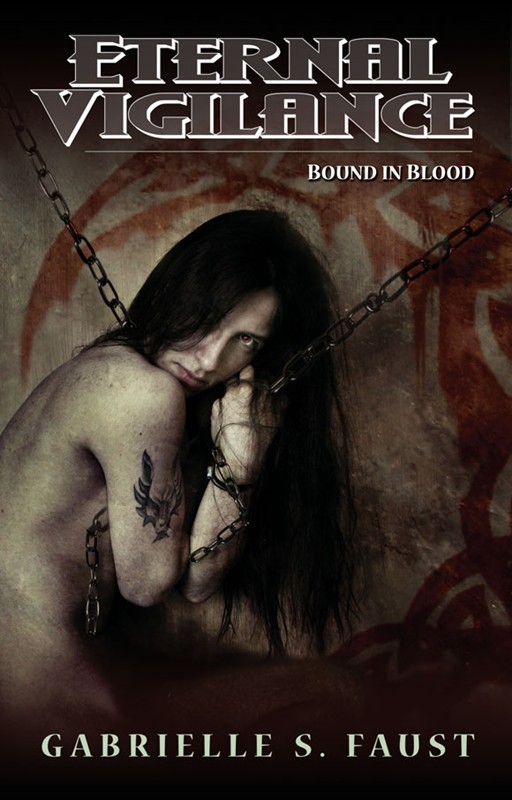
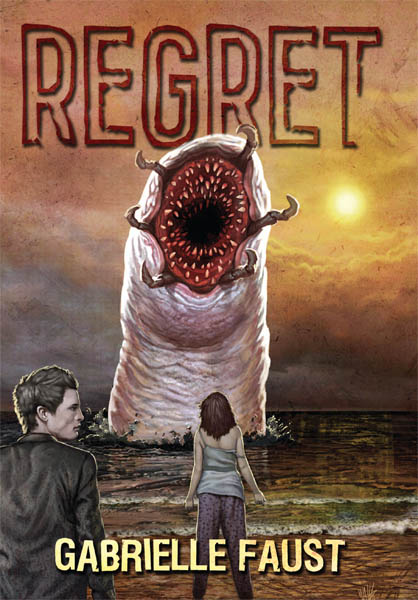
MICHAEL A. VENTRELLA: Today, I am pleased to be interviewing Gabrielle Faust, author of the acclaimed vampire series ETERNAL VIGILANCE, three collections of poetry entitled BEFORE ICARUS, AFTER ACHILLES, CROSSROADS and THE BEGINNING OF NIGHTS, the horror novella REGRET and the celebrated new dark fantasy adventure novel REVENGE. Her short stories, illustrations and editorial commentary have appeared in a variety of online and print publications such as SciFiWire, Blaster, Doorways Magazine, Girls & Corpses Magazine and Fear Zone. She was the Guest of Honor at the Queen of the Damned Vampire Ball in 2008. In 2009 she was crowned “New Orleans Vampire Royalty” by the Vampire Lestat Fan Club at the Tru Blood & Gold vampire ball and was a Special Guest and performer at the House of Blues for the 2011 Endless Night ball. In 2011 Faust was awarded the Texas Social Media Award by the Austin American Statesman. More information on Gabrielle can be found at www.gabriellefaust.com.

Your latest novel REVENGE comes out soon. What’s it about?

GABRIELLE FAUST: My co-author, Solomon Schneider, and I are absolutely thrilled to see this project finally finding its way into the hands of our readership. It was a project that was born of chaos, in chaos and has experienced a rather turbulent road to publication over the past year. That said, we feel strongly that it is some of the finest work we have produced. This will be my seventh book I have had published. However, it will be Solomon’s first foray into the world of novel writing as he has primarily been a poet, philosopher and musician up until this point. Or, as he likes to say, a “wandering wizard”.

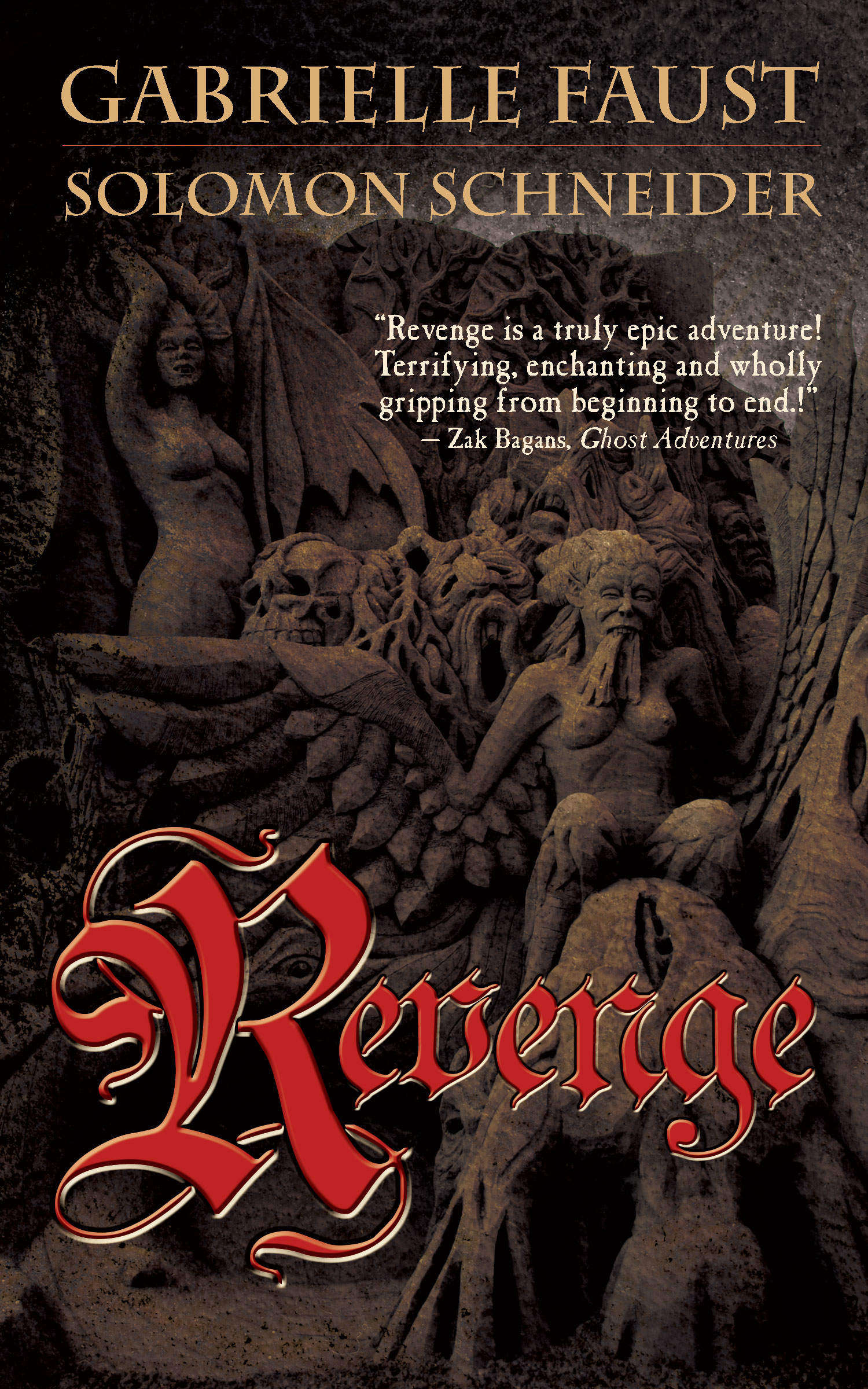
As for the tale itself, here is a brief synopsis to give you a bit more of an insight into the epic dark fantasy tale, which I like to describe as “Lord of the Rings” meets “Dante’s Inferno” — “When Marcus Glenfield committed suicide, he took his place among the Legions of Hell as the Demon of Regret. When he learns that the Prince of Wickedness, Belial, is planning to take his former fiancé, Brenda, as his consort, Marcus’ newfound belief in a second chance is quickly shattered in a fit of all too human rage. Incensed by the new demon’s disrespectful hostility, Belial plunges Marcus into the deepest pits of Hell.

But Lucifer has other plans for Marcus. For in the tormented lands of Purgatory, a strange and powerful uprising has gathered to form a new plane of existence—one that would break the ancient caste system of Heaven, Hell, Purgatory, Limbo and Earth, thwarting both God and Satan’s permanency within the universe. Not only have these brash metaphysical pirates kidnapped the powerful child born of Brenda and Belial’s union, they have also guided Marcus out of the prisons of Hell to their new realm.

When they promise Marcus freedom in return for his help, he realizes that he will finally have to choose a side. But can he find one that he can truly believe in?”

VENTRELLA: This is your first collaboration. How did that work out? Did you share the writing equally or was there some other method?

FAUST: Yes, this is the first time I have collaborated with another author on a project for the novel itself. Prior to this, I teamed up with Michael Marano to complete a series of illustrations for his collection “Stories From the Plague Years” in 2010.

The collaboration with Solomon Schneider came about in 2010 when I came across an ancient cryptic blog post he had posted in 2005 which ended up inspiring me for the sequel to a novella I was working on. Solomon is a masterful storyteller and I saw it as an opportunity for us to mesh creative minds and really produce something otherworldly. The first 5 chapters of REVENGE are actually the original novella REGRET, which I combined with this manuscript to give it a true “first book in a series” beginning. After that, we divvyed up the chapters based on the characters we felt most passionate about. There were particular characters who were solely Sol’s invention and vice versa. After the creation of these separate chapters, however, it was up to me to take everything and make it mesh so that it sounds like one cohesive author’s voice throughout the book. I’m quite pleased with how it turned out!

VENTRELLA: Your work has been distributed mostly through mid-sized publishers (like me!). What are the advantages and disadvantages of this?

FAUST: The advantage to mid-size publishers is a personal connection with the publisher and an ability to, usually, contact them directly about issues. However, as all authors know, there are a lot of untrustworthy publishers out there in the mid-size world and, unfortunately, an author must keep their wits about them at all time. There is also the issue of a lack of marketing budget. Thus, the author must be prepared to pay for their own book tours, organize most of their own publicity, etc. I feel quite blessed to be with my current publisher, Barking Rain Press, as they have been a true breath of fresh air! I’m just thrilled to be working with them.

VENTRELLA: Aspiring authors often seem to think that writing a book is easy and your first one is sure to be a huge hit…

FAUST: HA! Writing a book is never an easy task. In fact, many an author have compared it to childbirth. However, if it is your passion, you will embrace the process, which may very well drive you insane by the words “THE END” are typed, and revel in all of its glory and madness. There is no guarantee your first book will be a “huge hit”. In fact, that is a very rare anomaly. As with all artistic processes, we learn about our strengths and weaknesses with each project. We learn what our audience gravitates towards with zeal and, at times, we cringe at the mistakes we made.

VENTRELLA: What was the biggest mistake you made when first starting out as a writer?

FAUST: I’d say I made two big mistakes when I first started out: as aforementioned in the above question, I truly believed my first book was going to make millions and I was going to galavant around the world riding trains and living the romantic dream of the author of old. It was a brutal awakening to realize that the world just doesn’t work that way and, no matter how many stellar reviews I received, it was still going to be a very hard road to true success. As I like to say, “You can’t eat critical acclaim.”

The other mistake I made was to trust blindly that your editor is going to catch every single typo. That’s just not the case. The editing process is a two-way street and each time an editor sends you a PDF to review you have to carve out a week and comb over each and every page with a magnifying glass. Editors, no matter how amazing and detail oriented they may be, are still human. That said, every book I have ever come across has had at least one typo in them and, so long as there are just one or two, it’s simply not the end of the world.

VENTRELLA: I admittedly don’t read much horror so I’m not sure where in ones inner self you would find these ideas… What’s your process in developing a story?

FAUST: Everyone has their inner demons. We wrestle with darkness on a daily basis. The human species is only one step away from their animal instincts at all time and it really and truly takes very little push someone to their breaking point. It’s terrifying but true. For me, that is the true “evil”. Not hell-spawned demons or other mischievious paranormal and supernatural entities, but our fellow human beings. One simply has to turn on the evening news to find inspiration for a horror novel.

VENTRELLA: Do you tend to outline heavily or just jump right in? What is your writing style?

FAUST: Lately I have begun outlining more and more for the initial stages of my novels. This is primarily because the plotlines are becoming more intense involving multiple levels and dozens of characters. It’s really the only way I can keep track of them all. However, I always like to leave at least a little organic process to my writing. I may know all of the key points that need to happen throughout the book to get from A to Z but what happens between A and B is still a mystery even to me.

VENTRELLA: Do you enjoy the labels people have put on your work or do you think it may limit your audience?

FAUST: I actually find it highly amusing when people try to label my work because they always do it with a slight degree of confused uncertainty. The fact is that my work can’t really be pigeonholed because there are multiple elements running throughout. However, people do adore their labels.

VENTRELLA: When I have discussed the current novel I am working on (BLOODSUCKERS, about a vampire who runs for President), many agents and editors roll their eyes and say “Oh, not another vampire book.” Yet vampire books continue to sell. Do you think the market is oversaturated or will people always be interested in this?

FAUST: Vampires will always sell because people identify with the vampire on a primal level. The vampire is also the penultimate escapism in the supernatural world. Right now, I do believe there is an oversaturation of the “paranormal romance” vampire story which has basically, in my opinion, defanged our beloved predators and turned them into GQ playboys. However, I will always remain true to my own vampire mythos and will never feel in the least bit threatened. When people tire of their frolicking, sparkly playthings, they know where to find vampires with real “bite”!

VENTRELLA: What’s your opinion on self-publishing? Do you think this is a good idea for first-time authors?

FAUST: Honestly, unless you already have an established, widespread fanbase before you even release the book, you should try to publish traditionally first. Self-publishing is very expensive, time consuming and most bookstores will still not carry your work if they know it’s self-published because of the reputation that industry has for low-quality work.

VENTRELLA: What does the future hold for you? What projects are in the pipeline?

FAUST: I am currently working on the fourth ETERNAL VIGILANCE book, which I hope to have completed by the end of 2012. I will also begin work on the sequel to REVENGE next month. I will be touring extensively throughout the year to promote REVENGE.

Interview with author Mike McPhail

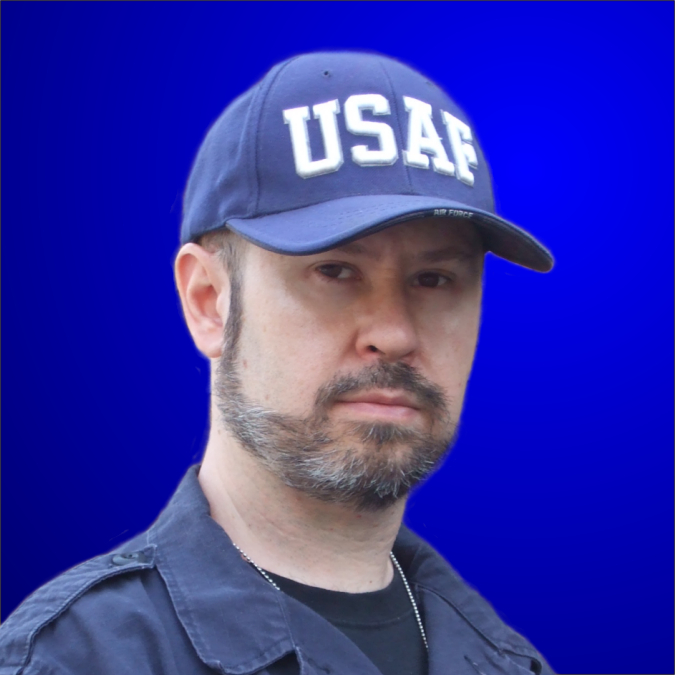
MICHAEL VENTRELLA: Today I am pleased to interview author Mike McPhail. Author and artist Mike McPhail is best known as the editor of the award-winning Defending the Future (DTF) series of military science fiction anthologies. Currently he is the administrator for the Dark Quest Books’ imprints DTF Publications (MilSciFi) and Starsong Press (SciFi).

He is the creator of the science fiction universe the Alliance Archives (All’Arc), which serves as the backdrop to his (and other authors’) stories. Its related role-playing game is part of the dC percentile family of game mechanics, as used in the Martial Role-Playing Game (MRPG) series.

As a member of the Military Writers Society of America, he is dedicated to helping his fellow service members (and deserving civilians) in their efforts to become authors, as well as supporting related organizations in their efforts to help those “who have given their all for us.”

Mike – you began, like me, developing plots and worlds for games. How did you decide to start writing fiction?

MIKE McPHAIL: It was an accident, no really it was. My wife (the award-winning Danielle Ackley-McPhail), had long been after me to let her write a story set within my gaming universe — The Alliance Archives (All’Arc) — but I was worried that she didn’t have enough experience playing the game to get the finer points right. So I wrote a back story (a little more advanced than you would for a game scenario), which was heavily laden with techno-babble, terminology, and in-game historical reference, in order to help her along.

Well she read it and said, “I don’t need to write the story, you can do it yourself.” and thus I was proclaimed to a writer.

VENTRELLA: Were your first attempts successful?

McPHAIL: Yes, but I had the advantage of working with people that already “had been there,” to advise me on how to pick and work for a specific project, rather than just sending work out, and hoping someone would buy it. Plus not having any “dreams of grandeur” helped; I hadn’t planned to be an author, so whatever came my way, I looked at as a blessing.

VENTRELLA: Let’s talk about the problems inherent in using games as a foundation for your fiction. I have advised those who have asked that they should begin by throwing out all the game rules. Have you found that to be the case?

McPHAIL: Not in my case. The All’Arc game mechanics were developed during my Academy days to allow the Marines in the group to have a more realistic portrayal of combat (a.k.a. what they learned and did in real life). But generally I would agree with that statement, since most gaming systems don’t have a real-world application, it could very easily get in the way of making your story seem plausible.

VENTRELLA: The goal in my fantasy fiction has been to make sure it doesn’t read like it was based on a game. Do you agree, and if so, what techniques do you use to accomplish this goal?

McPHAIL: Overall I would agree, that is unless your writing a tie-in book for a game, then I think the readers are hoping for some form of homage to the original work. The most realistic way is just to have a character make a game reference, just as I’ve seen them do in real life combat. “Well that bad-guy didn’t make his luck roll.”

VENTRELLA: What advice would you give to someone wanting to write a story in a game world?

McPHAIL: Don’t take it verbatim from a game you have played. What works when a group of friends are sitting around a table enjoying themselves almost never translates. So use the game only as inspiration, taking from it the key facts, and relating some of the more interesting events. Above all, have people outside your gaming group read your work, since your players are going to be too close to be objective about how good, or bad it is, or what needs to be done to advance it.

VENTRELLA: Tell us about your novels.

McPHAIL: I don’t have an “inner need” to write novels. I’m much happier doing short stories. But having said that, my publisher is looking to have me write some game tie-in novellas to go along with the re-release (or should I say, his release) of the All’Arc, now to be known as the Martial Role-Playing Game (MRPG) Core Manual.

VENTRELLA: Do the short story collections you edit take place in the world of your novels?

McPHAIL: I haven’t done an Archives collection yet, but my stories in the DTF anthology series are set within the realm of the All’Arc. In Dani’s case, she writes in the “universe” using the technology/terminology, but her stories aren’t part of the game’s original timeline.

VENTRELLA: What are the biggest difficulties you have faced when editing a collection?

McPHAIL: Keeping all the contributing authors “happy.” We’ve be fortunate enough to have in the DTF series some of the biggest names in science fiction, and their participation is purely due to them knowing us. As the saying goes, “small-press, small-pay,” so they are not in it for the money. Over time we have had problems with the books’ publishers, and naturally the authors come to us when they have issues. Then I would chase down the publisher for answers. Now-a-days, that chain of command is shorter. Dark Quest Books (the current publisher of the series), made me an administrator for one of their imprints, so now I’m in charge of publishing the series. And yes I yell at myself all the time over it.

VENTRELLA: What is your military background?

McPHAIL: I enlisted in the Air National Guard; originally I was hoping for ordinance, but the only opening was in Air Cargo, so by the family standards, I’m a slacker. Dad joined the Army Air Corp in WWII, and served until Vietnam; my father-in-law was a Navy attack pilot in Vietnam; and my wayward-son is an Army Lieutenant, winner of the Bronze Star.

VENTRELLA: Do you believe it is important to “write what you know”?

McPHAIL: Yes, but that doesn’t mean you can’t learn new things to write about. Typically I spend a third of my time writing, the rest either looking things up on the internet (or in my reference library, yes I’m talking about books), or calling someone I know that is in that related field.

The more of your own life experiences you can introduce in to your characters, the more believable and relatable they will become to your readers.

VENTRELLA: What projects are you working on now?

McPHAIL: For 2012, besides the re-release of the Dark Quest version of the MRPG, we have started working on DTF5 Best Laid Plans; producing Phoebe Wray’s Jemma 7729 and J2; updating James Daniel Ross’ Radiation Angels series; David Sherman also has something in the pipeline. With 2013’s projects already forming up in the queue.

VENTRELLA: Have you found that publishing short stories has helped you gather new readers?

McPHAIL: Name association from the DTF anthologies is priceless. For example if you did an Amazon search for say Jack Campbell (LOST FLEET), well he’s been in several of the books I’m in, so my work show up as a related title.

VENTRELLA: How did you find your publisher?

McPHAIL: We met at a gaming convention, things where slow, so we sat and talked. I told him about the game I came up with at the Academy, and how I put it on the shelf and only used it as reference for my writing. Well, the small press that had published my first DTF book (BREACH THE HULL) gave us the go-a-head to do the second one (SO IT BEGINS), but, when the time came for us to transfer the finished file so he could send it off to press, all of a sudden, his publishing empire was no more.

Then we remembered that game publisher we had met at the convention, he had said something about wanting to do books as well as games, and the rest his history.

VENTRELLA: What are the advantages of a small press?

McPHAIL: Accessibly. The big-houses are pretty much out of reach for a new writer, all they seem to want these days are top seller author, and even at that you only have a few months to prove your worth or you’re out.

VENTRELLA: What’s your opinion on self-publishing? Do you advise starting writers to consider that?

McPHAIL: Generally I would not advice self-publishing if you’re looking to become a “main-stream” author; writing the story is only part of the process. There are a lot of different skills needed to produce a professional-looking book, everything from editing and layout, to cover art and back cover copy, and yes, you will be judged by the cover of your book.

My wife and I have been out on the frontline as authors, books sellers and promoters for over a decade now. In our case, we had the advantage having worked in the printing / publishing industry.

Mike’s Websites: www.mcp-concepts.com
www.milscifi.com
www.allianceacrchives.net
www.defendingthefuture.com

4

Interview with Author and Publisher Karen Syed

MICHAEL A. VENTRELLA: Today, I am pleased to be interviewing Karen Syed, bookseller, author, publisher, and all around awesome gal. There are so many things floating around about Karen, but the only truth is that she is really cool. She recently (four days before the date of her doing this interview) moved to Orlando. Having been raised in Florida (and swearing she would never move back), she spent ten years in Texas, two years in Tennessee, and then five years in Maryland, she headed back to the sunshine state with her totally awesome husband. When asked why she decided to move back to Florida, she will simply tell you it is to be closer to Mickey, Pooh, and Tinkerbell. Her favorite food is dill pickles (especially Kosher deli dills) and fried chicken, which her husband won’t let her eat very often since she got the Pacemaker/defibrillator. Heart failure and an enlarged heart sucks. (Disclaimer: Karen might have written this intro herself … but who really knows…)

You come from an interesting background in that you expanded your bookstore into a publishing company. This sounds like a fascinating story; please share it with us!

KAREN SYED: I knew at a very early age that I would be a writer. I would write on anything. I also knew I loved books. I have been reading (well) since I was four. I read everything from shampoo bottles and air freshener cans to books. So when I met my (now husband of 15 years) and he offered to buy me a bookstore, I knew I had hit the motherload of love … books and a great man. Boy howdy!

At the end of my first year as a bookseller, I was nominated for the Publishers Weekly Bookseller of the Year. I still have no idea who nominated me, but some store in Indiana won. Oh well. So after about four years in the store, a friend and I started Echelon Press. Within eighteen months, I knew I wanted to do the publishing full time. So, I sold the store and forged ahead. During my bookstore days I managed to get a couple books published very badly.

I was so desperate to be a published author that I signed my rights away to my work for seventy years past my natural life … not once, but twice — two different companies. Oy!

So the reason for Echelon Press was to give new writers a place to break into the business. Ten years later, we’ve done okay.

VENTRELLA: How does your fiction writing fit in?

SYED: I’ve been writing for so long I don’t even know when it actually started. It wasn’t until 1987 that I considered writing as a career. My grandmother and mother were great at encouraging me and my Gramma event bought me a brand new Brother electric typewriter. It was such a vote of confidence, I knew I couldn’t let her down.

I wrote a lot for several years and even after I had the store. But once the publishing house started to take off, I had to make the tough choice; my own writing or discovering potential bestsellers. Finding awesome writers to publish is way cooler than revising my own work. But I do miss the writing. So much in fact that I did NaNoWriMo in 2010 and write a Steampunk novel that I have yet to revise. But I loved it, and I am a winner.

VENTRELLA: The future of publishing certainly is heading in the direction of e-books; however, there is still a stigma attached to books that are either not available in a hard copy or only available as a POD. Do you see that changing in the future?

SYED: Oooh, I just wanna smack people who feel the need to feed the distinction. A book is a book is a book. I say this in almost every interview I have done for the last ten years. There doesn’t need to be one or the other. I love my Kindle, but I also love my paperbacks. I just moved and cursed all twenty or so boxes of books I had to lug on and off the moving truck.

The sooner people realize it is a personal choice, the happier we will all be. I don’t see print becoming obsolete until we run out of trees, which means that it is perfectly safe for people to stop beating a dead horse and give eBooks the credit they have earned.

VENTRELLA: There seems to be a (relatively) easy path for printing these days in that just about anyone can claim to be a “publisher” by getting software for distributing e-books and using someone else to do some PODs. Is this a good or a bad thing?

SYED: I admit to being torn on this issue. Educating people on the value of POD printing has been a tough road, but the growth of the self-publishing industry has helped with that. Of course, with one solution comes another problem. Sadly, anyone can become a publisher or an author, but not many actually become “good” publishers or authors. There is a lot of laziness in the self-publishing industry. Ugly covers, lack of effective editing, and low quality materials. This does not have to be the case. It all boils down to pride in product.

This is kinda like “Made in the USA” merchandise. A lot of times we buy stuff from other countries because the quality is better. Same thing with books. Most of us (readers) will try anything, but if you screw us once, we will move on. I read very few NYT best-selling authors because their work simply isn’t as good as most of the midlist authors I like. Why? Because the big authors know their books will sell whether they are good or not. Okay, this is not the case with all and that was a very general statement, but I think everyone knows what I mean.

Just because someone says he is a publisher doesn’t mean he is any good at it. Good publishing is not easy and if anyone says it is, he is lying like an old Oriental rug.

VENTRELLA: How can readers and writers know they are dealing with a publisher that is legitimate — where there is a standard for acceptance and books are edited before they are published?

SYED: Do your homework. Don’t assume that because they have a website they are good at what they do. As you said, anyone can say it. Talk to authors who have been with them, current and previous. If you only get awesome answers and high praise, dig a little deeper. We all have some issues and if it sounds too good to be true, then it probably is.

I’ll be honest; there are people out there who will tell you I am a horrible publisher. They lie! No, honestly, there are a few cases where authors previously with Echelon have legitimate gripes, but pay careful attention to what is fact and what are sour grapes. I’d like to think that our successes far exceed our failures and we can’t be everything to everyone. But I will probably die trying.

Make sure that when you are considering a publisher that they share your vision. If you are not on the same page, neither the author, nor the publisher will be happy.

VENTRELLA: We met at a writer’s conference earlier this year. Have you found these to be a successful way for authors to find publishers?

SYED: Conferences have been outstanding for Echelon. I have literally found 50% of our authors at conferences, conventions, festivals, and even one at a craft sale. I need to connect with people and the only way to do that is to be out in the industry. I am a people person and I need that interaction. I also need to see a person’s face when they tell me what they are willing to do. I have learned (the hard way) who the liars are, and they are out there.

VENTRELLA: I still remember your expression when I mentioned I had written a vampire book; admittedly, it improved when you discovered the plot was not just another typical copycat. So here’s my question: What types of stories are you tired of receiving?

SYED: Pretty much vampire stuff. Heehee! Just kidding … sorta. I am truly sick to death of terrorist stories. I am of the mind that if the media and the entertainment industry continues to glamorize the horrific nature of terrorism, it will only continue to feed the fear and misunderstanding. I love thrillers as much as the next guy/gal, but there needs to be a limit and I simply don’t want to be the one to publish it. Reality sucks, why keep that fire burning so brightly.

VENTRELLA: How much of a story do you need to read before you can tell you’re going to reject it?

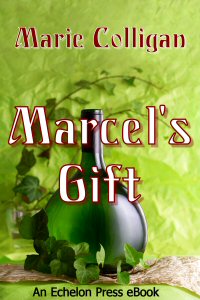
SYED: Totally depends on the story. I have read as few as two pages and knew I would rather gouge my eyes out than read any more, but I have also made it all the way to the end of some books and still couldn’t justify publishing it. It’s sad really when I find a book that I love, but I know I can’t make it sell. For example. I recently experienced the opposite. I got a submission (MARCEL’S GIFT) from an author named Marie Colligan. Her book is women’s fiction and involves a marriage, a tryst, a priest, the Pope, and a lot of love, understanding, and acceptance. I was shocked at the concept, but intrigued enough to keep reading. I kept telling my husband I didn’t have any idea how I could sell this book, but by the time I got to the end, I was so swept away, I am confident people will either love this book or hate it, but I know it will sell.

VENTRELLA: Have you rejected a book because you didn’t think you could work with an author, or thought the author wouldn’t promote their own material sufficiently? (Looking for anecdotes here but not names!)

SYED: Hey, I’ll give you names. This was not an immediate rejection, but … I contracted an author named Martin Bartloff. He wrote a book called TORN FROM NORMAL. It is a YA story that is very dark and very emotional. It deals with teen suicide. I was intrigued with the idea, but it was the recommendation of one of my editors that led me to contract it. We got to work and I soon discovered that Martin’s personality was far too powerful for me to tolerate in a working relationship. I know that sounds horrible, but I just couldn’t do it. I didn’t doubt his enthusiasm, or his desire to sell; it was specifically our personalities. I reverted his rights and suggested he self-publish. Martin needed to be in the driver’s seat. He did what I suggested.

Now, I admit that I have been a bit of a mentor to him through it all, but it was on his terms and I knew I could walk away any time. Martin is doing very well with his book and we have become very good friends. I enjoy him as a person so much more than I did as an author — don’t get me wrong, he is a great author — I just knew that if I had not made that decision, a very hard one, things would have ended very badly. As it were, things went better than either of us could have considered.

VENTRELLA: What’s the best piece of advice you could give a starting author that isn’t obvious and hasn’t been stated many times before?

SYED: Don’t be stupid and don’t be conceited. You are not all that and a bag of chips. We are all just people and we all need help and guidance in all that we do. We are not born brilliant; it’s very hard work. In order to find great success, you must be willing to admit when you are wrong. Know when to ask for help. More than anything, do not assume you know more than everyone else just because you wrote the book. I don’t care what anyone says, writing the book is the easy part. I can say that I’ve done it all. I know.

If you think you can be a successful author just by writing book after book, think again. You can write a hundred books, but if you don’t get anyone to read them, you are just a writer, not an author. Whether you go with a traditional publisher or self-publish, you better be willing to learn how to market and sell or you better be satisfied with selling a few dozen books to your family.

VENTRELLA: We discussed some of your success stories concerning authors who submitted short stories for download. I’ve had short stories published in anthologies, but have never gone to the “download just the story” route. Do you think that is the way of the future, given that anthology sales keep dropping?

SYED: I am not a fan of anthologies. I sincerely hope that more writers will learn the value of electronically publishing short stories. eBooks could seriously revive the short story industry.

VENTRELLA: What are the advantages and disadvantages of that?

SYED: Think about it. A writer who has spent years writing shorts, but never finding the “right” anthology to accept them. How sad is that? Short stories are a great way to develop your writing skills and to increase you readership. There is no downside to eBook shorts.

VENTRELLA: How important are agents for publishers like yourself?

SYED: Disclaimer: I have met quite a few agents that I personally liked. However, I have only found one agent that has been worth anything with regard to working with me. More times than not, agents turn out to be more trouble for me than good. Being a smaller (or boutique) publisher, we don’t have the perks to offer than a NY house does. We often don’t pay as much as a larger house (for obvious reasons) so why would an author want to give 15% to an agent when there is little to nothing an agent can do to help them with me?

The few times I have tried to work with agents, it has meant me giving up every bit of legal protection for my company so the author could have every little thing they wanted, with no compromise.

VENTRELLA: Let’s talk about your books. You originally started out writing primarily romance. Tell us about those!

SYED: They are brilliant. No, really. Okay, they are damn good. I have a tendency to write what I want and that made it impossible for me to find a traditional publisher. I wrote between the cracks as a very nice editor at Mills & Boon told me one Christmas Eve as she was rejecting me. Nice, huh? I worked in daycare for fifteen years so almost all my books have some strong young characters to compliment the lead couples.

I also tend to write flawed characters. DARK SHINES MY LOVE has a blind hero. LOST AND FOUND has an orphaned teen with an emotionally devastated uncle as her guardian. THE WINGS OF LOVE deals with a man’s issues with his family and his belief in himself and things in general.

I have always been a fixer, so I write people who I can fix. Romance is about happily ever after and redemption. I do both pretty well. If I do say so myself.

I am currently toying with a mystery and a Steampunk novel. I met an author named Nick Valentino at a conference in San Diego and he introduced me to the Steampunk genre. His novel, THOMAS RILEY, was our first Steampunk novel and has been one of our most successful to date. It totally rocks. I-was-blown-away! Have become a wee bit obsessed with it — both reading and writing it.

VENTRELLA: You’ve also written under a pseudonym. Why did you decide to do that?

SYED: Well, in the beginning I felt like I needed to keep my writing separate from the bookstore/bookseller. How goofy was I? (Rhetorical) It was nearly impossible to explain my resonating to people and now that I just wanna be me, it is a huge pain in the butt trying to switch things back over. If you decide to write under a pseudonym, please know that it is NOT as easy as Nora Roberts makes it look.

VENTRELLA: Tell us about your new Steampunk books.

SYED: Dude, Steampunk is just the coolest thing ever, almost as cool as faeries. I knew after meeting Nick that I was hooked. So when NaNoWriMo came up last year, it was my chance to do a couple things. I spent a solid month writing, and it was bliss. I also got to delve into this totally awesome and explosive genre. My series (I never come up with book ideas, I always come up with series ideas) is called Petticoat Junction and is about four girls from very different lifestyles who join together to make a very formidable band of vigilantes. Each one has a special trait and together they are incredible. Toss in the automatons, alchemy, and big flying things, and it is bliss. Isn’t that a cool word? Bliss .. ahh.

VENTRELLA: Who do you enjoy reading?

SYED: Oy, good thing you are okay with long answers. I have three favorites, oh hey, stories.

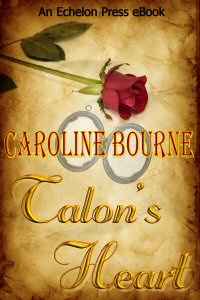
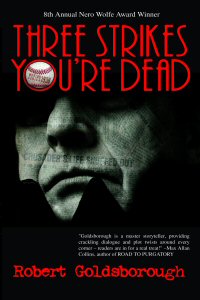
My favorite is Caroline Bourne who writes the most incredible historical romances (the best being RIVERBOAT SEDUCTION). Many years ago, I belonged to the Prodigy Romance Writers Group and I ran across a very nice lady named Carol. She became a friend and a mentor of sorts. She was incredibly supportive of me and my writing. After a bit of time, I found out she was actually Caroline Bourne (I had been reading her books for some years and she was already my favorite.) It was like fate had brought her into my life and we have been friends since. We did lose touch for a while, but thanks to Facebook, she found me and I am so freaking pleased to say that within the next couple months we will begin a new journey together. Echelon will be reissuing her previously published romances, as well as new stories (Talon’s Heart) from her. This is as cool as when Robert Goldsborough (who wrote several Nero Wolfe books after the passing of Rex Stout) called me and said he wanted to submit his mystery to Echelon. We published THREE STRIKES YOU’RE DEAD which turned out to be the first in his original Snap Malek mystery series. We have published five in the series so far, along with a couple shorts.

I also adore Jill Barnett. Her paranormal romance, BEWITCHING, was a light in the darkness for me when my first marriage was falling apart. I have never read a book by her that I did not love. And she is a wonderfully nice lady.

Julia Spencer Fleming opened a new genre for me with her IN THE BLEAK MIDWINTER (A Claire Fergguson Novel). Her writing is some of the best I have ever read and her characters are just so real, you really feel like you know them.

I mentioned thrillers up a bit and once of my favorite thriller writers is James Rollins. I discovered his Sigma books a few years back and wow! I have been going back to his earlier books and love them just as much. I highly recommend THE DEVIL COLONY, his latest. Mesmerizing.

And this is not the end of the list, but I cannot ignore James Lee Burke. Have been rading his Dave Robicheaux series for years and it is one of the best.

I did recently read my first books from Jacquelyn Winspear and Seanan McGuire and they may just get added to my favorite list.

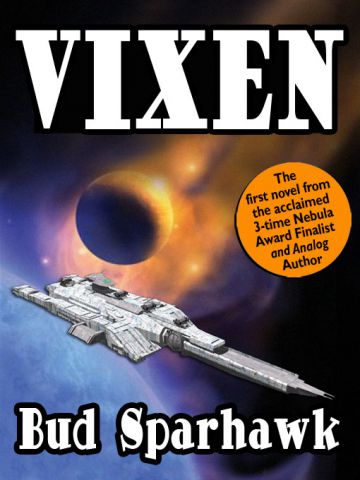
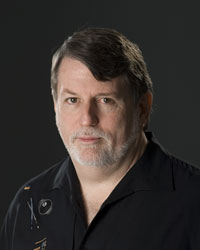
Intrerview with Nebula nominated author Bud Sparhawk

MICHAEL A. VENTRELLA: I’m pleased to be interviewing three times Nebula finalist Bud Sparhawk today. He’s primarily known for his short fiction with heavy and hard science, but also for his humor (in particular his “Sam Boone” series).

Bud, although you have extolled the virtues of outlines, do you think it’s possible to write a great story without an outline?

BUD SPARHAWK: I’m not certain “extolled” is the right word. Certainly I’ve advocated paying considerable attention to a story’s structure – the sequencing of scenes, time frames, and points of view. I don’t think I’ve ever recommended preparing a formal outline where a story is described in detail, point by point.

My own style of writing is to set up the scenes I think the story needs, block in the characters, setting, and time, and then move things around to the way I want to tell the story. Many times I write quite a bit before breaking what I’ve done into key scenes and then add sketch ideas that fill in empty spots. It’s generally a messy back and forth process but it works for me.

VENTRELLA: Have you ever done so?

SPARHAWK: Written a great story or used an outline to write it? All three of my Nebula finalists were done sans outline – just bashing along until they felt complete. I wouldn’t call any of them “great” – entertaining maybe. The one story that I felt was “great” was “Bright Red Star” and which received almost no literary comment, except from David Hartwell who included it in his Years Best SF #14. This story has now appeared in several languages and on audio pubs, which is somewhat of an affirmation. It was my response to some of the hysteria surrounding 9/11.

VENTRELLA: You’ve concentrated almost entirely on short stories and novellas. What is it about the shorter form that appeals to you?

I’ve been blogging about this very subject on budsparhawk.blogspot.com for some time. One of my latest musings dwelled on the differences between novelists and we short people. Although there are clearly differences between the two camps, my conclusion was simply that that some do and some can’t: Temperament, patience, and economic necessity are probably involved in a writers choices, but the mix would vary considerably.

VENTRELLA: Many writers consider short stories to be harder than novels. What is your experience?

SPARHAWK: I don’t think “harder” is the distinction I’d make. Some writers find it impossible to describe anything in a single sentence while I find it difficult to drone endlessly on about anything because I’m always anxious to get to the payoff. In my opinion, brevity always makes a point sharper and I usually edit down to reach that clarity. For example, I recently turned in a 15k piece that was originally 33k in second draft and around 20k in the penultimate one.

When I started writing I could write a 5-7K story in a weekend and once wrote one – “Persistence” – that I later sold to Analog – in an evening. I like to deal with issues or ideas and the short form is ideal for that. Longer pieces deal more with character development or expansion of a situation. I’ve written several as yet unsold novels and have found developing increasing complexity that forces the word count ever upwards tedious, albeit interesting.

Dedicated novelists have told me that they cannot begin a story without discovering that complications arise and they are faced with an irresistible urge to explain, describe, or comment. Then too, other characters come along with their own damn issues, backgrounds, motives and … well, you see how that goes, with the inevitable result is other than short.

VENTRELLA: What usually comes first for you – an idea or a character?

SPARHAWK: The idea or concept, always. I see characters as vehicles that carry the ideas forward, and try to make them eloquent spokespersons for what I try to say.

VENTRELLA: We’ve met at various conventions over the years. Do you enjoy conventions and do you advise authors to attend them?

SPARHAWK: I’m just a ham and enjoy the spotlight, talking to fans, and especially having the opportunity to talk writerish with the other pros. I love the readings, especially by unfamiliar writers to me.

VENTRELLA: What’s your favorite convention experience?

SPARHAWK: The random discussions that arise in the hallways or in the dealers room have be my favorite experiences. I hardly ever leave one of these random discussions without a story idea or two.

VENTRELLA: I meet many authors who have gone the vanity press or self publishing route and then wonder why no one takes them seriously. What’s your opinion on self publishing?

SPARHAWK: The line between vanity and self-published has become very thin. Established writers are self-publishing collections, reverted novels, and even original works – all to take advantage of the opportunities eBooks have created. Some non-professionals (another vague term) have been highly successful with their “vanity” publishing. Results are mixed, but in most cases it seems to depend on the degree of self-promotion one is willing to undertake. Social networking seems key to success for both types.

VENTRELLA: Do you think there is a difference if an already established author self publishes new material?

SPARHAWK: If a writer has already established a reputation, then selling new material via POD or eBook should not be a problem. Otherwise you use up a lot of time, effort, and creative juice that could be used for improving your writing.

VENTRELLA: What bugs you most about the publishing industry and what would you change about it if you could?

The lengthy delays between submission and response, which is an unfortunate consequence of limited staff and/or time available to the publisher. The industry probably needs more underpaid English majors looking for “experience” in the publishing field.

Since most editors now accept electronic submissions I can easily see the day when some maven will design an app that evaluates e-manuscripts on the fly, all tailored to an editor’s preset specifications. That would certainly change the writing game for both writers and editors. Don’t know if this would make the publishers happy or not.

VENTRELLA: What do you like to read for pleasure?

SPARHAWK: Short stories, of course, and mostly SF, but I make an exception for anything by Terry Pratchett.

VENTRELLA: Of what work are you most proud?

SPARHAWK: See above – “Bright Red Star.” Interestingly, I’ve written three more shorts in the same universe, two of which are in McPhail’s anthologies.

VENTRELLA: What are you working on now?

SPARHAWK: I’ve a long novel in penultimate editing, four or five shorts that still need work, and getting as much of my published works into eBook formats as I have time for. The novel deals with the long term effects of human expansion into the universe and what exactly makes our descendants “human.”

VENTRELLA: Fantasy has grown tremendously in popularity over the past twenty or thirty years and now outsells science fiction. Why do you think this is? What is it about fantasy that appeals to readers that they can’t get from science fiction?

SPARHAWK: It is a puzzle that in these days of instant everything and twittering phrases that short fiction does not sell better. Steven King recently observed that much of the popular long form fiction has little substance but does carry the reader along in an engaging, but superficial narrative thread that provides an immersive experience. Summer reading at the beach, in other words. I find that much of the “epic” fantasy fits this description. Clearly, fantasy in general is not my cup of tea, but there are some fantasy works that rises above the rest – like Laura Anne Gilman’s Vineart series.

VENTRELLA: What advice would you give to a starting author that you wish someone had given you?

SPARHAWK: 1. Don’t give up your day job.

2. Put some time aside for writing every day.

3. Learn humility and to accept rejection gracefully.

4. Join SFWA as soon as you can.

VENTRELLA: What is the biggest mistake you see aspiring authors make?

SPARHAWK: Endless rewriting in pursuit of perfection, which can never be achieved. The pursuit of “better” is ever the enemy of “good enough.” A writer should rewrite only until the piece achieves a satisfactory level in their own opinion and, of course, whenever an editor asks.

VENTRELLA: What question do you wish interviewers would ask you that they never do?

SPARHAWK: “Where do you get your Ideas?” to which I respond “a guy in New Jersey sends me two a week for five bucks.”. Ask a silly question …

Seriously though, no one ever asks how the magic is done and the toll it takes on family life, work, and socializing. I wrote for years while holding a fairly demanding job, raising a family, and dealing with the issues of aging parents, yet managed to eke out a few words each night, having them add up to some decent stories and a lot of less than sales worthy. The ideas bubbled up during my non-writing times and, if they were worthy of remembering, finally made it into a story. Truthfully, I have no idea where the ideas come from. I only know how much work it takes to turn them from daydreams to reality.

Interview with author Mark L. Van Name

MICHAEL A. VENTRELLA: Today, I am pleased to be interviewing Mark L. Van Name, who I had the pleasure of meeting at the Arisia convention in Boston recently. Mark has worked in the high-tech industry for over thirty years and today runs a technology assessment company in the Research Triangle area of North Carolina. He’s published over a thousand computer-related articles and multiple science fiction stories in a variety of magazines and anthologies.

How important is it that writers of hard SF especially have a background in science?

MARK L. VAN NAME: There are no hard and fast rules about writing, SF or otherwise. The right good, smart writer can pull off just about anything. You can learn so much via research that not having formal training in an area is no excuse for not learning about it. So, I don’t think it’s vital that hard SF writers have a science background.

That said, I do think it’s helpful to have a solid base in any areas you try to cover in depth. Without that base, you better do your research, because otherwise, you’ll make mistakes, and your readers will spot them.

VENTRELLA: Since all of speculative fiction relies on things that are not, do you think a beginning writer should be wary when writing about things of which they have no experience?

VAN NAME: Wary, yes, but afraid to tackle it, no. You just have to respect the material you’re using. If you haven’t been a fire fighter and want to write about them, reading about their work and talking to some would be a very good idea. Making it up entirely based on what you’ve seen on TV, though possibly better than no research at all, is rarely enough for your work to have the verisimilitude it should.

VENTRELLA: Given your background, are you worried about the growing anti-science attitude we are seeing in much of politics these days?

VAN NAME: Definitely, though I have to say that particular concern is lower on my list than many others, including global climate change, the huge levels of hunger and poverty around the world, our national debt, child soldiers, and many other causes. There have always been groups opposed to rationality, and there always will be.

VENTRELLA: How did you break into the field? What was your first sale and how did it come about?

VAN NAME: My first fiction sale of any type was a short story, “Going Back,” to a now-defunct, small-press, feminist SF magazine, Pandora. My first professional (by SFWA guidelines) sale was a short time later, a story, “My Sister, My Self,” that went to Asimov’s but ended up in their original anthology, ISAAC ASIMOV’S TOMORROW’S VOICES. In both cases, the sale went down in the usual way: I mailed them the manuscript, and they bought it. For the first story, the editors asked that I interview some battered women–the protagonist was one–and then do a rewrite based on what I learned. I did, I learned a lot, I rewrote the story, and they bought it. For the Asimov’s piece, I mailed it, and they bought it. Not very exciting, I’m afraid.

VENTRELLA: Did you get an agent?

VAN NAME: Nope. Only after I’d sold the first four novels did I talk to an agent. I’m not at all convinced that agents help beginning writers sell short stories. More to the point, I suspect that few agents you would want to represent you would take you if you were writing only short pieces, and that’s all I was doing for many years.

VENTRELLA: Tell us about the Jon and Lobo series!

VAN NAME: Talking about a multi-novel series is a lot like describing a multi-course meal of experimental cuisine: whether you focus on the individual dishes or the overall meal, you’re bound to miss a lot. I’ll try it a bit from both perspectives.

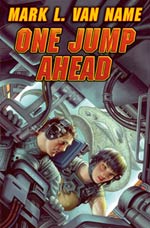
The overall series is a future history that I tell from the first-person perspective of one man, Jon Moore. I’ve always found history more interesting when it comes directly from the people who were there, so I wanted to chronicle a very important time in humanity’s far future–I’m writing about a time roughly 500 years from now–but limit myself largely to what Jon can see and experience. Of course, he’s a most unusual man, as far as he knows the only nanotech-enhanced human alive, so he naturally ends up in quite a few interesting situations. In the first novel, ONE JUMP AHEAD, he meets and becomes first the owner and then the friend of Lobo, an extraordinarily intelligent assault vehicle that can go anywhere–on land, under water, in the air, or in space. Over the course of the many books the series will take to complete–I’m estimating about eighteen, but that’s just an estimate–the characters and the universe will undergo many significant changes.

On an individual book level, each part of the series is simply a novel that should stand entirely on its own. You can pick up any book in the series and enjoy it. You can read them in any order. If you read them all, however, and further, if you read them in order, then you should have a richer experience. I’ve talked to lots of readers who’ve joined the series several books in, and so far, all of them have been able to enjoy whatever books happened to be their starting points.

VENTRELLA: You like to attend science fiction conventions. Are they really worth it, given the expense?

VAN NAME: I have no clue, because hard data on the sales value of cons–or blogs or pretty much any other marketing tool–is almost impossible to get. That said, I don’t go simply to increase sales. I attend cons to be part of the community, to see friends, visit new cities, eat at good restaurants, and so on. You can’t be sure you’ll boost your sales, but you can be sure to see friends and have an entertaining time.

VENTRELLA: What’s the funniest experience you ever had at a convention?

VAN NAME: I’ve done a lot of humor panels at cons, and I’ve done stand-up comedy/spoken-word shows, so that’s a tougher question than you might imagine. Certainly one of the funniest hours I’ve spent was listening to my friend, Lew Shiner, give a talk on humorous mimetic short fiction at a long-ago Disclave at which he was the guest of honor. He delivered the entire thing in very scholarly style, but it was just an excuse to tell a ton of jokes–which he did, brilliantly.

VENTRELLA: What process do you use in order to make believable, realistic characters?

VAN NAME: I don’t see that process as separate from the overall writing process. I sit down to tell a story. The story becomes very real in my head, because I spend a great deal of time living in the world of the story. The story includes people. I get to know those people. Like any other folks, they behave the way they do because of who they are. If I try to make a character do something that she or he simply wouldn’t do, it feels bad, wrong, as wrong as it would feel if a friend suddenly behaved completely out of character. I listen to those feelings. I write the story. The characters behave as they would. That’s about it.

I should probably clarify that I’m not one of those writers who believes his characters are real humans. I know they’re not. I know I control them. I know I could make them do anything I want. I also know, however, that doing so, that violating a character’s identity simply for the sake of a plot, would be bad craft. I don’t want to do that.

VENTRELLA: What is your writing process–-do you outline heavily, for instance?

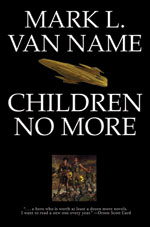
VAN NAME: I generally outline, but how detailed the outline is varies widely. For a thriller, FATAL CIRCLE, that I’m partway through and hope one day to finish, I had to do some research in key areas and consult with some experts. The result was a very detailed, very long outline–over twenty-six thousand words, a quarter of a typical novel. For CHILDREN NO MORE, I went with an outline of barely three thousand words. I outline to the level I feel necessary before I’m ready to start writing the book, and then I write.

I do some writing work every day. That’s been the key to changing me from someone who sold a story every few years to someone who has multiple novels out. I don’t, though, have a word-count quota. I avoid that sort of goal because it’s so easy to fail at it, and I hate failing. Instead, I have a time requirement: I must devote at least half an hour a day solely to writing work. As long as I’ve done that, I’ve succeeded. Most days, I do more. Most days, I get a fair number of words on the page. Some days, I produce very few. As long as I’ve tried for half an hour minimum, I call it a success.

VENTRELLA: What do you see as the future for printed books? For book stores?

VAN NAME: I love books. I really do. My house is full of them. They’re everywhere. Sadly, I believe the printed book is going to become a minority taste. I’m not sure if the transition will take ten years or fifty, but I believe it’s coming. That said, in the fiction world, books are containers for stories, and ebooks are simply other containers for stories. Similarly, I believe bookstores will continue to exist, but they will evolve, and in time their numbers will shrink. I will hate that, because I love bookstores almost as much as I love books.

I hasten to add that I don’t see any of this as the demise of writers or of people paying for stories. They’ll just pay for those stories in other forms.

VENTRELLA: What’s your opinion on self-publishing?

VAN NAME: Rather mixed. I write a blog, so in a sense I self-publish. I sell all my fiction, however, to traditional publishers. I know that some writers can make a great deal of money self-publishing, but being a publisher is a lot of work, and most of that work is not writing, which is what I most want to do. So, for me, selling to a publisher remains the way I hope to continue to bring my fiction to the market.

I also expect most people who self-publish are unlikely to make a lot of money doing so. The sales and marketing experience that a publisher brings to its job helps make each writer a brand–some obviously much bigger brands than others–and it’s hard to manage that feat on your own. Plus, self-publishers have to be good enough at analyzing their own work to know when it’s of publishable quality. I’ve read some who are indeed good at that job, but I’ve also read many who are not.

Like so many things, if others want to do it, I wish them the best. For the most part, though, it’s not for me, at least not now. I add that last bit because even for those of us who work in the future every day, it’s pretty darn hard to predict.

VENTRELLA: With a time machine and a universal translator, who would you invite to your ultimate dinner party?

VAN NAME: I agonized over this question for months. In fact, it’s the biggest reason I’ve been so late getting this interview back to you. I really took the challenge seriously, and I found I simply couldn’t come up with a single ultimate dinner party. I won’t let myself cop out completely, though, so I’m going to give you, in no particular order, a few that particularly caught my fancy.

Each on his own, just so I could focus exclusively on him: Homer, Shakespeare, Keats, and my biological father, whom I’ve met only once for a couple of hours.

My mother as a young woman, but with someone standing by to knock me out if I started to give away the future.

Several women I care about deeply, each alone, each as a young girl, just so I could see who they once were.

I could go on and on, but one thing is clear: I’d be greedy, going for one-on-one time rather than organizing a group.

Interview with Author Tee Morris

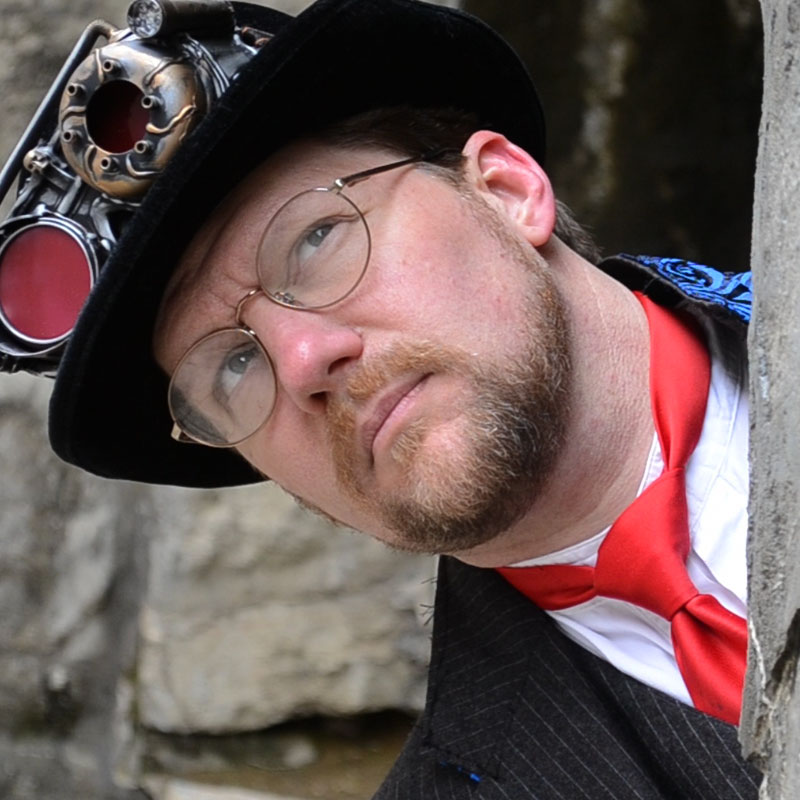
MICHAEL A. VENTRELLA: I’m pleased to be interviewing Tee Morris today. Tee grew up very near me in Richmond, Virginia yet we never met until a few years ago at a convention. His web page is TeeMorris.com.

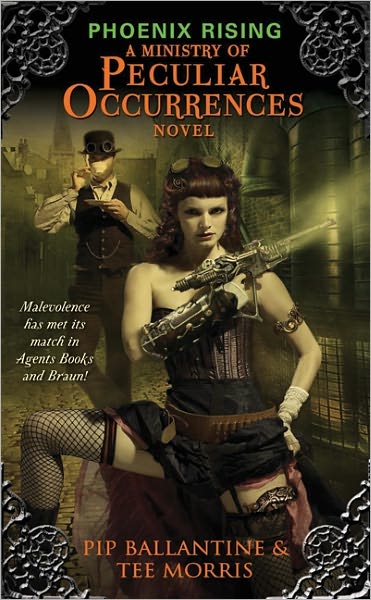
Let’s start by discussing your latest book, which will be first in a series –- PHOENIX RISING: A MINISTRY OF PECULIAR OCCURENCES NOVEL. How did you decide to collaborate with Pip Ballentine?

TEE MORRIS: It was a bit of arm-twisting on Pip’s part. I had a bad experience with co-writing, and my co-author really put me in a precarious position that completely ruined our friendship and professional relationship. So I was quite gun-shy. Pip eventually talked me into a compromise: we would write a podcast-for-pay idea. Unexpectedly, someone contacted Pip’s agent on this “steampunk idea” she was working on, I was then picked up by Pip’s agent, we changed focus and then we got to work on what would become PHOENIX RISING.

I still can’t believe we put this puppy together and are now, presently, closing in on the sequel’s climax.

VENTRELLA: Was there a conscious decision to write a steampunk novel because of current interests in steampunk for business reasons?

MORRIS: Actually, no. Steampunk was a conscious choice, but it was because we wanted to write it.

I first discovered “steampunk” back in 2006 and found it fascinating. I wanted to write something in it, but I didn’t want it to be a knock-off of what I had already read and seen. There’s a lot of cool things to explore in steampunk, and the more I delve into it the cooler it gets. There are authors who are riding the steampunk train to capitalize on its rapidly-growing popularity, but Pip and I wanted to do something we were sincerely drawn to, and steampunk really appealed to us.

VENTRELLA: How much should a writer consider the market when deciding what to write?

MORRIS: The writer should look at what is selling when they want to begin pitching to agents and editors. However, you really should consider how good of a product you are going to produce if you simply write to what’s hot. I’ve seen authors do that, and the writing comes across as trite. If your heart isn’t into it, the reader will assuredly pick up on that. At present, I won’t write a werewolf-vampire-Buffe-Blake urban fantasy because I have nothing new to offer to that market. If I tried, it would probably insult readers of the genre and do a lot of damage to my career.

Sure, look at the market, but don’t try to force a story to happen. That can backfire and really damage a career.

VENTRELLA: How did your collaboration work?

MORRIS: Believe it or not, writing across hemispheres was very productive. Whenever I slept, Pip wrote; and when Pip was asleep, I was writing. Literally we got in 24 hours of non-stop writing. This is one reason why, with Pip working on relocating to the Americas, our word count has taken a hit.

The downside was that we had small windows of time when we could discuss the book. We couldn’t bounce off ideas when we had them, and discussing problematic moments were…well, problematic as we could only do that for a small window of time between hemispheres. Still we managed, and we now have a pretty solid workflow at home.

VENTRELLA: How did you interest Harper? Did you have an agent first? Was the novel completed and then submitted or did they accept a proposal?

MORRIS: The Harper Voyage deal is all due to Laurie McLean, our Super-Agent. What happened was Pip’s write-up in Locus Magazine took an interested party to her website. When they saw she was working on this steampunk property with me, they immediately asked “When could we see it?” So I signed on with Larsen-Pomeda Agency and then we got cracking. The “interest” didn’t really kick in until someone made an offer. Literally, within 24 hours, there was a bidding war (from people who had initially passed on it), and then the wildcard — Harper Voyager — stepped in and said “We want it. Badly.”

The rest is future-history.

VENTRELLA: How are you promoting this book?

MORRIS: Pip learned a lot of new promotion tactics when working with ACE and GEIST. Between our previous experiences with Dragon Moon Press, we’re simply incorporating years of what has (and hasn’t) worked, and creating a plan:

1. The “Tales from the Archives” Podcast. This is the first volume in what could be a continuing series of short stories set in the world of The Ministry of Peculiar Occurrences. We’ve been having a blast with this, watching really talented authors like Valerie Griswold-Ford, Nathan Lowell, O.M. Grey, P.C. Haring, and many others produce original steampunk of various moods. We’re only a few episodes in, and people are really enjoying these works.

2. The Book Trailer.

People have really mixed opinions about book trailers and whether or not they sell books, but I argue that it really does depend on the book trailer. This one was particularly ambitious as we were creating original footage as opposed to working with stock footage as I did with Pip’s Geist trailer (which I edited together). We have been getting a terrific response from it with over 1000 views on YouTube and over 500 shares on Facebook in just over a week. It’s also a great way to get the word out about the book. How will it equate in sales? We don’t know, but it is helping in letting people know what the book is, or at least what the mood of our book is.

3. The Ministry Blog and Podcast Tour. As you see here with your blog, Michael, and others online, Pip and I started writing guest columns and interviews not only with podcasts (which really worked well for us back in August 2008 when we hosted “Double Trouble” online) but with blogs as well. Pip found that work with bloggers — book reviewers, authors, and others — cast our net a little wider than the podosphere. We’re reaching new people who show a little more faith and trust in their book blogs than they do in the mainstream media book critics. (Something we find very telling.)

4. Ministry May-hem. The month of May is when we start with the push of live appearances. It begins on April 30 (Not quite May, but close enough) with a stop at Borderlands in San Francisco. Then on May 7th we return to Staunton, VA (where we filmed the Ministry trailer) at BookWorks, and we will be wearing our steampunk best. May 11 we head up to Harrisburg, PA for a Watch the Skies meeting. Again, we’ll be in our steampunk best. Then May 20-22 is the Steampunk World’s Fair in Sommerset, NJ. We close the May-hem with Balticon May 27-30.

June … we’re going to have a wee rest.

5. Buttons, stickers, bookmarks, and postcards. You can never go wrong with freebies.

Pip and I have learned over the years that the key months of promotion should be the month before a release (keeping it fresh in people’s minds), and then two months after the book’s release (as it has that “new book” smell). If after June the book hasn’t “caught on” it probably won’t. You can still promote and still pimp, but it’s “old news” after that.

For Pip, though, she’s got SPECTYR (the sequel to GEIST) coming at the end of June, so there will be some serious gear shifting during the May-hem. Rather appropriate, now that I think about it.

VENTRELLA: This is your first novel with a major publisher (if I am not mistaken). What differences have you found between Harper and Dragon Moon? (And why do so many small publishers have “Dragon” in their name? My publisher is Double Dragon. Maybe they should merge and become Double Dragon Moon.)

MORRIS: Apart from the advance (which is a mixed blessing in itself), the distribution (which is a blessing no matter how you look at it) and the layout of the book (which I did for myself quite often because I liked that), there is still a “team” feel about working indie and working corporate. I have noticed with Harper Voyager that our publicist is also working hard to get our names and book out there to critics and media outlets, both traditional and new. Having that kind of support in publicity has been very nice! Dragon Moon and I did a lot of great things together, but distribution was always a challenge. I grew as a writer, and they gave me my first opportunity. A lot of terrific things happened to me because of it.

Harper Voyager is not my first orbit around the Moon, but it is definitely my “small step” and “giant leap” into what I hope will be my writing career.

VENTRELLA: You travel to many conventions to promote your books. Do you advise aspiring authors to attend these things? What do you get out of these conventions yourself?

MORRIS: Something else that I have learned in my years as a writer is really, really listen to what other authors have to say. (Both good and bad, when it comes to advice.) Perhaps one of the most important nuggets of know-how I got was from Hugo/Nebula/Aurora/insert-SF-writing-award-here winning author Robert J Sawyer:

“When you get an advance, don’t spend it. That advance is your marketing and advertising budget.”

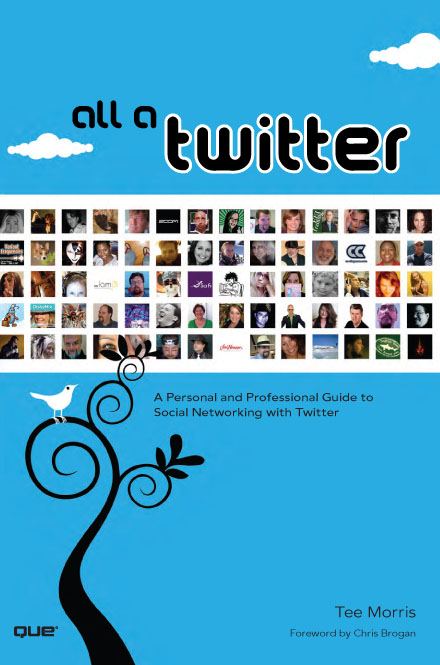
I was traveling without an advance as my budget, and pushed myself several of thousands of dollars into debt. Even when I was writing books like PODCASTING FOR DUMMIES and ALL A TWITTER, I was already so deep in the red. People across the country had my books in hand, sure, but I was broke. Part of the problem was poor financial planning. When I got out of that debt, I plan events very differently now.

Don’t get me wrong, I love going to these conventions. I love talking shop, meeting other authors, and talking to other fans, not just about what I write, but about other geeky things like Firefly, Eureka, and steampunk. I dig that. But as I mentioned on my blog, these conventions are not cheap. I get invited to a lot of cons, but unless some of these costs are offset, I can’t go. In my early days/years, I would never make claims to have cons offset my costs. However, I have to make it a point of asking now as it’s just not that easy for me financially. I think cons are great for authors, provided you are smart about which cons you are going to attend; and more importantly, what you can afford.

VENTRELLA: How has the publishing industry changed since you entered it?

MORRIS: Well, there’s the e-book market for starters. The whole e-book movement has really been fascinating to watch. I think with the development of the ePub format, the elegance of iBook and the Kindle, and the affordability of digital books in comparison to hardbounds, the e-book is coming into its own. The publishing industry is now being forced to adapt, and I think many publishers are on top of it.

I’m also noticing over the year a growing animosity between writers and publishers, more of it coming from writer. There’s a mentality of “Us vs. Them” which rings hollow when I hear writers say “We understand it’s a business.” I’ve always regarded my career as a business, and I can only hope that I’m still writing when my child is in college. Harper Voyager have asked a lot from Pip and myself, but we are all working together to make the best book possible. If the book is a hit, it’s a win from everyone involved. That’s why I’m a little put off by that argument.

Something I have noticed, too, is that misconception of “writers just writing and letting someone else handle promotion as that is someone else’s job” is finally dying out. Even older authors have recognized the power and potential in podcasting, blogging, and social networking. Writers have needed to become Swiss Army Knives, wearing many hats and building up neck muscles in order to support them all. We have to look beyond “the end” and work with our publisher and the public to make our upcoming titles meet their potential.

VENTRELLA: What is the biggest misconception beginning writers have about the craft?

MORRIS: The biggest misconception (apart from the one mentioned in the previous question) is the editor is out to “ruin” your work. Only bad editors tell you something like “Change it, or else.” An editor’s job is to make your good book a great book, and in this process help you become a better writer. Again, it’s a team effort. And when you do have a point of contention, you have to defend your choice with facts and resources backing up your facts. Simply saying “because it is cool” doesn’t cut it. I am thankful for every editor I’ve had, and I am a better, smarter writer because of them.

VENTRELLA: What is the biggest mistake you see beginning writers make?

MORRIS: Superiority complexes. I’ve seen this in both writers with big and indie houses and it sickens me. A byline doesn’t make you any better a person. You just come across to people as a right jerk …with a byline. Maybe fans would “look away” once upon a time, but that kind of behavior can affect your sales. It can also make you a real leper amongst your peers. And even with books, awards, and movie deals (if you are really blessed) behind you, try and keep your head on straight. This ride can end at the drop of a bowler hat. I know that. So, I do what I can to be the best person (who just happens to have a byline) I can be.

VENTRELLA: What’s your next project?

MORRIS: My next project is a steampunk reboot of MOREVI. I love the story and I love the characters of MOREVI; but as it is, MOREVI is not ready for the mainstream press. It needs a rewrite. It needs a new direction. And it needs, for the love of God, to lose the elves. Those were my co-author’s touch, and I’ve hated them since the original printing.

I don’t have a problem with elves. They’re like Vulcans with better tailors. I just felt like they were not a good fit with MOREVI, and I think a complete reboot with Rafe taking to the skies and the region be China. (Still kicking around ideas, you know.) It would be something like Battlestar Galactica, only without so much gender bending.

me&tee

Interview with Publisher Deron Douglas

MICHAEL A. VENTRELLA: Today I’m interviewing Deron Douglas, publisher of Double Dragon Press, the largest science fiction and fantasy e-publisher in the world (and, I might add, the publisher of my books). Deron, is that claim based on the number of books you have available, the most sold, or what?

DERON DOUGLAS: Hi Mike, it’s based on both numbers… sales and number of editions available for purchase from DDP and all our retailer sites worldwide. However, it is a fluctuating number as well.

VENTRELLA: What is in your background that made you want to start Double Dragon?

DOUGLAS: I’ve been involved in the publishing industry, in various aspects for about 25 years. I’m also an avid Science Fiction and Fantasy reader from when I was a kid. About 10 years back I purchased one of the first ebook devices on the market called the Rocket eBook (I still own 3) and found that there weren’t very many titles that I would enjoy reading myself. After further investigation into the technology it “clicked” that I had the personal experience and technical ability to pull it off.

VENTRELLA: Have your standards changed over the years? Now that DD is doing better, are you being pickier with which manuscripts you accept?

DOUGLAS: We’ve always had high standards, but like everyone else are restricted by our submissions pool. But generally I like to select titles that I find interesting and diverse; something that I would want to read myself.

Yes, as the submissions pool gets larger we find that we can select more carefully based on market trends and an author’s current readership base.

VENTRELLA: What is the biggest mistake that aspiring authors make when they submit their work?

DOUGLAS: In a lot of cases they do not bother to read the guidelines or take the time to find out what we publish. Double Dragon Publishing is essentially a Science Fiction and Fantasy publisher, but I still have people sending me relationship books, autobiographies etc. If an author does happen to read the guidelines and are submitting within the right genre, they neglect to send their best possible “polished” work. We edit all titles before they are published, but we won’t accept a title that is still in the development stages and requires massive rewrites.

VENTRELLA: What do you personally like to read?

DOUGLAS: I like science fiction with a time-travel, time paradox sort of twist, as well as “steampunk”, alternate reality, divergent societies sort of stuff.

VENTRELLA: You’ve recently begun to expand a bit and publish other genres. Tell us about that!

DOUGLAS: Actually, from the start we accepted everything in all genres, over time we found what sells and what doesn’t. But occasionally I’ll accept something that is “out there” because it’s well written and I’m curious as to how it will be responded to by our readers. But maybe you are referring to our sister imprints, Carnal Desires Publishing and Blood Moon Publishing? Each is dedicated to a genre that we felt was growing to a degree that it deserved its own identity and staff.

VENTRELLA: You’ve been able to lure some fairly famous authors to DD for their e-books. How has that worked out?

DOUGLAS: It’s worked out very well for us. The things take seem to be common to all is that they’ve heard our reputation for a very expansive eBook distribution network, fair methods of working with authors and our “professionalism”.

VENTRELLA: Most of the paperbacks you publish are print on demand. Do you see a future where you would have regular print runs?

DOUGLAS: No, not at all. In fact I can see a near future where we will be phasing out paper book completely. Last fall (2010) is was reported by Amazon that eBooks were outselling “hardback” books on Amazon. This year in Feb It was reported by Jeff Bezos (CEO and Chairman of Amazon), that eBooks are now outselingl paperbacks. People tend to forget that Double Dragon Publishing is an eBook publisher and has always been, and as a result we are well positioned to take advantage of this huge market. After all, we are one of the pioneering ePublishers and have been involved for more than 10 years.

VENTRELLA: How do you publicize your books?

DOUGLAS: Currently we release between 100-120 titles per year, as such we are unable to publicize every title ourselves. We depend upon the author to promote themselves and build a base of readership. After all, if they leave DDP they will take this base with them. But we also provide venues of promotion such as out blog at blog.double-dragon-ebooks.com, Facebook, etc. We also provide a forum where new authors can discuss methods of publicizing themselves with other seasoned veterans.

VENTRELLA: Do you see e-books as the future? Is this good for the industry?

DOUGLAS: Ebook have taken off from where they began 10 years ago, it seems every major manufacturer is now building an affordable ebook device that allows the seamless purchasing of titles almost anywhere in the world. Yes, I think ebooks have a future and think they are also good for the industry. But the industry will change, portions such as paper book production services will die off. But eBook conversion services will sprout, are sprouting in fact.

Interview with Author Tracy S. Morris

MICHAEL A. VENTRELLA: Today, I am pleased to be interviewing author Tracy S. Morris. She is the author of the Tranquility series of urban fantasy mysteries. The most recent, BRIDE OF TRANQUILITY, is a murder mystery set in a haunted hotel during a Renaissance wedding. She’s also published a number of short stories. Her web page is here.
Hi Tracy! Tell me a little bit about yourself!

TRACY S. MORRIS: I’m a professional writer, so I spend most of my days in front of my home computer in my pajamas. My specialty is service journalism in the gardening industry. Which is a fancy way of saying that I write “how to” articles that deal with topics like compost, animal manure and growing the perfect tomato. I like to call that “living the dream.” Although it probably means that I’ve got no life.

I’m also a retired newspaper photographer/reporter. On my best day, I got to shoot the president (with a camera) which probably put me in the crosshairs of a secret service sniper. On my worst day, I was suspended off of the back of a speedboat in freezing weather and driving sleet to get a picture for a news story.

I got to do some very interesting things in that job. I had a ride in a hot air balloon. I had the best seats in the house for every major sporting event. But I also had no life, no predictable schedule. And after the day with the speedboat in the sleet, I realized that there has to be a better way to make a living. Which is why I now work at home in my bathrobe.

When I do leave the house, I’m a shooting enthusiast, a martial arts black belt and a former fencer. I’m a history buff and I’ve spent some time in the Society for Creative Anachronism, which is a group that recreates history from Roman times through the late-renaissance (the boundaries are nebulous and basically cover anything that other history groups don’t cover.)

VENTRELLA: What’s something unusual or different about you that your readers probably don’t know?

MORRIS: That’s a tough one to answer. I’m pretty transparent about my life, so there isn’t a lot that my readers don’t know about me.

I like to collect antique cameras. The collection is mostly thanks to my dad, who likes to go to garage sales. I asked him to be on the lookout for antique cameras for me. So he used to pick up any old camera he saw at an auction. I have several antique bellows cameras, a couple of twin lens reflex, some very nice medium format box cameras and two or three Brownie Hawkeye still in the box. He even bought me a couple of necklaces with camera charms. Eventually I hit a point where I had no more room for them and I had to ask him to stop buying them for me.

The one camera I want most that I don’t have yet is an old Speed Graphic press camera. One of these days I’m just going to cave in and buy one on E-Bay or something.

VENTRELLA: Your “Tranquility” series seems to combine a number of different genres. How did this come about?

MORRIS: Tranquility really grew out of something I was writing for fun. Because of that, I didn’t try to stick with a formula or say “I’m going to make this just a mystery. Or just an urban fantasy. Or just a horror. I was writing for me, so I made it about the things that interested me.
I grew up on a family farm out on the border of the Ozark mountains. My family lived in that region for four generations. When I was a kid, I read a few too many bigfoot stories. So the things that scared me weren’t the monster under the bed. It was whether there was something out in the dark woods out past the barn. That’s where the horror element from Tranquility came from.

I wanted to write the book as a pure horror, but I also have a skewed sense of humor which kept slithering in. One of the major themes that appeared in the book grew out of my reaction to moving home and really seeing the oddities in my small town for the first time. This made the book feel much more like the TV series Northern Exposure, or possibly the Disney Cartoon Cars with that ‘city slicker comes to the country and discovers that it’s a pretty great place’ theme.

By the time that I finished writing the book, I finally embraced the notion that my natural writing voice is humor instead of horror.

TRANQUILITY was nominated for a Darrell award, and placed runner up in 2006. At the awards ceremony my publisher asked when I was going to give her the second book. When I sat down to write it, I decided to make it as fun and absurd as possible. So I threw in everything but the kitchen sink.

The second book in the series, BRIDE OF TRANQUILITY, came after I had been through the process of helping to plan and put on four weddings (Two of them the same year.) I had dabbled in wedding photography by that point, and I had some sarcastic, slightly cynical views about the business side of the wedding industry.

So I thought ‘what’s the worst thing that can happen at a wedding? How about a murder? What’s the worst thing that can happen in a murder investigation? Why not a killer who can move around the hotel through secret passageways – phantom of the opera style? What about if all of the hotel guests mistrusted the investigator and wouldn’t talk to him? Why would they do that? What if they were conspiracy theorists?

VENTRELLA: Do you think that not fitting into one genre made it a harder sell to editors (and the public)?

MORRIS: I didn’t actually have to sell the series. Which is almost embarrassing to admit, since so many other authors have tales of sending a novel out to 45 agents and 20 publishers before gaining acceptance. I sold TRANQUILITY to Yard Dog Press because I was friends with the publisher. When I was outlining the novel, I told Selina Rosen, the editor about this new project that I was excited about. She asked me to send it to her when it was done.

BRIDE has been easier to sell to the fans, because I have a catchy summary that makes the book sound fun. Where else would you be able to read a murder mystery set in a haunted hotel during a Renaissance wedding?

VENTRELLA: I note that they are from Baen Books in e-format but Yard Dog in paper. How does that arrangement work?

MORRIS: Yard Dog Press does not deal in e-books, so they did not contract those rights. But the publisher has a working relationship with Baen. (Baen bought the e-rights to Selina Rosen’s Misha Merlin titles as well as the Sword Masters series from Dragon Moon Press.)

Additionally, Baen had just bought the E-Rights to another popular Yard Dog Press series, The Four Redheads of the Apocalypse.

Since I already had a working relationship with Baen, Selina suggested that I offer the E-rights to them. I could have put out the E-books myself through Amazon. Authors such as Jim Hines have done that with great success. Another Yard Dog author, Margaret Bonham has put her Yard Dog Press epic fantasy novel Prophecy of Swords out that way. Since then her title has reached the top 10 in epic fantasy e-book category for Kindle.

But Baen brings with them a new audience of readers that I might not reach otherwise. That is very exciting to me.
(By the way, through the month of December 2010, if you purchase either TRANQUILITY or BRIDE OF TRANQUILITY in trade paperback from Yard Dog Press (Direct from the publisher, not from Amazon), I’ll send you a free preview of the first two chapters of the next Tranquility book that is now in progress, which is tentatively titled IT CAME TO TRANQUILITY.

The links to these books on Yard Dog Press are: TRANQUILITY and BRIDE OF TRANQUILITY.

Baen is also running a special on the E-Books. Until January 1, 2011, you can order both TRANQUILITY and BRIDE OF TRANQUILITY along with the books in the “Four Redheads of the Apocalypse” series as a Yard Dog Press bundle for $20.

You can order the E-Books at: http://www.webscription.net/m-9-yard-dog-press.aspx)

VENTRELLA: How did you make your first sale? Did you have an agent?

MORRIS: I still don’t have an agent. Instead I’ve made every sale I have the old fashioned way — by researching markets and sending manuscripts out.

My first sale was to an anthology called OCTOBERLAND that was put out by Flesh and Blood Press. It was a story entitled “Frost King” that I had basically written and rewritten multiple times.

I sold the story exactly the wrong way. It had been the first short story that I ever wrote, I made revisions with the help of an English teacher and then put it in a drawer through my college years. Once I decided to pursue writing again I started sending it out. Every time It was rejected I rewrote it using suggestions that the rejecting editor provided me. Eventually after 12 rewrites over 4 years, I sold the story.

That same week I also sold “Attack of the Godless Undead Zombies” to Yard Dog Press for one of their “Bubbas of the Apocalypse” anthologies. That story was written in the space of two days. I turned it in to Selina Rosen after my husband gave it a single editing pass.

Today I try to get a story to the point that I am happy with it before I send it out instead of changing it with every rejection. I feel much happier with the end result.

VENTRELLA: I have a short story that I can’t seem to sell, as it hardly fits into any specific genre. What advice do you have for me (and other writers reading this) for finding the right editor?

MORRIS: Before you do anything, consider your goals. Do you want to sell a story you are unhappy with for the sake of having a sale? Or do you want to have the best body of representative work you can possibly produce?

If you just want the sale, then rewrite the story along a formula so that it fits into a single genre. But if you are happy with the story as it stands, put it aside until the right editor comes along.

My personal choice would be the second option. I have been writing and reading speculative fiction for 20 years and I have seen genre conventions change drastically over the years. I never thought I would see the day that Jane Austen and Zombies were used in the same genre. I have ‘trunked’ perfectly good stories because they didn’t have the right market, only to have the perfect market for the story come along two years later.

If you change your work into something that you dislike just to make a sale, you may end up with a ‘representative body of work’ that you are unhappy with.

Also bear in mind that compared to novels, short stories are very quick to produce. You can have a short story written within a few days. So if you can’t find a home for one, you can set it aside and devote your attentions to creating and selling a new story.

VENTRELLA: You have two short stories in Baen’s online magazine “The Grantville Gazette”: “Still Life with Wolves and Canvasses” and “A Study in Redheads.” Do you think that online publications are the wave of the future?

MORRIS: Don’t forget about my co-writer for those stories, Brad Sinor.

A few months back Amazon began selling more electronic books than print books. This has a huge impact on magazines. Particularly since the publication business model is not the same as the book business model.

Most print publications don’t get their revenue from selling copies of their magazines. Instead they get revenue from ad sales. So a magazine like Fantasy Magazine once could leverage their sales numbers to attract advertisers. Fewer people are going into stores where these magazines used to sell. Instead, readership is online now.
You are already seeing more magazines online. There are several business models out there. Daily Science Fiction is delivering a story a day directly into my in box. The Grantville Gazettes require a subscription to access their online content. Fantasy Magazine has complete stories up for free with ads in the margins. Clarkesworld offers free content online, but sells their magazine with additional content through Kindle and has occasional donation drives.

When the dust settles, I think the most profitable business model will be the one we see copied.

The thing I admire about what Grantville Gazette is doing is that they are building a community around their 1632 franchise. There are the novels with the bigger name writers. But there are also message boards where fans can interact and have an impact on the storylines. Baen has an entire section devoted to the tech of the 1632 universe where experts (and there are plenty of qualified experts) can hammer out the science of the universe.

If someone wants to submit a story to the Grantville Gazettes, the story is put up on a closed message board where the Grantville fans can pick it over for conflicts with the universe timeline or the science. The author can make the changes and if the story is accepted, the same fans will buy the content.

Eventually, the ‘best of’ stories are the ones that get released in the print anthologies. Which also are bought by the community members.

Business-wise, this is smart. This is what made Dr. Horrible’s Singalong Blog such a success: Joss Whedon has an intensely loyal community that is willing to follow whatever he does.

This is also why celebrities such as Wil Wheaton, and internet celebrity Author Cleolinda Jones do so well with self publication. They’ve built a community of readers who are willing to follow what they do.

VENTRELLA: “Fish Story” is a short story you wrote which appeared in STRIP MAULED, an anthology edited by Esther Friesner. Tell me about that!

MORRIS: “Fish Story” involves a couple of characters that have been living in my mind for a while. Back when Laurel K. Hamilton and Jim Butcher first began publishing urban fantasy, I had a thought that it might be fun to write someone who would live in an urban fantasy world but eschewed magic. How would that person survive if they lived as a sort of magic conscientious objector?

The adventures I wrote were another example of a hard-to-sell genre mashup. I write funny third person. The urban fantasy of that type seems to take itself very seriously, and usually follows the noir detective novel conventions of first person point of view.

The characters are a good example of an idea that was trunked because of a lack of market, only to have the market return. I had an early story with the characters published in a magazine (now defunct) entitled “Whispers from the Shattered Forum”. After that, the Noir Detective novel in the Urban Fantasy market seemed to be dying.

Then TWILIGHT revived the interest in Urban Fantasy Vampires, which always seem to pull readers into the Noir Detective Urban Fantasy novels. And then along came a couple of great TV shows like “Supernatural.”

Prior to selling Fish Story, I sold a short story with these characters entitled Homo “Homini Lupis” to an anthology entitled WOLF SONGS, which was put out by Wolfsinger press. I recently finished a novel with the characters that is based on the plot to this short story.
Then Esther Friesner launched her monsters in suburbia series. The anthologies are open by invitation only. But through a mutual friend I was able to ask her if I could submit a story for consideration for her werewolf-themed anthology. I was very surprised when the story not only made it into the anthology, but was put up on Baen’s website as one of the free preview stories.

I also submitted a story to her for the vampire-themed anthology. But the competition for inclusion in that anthology was a bit stiffer, and I didn’t end up being selected.

VENTRELLA: Would you advise beginning authors to concentrate on getting short stories published first?

MORRIS: There is a huge difference between publishing a short story and publishing a novel. About 15 years ago the accepted career path was to build name recognition through short stories and leverage that to secure a novel contract. Today that wisdom doesn’t hold true. You can get a contract with an agent, or sell a manuscript to Tor or Baen if the novel is good regardless of what your name is. Conversely, you can have a big name in short stories and if your novel isn’t good enough, you won’t be able to sell it.

My advice is to concentrate on honing your craft in the medium that you want to be published in. If you want to write short stories, that’s the area you should focus in. If you want to write novels, start there.

VENTRELLA: What is your opinion on e-book publishers and Print On Demand?

MORRIS: Each publisher is different. Do your homework and contract with a respectable publisher. One good resource is SFWA’s Predators and Editors website.

VENTRELLA: How about self-publishing?

MORRIS: Rule #1 of Self-Publishing: Thou Shall Not Fooleth Thyselfeth.

First thing you must understand is that publishing a book yourself does not put you into the same league as Stephen King, J.K. Rowling or Danielle Steele. You won’t be rolling in piles of money. Nor will you spend your days poolside with a laptop, eating bon bons while you compose deathless prose.

Writing is a business. Publishing is doubly so. You will be responsible for selling the books yourself, handling the details of distributorship and all promotional marketing (these things that publishers normally do).

Additionally, you must overcome the stigma attached to self publishing. Self publishing (from what I’ve observed) is like swimming upstream against a tide of professional ostracism. In the eyes of many professionals (authors, editors, publishers, book sellers) your book lacks the quality editing work that books published with an established house have.

Promotion will be more difficult because many reviewers will give your book less priority than a book sent by a professional house. Science fiction conventions will give preferential treatment to writers who have books with professional houses. If you do manage to get paneling, you may be treated with hostility or veiled contempt by authors with credits through traditional publishers.

There are a number of authors who have been successful with self publishing. Most of them know to treat the business of writing and publishing like a business. Many of them establish a fan following through other means, and dabble in self publishing. Others have an established fan following through traditional publishing that follows them into the self publishing realm.

VENTRELLA: I assume you have cats. (Don’t all writers?) Am I wrong?

MORRIS: No cats. I am owned by two very lazy dogs. When I’m not writing, my job is to cater to their every whim.