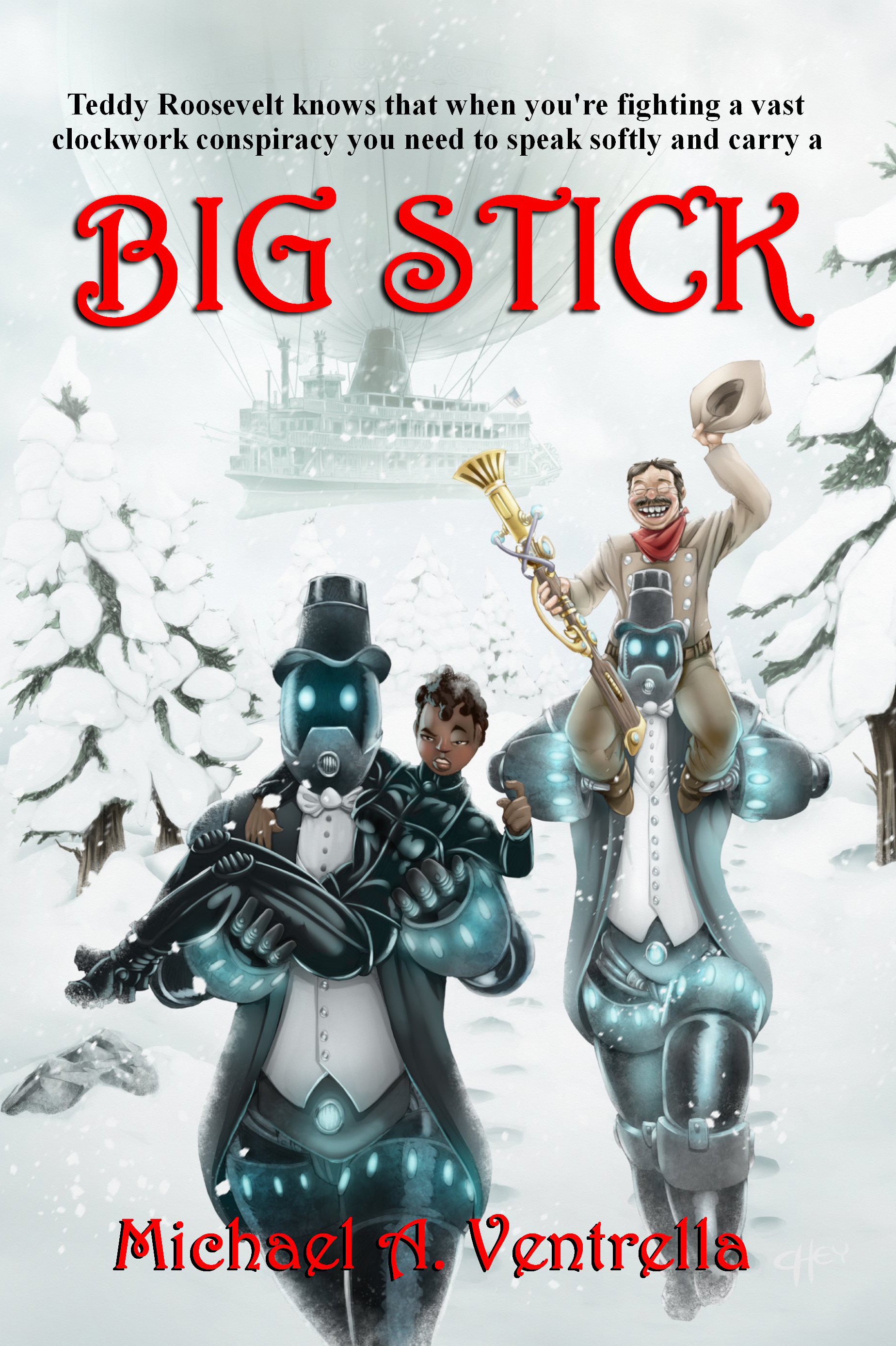
The Mummy of Barnsley

Hey! Want to hear me read one of my stories for free?

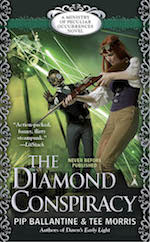
“The Mummy of Barnsley” takes place in the world of Philippa Ballentine and Tee Morris‘ “Ministry of Peculiar Occurrences” steampunk novels. They asked me to contribute a story to their “archives” podcast and as I am big fan of those books, I could not refuse. Plus they paid me.Diamond-Conspiracy_small

Here’s the story blurb: “Agent Ernest Throckmorton is called to Barnsley to investigate reports of a mummy terrifying the town. Throckmorton soon finds himself thrown together with an all too eager assistant desperate to be part of the Ministry, as they hunt down the meaning of the mummy’s ominous threat. All shall pay for the desecration of the tomb!”

I had a lot of fun writing this and hopefully, you will have a lot of fun listening to it. Try not to laugh when I attempt British accents.

I have had requests from people to get my books into audio, so here’s the next best thing. The entire story runs about 30 minutes and you can listen to it from your computer or download it for later. And then leave a comment to let Pip and Tee know you liked it!

Here’s the link. 

Interview with author Ryk Spoor

MICHAEL A. VENTRELLA: I used to have a policy where, if I had interviewed someone once for my blog, I wouldn’t do it a second time. Then I thought “Why not? Authors have new books and new things to talk about. Why limit myself?

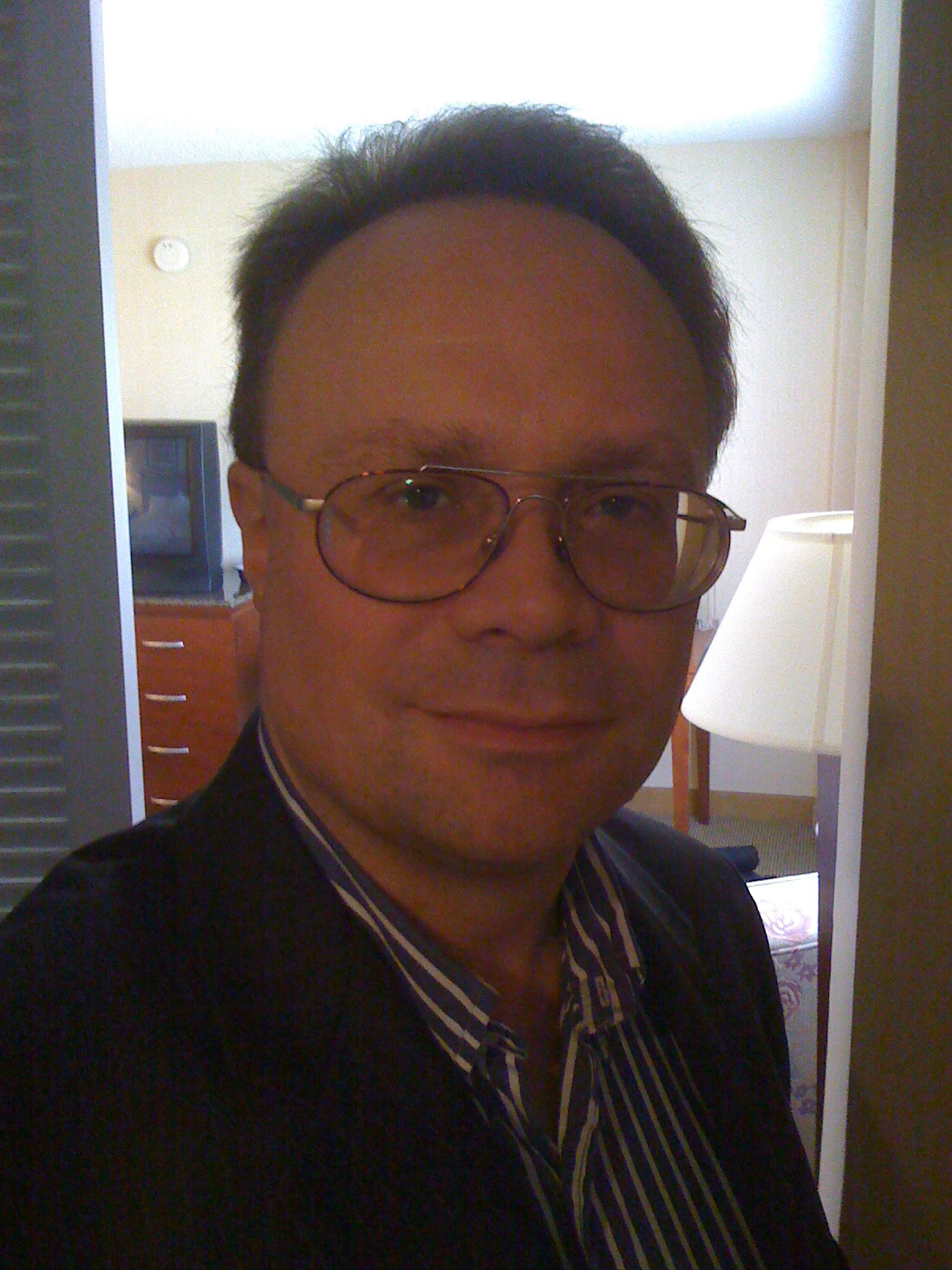
So here today is author (and friend!) Ryk Spoor. You can read his previous interview here.unnamed

Ryk, you and I seem to have similar experiences growing up. I went to the library weekly and pored through Danny Dunn and all the old Wizard of Oz books … However I haven’t read any Oz books since then with the exception maybe of the Philip Jose Farmer one back in the 70s. What made you decide to write one?

RYK SPOOR: Heh. “Decide” isn’t exactly the right word. More like “Found myself compelled to do so”.

VENTRELLA: Well, good point. So tell me about it! What compelled you?

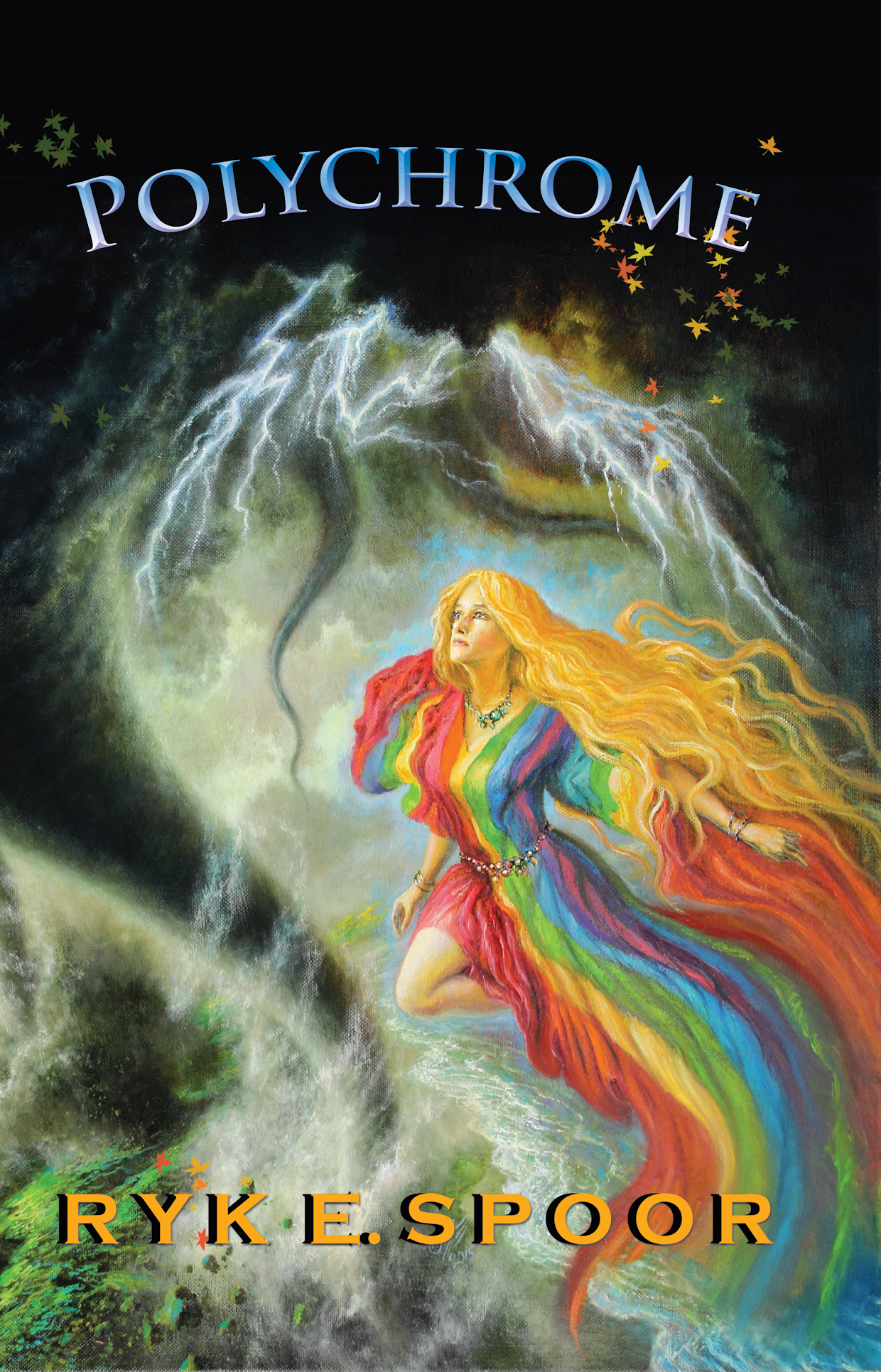
SPOOR: It started with seeing a rainbow on the way home from work one day. This rainbow was truly extraordinary; it persisted for something like 15 minutes, which in this area of the world is virtually unheard of, and it was extremely brilliant, against a backdrop of very dark clouds. I managed to get some not-very-good-pictures of it using my phone, one of which was used as the background for the Kickstarter image.

Now, of all the Oz characters, it was Polychrome, the Daughter of the Rainbow, that I’ve always liked best. At one point, while I was driving, it looked as though the rainbow was coming right down into Westgate Plaza, and I had a sudden vision of Polychrome dancing down the rainbow and ending up in that parking lot. That single image stayed with me, and started to build a plot around it. I tried to ignore it, as this was one of the least salable ideas I could imagine, and the plot that was being built up was quite unashamedly Mary-Sue in the extreme. But the damn thing wouldn’t go away, and one day it suddenly leapt back into my consciousness with all of it detailed — the heroes, the villains, the plot, key events and awesome scenes, all of it, and it took over. TOOK OVER. As in, it took my other writing hostage. “Nice deadlines you have there. Shame if something were to happen to them.” I found I had to write at least one chapter of POLYCHROME a week, or I couldn’t write anything else!

VENTRELLA: What was it about Polychrome that interested you over other characters?

SPOOR: Well, in all honesty it was a preadolescent crush to begin with; the imagery was just so beautiful, and I associated her of course with rainbows, which are to me one of the most wondrous sights in the real world, so that combined with John R. Neill’s illustrations made me absolutely fascinated with her. She had the typical cheerful confidence of most Baum heroines, but also — within the limits of that era’s writing — a power that most other characters didn’t have, shown most clearly in a couple of scenes where she demonstrates that she is utterly beyond the ability of most beings to even touch if she doesn’t want them to. This is probably seen most obviously in the non-Oz book by Baum called SKY ISLAND, and in one scene in Tik-Tok of Oz where the Nome King tries to catch her and she simply humiliates him. She was also shown just enough to tell you that there was a lot more to her, but not enough for you to feel you really knew her, so there was still a mystery to her.

VENTRELLA:  So give me a hint of the plot and make me want to read another Oz book!

SPOOR:  The basic plot of POLYCHROME is simple: two of the oldest enemies of the heroes of Oz join forces and use a revised version of a previously almost-successful plan which allows them to actually conquer Oz, including putting all the original heroes — Dorothy, Ozma, the Scarecrow, Tin Woodman, Trot, Glinda, the Wizard, et. — out of the picture. polyPolychrome’s the only character who manages to get in and out of Oz during the disaster to deliver intelligence to her father, the Lord of the Rainbow, as to what was happening, and how — just possibly — Oz can be saved. In POLYCHROME, it’s explicit that Oz itself is the center of the Faerie realms, so its fall has terrible implications for all of Faerie. Part of the prophecy that guides them requires, of course, another Mortal from the Outside World to help them — that’s been pretty much a constant for Oz — and eventually Polychrome has to go and find that Mortal. He’s … not exactly what she was hoping for.
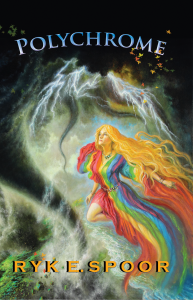
VENTRELLA:  A new character of your own creation?

SPOOR:  Yes, and as this is a book aimed at an older audience (adults rather than children) an adult mortal rather than the children usually the focus of the main Oz books. As I said, it was rather unabashedly a Mary Sue, so the fact that Erik Medon’s first name is the same as my middle one is not coincidence. That was one factor that kept me from trying to even submit it for publication for a long time.

VENTRELLA:  Was it difficult writing a character you didn’t create? Did you feel limited in any way?

SPOOR: As a fanfic writer, no, I’ve had lots of experience doing this. To me, it’s a matter of getting my head around the world in which the character exists. It’s a lot more limiting if you’re trying to insert the adventure into the middle of some part of the canon — that is, if you were to write an adventure that you wanted to take place in between some other known set of stories — because then you have to maintain consistency between both forward and backward chronologies. But with POLYCHROME, I was doing pretty much the same thing I did with my wife when writing our Saint Seiya magnum opus of fanfic — taking an established universe and then building something new out of it from the foundation that was supplied. That basically means I had the freedom to create the ongoing story structure without worrying that it would collide with something else, as long as I stayed consistent with the original (as much as that was possible, of course; Baum wasn’t terribly concerned with consistency and so there were a lot of places I had to decide “okay, this part is true, this part was just made up by Baum”, or “this was close, but the truth was this, because he was writing a children’s book…”)

VENTRELLA:  What is it about Oz that still interests us?

SPOOR:  The Oz books were the Harry Potter of their day, something a lot of people don’t realize; at their peak, they were translated into over 40 languages and their releases were major events in the book world.

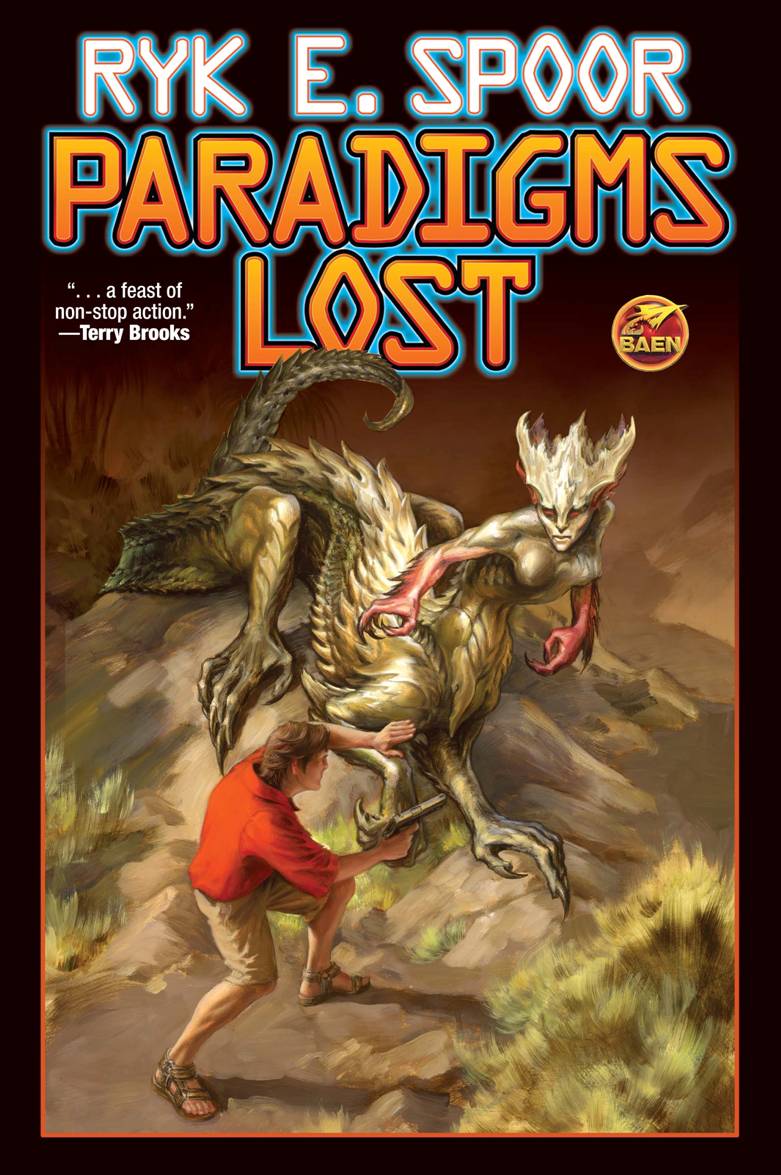
This wasn’t an accident. There’s a lot of powerful elements of the Oz books, for anyone willing to pick them up and read. paradigmOne of them, especially for people thinking back to the era in which they were written, is the focus on strong female characters. Dorothy Gale changes Oz pretty much single-handed through her courage and forthright approach to things. The ruler of Oz is Ozma (a beautiful girl fairy who was once a boy — a boy who was the main character of one entire Oz novel until he was changed back to his/her true form at the very end; talk about mind-blowing stuff for a kid to encounter years ago). Other books have Betsy Bobbin and Trot, and side characters such as Polychrome, Glinda, and even Jinjur show that women are at least as much the movers and shakers of Faerie as are men.
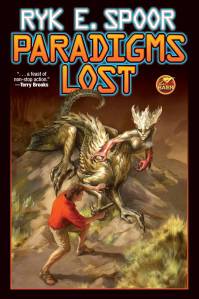
Unlike the movie, the books depict Oz as completely real, which is very important. Dorothy wasn’t going through some kind of dream therapy in THE WONDERFUL WIZARD OF OZ, she was going through real and dangerous adventures on a quest to return home. This adventure changes her, and those she meets, and she finds herself on other adventures many times — ones that often have quite creepy, even horrific, imagery associated with them. Oz and its environs, despite the often childish surface appearance, are neither safe nor easily comprehended.

This allows the books to retain a certain power, an ability to interest and hold interest, that less complex children’s works have trouble managing. This isn’t to say they’re without flaws; the language is often outdated, and there are some quite obviously sexist and racist components that can make a modern reader wince, but if you can get past that they’re still very strong works.

There have been a lot of Oz follow-ons over the years, as well as re-interpretations of Oz . As a side note, one of the things that makes POLYCHROME different is that it is neither a follow-on for children, nor a drastic re-imagination of Oz, nor a parody or deconstruction, which pretty much covers all of the later Oz-based works I know of. It’s a serious adult novel that tries to take as much of the original works seriously as possible.

I really don’t like deconstructions much in general, and deconstructions of Oz tend to really push my buttons. I can’t read Maguire’s WICKED and sequels; it’s clear he’s read lots of Oz, but what he’s doing to Oz makes me froth at the mouth. He’s a good writer — I could tell that much from the parts I could make myself read — I just can’t deal with the approach.

To my surprise, the SciFi channel Oz reimagining “Tin Man” actually worked well for me. It looked like it would be a total trainwreck, but the more I watched the more I realized there was some very much Oz-like material underneath, and there were some nods and comments that showed the makers were aware of the books — something that’s not all that common these days, alas.

Philip Jose Farmer’s A BARNSTORMER IN OZ is another one that I can’t stand. castawayFarmer’s got some particular approaches he tends to use when he’s re-imagining other people’s works (as he’s done with Tarzan, Doc Savage, Etc.) and for some it works; for Oz, his approach makes me start waving a sword and shouting “BURN THE BLASPHEMER”.
Some of the later follow-on books worked fairly well; there’s a generally accepted “larger canon” beyond Baum’s original 14 books which is the “Famous Forty”, and I really like the last one of those, MERRY-GO-ROUND IN OZ. A lot of the child-targeted ones have been written by people well educated in Oziana and thus are reasonably strong entries on their own to the mythos of Oz.

VENTRELLA:  I do recall being surprised as a kid when I read the original book and realized it wasn’t a dream after all. What did you think of Disney’s “Return to Oz” back in the 80s? It bombed but I recall enjoying that tremendously when I saw it in the theater.

SPOOR:  “Return to Oz” was an exceedingly clever movie, combining parts of THE MARVELOUS LAND OF OZ and OZMA OF OZ (the second and third books) while trying to tie it in with the original movie. I liked it quite a bit, although anyone getting the mythology of Oz from that movie is going to be pretty confused if they go back and read the books. It is, however, reasonably “Ozzy” and most Ozites I know find it pretty good as well.

VENTRELLA:  Any other Oz books or films you’d like to discuss?

SPOOR:  Most of my Oz focus is on the original Baum books, of which there were 14. My favorites are probably THE LOST PRINCESS OF OZ, which features one of the two main villains of POLYCHROME, and RINKITINK OF OZ, which has a lot of significant information relevant to POLYCHROME too. Oddly, one of my least-favorite of the original 14, THE TIN WOODMAN OF OZ, provided me with my second villain. I actually can’t think of any other really significant Oz-related material that I have personally seen. There have been a few animated series, at least one from Japan that is supposedly quite good, but I’ve never seen any of them.

VENTRELLA: So let’s talk about the publication of the book. You have an agent; you have a publisher; why did you decide to self-publish this one?

SPOOR:  In short, because no publisher would take it. Several of them expressed some interest, and one held onto it for almost two years waffling about whether they would or wouldn’t, but in the end they said “no”. Much of this had to do with the fact, as I mentioned before, that this is neither fish nor fowl from the point of view of publishers. Mari Ness mentioned the same thing in her review of Polychrome; it simply doesn’t fit in any of the categories that people would expect to find “Oz” stuff in — reimagining, parody/deconstruction, or straight-up follow-on.

VENTRELLA:  Plus it was for adults.

SPOOR:  That’s exactly why it’s neither fish nor fowl. It’s a book that takes Baum’s canon as seriously as possible, while telling a story that full-grown people can read without saying “really, it’s for my kids”.

VENTRELLA:  So you did a Kickstarter. How did you publicize it? Do you consider it successful?

SPOOR:  I publicized the Kickstarter basically by mentioning it in as many places as I could, having people who’d expressed an interest in it to at least push it where they could, and putting up a Project Wonderful ad campaign for it. GCAcoverWhich ones were most successful, I don’t know.
As a published author, I do enjoy a certain advantage in this area in that I have a fair number of people familiar with my work and thus with a reasonable confidence that they can rely on my writing to entertain them. Yes, it was quite successful; not only did I make the base goal, I also made the first “stretch” goal which allowed me to get a cover from the legendary Bob Eggleton.

VENTRELLA: Getting an Eggleton cover is indeed an accomplishment! So this is a PoD? Who do you have publishing it?

SPOOR:  It is indeed, and the resulting cover is just stunningly gorgeous. It is both an ebook and PoD. There are three separate physical versions — the Trade Paper, which is from CreateSpace, a regular HC from Lightning Source, and a very fancy deluxe hardcover with dust jacket from Lulu. Oddly, individual customers can order the TP or the super deluxe HC themselves, but not the regular HC.

VENTRELLA:  So are you satisfied with this? Do you think you’d do this again?

SPOOR:  I’m overall satisified with the outcome, though I’ve learned a lot of lessons along the way. Yes, I will likely do this again with things my current publisher won’t take; currently that’s two works, one a superhero-based novel and one that’s a somewhat peculiar space opera. (I find I cannot entirely predict what Baen will take; sometimes I send them things thinking “They’ll take this in a shot” and they say “nah, not our thing”, and other times I send in something thinking “Not in a million years” and they send me a contract).

VENTRELLA:  So what’s in your future? What are you working on now?

SPOOR:  Well, the second book in the Balanced Sword trilogy, PHOENIX IN SHADOW, is coming out soon (May 5th). I’ve just turned in the conclusion to the trilogy, PHOENIX ASCENDANT, so I figure that should be out around a year later.

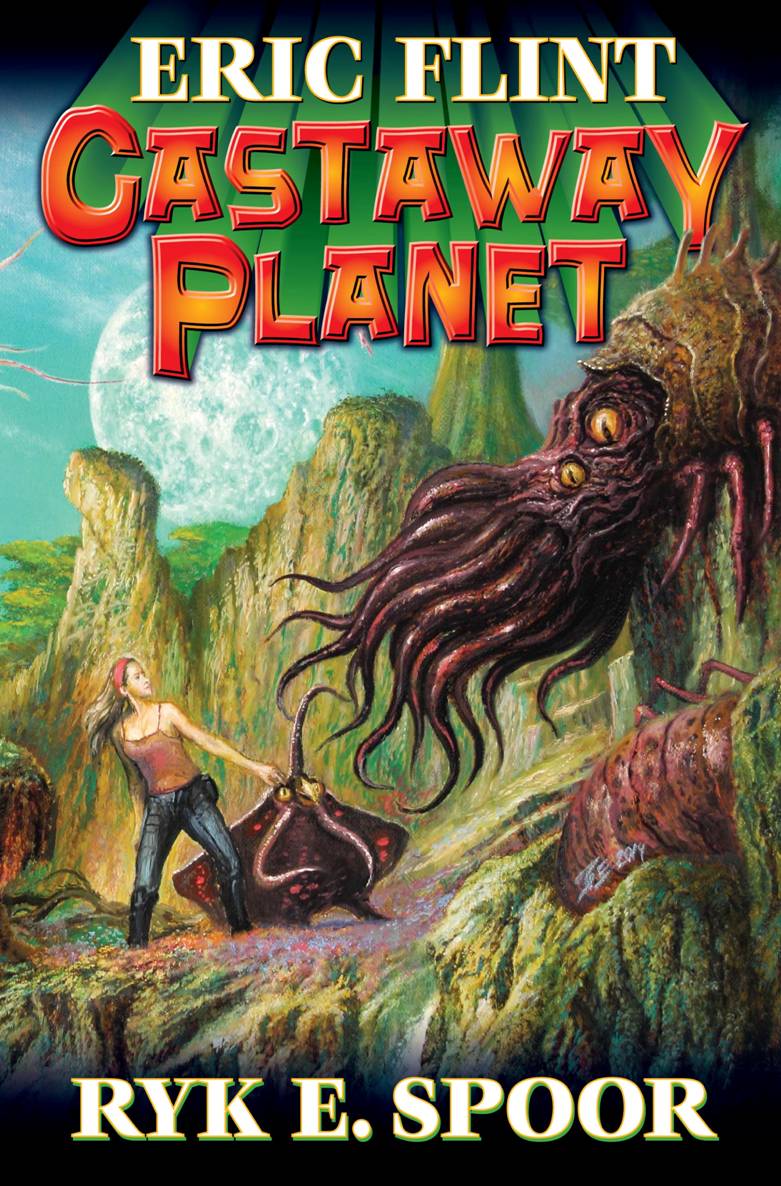
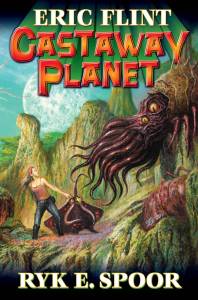
I’m currently working on three books: CASTAWAY ODYSSEY, a sequel to CASTAWAY PLANET, answering the question at the end of the first book as to just who “Someone else” was that was on the planet our castaways were on; CHALLENGES OF THE DEEPS: Third in the Arenaverse, where I’m going to have Ariane and company carry through on their promise to Orphan and go with him to a mysterious destination in the depths of the Arena; PRINCESS HOLY AURA: One of those things that I was sure Baen wouldn’t touch in a thousand years, Princess Holy Aura is the first in what will hopefully be a series called “The Ethical Magical Girl,” which will examine the Magical Girl or Mahou Shoujo genre from a written novel perspective, with a hopefully unique point of view.

VENTRELLA:  Let’s talk about PHOENIX IN SHADOW. Tell me what that is about!shadow
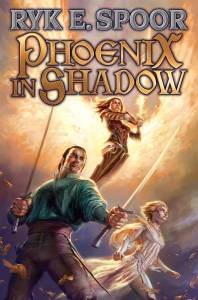
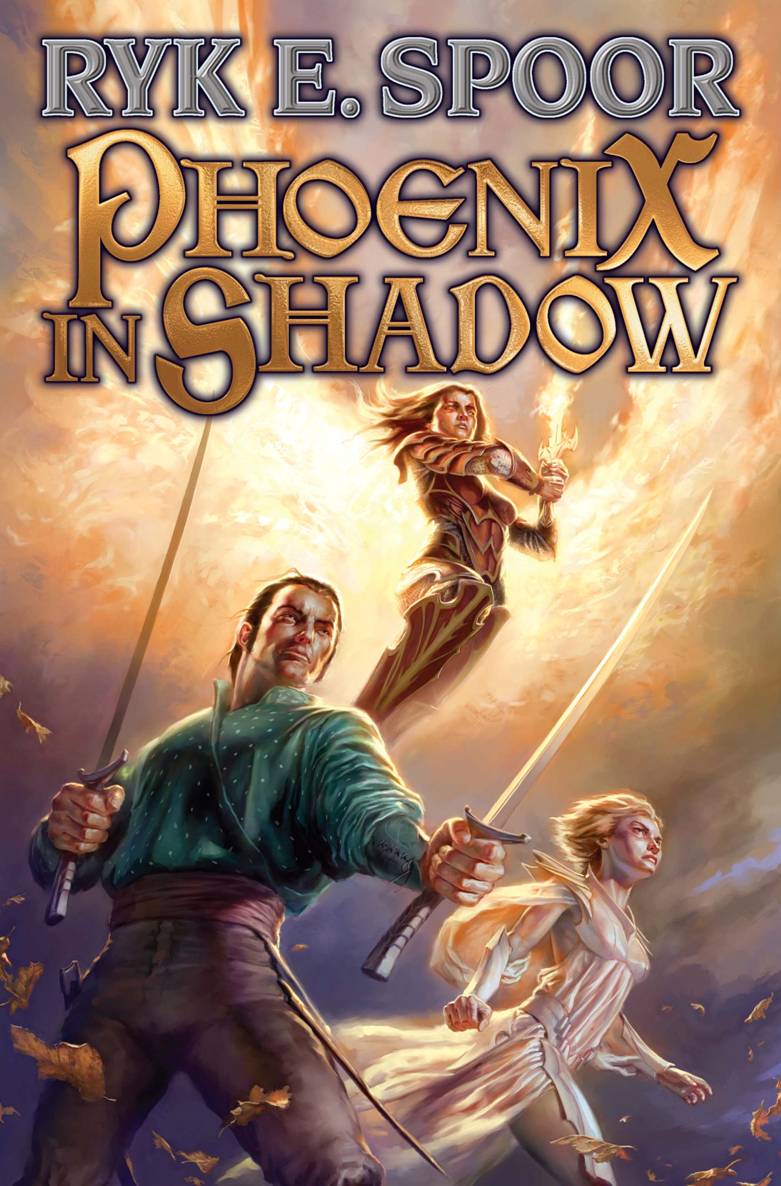
SPOOR:  PHOENIX IN SHADOW continues the adventures of Kyri Vantage, last Justiciar (holy warrior) of the dying god Myrionar, and her companions Tobimar Silverun (voluntarily exiled prince of Skysand in search of his people’s original homeland) and Poplock Duckweed (intelligent Toad with a nose for trouble) as they try to discover the true source of the corruption that destroyed the other Justiciars and is apparently connected with worldwide attacks on other countries. They must enter the dark and terrifying Rivendream Pass to a place said to be filled with monstrous creatures and evil, Moonshade Hollow. But what they find there is something utterly beyond their expectations … and a trap that they cannot imagine.

This is a story I started writing back in 1991, and have been waiting to tell ever since. I think PHOENIX IN SHADOW is a better book than PHOENIX RISING was, and PHOENIX ASCENDANT may be better yet.

One thing any reader can look forward to in PHOENIX IN SHADOW is that you finally get a look at what I call a Dragon.

VENTRELLA:  But no phoenix?

SPOOR:  Kyri Vantage is the Phoenix Justiciar (all the Justiciars have bird-themed armor and names), and you’ll get some of that imagery too, although her real “Phoenix” scene is in the next book.
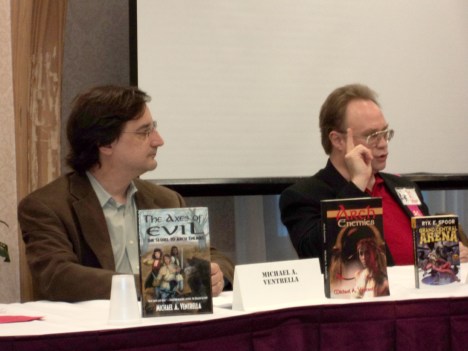
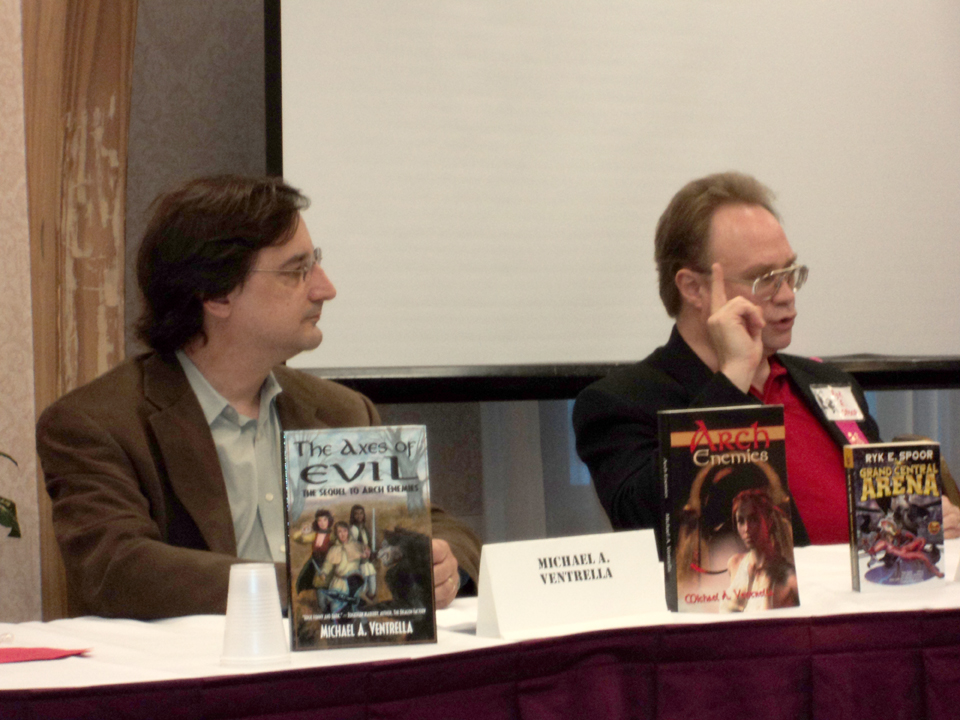
Ryk and I on a panel together at Albacon 2010

Ryk and I on a panel together at Albacon 2010

My Ravencon 2015 Schedule

On the weekend of April 24th, I’ll be a guest at Ravencon, a small but fun convention in Richmond, Virginia. RavenConBannerThe Guest of Honor this year is Hugo-winning author Allen Steele. There’s also a costume competition and my artist wife Heidi Hooper is a judge. It’s always a lot of fun to visit my hometown, even if I hardly get to see any of it since I’m in a hotel all weekend.

Other guests include many I’ve interviewed here on this blog: Danielle Ackley-McPhail, Philippa Ballantine, Gail Z. Martin, Mike McPhail, Tee Morris, KT Pinto, Tony Ruggiero, Lawrence Schoen, Bud Webster, and Allen Wold … as well as a few of the authors whose stories have been in the Tales of Fortannis books (Davey Beauchamp, Danny Birt, and Angela Pritchett).

Anyway, here are the panels where you can find me (and more may be added):

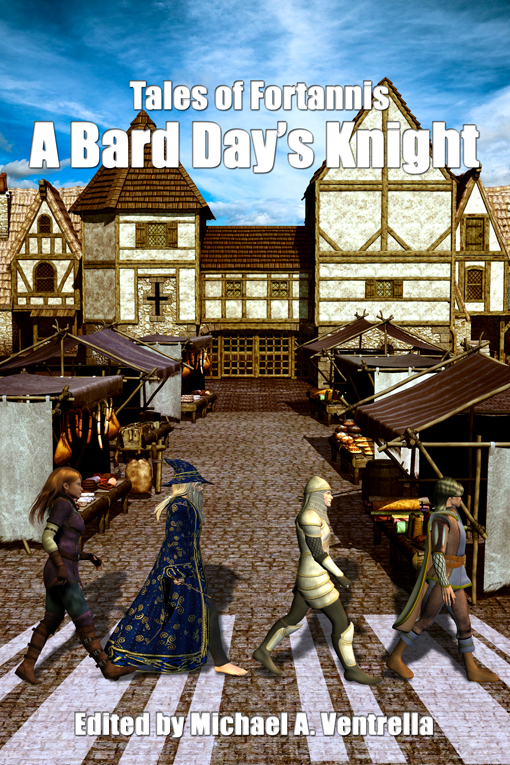
Double Dragon Book Launch!  (Friday 6 pm):  Join DD authors as they celebrate the release of the latest in the Tales of Fortannis fantasy anthologies “A Bard Day’s Knight” as well as Ventrella’s most recent novel “Bloodsuckers:  A Vampire Runs for President.”  They’ll be there to autograph copies of their books, and there will be a raffle of free book downloads as well!  With Gail Z. Martin, KT Pinto, and Angela Pritchett

Opening Ceremonies (Friday 7 pm): Guests are introduced to the audience.

Elementary, My Dear Watson (Friday 10 pm):  Why is  Sherlock Holmes still so popular?  People are flocking to recent comic releases, films, and plays. Panelists will discuss why Sherlock is still such a popular figure in contemporary culture.  With C.M. Adams, John Gregory Betancourt, Karen McCullough, and Bud Webster

CJ Henderson Memorial (Friday 11 pm):  Friends and Fans of CJ Henderson gather together to remember this iconic author.  With Danielle Ackley-McPhail, Heidi Hooper, Mike McPhail, and Jean Marie Ward

Why Editing Matters (Saturday 10 am):  Editors are the unsung heroes of the writing industry, and they sometimes get a bum wrap for asking the tough questions and getting the story ready for prime time. Why do editors have the reputation of “adversary” with some writers? What are your expectations for them? What is their job and how does it fit in with your job as a writer? What’s the difference between developmental and line edits? Why is editing so important?  With Philippine Ballentine, John Gregory Betancourt, and Emily Lavin Leverett

New Releases from Perseid Press (Saturday 11 am):  Come hear about this year’s upcoming releases from Perseid Publishing! With Richard Groller

Writing Critical Hits: RPG tie-in fiction (Saturday 8 pm):  Writing RPG tie in fiction without letting the reader hear the dice roll. This panel can also go into what to expect from RPG publishers as far as what you can and can’t do in their worlds.  With Harry Heckel, Chris Jackson, and Mike McPhail 

The Eye of Argon (Saturday 11 pm): The worst science fiction story ever written gets a reading by our brave panel as they compete to go the longest without tripping over a misspelled word or laughing uncontrollably. Audience members are also encouraged to take a chance. Can you keep a straight face, especially when the panel begins acting out the story? With Gail Martin and Ian Randal Strock

Is “Ancient Aliens” Racist?  (Sunday 11 am):  If ancient aliens exist, does this mean humanity is not responsible for inventing anything? A discussion of the likelihood and alleged evidence for ancient alien visitations.  With Robert Blaskiewicz, Nicole Givens Kurtz, and Randy Richards 

Visibility 101 (Sunday noon):  In an industry brimming with independent presses and magazines, it can be daunting for the burgeoning speculative writer to find a way to stand out. Writers and artists share the marketing secrets that have helped put them on the map.  With Gail Z. Martin, D. Alexander Ward and Meryl Yourish

My Turn to be Interviewed

Noted author Ryk Spoor interviews me on his blog this week. Check it out and leave a comment! (Bloggers love comments.)

A Bard Day’s Knight

Adventure! Drama! Mystery! Humor! It’s all here in the third TALES OF FORTANNIS anthology, A BARD DAY’S KNIGHT, featuring stories set in the world of my novels.

Here’s what some prominent writers who got a preview said about this book:

“From the ridiculous to the sublime to the downright heartfelt and — at some instances — mildly terrifying, Ventrella’s collection promises you that in Fortannis, anything and everything is up for grabs.” — Tee Morris, author of the Ministry of Peculiar Occurrences series

“A very readable collection of classic fantasy adventure.” – Lawrence Watt-Evans, author of The Misenchanted Sword and the Annals of the Chosen seriesabbey-bard-510

Ryk Spoor decided to do a complete review rather than just a short blurb!:

“A Bard Day’s Knight is the third anthology of stories in Michael Ventrella’s world of Fortannis, a fantasy world that is both clearly part of the high fantasy tradition in its general makeup, but incorporates Ventrella’s own touch to make it a much more living world, with its own traditions, a broad assortment of inhabitants ranging from furry, catlike gorbe to the more familiar humans, elves, and dwarves – though even the most familiar will have their own unique twists to offer.

Though the title is humorous, readers shouldn’t be fooled into thinking that this is parody or comedy; while many stories have a lighthearted touch to them, others do not, and almost all of them have strongly serious elements.

The fourteen stories in this anthology compare, overall, very well with those in the prior anthologies; this is, in fact, the strongest of the three, with only one story that I felt was overall a weak tale, and the others ranging from quite good to brilliant.

What is really fascinating about an anthology like this is seeing what the world of Fortannis looks like through eyes with so many different perspectives. Old familiar friends are here – Ventrella’s own squires Terin and Darlissa, Curso Brambletoes the clever, subtle hobling, exiled sellsword Sarlon and his companions Minnow and Mumblepeg – and new ones, including a unique view of the life of a rather unusual Goblin in “Shiny Savior”, the eponymous and clever hero of “The Life and Death of Beryl Truesword”, Brenlund in “Blinded” who has to overcome his preconceptions to save both himself and others from a terrible fate.

Most of the stories have strong voices – the characters that must drive the story quickly define themselves, telling us who they are and why they matter, whether they are noble, poor, human, goblin, warrior or sorceror – and the challenges they overcome loom large within the stories, whether they are threats to many or merely the problem of day-to-day survival.

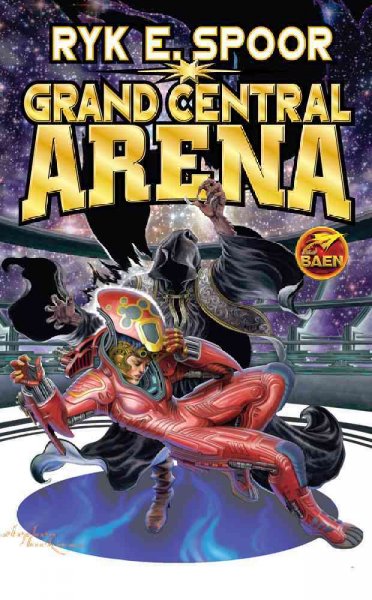
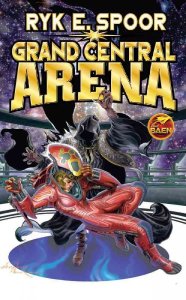
The last anthology I think I gave four stars; this one is easily four and a half, perhaps five; I had a lot of fun reading A Bard Day’s Knight, and anyone who enjoys fantasy adventure should too! – Ryk Spoor, author of Grand Central Arena and Phoenix Rising

A BARD DAY’S KNIGHT features the following tales:

Honor Battle by Michael A. Ventrella:  Terin’s decision to impersonate a poor farmer boy who has to participate in “trial by combat” backfires in more ways than one as he finds himself facing a familiar foe he can only beat through cunning and wit.

The Mystery of the Dead Cat in the Darkness by Bernie Mojzes: When the dead cat nailed to her door comes to life, bites her, infects her, and then runs off, Marin knows today will not be a normal day.

Dragon 142 by KT Pinto:  The oddball quest of some ragtag adventurers is viewed through the eyes of a straight laced, haughty, smarter-than-thou gryphon.

Take Care on the Farfin by Jon Cory:  On a deserted beach, a sellsword knight, a spotted dwarf and a beautiful elf discover that than there are worse things than being marooned.

A Matter of Death and Life by Mark Mensch:  Even a cunning rogue like city-born Nigel Peaks has trouble from time to time and needs the help of a kind stranger to get out of a not-quite-dead woods.

The Dragon in the Kettle by Christine L. Hardy:  Dragons are extinct, right? And if they did exist, they’d be terribly dangerous and illegal to own as well? So what is a poor blacksmith to do when she discovers that she has helped a baby dragon hatch in her own smithy?

Curso and the Passing Tree by Roy C. Booth and Brian Woods:  Curso the hobling is helping a loved one prepare for his final hour, but there are creatures in the woods who will do everything to prevent a peaceful passing.

Blinded by Laurel Anne Hill:  A young man whose only job is to be the official caretaker of mystical fish encounters a mysterious woman, a ruthless necromancer and life-threatening danger of the kind he’s never seen before.

The Life and Death and Life of Beryl Truesword by Derek Beebe: Beryl Truesword traveled to the other side of the world to defeat an evil dictator, but how can she kill someone who can foresee the death of anyone and tell the future?

Shiny Savior by Shane Porteous:  An unusual goblin discovers why sometimes it is better to follow your stomach instead of your curiosity.

The Ungrateful Undead by Beth W. Patterson:  What happens when zombies retain a shred of their consciousness and are forced to perform against their will?

Jump Back into the Fight by Tera Fulbright:  A group of unlikely adventurers spend an introspective, long, rainy night, then rise with the sun to face their fears.

The Twisted Forest by Angela Pritchett:  A brave woman must face a group of evil gnomes to save one of her elven wards who has been kidnapped into the Tainted Forest.

Unscarred by Mike Strauss:  How can a simple alchemist, untrained in combat, survive a brutal and deadly coming-of-age ceremony?

Click here to order this book!

Politics (or “How to anger your readers”)

Should writers avoid discussing politics and religion and other controversial topics in order to not alienate potential readers?

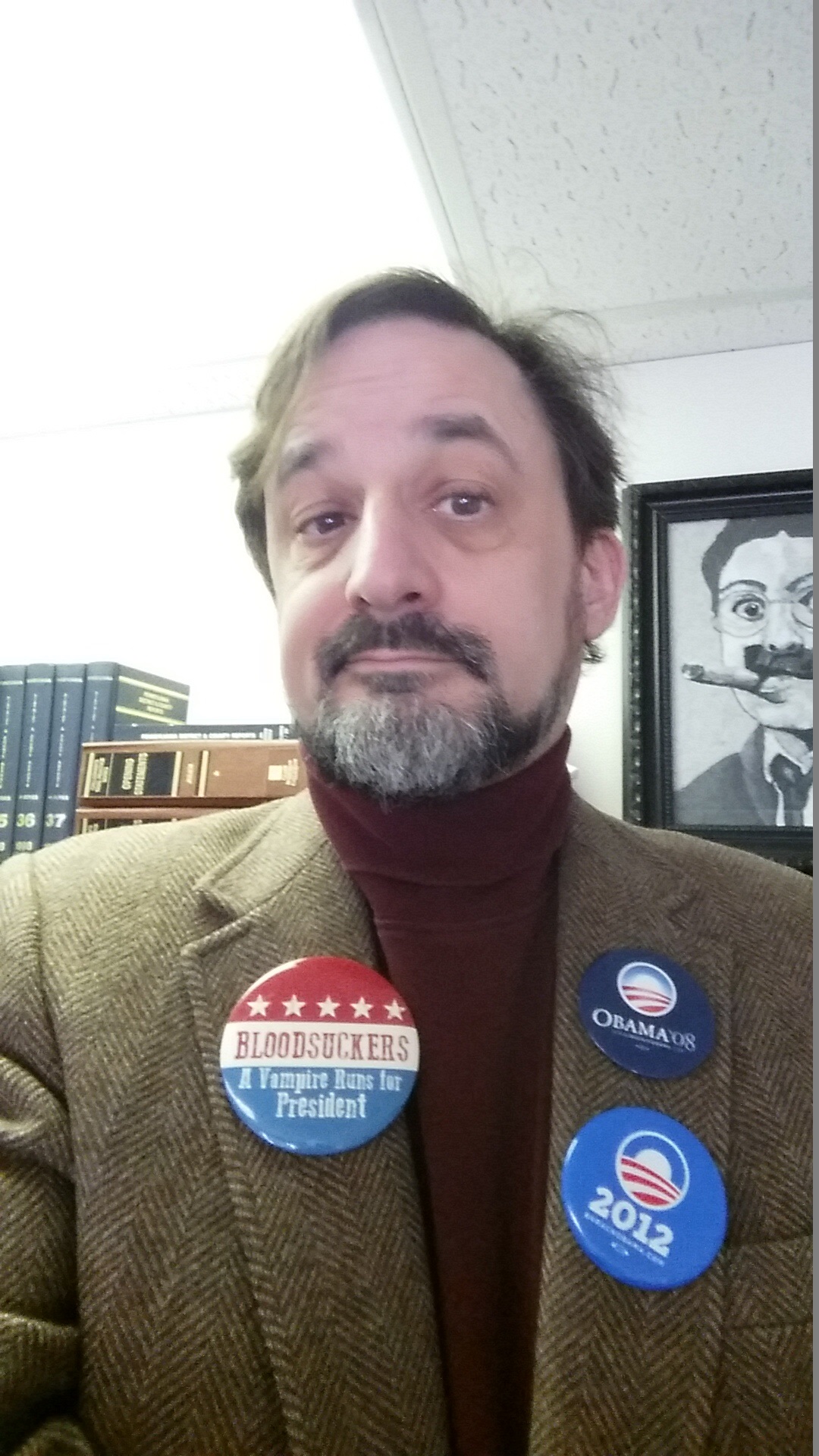
At the recent Mysticon convention, I was on a panel about using social media to promote yourself (something I have written about here before). The rest of the panel agreed that avoiding such things was important.politics

I disagreed.

If you follow my political blog or are a friend on Facebook, you know that I don’t shy away from giving my opinion. It’s who I am. I think it’s more important to be true to yourself and let people see you as a real person as opposed to a bland guy with no views on anything important. Yes, my political views may challenge you. So may my books.

Have I lost friends on Facebook because of it? Yes, I have. But from what I can tell, I have added many more than I have lost. People read my comments, share them, discuss them, and that attracts other people who then check me out.

The point of social media as a promotional tool is not to use it as a constant advertisement for your books. It should instead be used to make potential readers like you and thus want to read your work.

So here’s how you do it (not that I am always successful at it):

Be entertaining. That’s always your goal when posting. Share a joke or a cartoon or a thought that is entertaining; that other people want to read. If you’re going to talk about politics or religion, offer an insight or a witty comment and not just say “Obama sucks!” or something on the level that any idiot could say. You’re the thinking writer. Show off your damn writing skills. Be eloquent and say something that no one else has said.

Don’t be insulting. I mean, sure, calling a politician an idiot is an insult, but you shouldn’t be insulting merely for the sake of being insulting. “Ben Carson is an idiot” is something a 10-year old could have posted. “Ben Carson is an idiot because he has said the following stupid things” offers something of substance to back up your insult. (And is it really an insult if it’s true?)

Don’t be stupid. Don’t fall for every internet meme you see. Do your research. Chances are Sarah Palin didn’t say that we shouldn’t have ended slavery and Obama didn’t say we should hand Iran a nuclear weapon for free. Make sure everything you post is true and verifiable through reliable sources. Your reputation is important, isn’t it?

Set the rules and don’t let people push you around. My Facebook page is open for anyone. You can read everything and post a reply at any time. However, it’s my page. If we’re having a discussion on gay marriage and some troll comes in and wants to change the subject and complain about how a Kenyan Muslim in the White House is destroying America, I will tell him to stop and if he doesn’t, I will delete the messages.

It’s my house. You are invited in as long as you remain polite and not try to change the subject of the discussion to whatever you feel like ranting about.

I’ve had that argument more than once with people who wander in after reading something and then try to take over, and when I tell them to stop, they complain that I am “censoring” them. No, I am editing them. It’s my page. You don’t have a right to post on it.

I’m never going to stop talking about controversial subjects. It’s who I am. It will anger some people. The people it will anger will probably also be angered by my latest novel BLOODSUCKERS. So screw them. Read something else.

My 2015 Mysticon Schedule

On the weekend of February 27 – March 1, I will be a programming guest at Mysticon in Roanoke, Virginia. We went last year and had a blast and I’m happy to have been invited back.

The special guest this year is Sean Maher (from “Firefly”) but I’m more interested in meeting Peter David, whose books I’ve always enjoyed. MystiCon(My interview with him from a few years ago is here!) Also in attendance will be many of my friends, including some I have interviewed here on this blog: Danielle Ackley-McPhail, Gail Z. Martin, Mike McPhail, KT Pinto, Peter Prellwitz, Leona Wisoker, and Allen Wold.

And if you’re a fan of my Fortannis anthologies, you’ll find some of those authors as well (namely Davey Beauchamp, Danny Birt and Tera Fulbright, as well a few who will be in the forthcoming collection A BARD DAY’S KNIGHT — Angela Pritchett and the aforementioned KT Pinto).

Anyway, if you’re there, be sure to say hi! I’ll be on a bunch of panels and my artist wife Heidi Hooper will be judging the Masquerade competition and hosting some art panels as well.

Here is my current schedule:

The Top Animated Films of All Time (Friday 3 pm): A debate over the list of best animated films. Will our panel agree or will the discussion break out in fisticuffs?  With Billy Flynn, Stuart Jaffee, Darin Kennedy, Genesis Moss

Fantasy World Building (Friday 6 pm): Whether it’s creating entire new worlds or integrating your story into everyday life, fantasy writers can find inspiration in the smallest things that can lead to a whole new world of mystery and magic. How they do it, how they choose, how they are inspired, what fans love or hate, etc.  With R.S. Belcher, Liz Long, Gail Z. Martin

Author Reading (Friday 7 pm): Michael A. Ventrella’s humorous adventures are full of twists and turns. Come hear excerpts from his latest “Bloodsuckers: A Vampire Runs for President” and maybe his story about the Marx Brothers in Hell, depending on time.

All Dressed Up and Ready to LARP (Friday 8 pm): This panel is to give interested parties or parents an idea of what is involved in LARPing.  With Owen Anderson, Jestin Jeffers, Robert Sohl

The Eye of Argon (Friday 10 pm): The worst science fiction story ever written gets a reading by our brave panel as they compete to go the longest without tripping over a misspelled word or laughing uncontrollably. Audience members are also encouraged to take a chance. Can you keep a straight face, especially when the panel begins acting out the story?  With Peter David (maybe!), Gail Z. Martin, KT Pinto, Peter Prellwitz, Leona Wisoker

Tooting Your Own Horn With Social Media (Saturday 11 am): Done properly, self-promotion is an important part of building a career. Poorly executed, self-promotion can do more harm than good. Our panelists will discuss what works and doesn’t work along with these common questions: Do book-signings really help a small author? Are bookmarks and/or postcards effective at garnering attention? Does a blog help or hurt an author? Does an author have to have a website?  With Danielle Ackley-McPhail, Chris Kennedy, Liz Long, Steve Long

What Makes an Animated Film? (Sunday 11 am):  With CGI in almost every film, the distinction between live-action and animated film is changing.  Is “Guardians of the Galaxy” an animated film given that two of its main characters were animated?  What about the Star Wars prequels?  Does capture-motion count?  The panel will discuss various animation styles and try to determine how one can judge what exactly is an animated film these days.  With Emily Mottesheard, Christine Parker

Making Politics Work in Fiction (Sunday noon):  Real world political narratives are filled with cultural revolutions, passionate speeches about social change, war, and intricate, Machievellian plots. How can you portray them convincingly in your story? From noble houses in fantasy worlds to galaxy-spanning empires in SF, how do you make them believable and engaging without burying your reader in the intricacies of your setting’s political theory?  With Stuart Jaffee, Tally Johnson, Thomas Monaghan, Gary Rinehart

My Turn to be Interviewed

Derek Beebe interviews me on his blog this week. Check it out and leave a comment! (Bloggers love comments.)

Interview with author Jim C. Hines

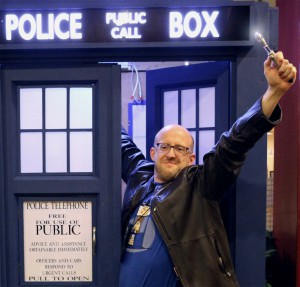
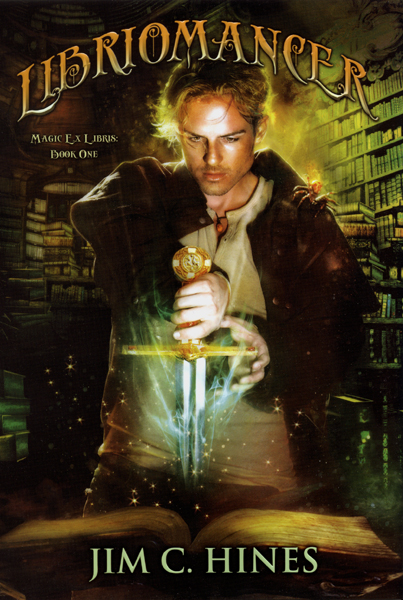
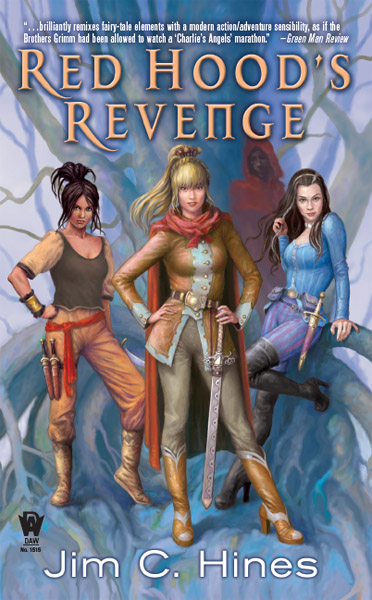
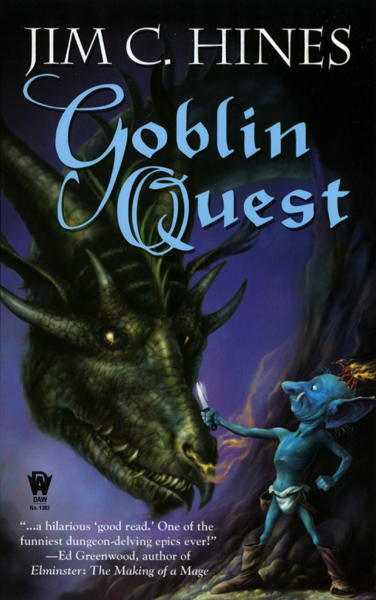
MICHAEL A. VENTRELLA: I am tremendously pleased to be interviewing Jim C. Hines today! Jim is best known as a fantasy novelist and the guy who did those gender-flipped SF/F cover poses. JCH-TARDIS-300x287His first novel was GOBLIN QUEST, the tale of a nearsighted goblin runt and his pet fire-spider. After completing the goblin trilogy, Jim went on to write the “Princess” series, four books often described as a blend of Grimm’s Fairy Tales with Charlie’s Angels. He’s currently working on the “Magic ex Libris” books, which follow the adventures of a magic-wielding librarian from northern Michigan. He’s also the author of more than forty published short stories. His web page is here.

Let’s talk about your latest news: The FABLE book, based on the best-selling game. How did that come about?

JIM C. HINES: The publisher contacted my agent to see if I’d be interested in writing the book. I’m guessing a lot had to do with my previously published work, particularly the GOBLIN QUEST series, which has some of the same fantasy and humor feel as the Fable game universe. My agent and I talked about the contract details, he went back and did a bit of negotiating, and voila – I got to write FABLE: BLOOD OF HEROES, which was a great deal of fun.

VENTRELLA: What kinds of limitations did they give you? In other words, how far away from the main narrative could you go?

HINES: I had a fair amount of freedom with the story. They wanted a book that would introduce the characters and the world, but I wasn’t novelizing the plot of the game. I had to set the story in the world of Albion, and to use the characters from FABLE LEGEND, but I was able to introduce my own villains and secondary characters, my own plotline, and even my own quirky little town.

VENTRELLA: What is it like writing a story that has already been written, with characters you didn’t develop? Did you find it liberating (“Hooray! I don’t have to spend months working all the details out!”) or confining (“Dammit, I want the character to do this but I am limited by what someone else wrote first!”) or somewhere inbetween?

HINES: I was hoping it would be a bit easier to write pre-existing characters, but as far as I can tell, nothing about writing ever ends up being easy. Libriomancer-LgLionhead came up with some interesting and entertaining characters. Sometimes it was fun to play with ideas I wouldn’t have necessarily come up with on my own. But there were also moments when I wanted to do something with a given character and couldn’t, because it didn’t fit with what Liongate had set up.

VENTRELLA: Assuming that this is like other games, your character could make different choices which could change the ending completely. How did you approach this?

HINES: I haven’t played LEGEND, but I’ve played some of the other FABLE games and read some of the previous tie-in books, so I was definitely thinking about the emphasis on choice. I tried to include some moments for the characters where they had a clear and important choice to make. Trust this character or don’t? Fight or flee? Kill or capture?

VENTRELLA: Who do you think the audience is for these kinds of books?

HINES: Well, we want it to appeal to fans of FABLE. First and foremost, I hope that all the hard-core chicken-chasers will approve. But if I’ve done my job well, you shouldn’t have to be familiar with the games to enjoy the book. If you like fantasy and quirky humor, you too can be part of the audience!

VENTRELLA: What will people who have already played the game get out of it?

HINES: Right now the game is still in beta testing. I don’t know if the book will come out before the game, or how that schedule will work. So it’s possible this could be the first real point of entry into FABLE LEGENDS world. For those who have played the previous games or participated in the beta, my hope is that they’ll get some insight into the characters, some exploration of Albion and its history, and a new adventure to enjoy.

VENTRELLA: Let’s talk about the “Goblin Quest” series. Where did the idea for that originate?

HINES: I guess I’ve always had a soft spot for the underdogs, and it’s hard to get more underdogged than the goblins. How many goblins got slaughtered in the Lord of the Rings and Hobbit movies, just for being in the wrong place at the wrong time? So I really liked the idea of taking this scrawny, nearsighted goblin runt and doing a typical fantasy adventure from his point of view, with all of his questions about fantasy logic and this so-called “heroism” stuff.

VENTRELLA: What inspired the “Princess” series?

HINES: Those books were for my daughter, who went through a princess phase when she was younger. Red-Hood-LgSome of the movies, and a lot of the merchandise, all stressed that a princess has to look pretty and be rescued and so on. I wanted stories about princesses who teamed up and kicked butt and beat the witch and saved the prince. I also wanted to play with the older fairy tales, and to do something fun with it, like turning Sleeping Beauty into a ninja, or letting Snow White run around doing mirror magic.

VENTRELLA: I’ve blogged about humor in fiction, and feel that tooLibr many authors think that if your characters crack jokes then you can’t make serious points or make them ever seem to be in danger. Since humor is a part of your work, how do you approach it? How do you find the right balance?

HINES: Humor and serious go quite well together. Just ask Joss Whedon. The contrast between humor and fear/pain/tragedy can make both more powerful. You don’t want to let the humor undermine the tension, but that’s just a matter of practice and learning how to write it. Human beings crack jokes. Even in dark times. Especially in dark times. It’s one of the ways we cope. Completely stripping that out of a story feels dishonest and hollow to me.

VENTRELLA: You haven’t avoided talking about politics on Facebook and your blog. Do you ever worry that this may alienate readers?

HINES: It’s weird. A fair amount of what I talk about are things like sexual harassment and racism and sexism, stuff I’d have assumed most people agreed were bad, regardless of politics. But it’s the internet, so everyone seems to get assigned to one “side” or the other, and that’s the end of that. It’s definitely cost me some readers. But I think these are important things to talk about, and I’ve ended up with a bit of a platform to do so. It would feel like a betrayal not to do so. I try not to be a dick about things, but it doesn’t matter how polite and “civilized” you are. There’s always someone who’ll get pissed off at you.

VENTRELLA: How much of writing is innate? In other words, do you believe there are just some people who are born storytellers but simply need to learn technique? Or can anyone become a good writer?

HINES: I think practice and skill are far more important and useful than talent. Looking back, I don’t know how much of where I started was actual talent vs. skills I’d picked up over my life, from reading and telling jokes and getting a pretty good education and so on. Goblin-Quest-LgBut wherever you start, pretty much all of us have to work to improve before we become Good Writers™.

VENTRELLA: What criticism of your work do you disagree with the most?

HINES: I try not to disagree with criticism, as a general rule. Once my book is out there, it’s up to the reader what they find in the story. Who am I to say they’re wrong?

That said, it annoys me to be told I only included a non-white or non-straight character as part of an “agenda,” or to push some mysterious “message” down people’s throats. Acknowledging the existence of people who aren’t exactly like me isn’t a message. And choosing to exclude people who aren’t like you from your stories is lazy, lousy writing.

VENTRELLA: Which of your characters was the hardest to write and why?

HINES: Lena Greenwood, the dryad character from the LIBRIOMANCER books. I’ve been working to get her character right for at least a decade. The way I wrote her and her backstory is problematic as hell. This series deals with the magic of books, and Lena was “born” as a sexual servant, one who gains in strength and independence over the course of the series. There’s a lot I’ve tried to do with her journey, but it’s so easy to mess up, and I know I’ve made mistakes along the line. For some people, she’s their absolute favorite character, but she’s been tough to write.

VENTRELLA: Writers are told to “write what you know.” What does this mean to you?

HINES: I prefer to flip it to “know what you write.” Do your research, and make sure you know what you’re talking about.

VENTRELLA: What do you do to avoid “info dumps”?

HINES: Mostly, I try to pay attention to when I’m getting bored while writing the story. There’s nothing wrong with exposition and info dumps from time to time, as long as it’s interesting. But the moment I start getting bored, that’s a clue to look more closely at the story and figure out why.

VENTRELLA: When going through second and third drafts, what do you look for? What is your main goal?

HINES: My first draft is when I get a sense of the book’s structure. I can’t hold an entire novel in my head, and outlines help, but they only work so-so. Cover2Once I’ve finished that first draft and know more or less how the book goes, I can go back and start developing the characters better, cleaning up plot problems, and generally delving deeper into the story.

VENTRELLA: Science Fiction doesn’t seem to be selling as much as fantasy these days, including urban fantasy and all the varieties. Why do you think that is?

HINES: Not a clue. I think it depends on where you look, too. Are superheroes science fiction? If so, then Marvel’s films are blowing away most of what’s out there. Video games? Paranormal romance vs. sword and sorcery? I try not to worry too much about what’s hot this year, and to just write stories I love.

VENTRELLA: Do you think it is important to start by trying to sell short stories or should a beginning author jump right in with a novel?

HINES: I was told you have to write short stories first, and I spent years doing that before really trying to write novels. That was Bad Advice. There’s no one right way to learn, and while short fiction used to be the “traditional” road for breaking into novels, these days I’d tell people to write whatever the heck they want. Enjoy short stories? Do that. Prefer books? Start writing them.

VENTRELLA: Do you think short stories are harder to write than novels?

HINES: I think they’re different. For me, short stories are much faster to write. You know, on account of being shorter. I like that. But you have some of the same challenges of characterization and worldbuilding and so on.

VENTRELLA: What’s your opinion on self-publishing?

HINES: I like anything that gives authors more options, and gives readers more ways to find stories they love. I could do without the religious crusades about the One True Way to publish, though.

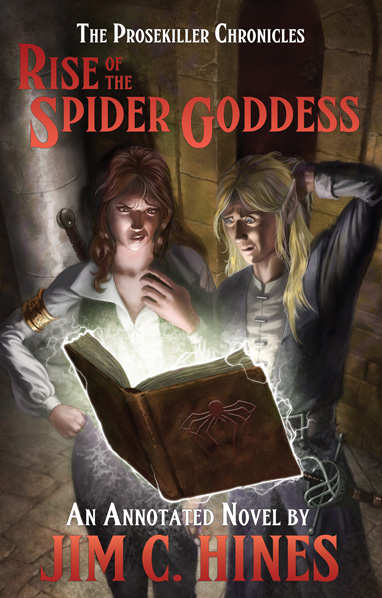
Most of my books are through DAW, a commercial publisher in New York. I’ve also self-published some electronic chapbooks, as well as a mainstream novel and a fantasy novel project that … well, let’s just say RISE OF THE SPIDER GODDESS probably wouldn’t have found a home at most self-respecting publishing houses.

VENTRELLA: In this market, with the publishing industry changing daily, how important is the small press?

HINES: I think the small impress has been and continues to be important. They have more ability to take chances and to take on projects that might not sell huge numbers, but are important and powerful nonetheless.

VENTRELLA: What sort of advice would you give an un-agented author with a manuscript?

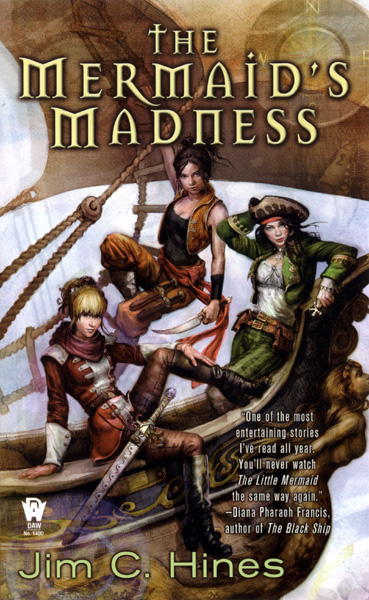
HINES: Finish the manuscript, and do some research. Learn how agented and unagented authors built their careers.Mermaid-Lg Learn the pitfalls of different paths. Read Writer Beware and other writing blogs and resources. There’s no one right way to do this, but there are definitely some wrong ways to be aware of!

VENTRELLA: What’s the worst piece of writing advice you ever got?

HINES: You have to write short stories before you can write novels.

VENTRELLA: What’s the best piece of writing advice you ever got?

HINES: I don’t know that it’s a specific piece of advice so much as a general attitude of persistence. Writing is hard, and there are times it will wear you down. Most of the successful authors I know are the ones who got stubborn and just kept writing.

VENTRELLA: What advice would you give to a starting writer that you wish someone had given to you?

HINES: Have fun. Find your own voice, and your own passion. I spent years trying to write the books and stories I thought I was “supposed” to be writing, but it wasn’t until I said the heck with it and started having fun with this goofy little goblin and his flaming pet spider that I really found myself as a writer. Coincidentally, that’s the first book I sold. Go figure.

VENTRELLA: Who do you like to read? Who are your favorite authors?

HINES: It depends on when you ask! Terry Pratchett, Janet Kagan, Nnedi Okorafor, Seanan McGuire… Heck, I’m on Goodreads. You can see my shelves here.

VENTRELLA: What projects are you working on now? What can we expect next from you?

HINES: I’m working on the fourth LIBRIOMANCER book, which is called REVISIONARY and should be out in February of 2016. I’m also finishing up the copy-edits on FABLE: BLOOD OF HEROES. Beyond that, I’m starting on INVISIBLE 2, which will be a collection of essays about representation in science fiction and fantasy. I’ve also got several anthology invites waiting for me to write short stories. So basically, I’m in no danger of getting bored any time soon!

VENTRELLA: With a time machine and a universal translator, who would you invite to your ultimate dinner party?

HINES: I’m not actually much of a party person, so I’d probably keep it small. Maybe David Tennant and my wife to start with. (So that my wife could meet David Tennant, which would make me the Best Husband Ever. And also because I’m a bit of a fanboy myself.) Janet Kagan, who was something of a mentor for me, but passed away before I could meet her in person. I’d also want to invite someone who can actually cook, you know? Oh, and maybe Gutenberg, because he’s one of the characters in my current series, and if I got him to sign one of those books, it would be a pretty awesome memento!

Interview with Bestselling Author Eoin Colfer

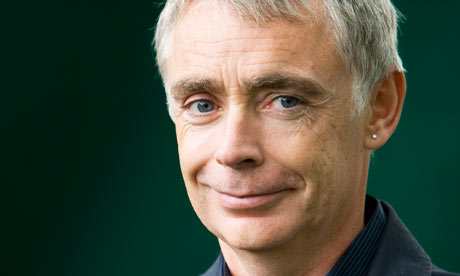
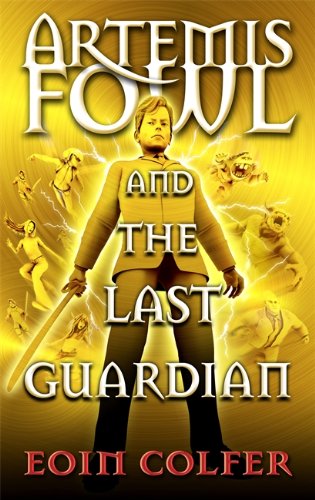
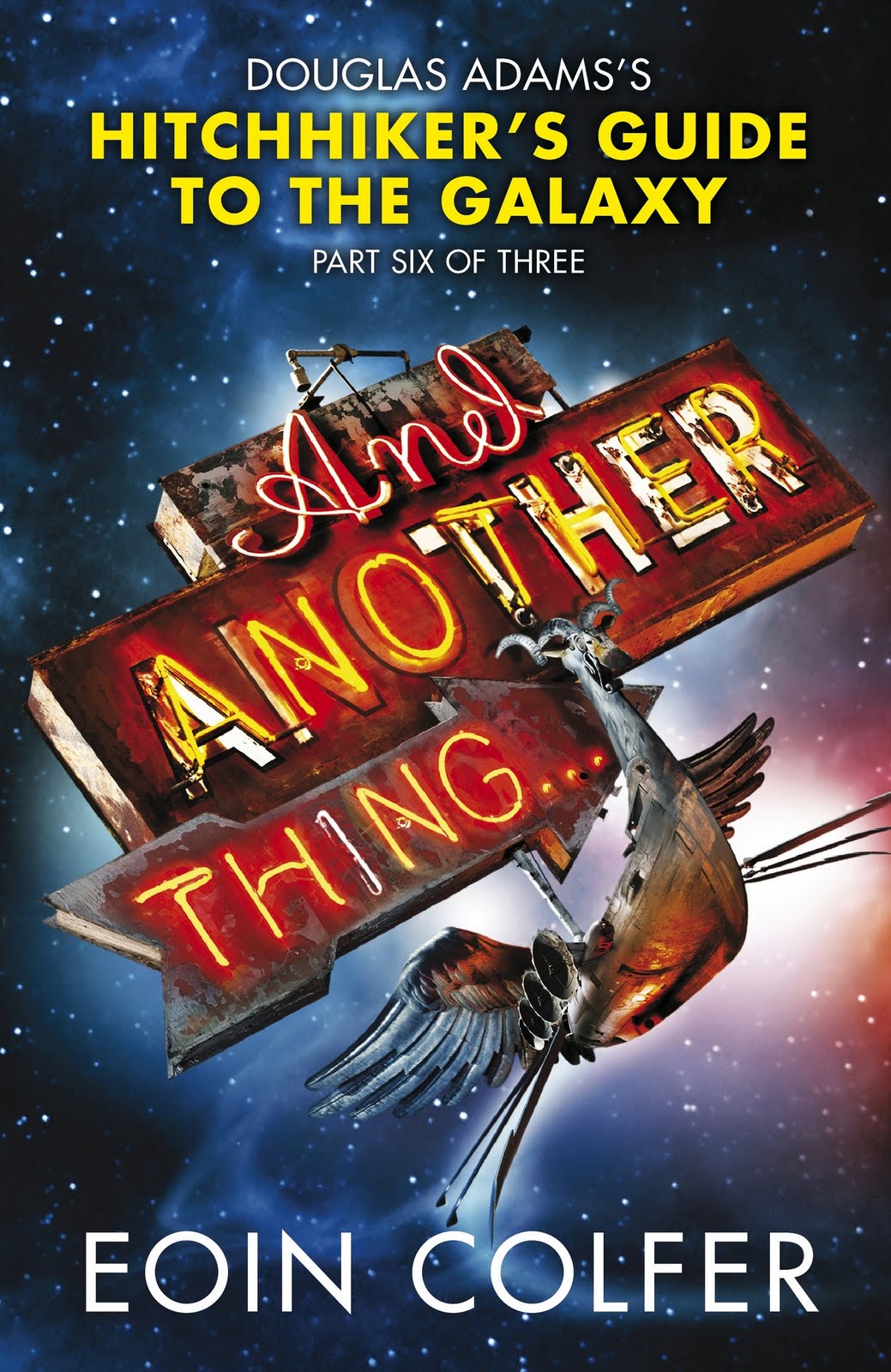
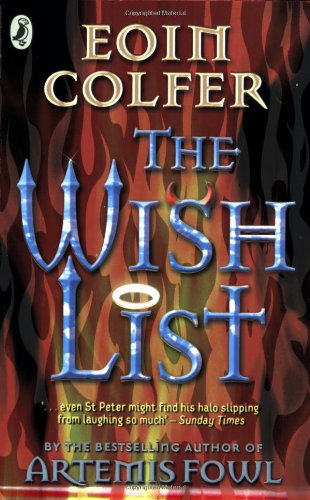
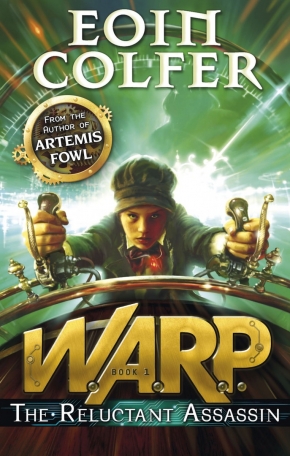
MICHAEL A. VENTRELLA: I am pleased to be interviewing Eoin Colfer today, whose “Artemis Fowl” books I’ve enjoyed for years (although I have not read THE FINAL GUARDIAN – I know, I know, it’s been out for a while now so I have no excuse)… Other titles include THE WISH LIST, THE SUPERNATURALIST, and the “Legends” series for younger readers. Eoin’s books have won numerous awards including The British Children’s Book of the Year, The Irish Book Awards Children’s Book of the Year and The German Children’s Book of the Year. The BBC made a hit series based on his book “Half Moon Investigations”. Eoin-Colfer-003In 2009, Eoin was commissioned by Douglas Adams’ estate to write AND ANOTHER THING…, the concluding episode of the HITCHHIKER’S GUIDE TO THE GALAXY series, which became a worldwide bestseller. Eoin also writes crime novels featuring Irish bouncer Daniel McEvoy. The third and final book in his WARP sci-fi series will be released in Summer 2015. Eoin is currently serving as Ireland’s Children’s Laureate and wears the medal at all times, even in the bath.

First: Will there finally be an Artemis Fowl movie? It seems that it has been in the planning stages for many years now… What’s the latest scoop?

EOIN COLFER: The Artemis movie has been in the planning stages for almost 15 years. There have been dozens of scripts, several directors and even casting search through Ireland. As far as I know the studios finally have a script they are happy with and it has been sent to a select few directors. So fingers crossed one of them will sign on the dotted line.

VENTRELLA: Where did the inspiration for Fowl come from?

COLFER: I have always been drawn to the dark side — or at least the characters who inhabit the dark side. I find these guys make interesting subjects. I have always preferred Captain Hook to Peter Pan and Hannibal Lecter to Clarice Starling. The specific inspiration for Artemis came from a photo of my brother Donal in a suit when he was making his first Communion. There was a devilish look on his face gave me the idea for a child criminal mastermind.

VENTRELLA: Many juvenile series never allow their characters to age or change. When creating Fowl, did you consider a long-term development where he gradually matured and realized some of his past mistakes or did that sort of evolve on its own?

COLFER: To be honest, I had a vague idea that I would like to do a series if anyone bought the first one. After that it went in stages. First I signed for three. 51TOGLEV4OLThen three more, then two singles. So each adventure was pretty much standalone, like the Bond books. I realized that the thread would have to be Artemis’s development and so I built in a little aging into every book. Sometimes a week went by between adventures, sometimes a year. By the end of eight books, Artemis had aged just over three years.

VENTRELLA: How much of the series was planned out in advance?

COLFER: I plan each book just before I start, but I do keep a file open for the next book into which I jot random ideas as they occur and hope that my subconscious knits them together. This actually works sometimes.

VENTRELLA: Is THE LAST GUARDIAN really the final book in the series or can you imagine coming back to the character? Or maybe a series with one or more of the other characters? (“The Butlers!”)

COLFER: That is a good idea. I might steal that. I am definitely finished with Artemis but I have always said that there are a few characters that could carry their own book. I was thinking of the Fowl Twins as they grow older and more nefarious, they could discover the fairy world all over again.

VENTRELLA: Speaking of final books that aren’t, what special problems did you face when writing the sixth book to the HITCHHIKER’S GUIDE TO THE GALAXY series? (For instance, having to deal with a cast that died in the previous book?)

COLFER: The major problem was my own insecurity. As soon as I agreed to it I wondered ‘why the hell did I do that?’ as did most of the internet. I never worried about the continuity of the storyline as Douglas had already invented the perfect solution: This is simply another parallel universe. It was his Bobby waking up in the shower solution, except more scientific(ish).

VENTRELLA: In AND ANOTHER THING… Arthur takes a backseat to Zaphod, who seems to be the main character in much of the book. How did you decide who to center the plot around?

COLFER: I have always loved Zaphod. He is so selfish and narcissistic, and exactly the kind of character who is a hoot to write. Also I thought the idea of celebrity for being outrageous worked really well in a modern context.

VENTRELLA: What is your favorite HITCHIKER’S version? Book? Radio show? TV show? Movie? (What did you think of that movie, anyway?)

COLFER: My favourite books are numbers 1 and 2. But I have a soft spot for the radio shows and I Was lucky enough to be allowed to play the cow in the South Bank staging (maybe they were trying to tell me something). And Another Thing by Eoin Colfer I liked a lot of things about the movie. I thought the cast was wonderful. I wish they had put some of the original TV cast in somewhere though. Also at the end of the day, it wasn’t funny enough.

VENTRELLA: Will there be a seventh book? If not, why not?

COLFER: When Douglas’s family asked me to finish off the series they said that Douglas had wanted to end it more positively, and also they wished to bring the series back to the forefront of UK sci-fi. I don’t think it had ever been away but when AND ANOTHER THING came out, the entire series went back into the charts so I felt I had done what I set out to do. I don’t consider my book the official ending, I consider it a tribute that reminded people of this amazing series. I think someone with a profile should do one every five years or so, but not me. One is a tribute but two is trying to take over and no-one could ever replace Douglas Adams..

VENTRELLA: How is writing for graphic comics different? What limitations are there?

COLFER: I write them pretty much the same way with my writing partner Andrew Donkins, then he slices the story into picture sized chunks. I am spoiled really. I love graphic novels and we are doing our first original one this year.

VENTRELLA: I’m working on a steampunk novel now, so I am interested in your new WARP series. What intrigued you about this story?

COLFER: I was inspired by a very old ITV series called “The Tomorrow People”. I loved the ides that people could arrive from the future armed with a bit of extra knowledge that would be a terrible advantage in the wrong hands and so of course I put it in the wrong hands. And as a reader and writer I have always loved Victorian London.

VENTRELLA: Why do you think steampunk is popular now? What is it that makes it appealing?

COLFER: I think these things go in cycles. It was magical fantasy for a few years, then vampires, then dystopia and steampunk is rising now. You just have to write what you write and avoid jumping on bandwagons because that wagon will have moved on by the time you get there. 51sqxUCwjpLI was very lucky that my first magical book, THE WISH LIST, came out just before the “Harry Potter” boom and so I was in the right place and the right time. Thanks JK.

VENTRELLA: How did you first become interested in writing?

COLFER: My parents were both writers. My dad was a noted historian and my mother has a women’s group who write stage plays, so there was no escape for me.

VENTRELLA: How did you get started? What was your first story or book published?

COLFER: My very first page to be published was an illustrated crossword for an annual when I was in college. I was paid £10. It was the last time I would ever be paid for artwork.

VENTRELLA:How much of writing is innate? In other words, do you believe there are just some people who are born storytellers but simply need to learn technique? Or can anyone become a good writer?

COLFER: That is a hard question. I think most writers really have to work at it. It took me 13 years of constant writing to get to a stage where I was worth publishing. There has to be some spark there I think to elevate the books to another level and I see that in other writers all the time, but never myself. Reading my own books during public readings wince and I even edit as I go.

VENTRELLA: What is your writing process? Do you outline heavily or just jump right in, for instance?

COLFER: I do an outline, nothing too serious, a few pages maybe and then jump in. Recently I find myself writing out of order and doing whatever excites me straight away.

VENTRELLA: Do you find yourself creating a plot first, a character first, or a setting first? What gets your story idea going?

COLFER: It is nearly always character with me. I think of an interesting protagonist and build the story around them, but very often it is the supporting characters who tend to take over.

VENTRELLA: Writers are told to “write what you know.” What does this mean to you?

COLFER: I think it is a good idea for the first book or two to stick to an area with which you are familiar or have some facility. After that throw off your shackles I say.

VENTRELLA: What do you do to avoid “info dumps”? 9780141341767-290x457

COLFER: I try to layer info as I go, and let the character’s personality speak through his/her actions. No-one wants ten pages of exposition, unless you can do it like Conan Doyle and make it a story within a story.

VENTRELLA: When going through second and third drafts, what do you look for? What is your main goal?

COLFER: I want to streamline and pare back the language. Less is more where writing is concerned unless it is specifically part of the character or narrator’s personality.

VENTRELLA: What criticism of your work do you disagree with the most?

COLFER: I think I found it hurtful when some reviewers thought Artemis Fowl was a dangerous book for children to read, as I thought it was quite tame. Luckily that opinion has died off mostly. I also felt wounded when I was accused of writing the HITCHHIKER for a payday when actually I wrote it as a labor of love and took a large pay cut.

VENTRELLA: Science Fiction doesn’t seem to be selling as much as fantasy these days, including urban fantasy and all the varieties. Why do you think that is?

COLFER: I think sc-fi will have its day again. Maybe Star Wars will bring it back. I think Dr. Who certainly helps.

VENTRELLA: Do you think it is important to start by trying to sell short stories or should a beginning author jump right in with a novel?

COLFER: That depends on the author. I think short stories are really difficult to write and not a practice ground for novel writing as people might think. It is up to the individual I think.

VENTRELLA: What’s your opinion on self-publishing?

COLFER: I was a bit condescending towards it, but I have a good friend who sells thousands on Amazon and keeps all the cash, so I am opening my eyes to its merits. But I think like traditional publishing, it is swamped by product.

VENTRELLA: In this market, with the publishing industry changing daily, how important is the small press?

COLFER: Small presses are vital for publishing quality works which might not have a shot in the blockbuster world. 61DzuBEFeSLI have two books with Barrington Stoke who do gorgeous print runs and I hope to do more with them. I could probably make a few bob more going with a big publisher but I love what Barrington do so much. I will have those editions forever.

VENTRELLA: What sort of advice would you give an un-agented author with a manuscript?

COLFER: I would tell them to work those first 50 pages till their fingers bleed and their brains ache, then find an agent.

VENTRELLA: What’s the worst piece of writing advice you ever got?

COLFER: I was told by a person in the industry once that I should never write fiction about minorities as I would limit my audience.

VENTRELLA: What’s the best piece of writing advice you ever got?

COLFER: A friend and co-writer once advised me to write the story that my brain could not keep inside for much longer.

VENTRELLA: What projects are you working on now? What can we expect next from you?

COLFER: I am editing the last WARP book which is coming out in June and working on a graphic novel with Andrew Donkin and Giovanni Rigaono. After that, IMAGINARY FRED, a picture book with Oliver Jeffers, comes out in October.

VENTRELLA: With a time machine and a universal translator, who would you invite to your ultimate dinner party?

COLFER: Freddie Mercury, Arthur Conan Doyle, Kate Bush, Kyril Bonfiglioli and Patricia Highsmith.