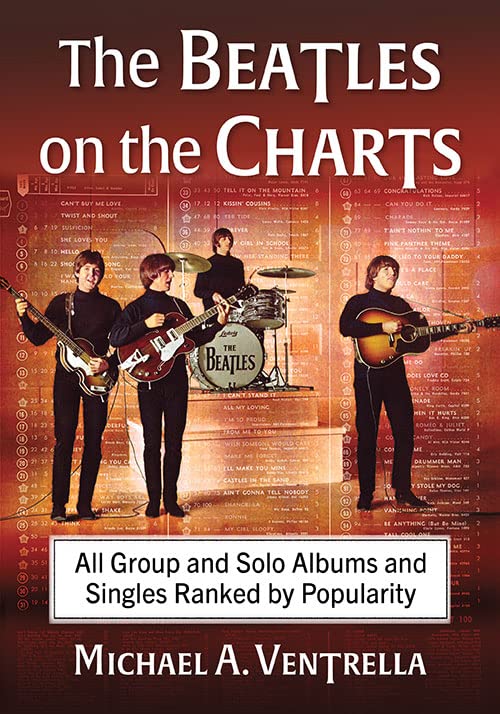
For this nonfiction book, I went through every Billboard magazine album and single chart since 1964 and kept track of which albums and songs appeared where on the charts for The Beatles as well as in their solo careers. I then assigned points: 100 for a song at #1 down to 1 point for a song at #100. The higher a song or album got on the chart and the longer it stayed on the chart, the more points.
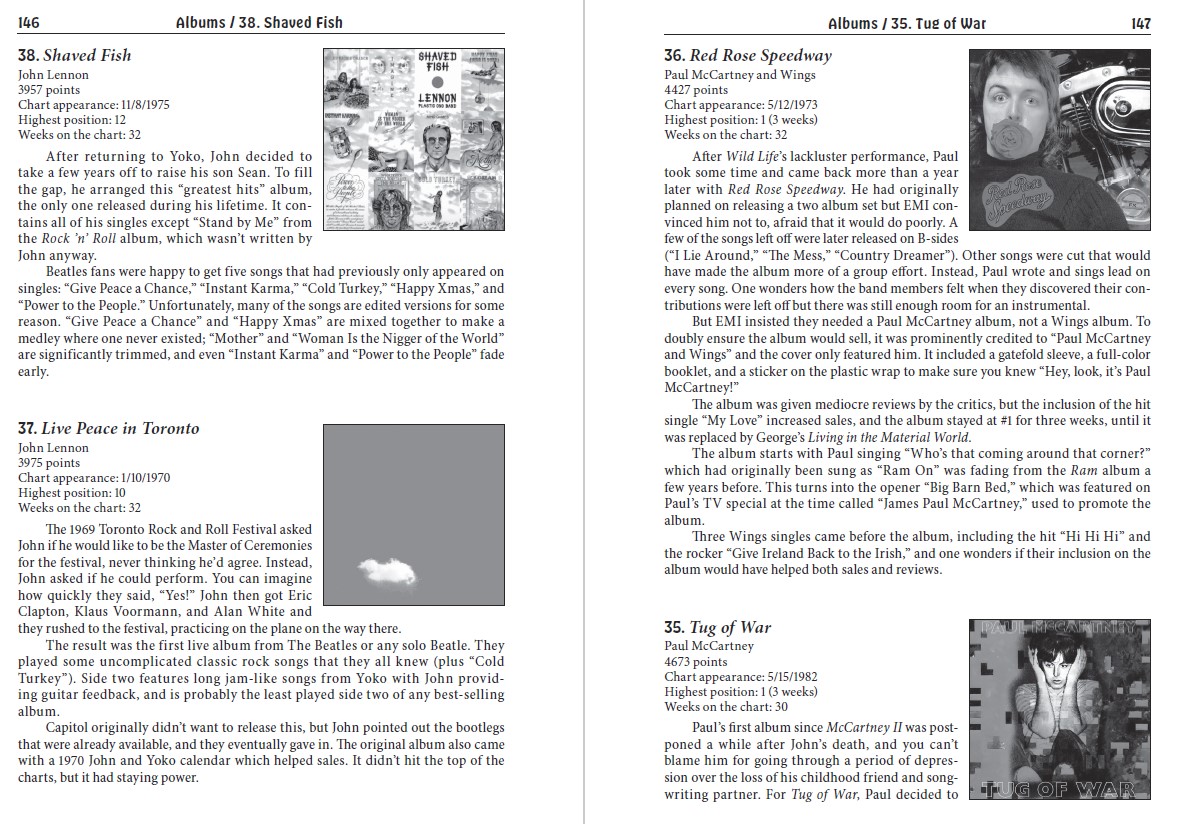
I then count them down! Each entry has a picture of the album or single sleeve, details about its release date and highest position, and a short essay on each examining why it was or was not successful (as well as giving some interesting trivia info). There were 162 singles and 164 albums that made the charts, and you may be surprised at where some of your favorites have ended up.
Then there is an introductory chapter, a chapter explaining how the charts work and have changed over the years, a complete discography, and much more that every Beatles fan will want.
“For the U.S. Beatles narrative since 1964 the group’s Billboard chart performance has served as an instant thumbnail guide to their powerful popular culture presence….Michael A. Ventrella deftly takes the story through multiple iterations of chart rules and statistics to reveal successes deep into the solo years. This is an impressive guidebook to nearly six decades of Beatles music.” ― Walter J. Podrazik, co-author All Together Now: The First Complete Beatles Discography
…
“The Beatles on the Charts is a different and entertaining way of looking at the chart success that the Beatles had and continue to have.” ― Bruce Spizer, Beatles author/historian
…
“Ventrella’s insights, plus his ranking system give the familiar singles and albums a decidedly unique twist and is a fun read for both novice and expert Beatles fans alike.” ― Mark Arnold, author of Mark Arnold Picks on the Beatles
…
“The Beatles on the Charts checks all the boxes. It’s a fun read, ridiculously well-researched, and presents information―specifically how and why they charted―in a completely new way…this book will rank high on your charts.” ― Charles Rosenay, author of The Book of Beatles Top Ten Lists; Beatles festival producer
…
“The Beatles on the Charts not only provides invaluable information, but is written in an engaging, often humorous tone. Fans and scholars will find this book a vital addition to the growing body of Beatles research.” ― Kit O’Toole, Songs We Were Singing: Guided Tours through The Beatles’ Lesser-Known Tracks
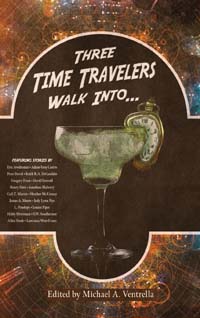
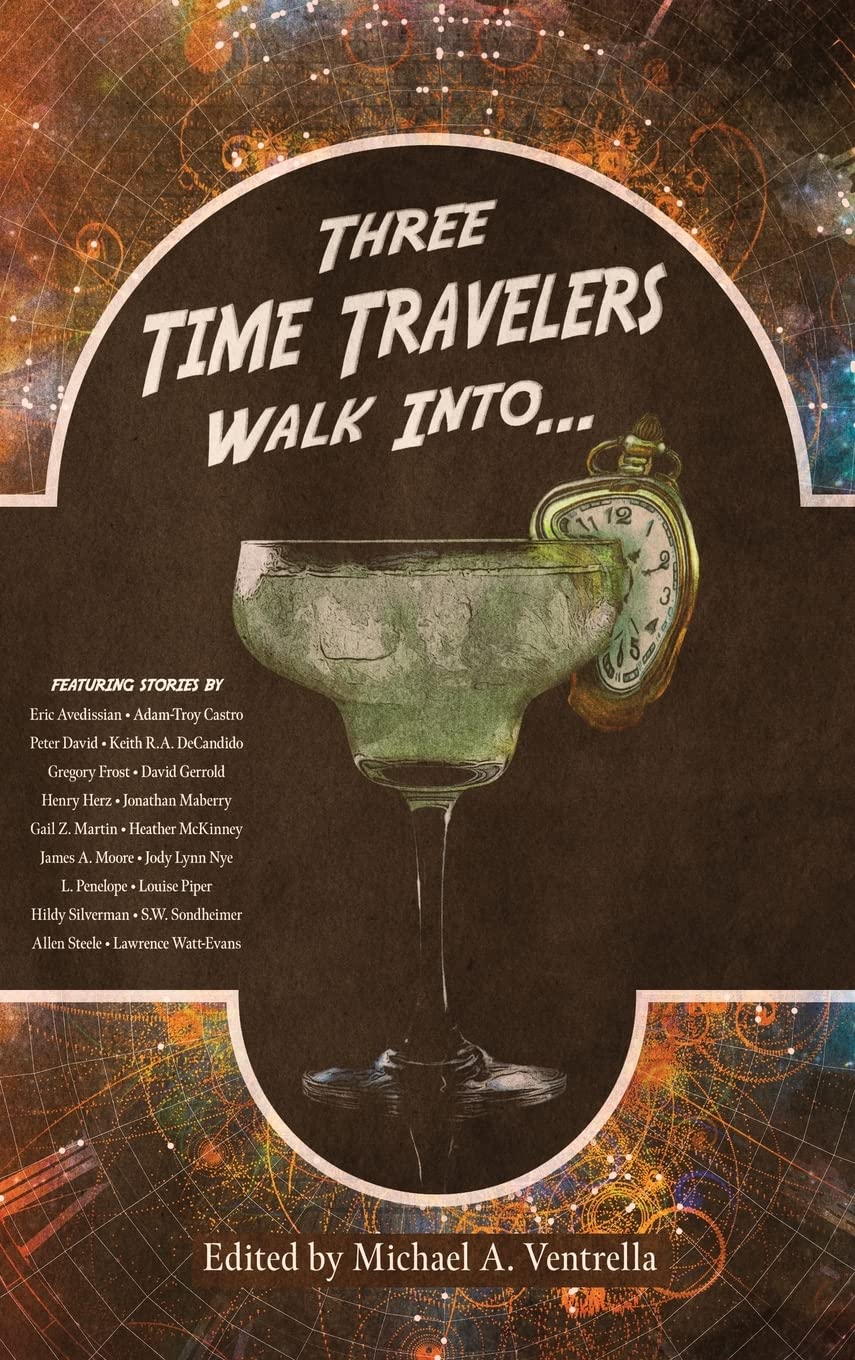
THREE TIME TRAVELERS WALK INTO . . . Edited by Michael A. Ventrella Fantastic Books, $16.99 ISBN: 978-1-5154-4778-8
The title sums up the premise of this entertaining anthology: in each story, a group of time travelers from different eras meet—either on purpose or accidentally—and therein lies the tale. Ventrella has brought together eighteen authors, including Jody Lynn Nye, Allen Steele, Lawrence Watt-Evans, Gail Z. Martin, David Gerrold, Peter David, and Hildy Silverman, among others.
The stories take every imaginable angle on the premise, which—despite sounding like just the setup for a wacky joke—offers plenty of scope for writers who want to take a more serious tack. As one might expect, the time travelers cover almost the entire scope of our history. Ventrella notes, in a witty introduction to the collection, that some of the most popular characters in the submitted stories were Joan of Arc, Cleopatra, Shakespeare, Marilyn Monroe, Jane Austen, and Mark Twain. The finished volume includes none of those, but the roster of those included is distinguished enough.
Some of the stories bring together characters with similar fields of expertise—for example, Gail Martin’s “The Mystic Lamb” assembles Edgar Cayce, Maggie Fox, Harry Houdini, and Nicola Tesla to explore questions related to spiritualism and extrasensory perception. In “A Christmas Prelude,” Peter David goes against the grain to assemble fictional rather than historical characters—Don Quixote, Ali Baba, and Mephistopheles—to deliver a life-altering message to another fictional character who will be familiar to all. In “The Adventure of the Confounded Writer,” Arthur Conan Doyle, H.G. Wells, and Ed McBain are brought together to alter history for the better. And one writer—no spoilers here—gives a younger version of himself a chance to alter history after meeting two of his mentors and the version of himself who has lived through our history—a tour de force of time-travel twists and turns.
All in all, this is a highly entertaining volume based on a classic SF theme. It would have been interesting to see what editor Ventrella—himself a widely published author of short fiction and novels—might have contributed, given the rich possibilities of his premise. Bet it would have been good! He deserves kudos for this thoroughly readable collection. Recommended.
Posted on January 18, 2023 by Michael A. Ventrella
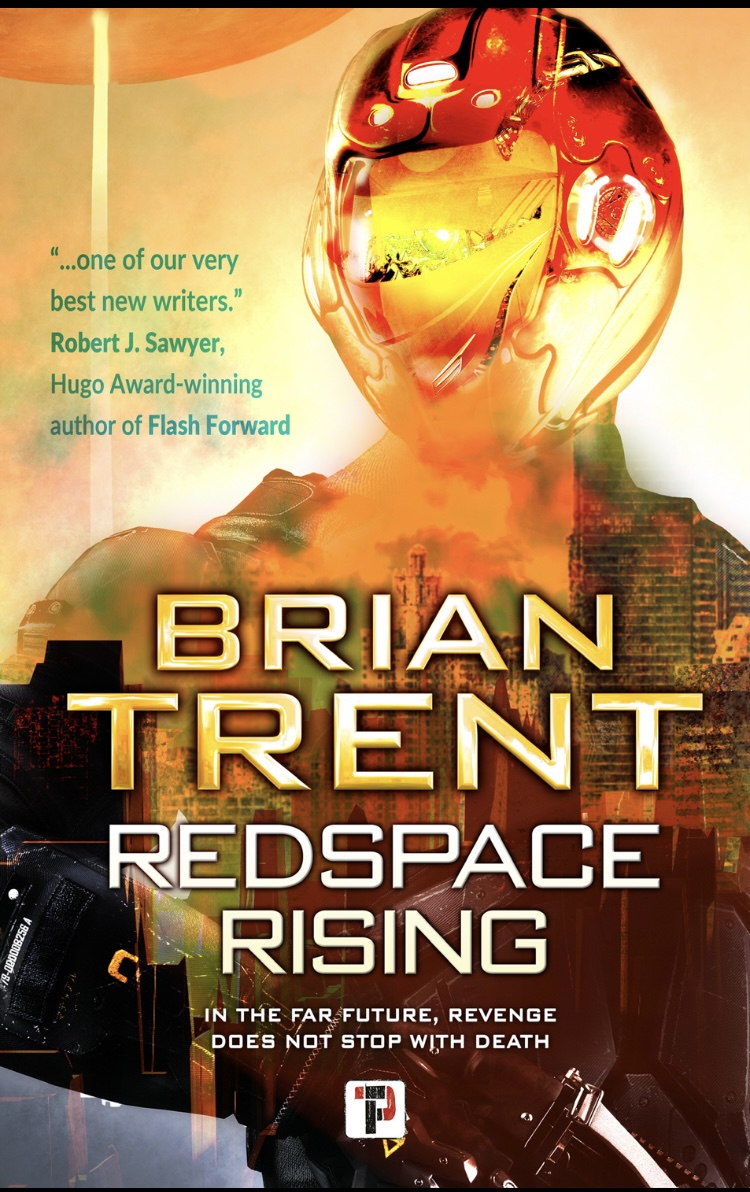
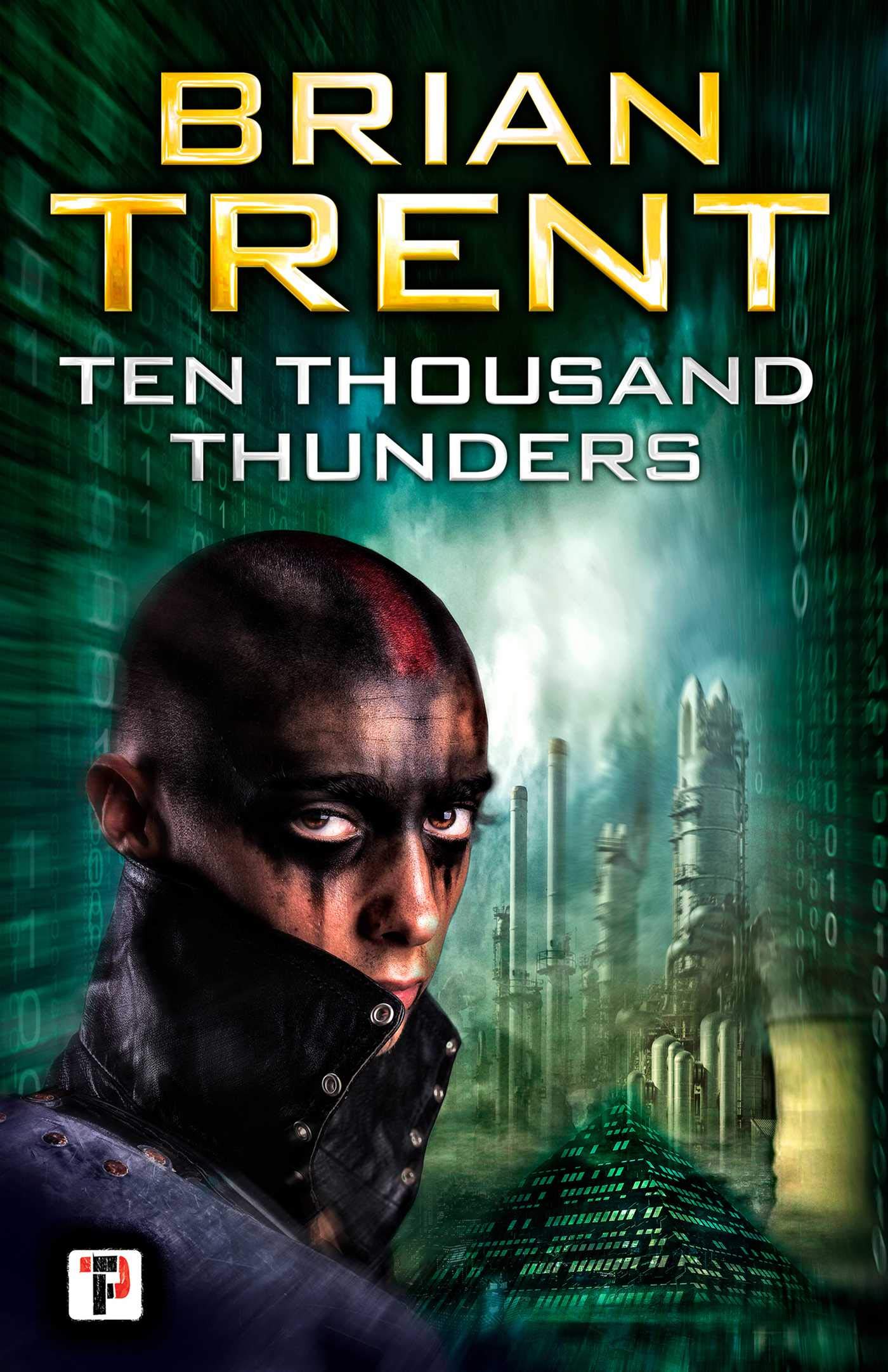
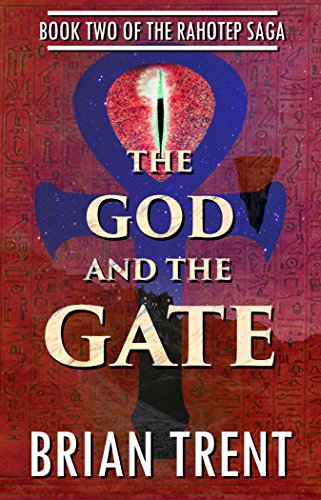
MICHAEL A. VENTRELLA: Today I’m pleased to be interviewing Brian Trent. Brian is the award-winning author of the sci-fi thrillers REDSPACE RISING and TEN THOUSAND THUNDERS. He’s published more than a hundred short stories in the world’s top fiction markets, including in the New York Times’ bestselling Black Tide Rising series, The Magazine of Fantasy & Science Fiction, Analog Science Fiction and Fact, Nature, Daily Science Fiction, Escape Pod, Pseudopod, Galaxy’s Edge, and numerous year’s best anthologies. Trent lives in a tiny mountaintop town in Connecticut. His website and blog are at www.briantrent.com. If you’ve read my anthology RELEASE THE VIRGINS, you’ll be familiar with his work!
Brian, first tell us about your latest work!
BRIAN TRENT: REDSPACE RISING is set in a distant future where people can upload their minds at Save clinics, and download them into new bodies at a whim. Death is a passing inconvenience. Your memories, desires, dreams and fears are stored for easy retrieval.
In that future, Harris Alexander Pope is the man who ended the Partisan War on Mars. All he seeks now is solitude and a return to the life that was stolen from him. Yet when he learns that the worst war criminals are hiding in other bodies, he’s forced into an interplanetary pursuit. Teaming up with other survivors eager for their own brand of vengeance, Harris begins to suspect a darker truth:
Maybe what he remembers about the war isn’t what happened at all.
REDSPACE RISING is a futuristic thriller that explores questions of memory and identity. It’s set on a Mars that has come under control of a fanatical political regime which has dialed up the worst traits of nationalism to a planetary scale, and which uses propaganda in truly insidious ways. I was inspired to write it after hearing my grandfather’s stories of how, after World War II, British agents pursued Nazi war criminals who’d escaped the Nuremberg trials and went into hiding under new identities.
Locus Magazine was kind enough to say of my book: “Once begun, Redspace Rising will grip you by the throat–like its soldier protagonist grips his many enemies–and compel you to read it all the way to its jubilant, battered conclusion. And you’ll be very grateful.”
VENTRELLA: What kinds of readers do you think would be interested in your book? In other words, whose work do you think your book is comparable to?
TRENT: I think anyone who likes a combination of action and thoughtful drama would enjoy REDSPACE RISING. I really love world-building—it’s one of my passion as a writer—and I think the future depicted in the book is fairly unique. It’s set a thousand years from now. There’s a lot of room to be creative, and to play around with unusual technologies, when you’re operating that far into the future.
Generally speaking, I think there’s some thematic alignment with Philip K. Dick, Neal Stephenson, and William Gibson. Some reviewers have favorably compared it to The Expanse. I should say that readers who are familiar with my short fiction in The Magazine of Fantasy & Science Fiction will recognize some of the characters, but no familiarity with those stories is required to enjoyREDSPACE RISING. It stands on its own.
Also, anyone who is a history and mythology fan might enjoy this. I’m an unabashed geek for all things ancient and mythical.
VENTRELLA: Let me say to any who have not read RELEASE THE VIRGINS that Brian’s final sentence in his story is one of my favorite final sentences ever. Where did the idea for your VIRGINS story come from?
TRENT: Thank you for the compliment! Given the anthology’s theme, I figured you’d be getting lots of stories of chaste maidens and unicorns, so I wanted an idea that would stand out from the pack. One morning, I was at my local grocery store. I overheard a guy on his cellphone telling someone—in excruciating detail—all about his daily workout routine. I swiftly imagined a velociraptor slamming into him, sending him sprawling down the pasta aisle. (I generally imagine various demises for people who talk too loud on their phones in public).
On my drive home, it occurred to me that this might be the very idea I was looking for. As to how I’d justify a dinosaur being in a grocery store… well, I decided to make it the ghost of a dinosaur. We’ve had stories of Victorian ghosts and pirate ghosts. Why not a Cretaceous-era poltergeist?
I pitched the idea, and you advised me that no one else was doing a story like that. So the store, the guy, and some 65-million-year-old virgins all went into “Old Spirits.”
VENTRELLA: You’ve been fairly prolific, with quite a few stories published every year. How do you find the right markets for your stories?
TRENT: I write a lot of stories. Just by law of averages, some are hard SF, some are fantasy, some alternate history, some lurid horror. It helps to have a body of work—the more lines you cast, the likelier it is to get a bite. At any given moment, I have a half-dozen stories or so under consideration.
I strongly encourage new writers to study the markets. It’s not an exact science, but it helps you get a read on what each editor likes. I rarely write with a specific magazine in mind; it’s only later that I sort the submission schedule according to what story I think would be best received by which venue. People will often say that nuts-and-bolts sci-fi is ideally suited for Analog, for example, and there’s certainly some truth in that. But it ultimately comes down to the story and editorial preference. Study the markets. Read lots of fiction. And never dismiss editorial feedback out of hand—you’ll know when you’re getting closer to making a sale when the feedback becomes more personal and tailored. It’s always disheartening when we receive the dreaded standardized rejection letter—even now, I automatically scan for the word “Unfortunately”. It’s always a pleasure to see the word “Congratulations” instead. The better you get to know the genre and the industry, the better your odds of success are.
But sometimes there’s no way to anticipate how a story is received. I’ve been published several time at Daily Science Fiction (one of my favorite venues, which regrettably closed its doors to submissions last year) and I never had any clue which stories of mine they would buy and which ones they’d reject.
VENTRELLA: Let’s separate writing from storytelling for a minute. Writing skills can be taught, but do you think it’s possible to teach how to tell a good story, or is that just some kind of talent that not everyone has?
TRENT: That’s a really good question. The human brain is a wonder of neuroplasticity and adaptability. We’re capable of extraordinary feats of learning, and I have to believe that if you stretch your imaginative muscles neurons, most people can learn to become better storytellers.
On the other hand, I was writing stories from the moment I could get my hands on a crayon (and I know this is the case for lots of writers), so I think a case can easily be made that some of our creative natures comes genetically preloaded.
VENTRELLA: What’s the best advice you would give to a starting writer that they probably haven’t already heard?
TRENT: Eliminate your distractions. We live in an unparalleled age of things vying for our attention. It isn’t enough to say that you should stay off your smartphone—I encourage writers to hide their phones in another room when they’re ready to sit down and write. It may gnaw at your thoughts like the One Ring, but having it literally out of reach is a big step towards being productive. I know writers who incessantly grieve how they never have time to write, while they make twenty Facebook updates daily and engage in yet another online flame war. No one will remember our hashtags a hundred years from now, but people still read Sophocles and Sappho.
The trick is to make writing a habit. You don’t have to write 11 hours a day. You don’t even need to write every day. Rome wasn’t built in a day, right? There’s a line in THE TWO TOWERS (the book) from an unusually eloquent Gimli. The dwarf catches sight of the caverns beneath Helm’s Deep, and he explains to Legolas how the children of Durin would “tend these flowering glades of stone.” As he explains: “With cautious skill, tap by tap–a small chip of work and no more, perhaps, in a whole anxious day–so we could work…”
In the same way, if you only manage to write a few hundred words, that’s okay! It’s a few hundred words closer to completion. That’s the tap of the dwarven hammer, methodically opening up new passageways.
Need to do research? Not while you’re writing, you don’t. Research is imperative to a story’s construction but there are times to do it and times not to, and when you’re sitting at your computer facing the glacial whiteness of a blank document, that’s exactly the wrong time. “Doing research” too often becomes synonymous with procrastination. I research my stories during my off-hours, or while riding a train, or on weekends, or at libraries. When I sit down to write, I’m writing.
VENTRELLA: What’s the worst piece of advice you’ve heard people give?
TRENT: “Wait until you’re inspired.”
Waiting around for Godot or the Great Pumpkin is an incredibly self-defeating tactic. Instead, go to a museum. Hike a trail. Talk to people—especially those outside your social circle and who’ve had jobs/experiences you haven’t. Play a new game. Learn to cook a new meal. Try horseback riding or haiku. Inspiration can arrive like a thunderbolt, sure, but more often it needs to be tracked down. Even Emily Dickinson found inspiration when she interacted with the world, whether it was watching a narrow snake in the grass or watching a train lap the miles on the horizon.
I met an archaeologist at a party once. She was kind enough to indulge my questions on her profession, on what it was really like to work at a dig-site, what her average day in the field entailed. I didn’t have a story in mind at the time, but man… my imagination was crackling after talking with her. The result was my most recent story in The Magazine of Fantasy & Science Fiction (“The Song of Lost Voices” in the July/August 2022 issue).New experiences, new knowledge, new places, new ideas… this is all spectacular fuel for our creative engines. If I waited around inspiration, I’d never get anything done. I’d be Jack Nicholson at the typewriter in The Shining.
VENTRELLA: What writing projects are you working on now?
TRENT: I’m working on an exciting alternate history series of books. I adore alternate history—it feels like a natural fit.
I’m also hard at work on the sequel to REDSPACE RISING, and I’ve been commissioned to write for a couple anthologies. Beyond that, I’m working on some random projects.
Readers interested in my latest news, updates and publications can check out my website and blog at www.briantrent.com.
VENTRELLA: With a time machine and a universal translator, who would you invite to your dinner party?
TRENT: Thanks for including the universal translator! I’d have an eclectic soirée. Livy, Archimedes, Herodotus, and Hypatia would be guests of honor. I also have a number of democracy-related questions for Pericles, so I’d be sure he got an invitation and came prepared to debate. And it would be outstanding to hear the life story of Xenophon from Xenophon himself (in REDSPACE RISING, I named an AI after him).
The ancient navigator Zheng He would be there, too. I’d love to hear of his maritime adventures, and to get details on his extraordinary ships.
I wouldn’t need the translator for H.G. Wells and Mary Shelley, but they’d have to attend.
Lastly, I’d have Otzi the Iceman, if only to learn who murdered him and why.
And everyone would be required to bring a book that’s been lost to history. Except Otzi. He’s been through enough.
Posted on November 21, 2022 by Michael A. Ventrella
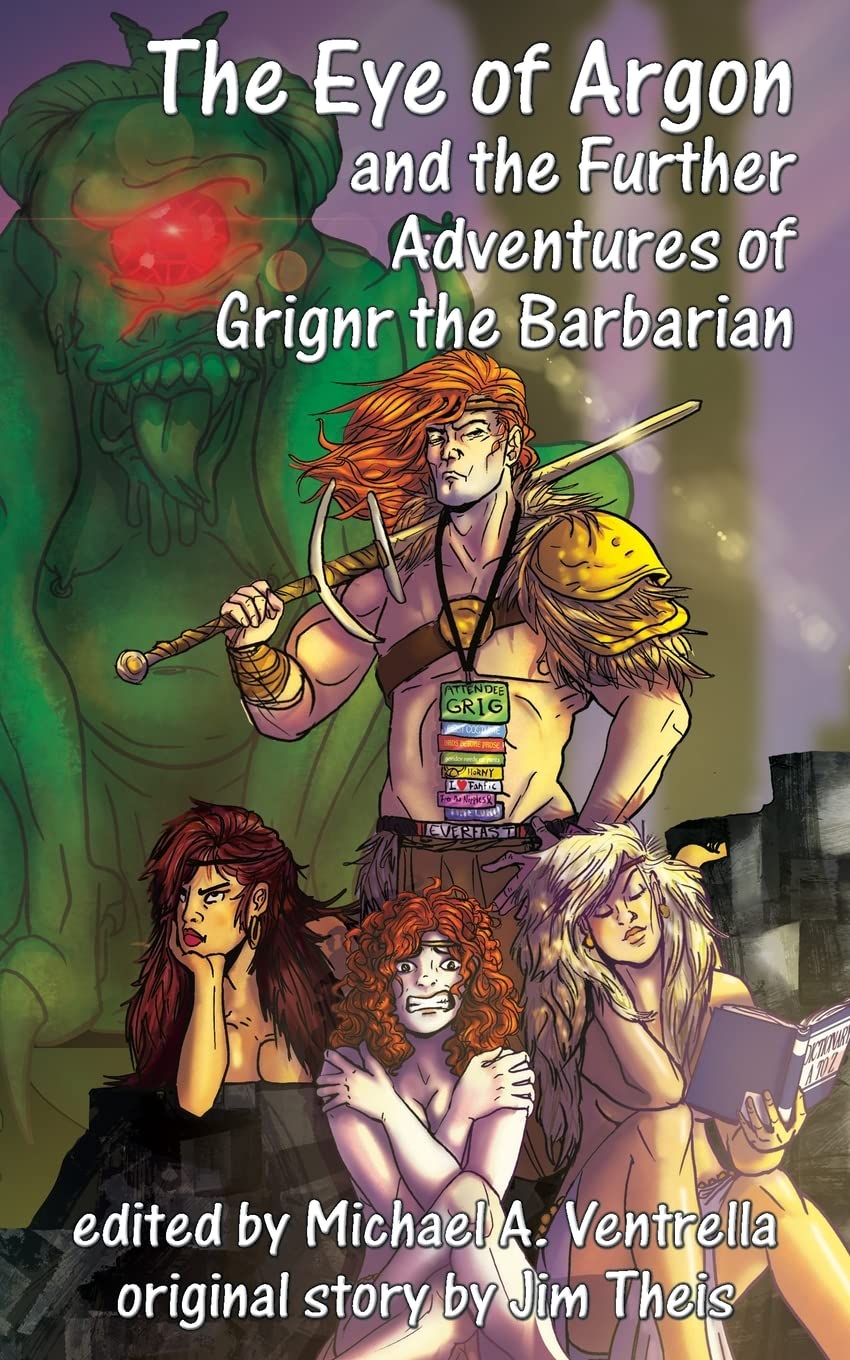
“The Eye of Argon,” by all rights, should have languished, a forgotten or ignored piece of amateur fantasy fiction published in a fanzine half a century ago. But it didn’t. Somehow, it was detached from those ignoble beginnings, and gained an underground cult following at science fiction conventions.
And then it grew. And the rituals involved in sharing the story grew. And now it has attained near-legendary status, sort of like the favored uncle you always seek out at family gatherings, but would be embarrassed if your real-world associates knew was related to you. Well, we’re not embarrassed, though perhaps we should be….
This book contains the original story by Jim Theis, and then adds new, hilarious contributions to the mythos from Keith R.A. DeCandido, Genevieve Iseult Eldredge, Daniel M. Kimmel, Peter Prellwitz, Hildy Silverman, Ian Randal Strock, Jean Marie Ward, and me! Jody Lynn Nye wrote the introduction, and Monica Marier did the cover and inside art.
Posted on November 14, 2022 by Michael A. Ventrella
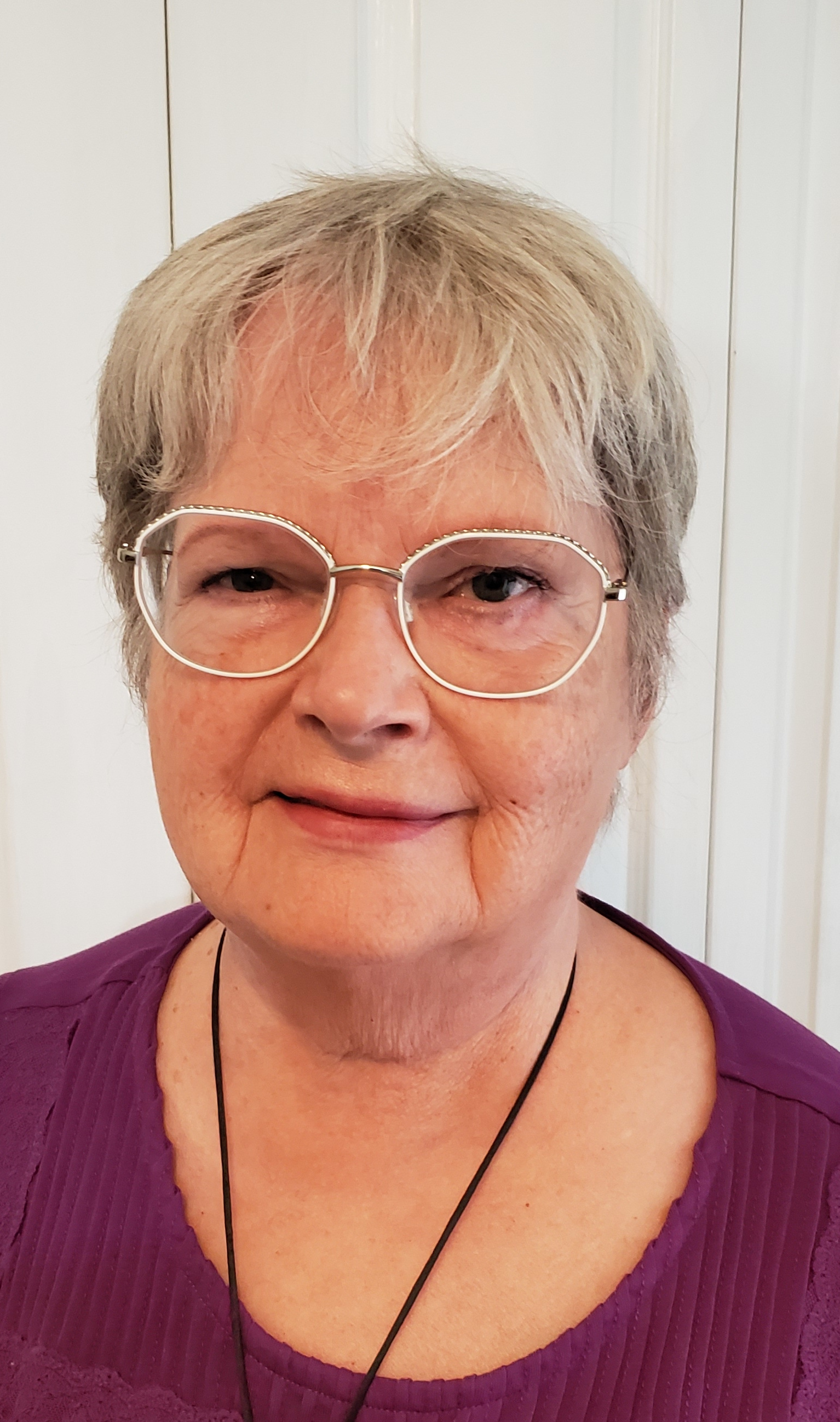
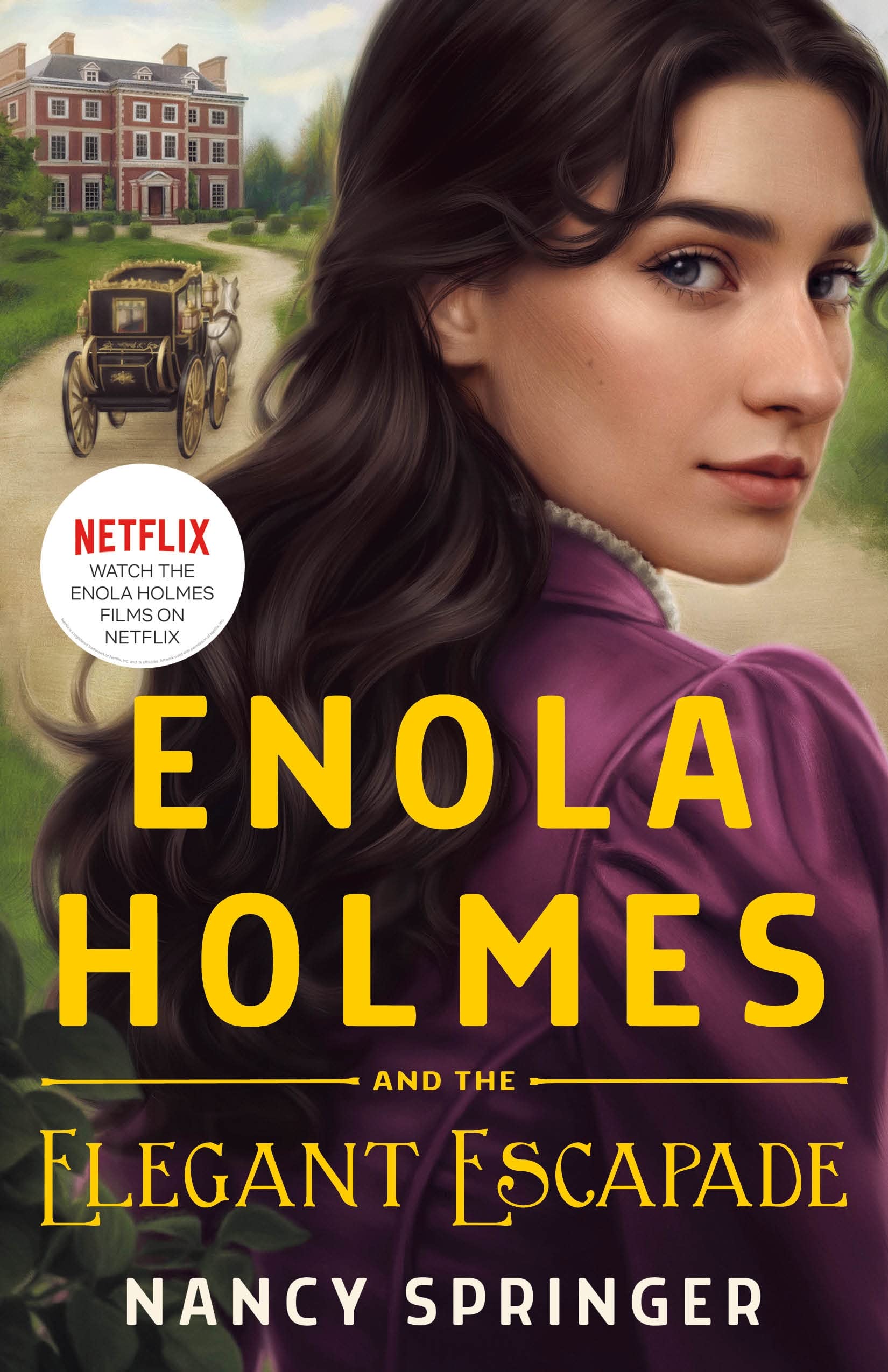
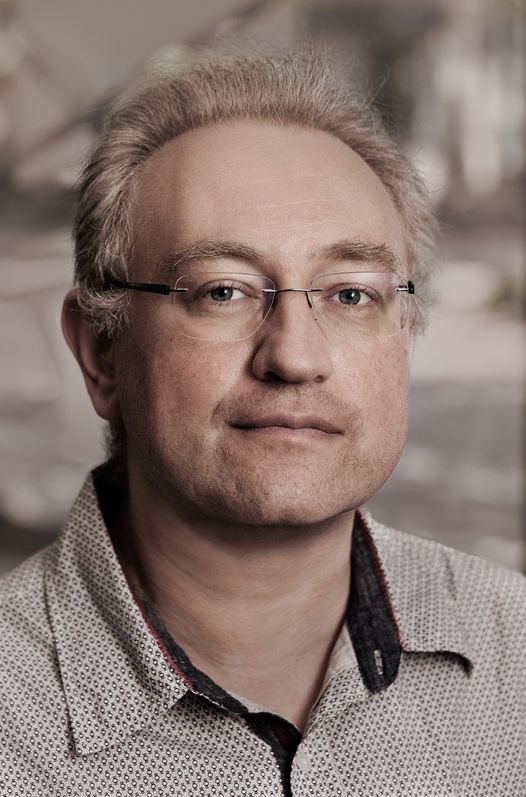
MICHAEL A. VENTRELLA: I’m pleased to be interviewing award-winning author Nancy Springer, a lifelong professional fiction writer who has published sixty novels in genres including mythic fantasy, contemporary fiction, magical realism, and mystery — but her most popular works, no contest, are a series of short novels about Enola Holmes, Sherlock Holmes’ younger sister. The movie “Enola Holmes,” released by Netflix in 2020, has become a blockbuster, and its recently released sequel, “Enola Holmes 2” promises to be the same.
Nancy, you’ve been writing mysteries and adventures for a while before the Enola Holmes series began. What inspired the series?
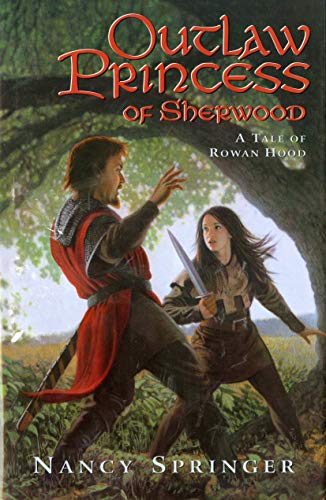
NANCY SPRINGER: The answer is disappointingly mundane: an editor I worked with phoned me and suggested that, for our next project, he would like something set in “darkest London at the time of Jack the Ripper.” I thought he was bonkers, but I knew where my bread and butter came from. So I thought, and thought, and eventually it occurred to me that Sherlock Holmes lived, fictitiously, at about that time. After doing some research to confirm that my sense of date was correct, gotcha! I would write a series much like my Rowan Hood books, except Enola would be the hero’s little sister, not his daughter. I knew her name, Enola, instantly. It just sounded and felt right.
VENTRELLA: As a co-editor (with Jonathan Maberry) of two anthologies of alternate Sherlock stories, I am clearly a Sherlock fan. What was it about Sherlock that got you interested? Have you heard from other Sherlock fans who are either pleased or upset with your version?
SPRINGER: Please say hi to Jonathan Maberry for me!
I have been reading Sherlock Holmes since I was a little kid: my mother had a complete set of Conan Doyle, and I cherish it still. I have heard from many, many people who love my version, although I have no idea whether they were Sherlock fans. I did hear from one grumpy man who accused me of succeeding as a writer by riding on Conan Doyle’s coattails. Well, I’d respond to that by reminding him I was a successful writer long before I wrote Enola Holmes.
VENTRELLA: I’ve read all eight Enola books, and I notice how well researched they are concerning life in England at the time, and specifically the rules and morals young ladies are forced to follow. How did you do your research and did you vary from the actual era at any time for the plot to work?
SPRINGER: I don’t think I ever committed anachronism, or if I did, it was by mistake. I depicted the late Victorian era in London as exactly as I could.
I did my research in all the conventional ways: reading, computer searches, watching classic movies about Sherlock Holmes, visiting antique shops — at one of which I was fortunate enough to examine a whalebone corset – but also in some unconventional ways. I ordered very grown-up coloring books about Victorian costume, Victorian houses, horse-drawn carriages, that sort of thing, and I colored them. In detail. For me, there is no better way to internalize information than by coloring. I photocopied from a costume book and colored those images, too. I ordered paper dolls of a Victorian family, and played with them. I found a venerable ledger to be my Enola Holmes “bible,” but I also used it to scrapbook my research – notes, stickers, pictures. I immersed myself in research for months before starting the first novel, then alongside writing the books for years – I don’t know how many years, because I don’t keep track of how long I work on anything.
VENTRELLA: So let’s talk about the films. How did that arrangement come about?
SPRINGER: Mysteriously, and mostly beyond my ken. My literary agent says that it started when she got a phone call from Millie Bobby Brown’s father, although she didn’t tell me this until years later. Apparently, Millie had read the Enola Holmes books and wanted to make a movie based on them. This would have been when she was in her early teens. I have no idea of how the arrangements were managed after that, but when I found out that I had a contract, and about MBB’s part in it, I just glowed, because most of my writing had been for teens, and now a teen had given back to me in a big way. This still amazes me.
VENTRELLA: Did you have any say in the filmmaking process?
SPRINGER: I played a minor part as a consultant. I saw the scripts and made suggestions that were not always listened to, but sometimes were.
VENTRELLA: So many authors are upset with the film versions of their books, but I know you’re pleased with these (after all, they’re done wonderfully). Any complaints?
SPRINGER: Just comments, not complaints. I wish they hadn’t dressed Enola as a boy; that is such a cliché. I wish they had dressed her as a lady with weapons concealed in her corset. And in the second movie, I think Enola’s mother gives her clues that Enola could have and should have figured out on her own; she’s quite bright, you know.
VENTRELLA: Not counting your Sherlock, who is your favorite filmed Sherlock?
SPRINGER: Jeremy Brett! No contest.
VENTRELLA: What is your writing process? Do you outline heavily or just jump right in, for instance?
SPRINGER: Neither. I don’t outline; I tried it once, and found I couldn’t write the book; all my energy had gone into the outline. So I often begin to write without knowing where the book is going. But I don’t just jump in. I wait until I have a very clear idea of the exact right way to start the book, in what place and what scene, with what words. For me, getting this right, starting in the right place with the right scene, the right words, is critical to how the book turns out. Those first few pages generate the energy that the rest of the work depends on.
VENTRELLA: Do you find yourself creating a plot first, a character first, or a setting first? What gets your story idea going?
SPRINGER: I suppose setting has to come first, because I need to know where my characters live. But setting is not a big deal to me; it’s just the matrix, like the canvas beneath a painting. From page one, it’s all about characters. The plot develops from what the characters do.
VENTRELLA: How did you get started? What was your first story or book published?
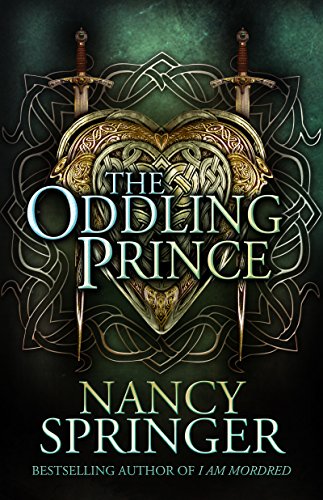
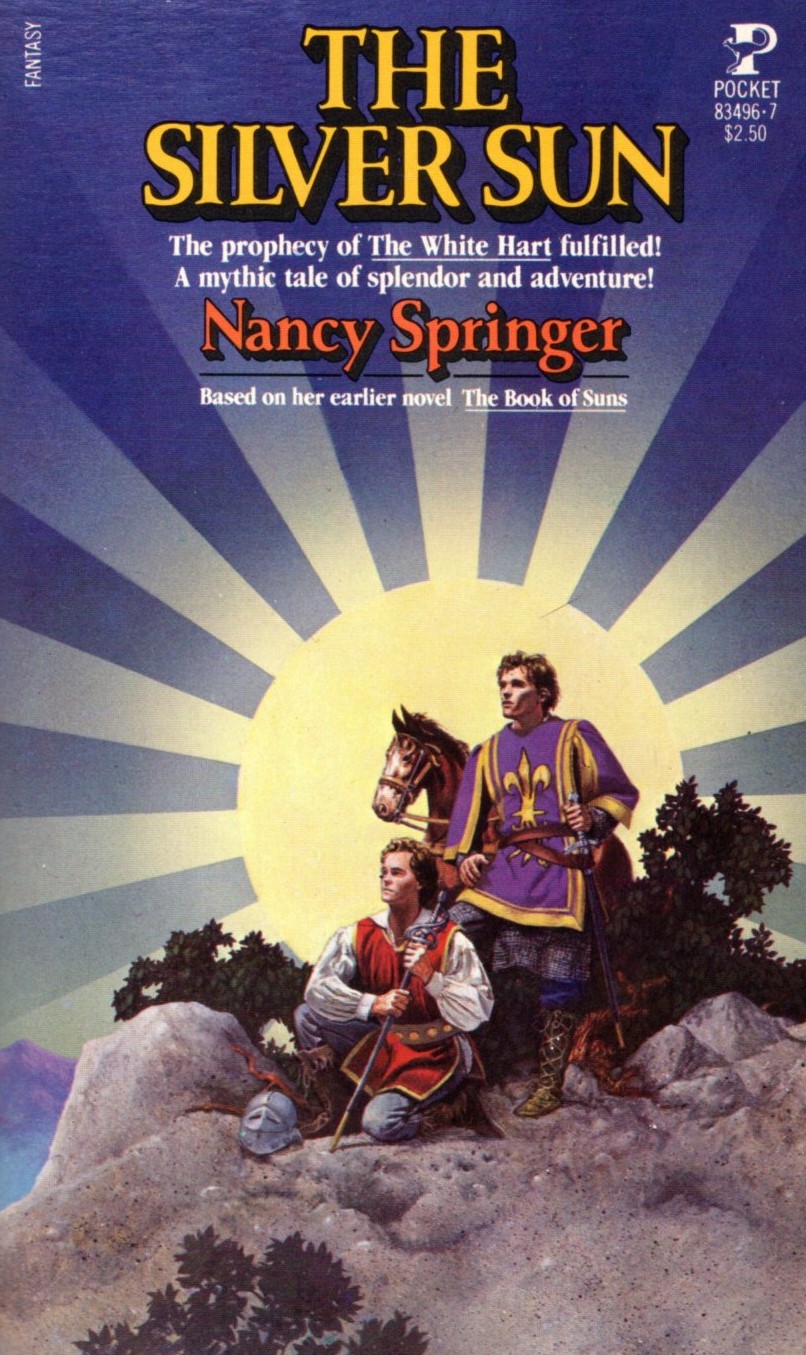
SPRINGER: I started writing in 1972, because the daydreams crowding my head needed to be let out, and I wrote a 500-page novel. After a whole lot of shortening, editing, and revision, THE BOOK OF SUNS was published in 1977, but don’t go looking for it to buy it. It’s so amateur that it embarrasses me. However, after a huge overhaul, it was eventually published again in 1980, retitled THE SILVER SUN. That book I can be proud of.
VENTRELLA: What makes your fiction unique? In other words, what is it about your stories that makes them stand out against all the other similar stories out there?
SPRINGER: I think it’s that “voice” thing. A friend of mine told me that, when they listened to my books on audio during their commute, it was as if I were sitting in the passenger seat talking to them. My erstwhile husband told me he read my books when I was away, because it made him feel I was there. Other readers have told me similar things, that reading my work makes them feel as if they know me. I am a quirky, peculiar person, with slantwise views of things, a strong voice, and good writing skills; I think the combination is what makes my fiction unique.
VENTRELLA: Any other news you can share? Will there be a 3rd film? A 9th book? A TV series? Any of your other books being considered?
SPRINGER: If any of these things were happening, I wouldn’t be aware of it. Negotiations might be going on, but if deals fell through, I would never know.
VENTRELLA: How much of writing is innate? In other words, do you believe there are just some people who are born storytellers but simply need to learn technique? Or can anyone become a good writer?
SPRINGER: I’m going to answer this question obliquely by telling about something that happens when I teach classes on writing: students are usually anxious to “find their voice.” I tell them that voice is just personality on paper. I tell them to let their personality flow out of their head, down their arms, and out through their fingers, onto the paper – or, I guess, the keypad? Anyway, some are able to do this, so they could become terrific writers, right?
Nope. Sometimes students who have really and truly found their voice are just plain dull, because that’s the way they are, personally.
But if a writer doesn’t find their voice, then how can readers relate?
So, no, I don’t think everyone can become a good writer.
VENTRELLA: What’s your opinion on self-publishing?
SPRINGER: I think it could be disastrous to the future of literature. A half century ago, when I started writing, the editors were strict and the literary agents picky; these were the gatekeepers . The average “apprenticeship” between when a person began writing fiction and when they finally earned substantial money was ten years. You had to be good to get published. Yes, some bad books slipped through, but overall a high standard was upheld. Many, if not most, published writers aspired to literary greatness.
Compare that to now, when many, if not most, seem to aspire only to quick, sloppy publication.
I have read self-published fiction that was dreadful. And I have read self-published fiction that would have been good if it were not for novice mistakes that made it barely readable, but would have been caught during a corrective process of learning the craft. Nothing that I have read makes me respect self-publishing.
VENTRELLA: What’s the worst piece of writing advice you ever got?
SPRINGER: My former literary agent told me I should keep on writing fantasy if I wanted to succeed.
VENTRELLA: What’s the best piece of writing advice you ever got?
SPRINGER: I can’t think of any good advice about the business, but there’s this: you know how the music swells at the emotional moments in a movie? My first editor coached me to do something like that in my novel by polishing and lengthening the best parts, giving the reader more time to savor while reading them.
VENTRELLA: What advice would you give to a starting writer that you wish someone had given to you?
SPRINGER: Don’t piss off an editor. Remember, they might serve on an awards committee.
VENTRELLA: What are the pros and cons of being a full-time professional fiction writer?
SPRINGER: Cons: you are lonely, with no co-workers or workaday social contacts. You find that only a very few people in your life understand or care about what you do. You make little money, you have no health insurance so you have to pay full price for doctor visits and prescription medicine. Your income tax payment is even more ridiculous than most people’s, because you don’t have an employer to pay part of your social security.
Pros: you don’t have to punch a time card or dress in work clothes. You can stay in your pajamas all day if you want to. You have a perfect excuse for getting out of anything you don’t want to do: “Must write, the deadline’s tomorrow.” Moreover, you actually love your work. You have the pleasure of perfecting your craft. You get to live in dreamland much of the time. You have the marvelous job of turning trauma into beauty.
Posted on November 9, 2022 by Michael A. Ventrella
It’s time for Philcon, Philadelphia’s oldest literary convention. It’s in New Jersey. (Look, it was cheaper, okay?)
This year’s Guest of Honor is my good friend Keith DeCandido! Keith even asked me to write his introduction for the program book, and let’s hope he’ll still be my friend after he reads it! (Joke! That’s a joke!)
I’ve been a guest at Philcon for years, and it’s always great to go back there and see so many of my friends. This year’s event will be on the weekend of November 18-20.
Here’s my schedule:
The Lure of Secret History (Friday 8 pm) with Darrell Schweitzer, Elektra Hammond, Chuck Rothman, Michael A. Ventrella, Jean Marie Ward: We all love to be in on the secret, and sometimes magical explanation of what really happened, and why. We’ll talk about secret histories such as Tim Powers’s The Anubis Gates and Tom Doyle’s American Craftsmen series.
Magic Systems and How to Use Them (Saturday noon) with Michael A. Ventrella (moderator), Dee Carter, Elektra Hammond, Aaron Rosenberg, Michelle D. Sonnier: Brandon Sanderson’s concept of Hard vs. Soft Magic Systems is one way to look at how magic works in fantasy fiction. Others look at the source of the magic, from supernatural beings to rituals to the elements. When should details be included and when can the author handwave?
My First Time (Getting Published) (Saturday 3 pm) with Michael A. Ventrella (moderator), Christine Norris, Jennifer Povey, Ann Stolinsky, Eric Blair: Your name! In print! Next to a story you wrote! OK, you might not have gotten paid much (if at all), but every writer has a story of how they managed to get their first story published (or first novel), and what it was like to see their words shared with the universe. Let’s get some authors together to talk about that process, what advice they have for up-and-comers, and what outlets are friendliest to the new (and often unagented) writer.
Separating the Art from the Artist (Saturday 5 pm) with Lisa Hertel, Michael A. Ventrella, JeffWarner, Charles Urbach: Is it OK to like an artist’s work while finding the maker objectionable or even worse? Wil Wheaton posted a lively defense of doing so — in part, as he notes, because the work may be made up of so many other creatives aside from the problematic maker. Is this theory put to the test when the artist is an author?
Foundations of Worldbuilding: Past Political Tensions and Turmoil (Saturday 8 pm) with Michael A. Ventrella (moderator), Dee Carter, Ian Randal Strock, Storm Humbert, Simone Zelitch: How does the history between the countries in your story shape the present of your world? When was the last time anyone declared war, and why? Are those old conflicts truly healed, or do the wounds still fester?
Autographs (Sunday 10 am) with Kathryn Sullivan, Michael A. Ventrella: Signing anything you want to put in front of us (except contracts in blood).
Reading (Sunday 11 am) with Michael A. Ventrella: Reading a short story probably
Posted on October 25, 2022 by Michael A. Ventrella
MICHAEL A. VENTRELLA: Today I’m pleased to be interviewing Alex Shvartsman. Alex is a writer, translator, and anthologist from Brooklyn, NY. Over 120 of his short stories have appeared in Analog, Nature, Strange Horizons, and many other venues. His website is www.alexshvartsman.com. If you’ve read my anthology RELEASE THE VIRGINS, you’ll be familiar with his work!
Alex, how did you get your start in the writing business?
ALEX SHVARTSMAN: I’ve been an avid reader since early childhood, but my family emigrated from Ukraine to the United States when I was a teenager and I never believed my English would be good enough to write books. So I didn’t start until I was well into my thirties. I didn’t know a single writer, or anything about the business side of things, so I decided to just write short stories and see if any magazine will buy them as the means of figuring out whether I could write publishable fiction. I was both surprised and elated when those stories began selling, and I never looked back!
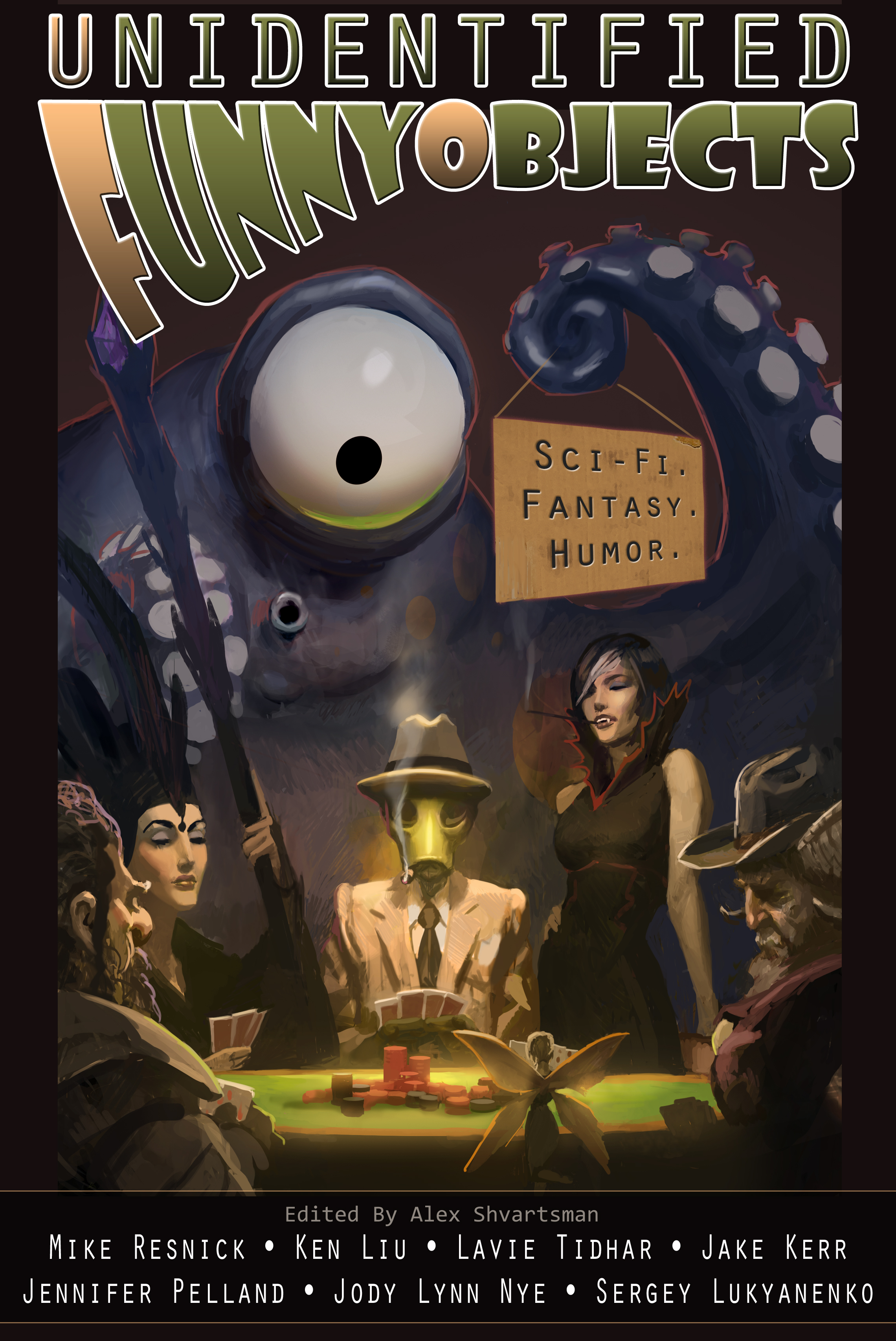
VENTRELLA: You began the “UFO” series to feature humorous science fiction and fantasy stories and it’s been quite successful. Tell us about that. What kinds of stories are you looking for? What advice can you give someone who may want to submit?
SHVARTSMAN: I wanted to create a pro-paying market for humorous SF/F. There’s never enough of it being published, and most other humorous anthologies are themed. UFO was meant to feature all kinds of humor, and to give new writers an opportunity to have their work showcased alongside the genre’s greats. About half of each volume’s contents is purchased through slush and I often publish newer authors, sometimes UFO is even their first-ever sale!
we’re specifically a humor publication, it’s important that your story’s voice stands out. Make me smile and hold my attention with your first couple of paragraphs to get me to keep reading!
VENTRELLA: Your latest novel has received excellent reviews. Tell us about it (and why we want to read it!) What was the inspiration for the story?
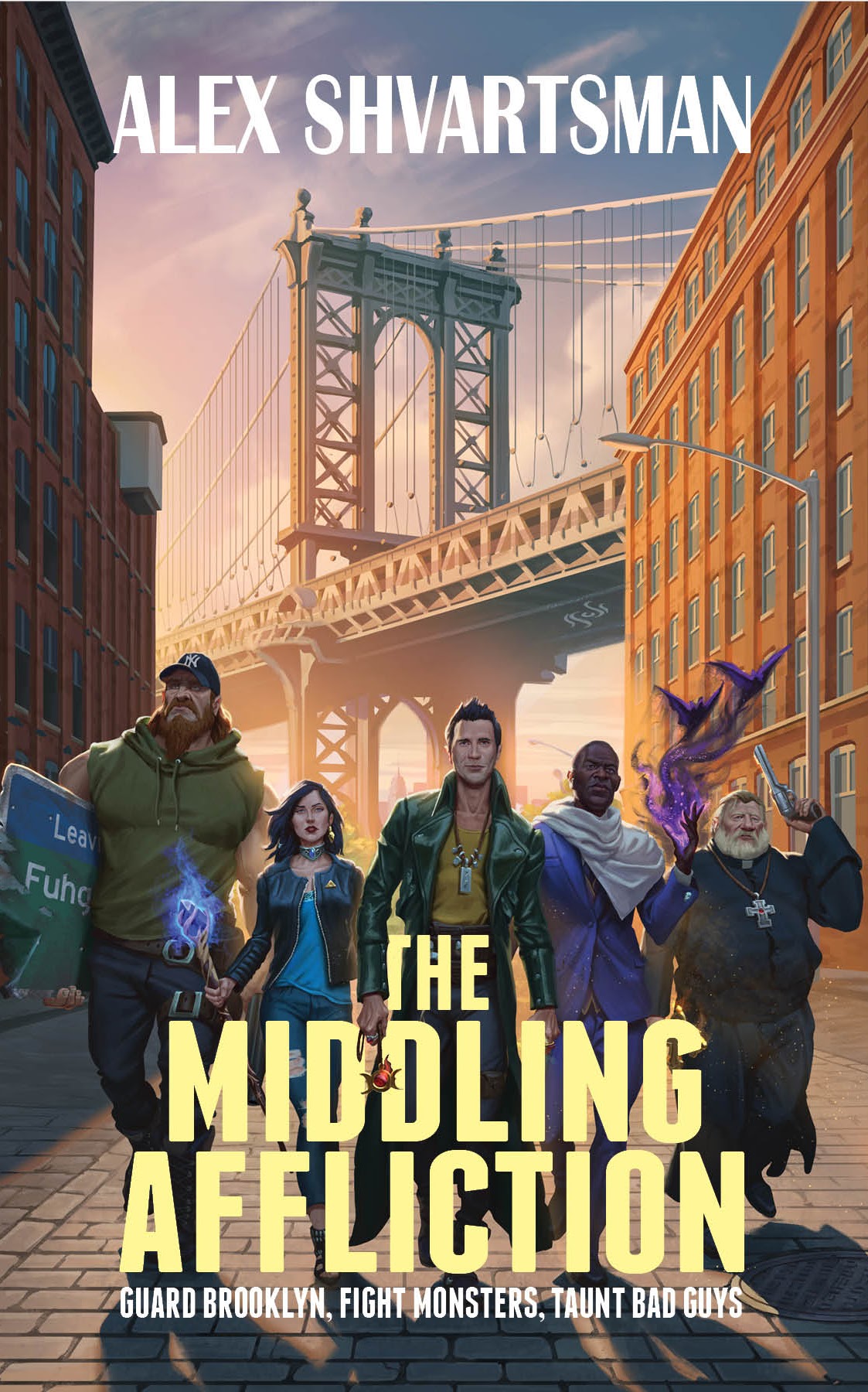
SHVARTSMAN: THE MIDDLING AFFLICTION is the first book in the Conradverse Chronicles urban fantasy series. My elevator pitch for these books is “The Dresden Files meets American Gods in Brooklyn” and the story follows Conrad Brent, who is part of an organization that protects the people of NYC from monsters and malevolent magic users, except he has a secret he keeps even from his friends and allies: he has no magic of his own, relying on artifacts and his wits to keep up with the arcane practitioners. To quote my own book, in the world of magical superheroes and supervillains, he’s Batman. Except he has no batcave, billions of dollars, or even a butler.
VENTRELLA: What kinds of readers do you think would be interested in your book? In other words, whose work do you think your book is comparable to?
SHVARTSMAN: When my first Conrad Brent short stories were published, so many people rushed to make the comparison between him and Harry Dresden, and I often stick to that comparison as shorthand. Except, I’d never read any Jim Butcher when I wrote those stories, and have only read the first Dresden novel since then. Rather, I was inspired by Simon R. Green’s Nightside books and Mike Resnick’s urban fantasy titles. It was a huge honor for me that Simon wrote a cover blurb for The Middling Affliction. I’d like to think that any fans of Green or Resnick would dig my writing as well.
VENTRELLA: One thing writers sometimes fail to understand is how important connections matter in getting into the business. Can you give examples of how that has worked with you?
SHVARTSMAN: When I started out, I had none, so you can absolutely make it without connections if your writing is good. Especially today, when you can submit stories and novels digitally from anywhere in the world. However, I’d be naïve not to recognize that connections matter and can greatly help you. I’ve had editors I met at conventions solicit short stories from me. My current novel series is being published by Caezik SF&F, and I met the publisher and his staff at events and became friends with them there. I’ve been on many panels with my current agent Joshua Bilmes so he knew me and I pitched him an idea at a convention, so I never went through the soul-crushing querying process to land an agent. If you can go to conventions and interact with industry folks in person, do it. But if you can’t, don’t assume the gates are closed to you. I never even met a real-life science fiction writer, let alone editor, until after I’ve had numerous short stories published.
VENTRELLA: We’ve discussed putting humor into fiction before. What is the best way to use humor in a fictional story? And is that the same thing as writing comedy?
SHVARTSMAN: Humor is a great way to release tension, and you can use it in any story or book, not just an outright comedy. Writing comedy is hard, but certainly not impossible. Are you funny in real life? Ever crack a joke that made a bunch of friends you were hanging out with laugh? Steal from yourself! Write this down and have your character (or narrator) use that line! I once wrote a guide for introducing humor into your writing, and although it was written years ago, it’s still valid. Check it out here.
VENTRELLA: Which authors do you think best handle writing humor?
SHVARTSMAN: The easy answer is, just look at the table of contents of any UFO volume! I try to get the really funny writers into my anthologies, though it’s not always possible. Some of the funniest authors I’d love to include in UFO someday are John Scalzi, Gail Carriger, and Connie Willis.
VENTRELLA: Did you have any training to be a writer and do you think that is necessary?
SHVARTSMAN: I don’t — and I don’t. I’m an award-winning writer, an editor of well over a dozen anthologies, and a professional translator. All of those roles are self-taught. I have no MFA, no framed piece of paper permitting me to engage in any of those endeavors. Which is not to say that one doesn’t have to learn. I’m still learning. I’m getting better at it with every page I write or edit or translate. There are great many ways to improve as a writer. I suggest attending a workshop such as Clarion or Viable Paradise if your schedule and finances permit this. Otherwise, join an online or an in-person writing group, find other writers who are on the same stage in their journey as you are, and level up together.
VENTRELLA: What’s the best advice you would give to a starting writer that they probably haven’t already heard?
SHVARTSMAN: Start out by writing short stories. It’s a great way to train your writing “muscles” and you get to try out different voices, tones, and methods of storytelling. And if your story doesn’t sell, at least it’s not a novel you may have poured months or even years of effort into. Short form will also teach you to write concise prose, which is a valuable skill.
VENTRELLA: What’s the worst piece of advice you’ve heard people give?
SHVARTSMAN: “Never open a story with a line of dialog.” This bit of nonsense is actual “advice” I got from a self-styled “expert” on an internet-based critique forum when I was just starting out.
There are a lot of people out there handing out advice or even trying to sell it who really don’t know what they’re talking about. It’s always a good idea to check the bona fides of anyone offering writing advice, to see if they ever managed to leverage their own wisdom into a sort of career you might like to emulate.
VENTRELLA: What writing projects are you working on now?
KAKISTOCRACY, book 2 of the Conradverse Chronicles, is with the publisher. I have a few short stories I need to write for anthologies; I still love doing those because themed anthologies generate fresh ideas for me, and nothing focuses quite like a deadline! After that, I will move on to writing book 3, tentatively titled Kings and Queens.
Posted on September 7, 2022 by Michael A. Ventrella
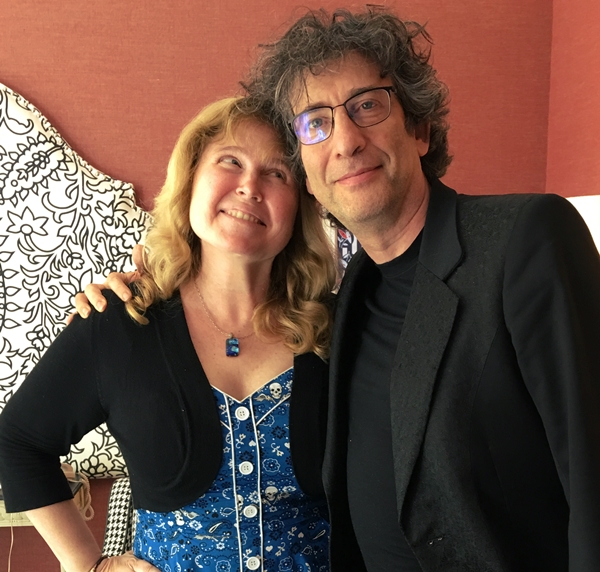
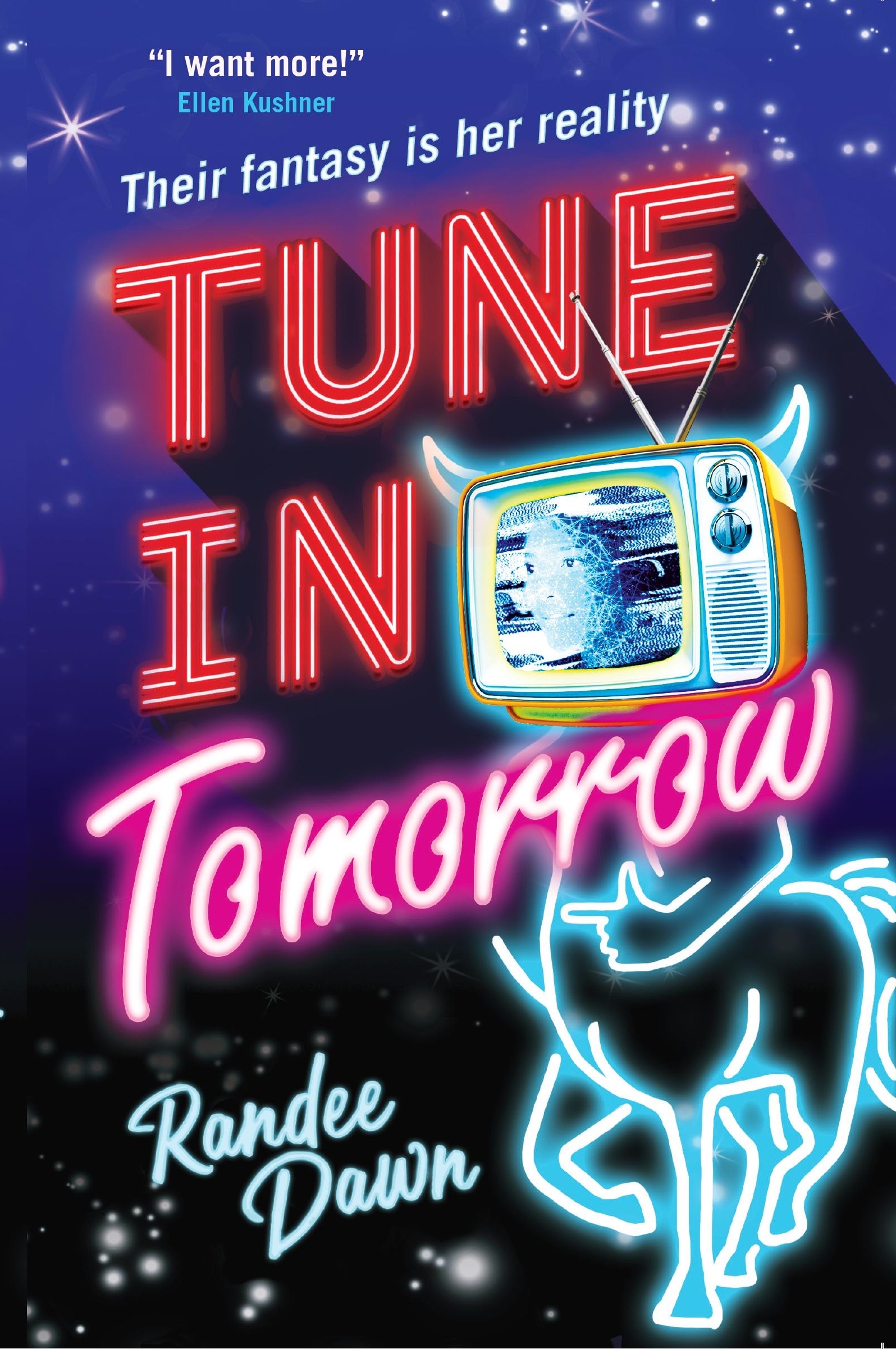
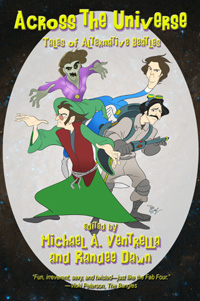
Randee Dawn is a good friend who co-edited the anthology ACROSS THE UNIVERSE with me, and her first novel has just been released! I’m pleased to be interviewing her today.
Randee is the one on the left!
Randee is a Brooklyn-based entertainment journalist who scribbles about the glam world of entertainment by day, then spends her nights crafting wild worlds of fiction. She writes about the wacky world of show business for Variety, The Los Angeles Times, Emmy Magazine and Today.com and is the co-author of The Law & Order: Unofficial Companion. Find out more at RandeeDawn.com.
MICHAEL A. VENTRELLA: Let’s talk about your new novel TUNE IN TOMORROW. Where did the idea come from?
RANDEE DAWN: Short answer: Everywhere. Longer version: I pulled from a variety of life experiences – working at a cable access news program in college where the folks on camera were the pros, and everyone behind the camera was a college student (I was directing news programs when I was a sophomore); from working at a soap opera magazine for five years and seeing how the sausage got made on regular set visits; and years of covering the entertainment industry.
Then, I was commissioned to write a Tune in Tomorrow interactive text-based adventure for Choice of Games, and failed when it came to the coding aspect, and stepped aside. Fortunately, Tune was still my property and I went from an outline for a game to – a novel! Many changes were made in the process, needless to say.
VENTRELLA: How did you find a publisher? Did you get an agent? Connections?
DAWN: I’ve had an agent since 2015; Bridget Smith saw potential in a finished novel I’d written that was more serious, but still focused on the entertainment industry (rock ‘n rollers in that case). It didn’t get picked up, nor did the second novel she shopped for me, but third was the charm. Yes, connections for sure on the agent front – Bridget was recommended to me by the great Ellen Kushner (author of SWORDSPOINT, among other novels), and my words clicked with her! Do not underestimate the power of networking (though Ellen is a friend as well). The publisher was discovered by Bridget!
VENTRELLA: Who are some of your favorite authors and why?
DAWN: I love authors who tell good story, with characters I want to follow. The prose can be lovely, but underneath it all has to be story, not just vague angst and gazing out a window wondering about the woes of this life. The ones who I’ve enjoyed again and again include Jonathan Carroll, Stephen King, John Wyndam, Robert Cormier, Sarah Pinsker, Shirley Jackson and, more recently, Meg Elison. They tell cracking good tales first and foremost, with ideas and resolutions that stick to my heart.
VENTRELLA: Do you think fiction writers should stay away from political messages in their stories?
DAWN: The personal is political, is it not? If the story warrants it, then anything is valid. I don’t know how literal a writer needs to be in all instances, but the way you perceive the world filters into your characters and how they see the world, and the Mobius strip goes round and round. You don’t have to agree with my political stances to enjoy TUNE IN TOMORROW, but enjoying the book might give you a broader picture on the world.
VENTRELLA: You started off as a journalist. What made you decide to write fiction?
DAWN: I became a journalist because I wanted to write fiction. I had this sense that writing fiction was not going to pay my bills, but I could maybe possibly get paid for writing other kinds of words. On the one hand, that’s great: I’ve been able to make my career out of writing. On the other hand, writing non-fiction all the time gives me less time for what I really want to be doing – telling stories. That may be changing, but for now it’s always been a push-pull. I’m not sure how it would have been different if I’d pursued a different career; writing articles all these years has improved my writing, and made me better understand the editorial process – which has made me better able to get published.
VENTRELLA: You’ve been able to interview many famous people in your work – who was the most fun to meet? Who surprised you the most? Any interesting stories you wish to share?
DAWN: The most fun people, in my mind, are the creators. I’ve met a bunch of A-list and other alphabet-list stars, and some are delightful and some are pretty empty and many are clearly playing a role (The Actor Being Interviewed), so it varies wildly. Mostly I love talking about the people who are making things – directors, writers, even producers, and when I covered the music industry, the musicians.
Two quick stories: I interviewed Hugh Jackman and Jake Gyllenhaal together in a restaurant that was mostly empty; we sat around a booth. (Note: Hugh Jackman, who I’ve now interviewed twice, is absolutely lovely. Jake Gyllenhaal is a little more reticent, but certainly nice enough.)
Anyway, this would have been in 2013, when both were in future Dune-director Denis Villeneuve’s “Prisoners.” Anyway, a couple of older ladies came in at some point and sat in the booth behind us. At some point, they came over to the table and began speaking exclusively to Hugh, fangirling away. I leaned over and made sure to introduce Jake Gyllenhaal to them, who they’d completely ignored!
Second story: During the “Good Omens” publicity run a couple of years ago, I got to interview Neil Gaiman. He was set up in a hotel room and publicists walked journalists in and out, one after the other. Now, if you’ve never interviewed anyone, you may not realize that having a third party in the room is disruptive, even if they say nothing. But some publicists feel they need to hand-hold their clients. The publicist for the show settled into a corner of the room as we started to chat, and I politely asked if she would wait outside. I mean, I’ve done this for a lot of years. As has Neil. Neither of us needed to be chaperoned. She got extremely huffy and all but said, “Well, I never!” – but she left. I said to Neil, “Hope that wasn’t too awkward.”
“No, it was amazing,” he said. And this is why we love Neil Gaiman, Reason 8927B.
VENTRELLA: Have you ever surprised yourself when writing?
DAWN: All the time. When I’m deep in a story, it’s being told through me, not because of me, and the subconscious is all lit up with ideas, like a quantum computer figuring out every possibility and feeding me the best one. It’s in those times that I know exactly why I do this – and they make up for all the times you look at the page and think, I have no idea what to do next.
VENTRELLA: How much of writing is innate? In other words, do you believe there are just some people who are born storytellers but simply need to learn technique? Or can anyone become a good writer?
DAWN: There are things about being a person that make you a good writer: Curiosity about the world. Nosiness. Ability to observe and process small details and big ones alike. Willingness to upset the paradigm. An imagination that fires up even when you aren’t asking it to. Those things have nothing to do with the technical aspect of putting words on paper. I think the words-on-paper aspect can be learned. Some of the other stuff can be trained for, or at least practiced. But those who can’t harness their imagination, and who don’t know how to kick it into gear and let it go like a wild horse, are just going to be putting words down, not really telling story.
VENTRELLA: As a co-editor of an anthology, what did you learn about it that you were not expecting?
DAWN: That sometimes very, very good stories don’t make it for practical reasons. That it is not personal if you get rejected (well, probably not personal; I don’t know what relationship you have with your editors). That there are editors who are genuinely disappointed not to be able to include your story, sometimes.
VENTRELLA: What’s the best advice you would give to a starting writer that they probably haven’t already heard?
DAWN: Don’t do it unless you are willing to do it in silence, without feedback, without being lauded or recognized in any way. Of course you will try to get all those things eventually, but not having them should not kill your desire to write. If the only person who ever reads your work is you, you still will do it. Then, you can begin to write.
VENTRELLA: What’s the worst piece of advice you’ve heard people give?
DAWN: “Let me tell you how to fix this.” Back to Gaiman – my favorite piece of advice he gave once is this: “When people tell you something’s wrong or doesn’t work for them, they are almost always right. When they tell you exactly what they think is wrong and how to fix it, they are almost always wrong.” Take suggestions, but take them with grains of salt.
VENTRELLA: What writing projects are you working on now?
DAWN: I have a draft of a novel about all-female superheroes that I’d love to get to my agent, but word has it that those are very hard to sell. I also have several chapters of the semi-sequel to Tune in Tomorrow that I’d also like to tackle, but may hold until I see how the book does. And I have a short horror story that’s about ¾ of the way done … I’d like to wrap that one up first. But having just gotten back from the five-day WorldCon in Chicago, I need a nap first!
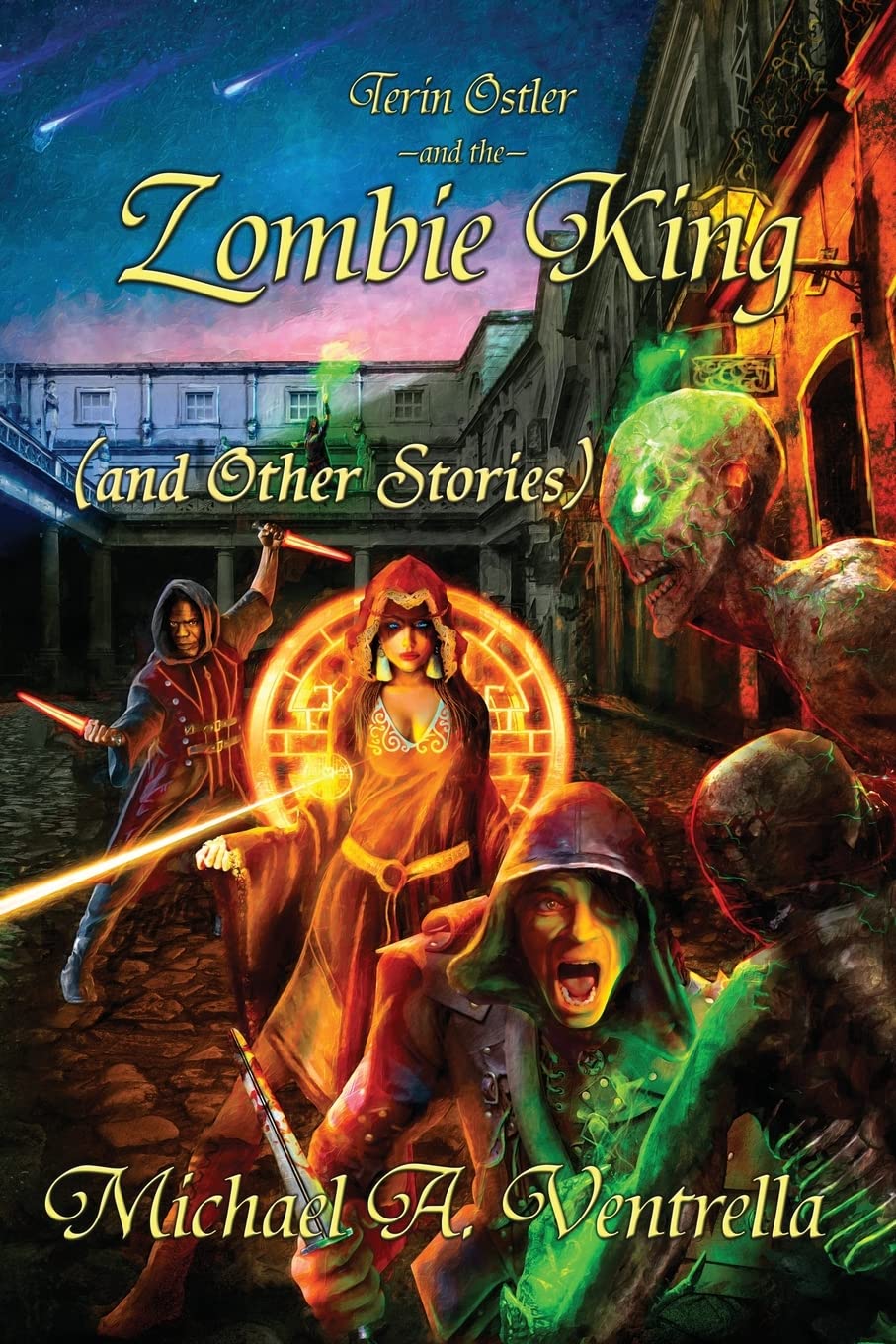
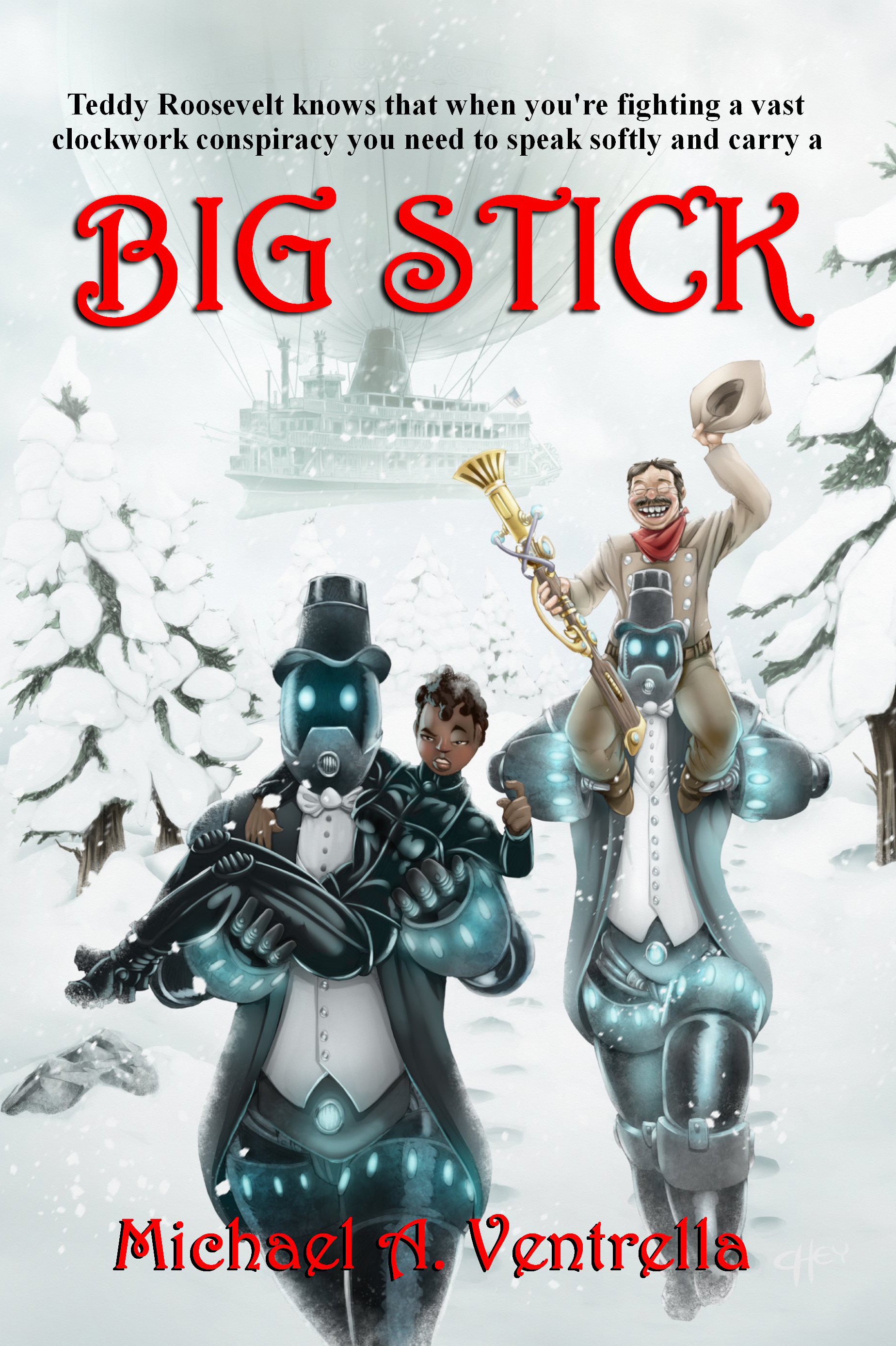
My latest book is now available, featuring all of the short stories that have been published in various anthologies and magazines over the years, along with a few brand new stories.
“From peeved epic heroes coping with zombies and dwarves who dye their beards, to a pirate captain who refuses to learn the names of his new crew (they won’t be with him long), to a desperate time-traveling Jesus impersonator, to Groucho and Chico Marx gumming up the machinery of Hell-Michael Ventrella’s stories provide laugh-out-loud entertainment.” -Gregory Frost, award-winning author of Shadowbridge
“A wild and thoroughly entertaining steampunk adventure featuring an improbable cast of historical figures, plenty of action, and lots of fun!” – Jonathan Maberry, New York Times bestselling author of Deep Silence and V-Wars