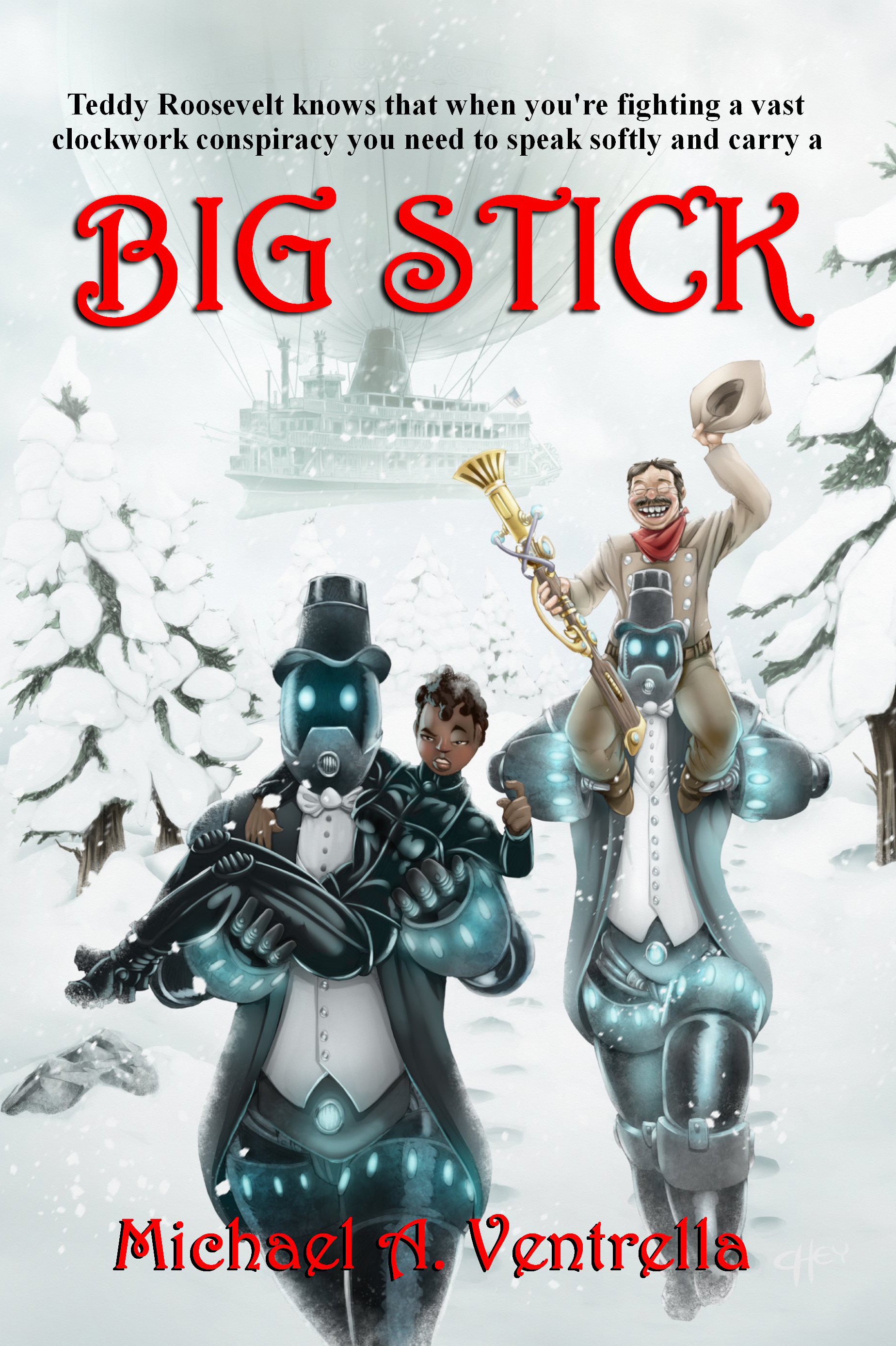
Interview with Betty Webb

MICHAEL A. VENTRELLA: Primarily I interview writers of fantasy and science fiction (since that’s what I write) but today, I am pleased to be interviewing mystery writer Betty Webb.

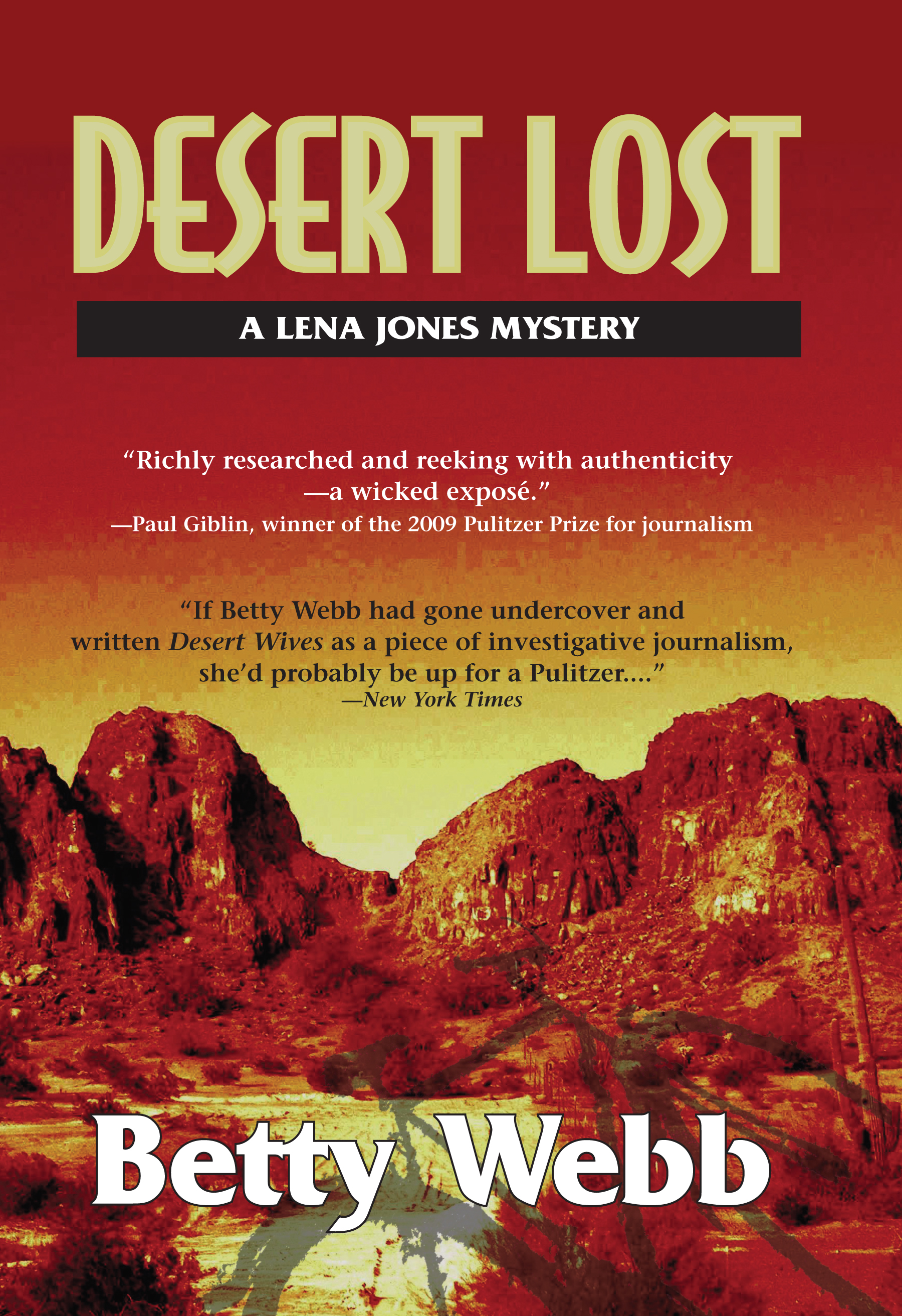
Before writing mysteries full time, Betty Webb worked as a journalist, interviewing everyone from U.S. presidents, astronauts who walked on the moon, and Nobel Prize-winners, as well as the homeless, the dying, and polygamy runaways. The six dark Lena Jones mysteries, based on stories she covered as a reporter, include DESERT LOST (judged “One of the Top Five Mysteries of 2009,
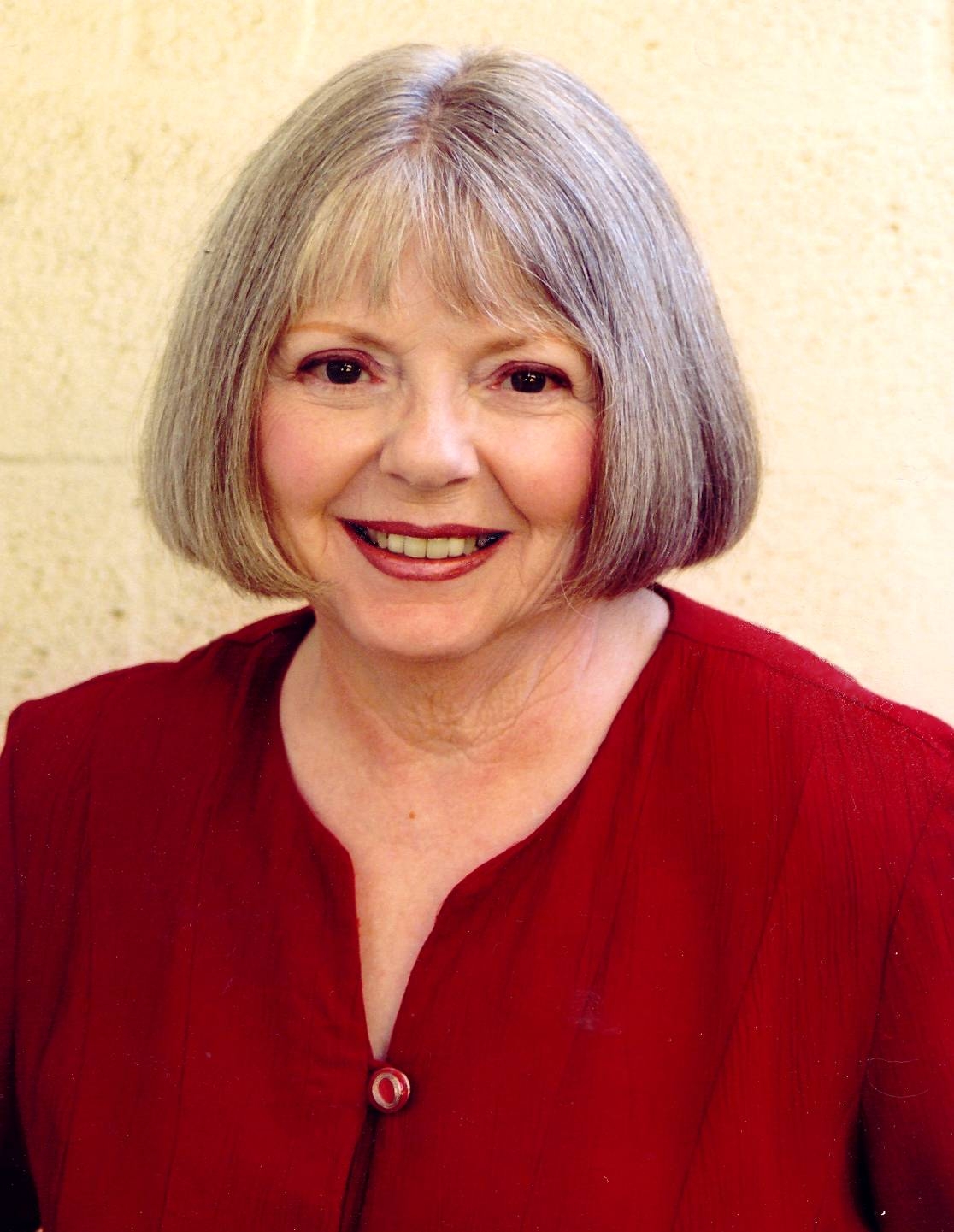
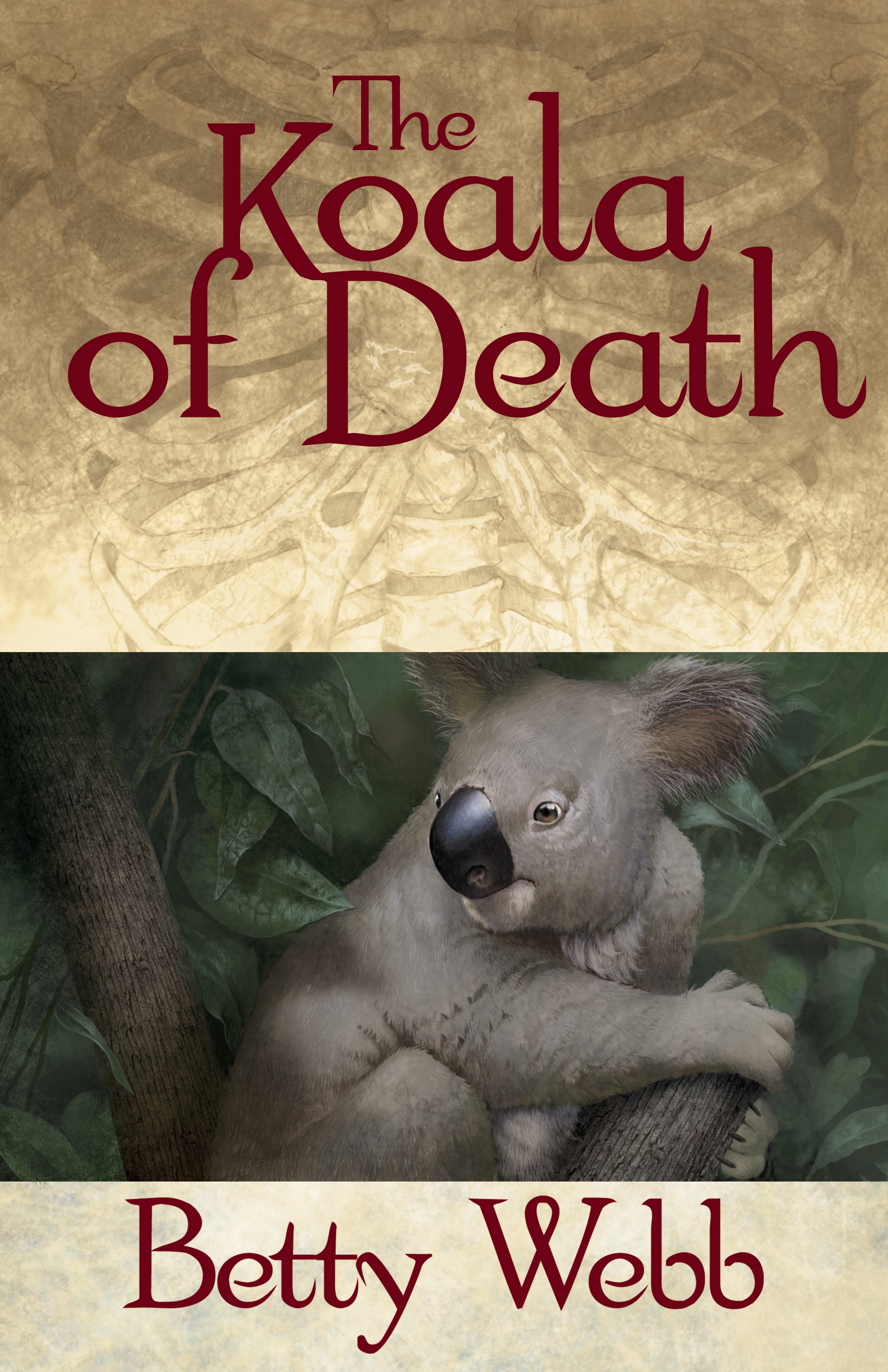
Library Journal), DESERT NOIR (“A mystery with a social conscience,” Publishers Weekly) and DESERT WIVES (“Eye-popping,” New York Times). Her humorous Gunn Zoo series debuted
with the critically-acclaimed, THE ANTEATER OF DEATH (I love that title) to be followed this August 15 with THE KOALA OF DEATH. A long-time book reviewer at Mystery Scene Magazine, Betty is a member of National Federation of Press Women, Mystery Writers of America, and the Society of Southwestern Authors. She also volunteers at the Phoenix Zoo, which is the inspiration for her Gunn Zoo mysteries. Her web site is www.bettywebb-mystery.com.

Ms. Webb, you began your career as a journalist, writing nonfiction. Why and how did you make the switch to fiction?

BETTY WEBB: I was a full-time journalist for 20 years, but after 15 years, all that fact-checking started to drive me nuts. So I thought I’d just write a novel “for fun.” After three rejected novels, I hit pay dirt with DESERT NOIR, the first of my Lena Jones mysteries. The second Lena Jones book, DESERT WIVES: POLYGAMY CAN BE MURDER, was sold to Lifetime-TV, eventually making my retirement from journalism possible.

VENTRELLA: Do you find your writing style changes from fiction to nonfiction?

WEBB: Absolutely. In journalism, which is non-fiction to the max, you must always use non-judgmental language, especially verbs, such as “He said,” as opposed to “He shrilled.” And unless you’re a columnist — which is very, very different than straight reporting — you can never interject your own opinions in an article.

When you’re writing fiction, you can let it all hang out, as I do in both my Lena Jones novels and even the Gunn Zoo series. Of course, the Lena Jones books are much more political and issue oriented; Publishers Weekly called them “mysteries with a social conscience.” The Gunn Zoo books, being very funny and much more relaxed, are much less issue-oriented, but they do give readers a lot of information about exotic animals and a behind-the-scenes look at life in zoos. Plus they say nasty things about people who are cruel to animals.
VENTRELLA: Your Lena Jones books are based on actual cases. How do you go about preparing these mysteries?

WEBB: I spend an average of two years researching each novel, which includes trips to the area where the event happened. During that time, though, I’m doing the actual writing for the previous book. Therefore, although I’m now in the process of writing DESERT WIND, I started researching it two years ago. And I am now in the process of researching the next Gunn Zoo mystery and the Lena Jones book.

VENTRELLA: Have you received any protests for these books (from Mormons, for instance)? And how have you dealt with it?

WEBB: Mainstream Mormons weren’t bothered at all by either DESERT WIVES or DESERT LOST, which were both about polygamy. In fact, various Mormon newspapers and periodicals gave both books warm, accepting reviews. Why? Because the mainstream LDS (Latter Day Saints) church outlawed polygamy almost 150 years ago and today’s Mormons are appalled by polygamy as it is currently being practiced. Also, the state of Utah is leading the way in polygamy prosecutions. They have sent many polygamists to prison for polygamy-related crimes, such as child rape (polygamists like 13 year old girls), financial fraud, and sadly, murder. the infamous Warren Jeffs is just one of the now-imprisoned polygamists.

The people I have had a problem with are the polygamists themselves. I’ve received death threats from them, and some of the male polygamists have shown up at my book signings in order to scare me. They finally stopped doing that when I started identifying them to the audience, and asking them to stand up and take a bow. That’s when I discovered that those guys are cowards. They’re good at intimidating 13 year old girls and battered “sister wives,” but not so good at intimidating grown, non-polygamous women.

VENTRELLA: It certainly seems that you still have that journalistic goal of exposing injustice, but are working through fiction now. Is that the case? Have you had much success about informing people about these issues?

WEBB: I absolutely write the Lena Jones books to expose injustice. For instance, are you aware that we have legally allowed immigrants into this country who believe in cutting off little girls’ genitals in order to make them submissive? They see it as no different than spaying a dog or gelding a horse. Those folks continue their ghastly practice in America today. I exposed it in DESERT CUT, and I named names.

Have I had success? Again, absolutely. DESERT WIVES caused such a fuss in Arizona that the Arizona legislature enacted its first ever anti-polygamy law. Readers of DESERT WIVES continue to organize and ride herd on the still-existent polygamy compounds. DESERT CUT has been read by many social workers, medical professionals, and law enforcement officers, who are now on the lookout for it. Immigrants who continue this practice are now being sent to prison, when before it was just shrugged off as a “cultural difference.”
VENTRELLA: What other issues are you interested in that may make future books?

WEBB: Can’t tell you that. DESERT WIND is still a big secret. I always keep my subject matter secret until the book comes out.

VENTRELLA: Your character also lives in Arizona. Why did you decide to do this?

WEBB: I’ve lived in Arizona since 1982, and much of my subject matter — such as polygamy — is rampant here. Plus, Arizona is a beautiful place to write about. On the other hand, the Gunn Zoo mysteries are all set on the Central California Coast, where I vacation every year. And my zoo keeper sleuth lives on the same houseboat I once spent a summer on.

VENTRELLA: How did you make your first sale? Did you have an agent?

WEBB: I was fortunate enough to get an agent, based upon my reading of “The Literary Marketplace.” She also sold one of my books to Lifetime-TV. Thankfully, I still have my agent!

VENTRELLA: Why did you choose Poison Pen Press for your work?

WEBB: My agent sold my books to Poisoned Pen Press. In a happy coincidence, I had already written an article about that particular publishing company for the newspaper I worked for. Therefore, I was very, very comfortable with the sale. We have now enjoyed a 10-years-long relationship.

VENTRELLA: What is the biggest mistake you think new writers make?

WEBB: I think the biggest mistake they make is in thinking the first book they write deserves to be published. I didn’t write a truly publishable novels until my 4th, which was DESERT NOIR, the first Lena Jones mystery. Even though I’d been a professional journalist for years and wrote for an average of 10 hours a day, 5 days a week at my newspaper job, the two skills don’t always cross over. I had to learn to write like a novelist, and that took about 5 years of writing from 4 a.m. to 8 a.m. every single day before I went to the office. Good, publishable writing is more hard work than most beginners realize.
Another big beginner’s mistake? Writing only when they feel “inspired.” I teach creative writing, and one of the first things I tell my students is, “If you only write when you feel inspired, write a haiku. You won’t able to produce much else.” Professionals write for hours every day, regardless of how “inspired” they feel. As for the entire “inspiration” issue — I say “Baloney!” True inspiration only hits once you’ve been at your keyboard for several hours. Writing is work. Period. It’s not a game you play only when you feel like playing.

VENTRELLA: And finally, a fun question: With a time machine and a universal translator, who would you invite to your ultimate dinner party?

WEBB: William the Conqueror (1066), William’s opponent Harold Godwin (also 1066), Shakespeare, Dorothy Sayers, Dorothy Parker, Ernest Heminway, Lillian Hellman, Truman Capote, William Buckley, and Gore Vidal. Of course, I’d have to wear a suit of armor to that dinner party because it would probably turn very, very violent. And I’d enjoy every savage, bloody minute!

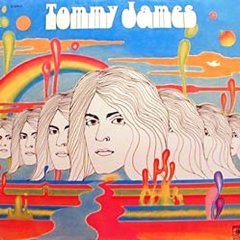
Interview with Tommy James

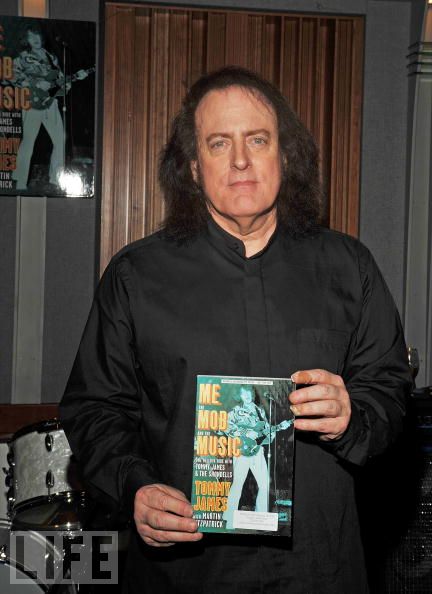
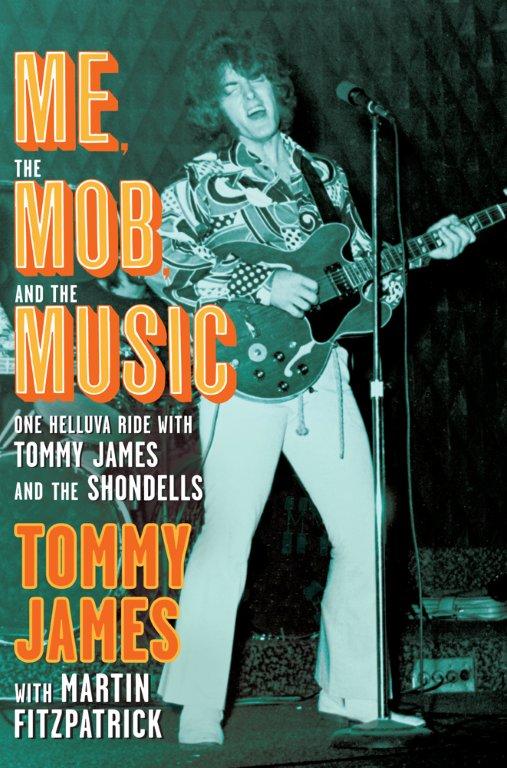
MICHAEL A. VENTRELLA: It’s not every day I get to interview a bona fide rock star! Tommy James had so many hits songs in the 60s and early 70s that I could fill the blog just listing them (I Think We’re Alone Now, Crimson and Clover, Draggin’ The Line, Mony Mony, Mirage, Hanky Panky, Crystal Blue Persuasion… you get the idea). He recently published his autobiography, ME, THE MOB, AND THE MUSIC, which has already gone to its fifth printing. Usually I do these interviews by email, but Mr. James wanted to talk by phone. Do you think I was going to say no?!! We had a great conversation about writing and music!

Mr. James, it’s an honor to be speaking with you today. Let’s start with the latest news about the play or movie rights that are coming up!

TOMMY JAMES: Well, the book ME, THE MOB AND THE MUSIC is going to be made into a Broadway show and movie.

VENTRELLA: Obviously, it’s going to be a musical!

JAMES: Yes, next year the Nederlander will be bringing it to Broadway. We’re really glad to be associated with them. And they’ll be bringing it not only to Broadway but all over the world.

VENTRELLA: And the movie?

JAMES: The movie is being produced by Barry Rosen and Mary Gleason, and we’ll be making an announcement within the next week or two with a whole lot of things concerning the movie. It’s scheduled for release in 2012 and it’s going to be a real all star cast and a first rate production.

VENTRELLA: Who do you want to play you?

JAMES: That’s above my pay scale!

VENTRELLA: Well, who would you like?

JAMES: There’s probably going to have to be two actors involved because of the time span. The older Tommy quite likely will be played by Val Kilmer. He did a great job with Jim Morrisson a few years ago, and he’s a friend and also is a great actor and a musician. He is being very seriously looked at right now.

I take it you’ve read the book?

VENTRELLA: Yes, I have…

JAMES: So you know that it goes all the way from teenage years to 1990, so there’s quite a time span.

VENTRELLA: Since my blog is mostly about books, let me ask you a few questions about that. What was the process you used when you worked with Martin Fitzpatrick?

JAMES: Martin is very skilled at constructing chapters. The book started out like a train leaving a station, kind of slow and easy paced, and as it gets further into the book it gets faster and faster and faster and faster and by the end of the book, it’s quite riveting. I am very glad he wrote it that way. I’m glad it’s concise. I’m glad it’s not a particularly long book. I didn’t want it to be drudgery. I wanted it really to the point and easy to read. And I think that was accomplished.

VENTRELLA: You decided to concentrate the book on your relationship with the mob. Why did you choose that aspect as opposed to marriage relationships or solely on the music for instance?

JAMES: Martin and I actually started out writing a book about music and the studio and that would have been interesting. We were going to call it “Crimson and Clover.” This was almost eight years ago. We got about a third of the way into it and we realized that if we don’t tell the Roulette story, we’re cheating everybody. What happened with Roulette had to be the focal point of the book for a couple of reasons.

I’ve been wanting to tell this story for a very, very long time but I’ve never really felt comfortable doing it.When we decided we wanted to tell the Roulette story, we realized we couldn’t yet because some of these guys were still walking around. So we put the book on the shelf for a couple of years until the last of the ‘Roulette regulars’ passed on.

VENTRELLA: The Genovese family…

JAMES: Exactly. The last one to pass was Giovante, who died in December of ’05 in prison. So the bottom line was that after that, we felt we could really write the book.

VENTRELLA: Any bad experiences since then? No one’s threatened you?

JAMES: No, I haven’t had anything like that although a couple of interesting characters who I thought had passed away hadn’t. Their family members actually came to a couple of our book events and concerts, but I haven’t had any problems.

As soon as we finished the book it got gobbled up by Simon and Shuster. They put it out, since February 16th, and it’s in the fifth printing! So it’s just exploded. I’m amazed. I am really very awed that it has been accepted like this by the media and the fans.

I’ve never been a writer so you never really know if you’ve gotten your point across. Let me tell you – it’s not like writing a song!

Almost immediately we were invited to do the movie and the Broadway show. Since “Jersey Boys,” it’s really opened up Broadway. Rock and roll musicals were sort of taboo a couple of years ago until “Jersey Boys” blew all the doors down.

VENTRELLA: And you have a more interesting story than they do, I think…

JAMES: It’s about real people, and it is a pretty fascinating story. I must say that it is kind of amazing that the star of my autobiography is going to be Morris Levy.

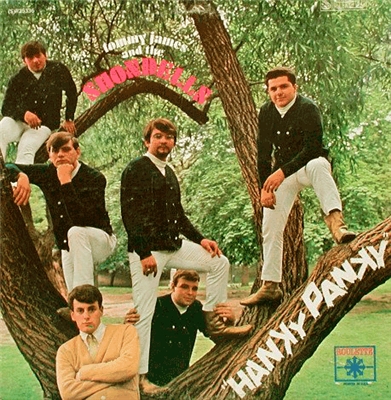
VENTRELLA: But see, you have an interesting story even without that. The whole “Hanky Panky” story about how that song became a hit without you even being aware of it…

JAMES: That is very true. It’s one of those ‘only in America’ stories. When I came to New York – I was still only 18 years old, and with a new group of Shondells – we came out of Pittsburgh – we were so thrilled because we got a ‘yes’ from all the record companies. Everybody!

VENTRELLA: But then Morris Levy got involved.

JAMES: Yes. I went to bed that night feeling so good because we got a thumbs up from everyone: Columbia, RCA, Epic, Atlantic… and the last place we took the record to was Roulette. The next morning, one by one all the companies called up and said, “listen, we gotta pass.” Finally, Jerry Wexler from Atlanta leveled with us and told us Morris Levy called them up one by one and said [Godfather voice] “This is my record.”

He scared everyone else until he was the only one left.

I just want to say though that every time I say something negative about Morris Levy, my conscience bothers me. The truth is that if it hadn’t been for him, there wouldn’t have been a Tommy James. I don’t know why the Good Lord decided to bless me with these people, but He did.

And also, if we had gone with one of the corporate labels, especially with a song like “Hanky Panky,” we would have gone with a producer, gotten lost in the numbers, and that would have been the last time anyone would have heard of me.

VENTRELLA: Yes, you actually had say in what songs you were going to record which not all bands did in those days…

JAMES: They left us alone. He allowed us to morph into whatever we could be. We had the attention of the public long enough that we could go through our different phases. I got an education at Roulette that I would have never gotten anywhere else. I would never have had that freedom anywhere else.

VENTRELLA: Since I’m a musician, that’s the part that interests me the most…

JAMES: What do you play?

VENTRELLA: Bass mostly, and I’ve been in plenty of bands and written plenty songs! You started writing songs early, with “Wishing Well.” When did you first realize that you could write as well as some of the professional guys? What song made you think “Hey, I can do this”?

JAMES: It wasn’t until I got to New York that I felt that I was on top of it. We learned early on, I must say, we had a great revelation. Our first two albums were basically cover songs. And then, Bo [Gentry] and Ritchie [Cordell] came to me with “I Think We’re Alone Now.” And once that happened, we sort of took control of our career. “I Think We’re Alone Now” was a very important moment for us, because I changed studios and began writing in earnest. I had a kind of epiphany that we were writing records, not songs. Suddenly you’re thinking verse / hook, formula – your writing suddenly had bookends it never had before.

VENTRELLA: “I Think We’re Alone Now” also was important in relationship to other songs of the time because it didn’t sound like every other song.

JAMES: It started us down a new road. Up until that time, we pretty much had been a garage band. We really were! But with “I Think We’re Alone Now” we added Jimmy Wisner, who was our George Martin. We really started layering our records properly. Even though it was four track back then – when we first started out, there were four track but they were still recording everything at once even though things were put on different tracks. I sort of went through the technology and began to see how this turned into this and that became that – we literally went from four track to twenty four track right in front of my face. That happened in a very short period of time.

VENTRELLA: That song also made the public take you a bit more seriously too.

JAMES: I think so too. It was our fourth gold record in a row, and we were starting to declare our independence at that moment, really taking control of production. Although Bo and Ritchie were still producing us, basically they answered to me, not Morris. We were learning our craft.

VENTRELLA: And of course you were touring constantly too, and with a record every five months or something…

JAMES: Even sooner than that. We were averaging a record every 90 days.

VENTRELLA: “I Think We’re Alone Now” is sometimes called “the birth of bubblegum” which I don’t think you actually want as your…

JAMES: I think we accidentally invented bubblegum music!

VENTRELLA: But that sound came back again in the ‘new wave’ era, with the Cars and other bands…

JAMES: True enough. When we did “I Think We’re Alone Now” the term ‘bubblegum’ didn’t exist. It was sort of – with the eighth notes… it was just something we went through. It was actually something I had done years before that, and we just incorporated that into the song, and that became a sort of signature sound for us for a bit…

VENTRELLA: You used it in “Mirage” after that.

JAMES: Yes. It was the sound of the album.

VENTRELLA: But then, like the Beatles, you didn’t stick with one sound. There were a lot of bands back in those days that once they had found their sound, they never changed.

JAMES: True enough. It was very important for us to always stretch the envelope and I believe that it’s the reason why we had so many hits. You know, we ended up with twenty three gold singles and nine platinum albums and we sold over a hundred million records.

When you look at it, this was only an eight year period of time, but now it’s been forty four years in the major leagues. This is a business that maybe gives you two or three years, so truly I am very grateful for the longevity. It’s been an amazing time.

VENTRELLA: Back in the 60s when you were writing these songs, did you feel yourself in competition with anybody else?

JAMES: Yeah, everybody! Myself! It’s funny, you know – for the first five or six years of your career (if you’re lucky enough to have it that long) you really believe that if you screw up, they can take it away from you.

We were competing with all the big groups. We went head to head with the Rascals! They were great friends of ours, and we were always working together and they were always one hit record ahead of us. They started out just before we did, and we always felt like we were playing catch up with them. We’ve been friends all this time!

All the acts – we all worked together, we all compared notes. It was a time of incredible creativity. The 60s were an unbelievable moment, we just thought they’d go on forever.

VENTRELLA: Who did you listen to mostly?

JAMES: Who I listened to then, of course, was every radio station I could. You get to know everyone else’s records as good as your own, because you’re always listening hoping to hear your record on the radio. So you start learning everyone else’s records, and so by the time you work with them…

VENTRELLA: You could practically play the songs with them!

JAMES: That’s right! You could do their set.

VENTRELLA: Are you still living in New York?

JAMES: I live just outside of New York, in New Jersey. Where are you from?

VENTRELLA: I’m out in the Poconos, so I’m not too far away.

What cover songs of yours do you like the best?

JAMES: Wow!

VENTRELLA: There have been quite a few…

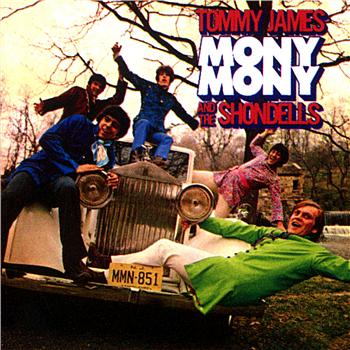
JAMES: There sure have. Well, Prince did a beautiful job of “Crimson and Clover” last year. The album went #1 and it was the first single. R.E.M. did a fine job with “Draggin’ the Line.” Oh boy! There’s a group from England called Tight Ship that did a great job with “Mony Mony.” That’s probably my favorite version. You know, Tom Jones just did “I’m Alive” around Christmas time. He did it on all the TV shows and it was really funny. He did a great job on it! He did a better job than I did!

But you know, we’ve had over 300 cover versions. Everyone from the Boston Pops to Billy Idol.

VENTRELLA: Let me ask you one questions I’ve been meaning to ask you. Did you really have a dog named Sam that ate purple flowers?

JAMES: I had a cat named Sam, but that just didn’t sound right! [laughs] I can’t sing “my cat Sam”!

VENTRELLA: No, that doesn’t flow right…

So there’s no chance of getting all that money that Morris owed you from all those years ago?

JAMES: Well, you know, the Good Lord has an amazing economy. This story, and with the movie – think of how boring it would be without Morris Levy! What kind of story would I have? “Me, My Mom, and the Music?” [laughs]

Truthfully, this is all payback for those years.

VENTRELLA: When I was a student in Boston, I worked for Strawberry’s record stores, and when I read your book I thought “Oh my God, I was working for the mob and didn’t know it!”

JAMES: Morris was an amazing individual. You read the book so you know all about him…

VENTRELLA: Well, I had heard of him before because of how he screwed over John Lennon.

Where are you performing now?

JAMES: We’re all over the country this year. If you go to my website, www.TommyJames.com, we’re not only performing but we’re doing the book tour.

VENTRELLA: Are you doing new material?

JAMES: Yes! Actually, the original Shondells and I are back in the studio doing music for the movie.

VENTRELLA: The originals?

JAMES: Yes, the originals from Pittsburgh. My touring group has been with me for about 25 years but the original players are with me back in the studio. We just did a really good version of “I Think We’re Alone Now” that we’re going to use for the closing credits. It’s slow. It’s completely opposite from the original record and it changes the meaning of the song. The last scene in the movie is when Morris Levy dies, so “I Think We’re Alone Now” – it really changes the meaning of the lyrics.

VENTRELLA: Wasn’t that song brought to you originally more as a ballad and then you sped it up?

JAMES: The circle is complete!

Interview with author Dennis Tafoya

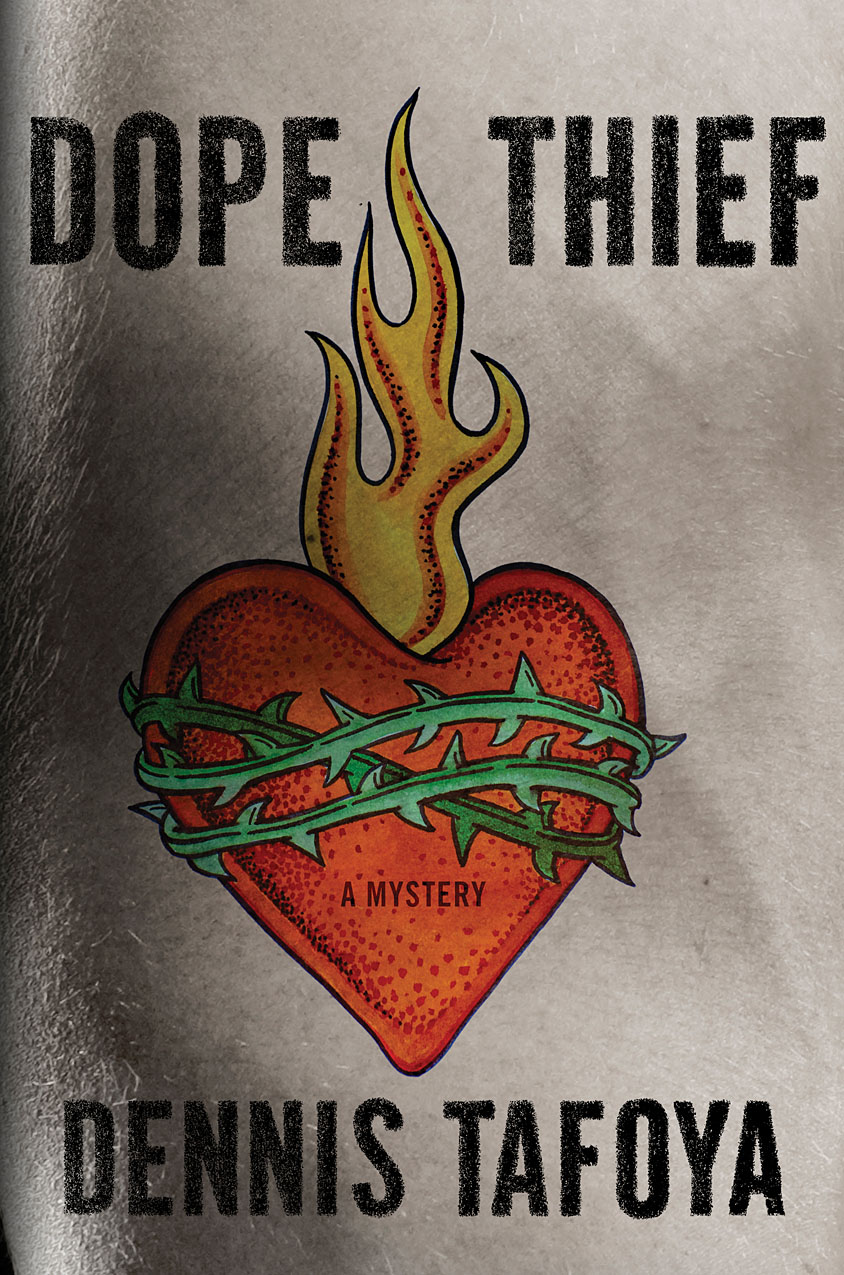
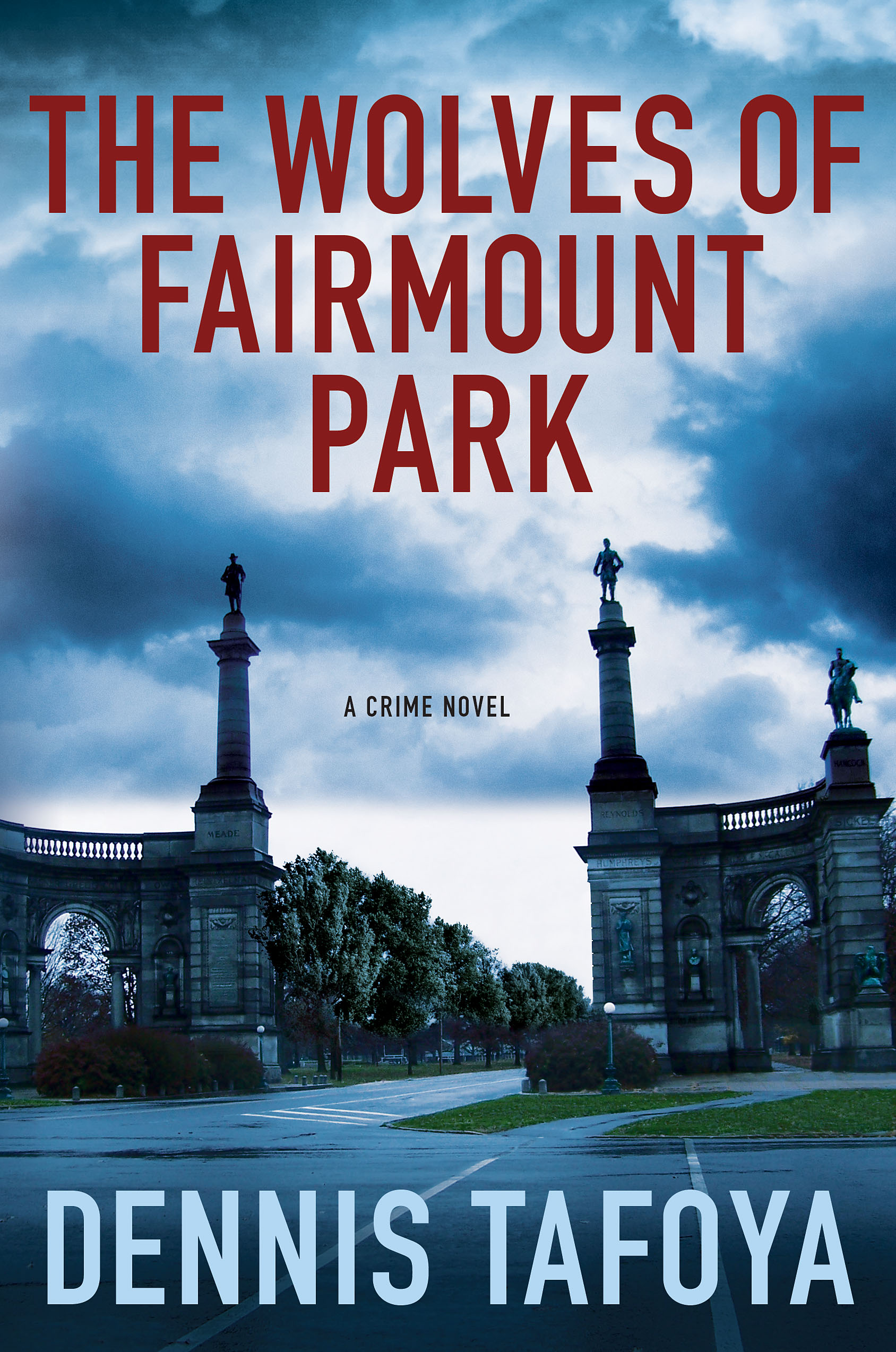
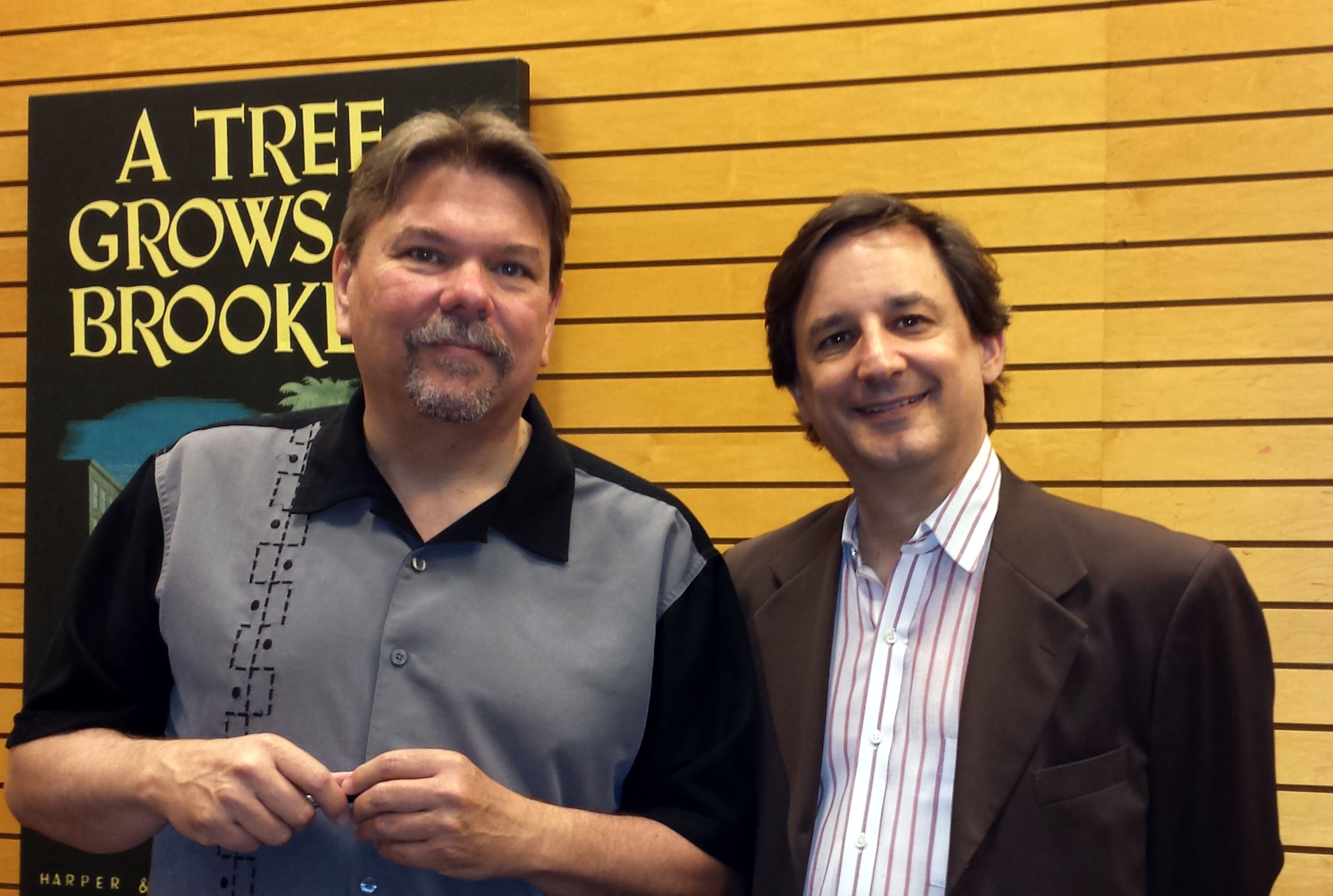
MICHAEL A. VENTRELLA: I’m pleased to be interviewing author Dennis Tafoya today, whose latest novel THE WOLVES OF FAIRMOUNT PARK has just been released. His first novel, DOPE THIEF, was published by Minotaur Books in 2009. His short story “Above the Imperial” will appear in Philadelphia Noir, coming from Akashic Books in November as part of their award-winning City Noir series. He is a member of the Mystery Writers of America, the International Thriller Writers, and the Liars Club, a Philadelphia-area writers group. He lives in Bucks County, Pennsylvania.

Dennis, let’s begin by talking about how you first got started. What got you interested in being a writer?

DENNIS TAFOYA: Writing is something I’ve always done. When I was nine I wrote a story about a monster with my friend Keith Parker. We thought it was pretty good, but looking back I have to admit it was basically a rip-off of an episode of the TV show, One Step Beyond. I associate my love of writing with a love of reading, and my early stuff was very much influenced by the science fiction and horror authors I loved when I was young, like Ray Bradbury and Robert Bloch and Harlan Ellison. I would still like to write something in a paranormal or horror vein, and I still think those authors are amazing.

VENTRELLA: Do you think starting authors should concentrate on perfecting short stories first? Do you feel the skills needed for novels is different?

TAFOYA: That’s a really interesting question, and I’ve never thought about short story writing as a prerequisite for the aspiring novelist. I know people who are very comfortable in the long form who really don’t like writing short stories, and short story writers who really struggle with the requirements of the novel. I think the best novel chapters are frequently short stories in themselves, though, and trying to master the short story can teach the writer a ton about tight control on the elements of story.

I love writing short stories — I’ve got a bunch of them out or coming out in the next few months, and I’m really proud that I’ve got a story in upcoming Philadelphia Noir from Akashic Books. I did write shorts before I tried a novel, I think to show myself that I could write a complete story. It’s also a lot easier to find a home for a short story because of the explosion of story sites on the web. I frequently advise my aspiring writer friends to take advantage of those sites, both to get work out there and get reactions, and as a way to meet people who are writing in your genre, too.

Actually, my only creative writing teacher was a poet, and I think writing poetry is an excellent path to writing fiction. Writing good poetry requires a brutal discipline, and it kind of distills the tension that should be present in all good writing to a very fine point. Poetry teaches an awareness of rhythm and word choice, too. I think making demands on ourselves as writers is the only way to get better at what we do.

VENTRELLA: Why did you decide to be a “crime writer”? What sort of background do you bring to the genre?

TAFOYA: Oh, not much other than a deep interest in crime. The threads that inform my work are literary fiction and true crime, I think. I have a few relatives with a little Damon Runyon quality to thier lives, but mostly the characters in my novels and stories are out of my imagination, applied to what I’ve read and heard about criminals and the criminal life. I’ve been lucky to know police officers and prosecutors and defense lawyers, and I’ve gotten some amazing things out of those associations, but I’m pretty boring and middle class personally. I think that’s a little disappointing to people who meet me, and I was thinking I should get some tattoos or something to sell the image a little more.

VENTRELLA: What kind of research do you do when preparing a story?

TAFOYA: I’m a fiend for research. I want to get the details right, and I want to write about those worlds as well as I can. I did a ton of research for both DOPE THIEF and WOLVES OF FAIRMOUNT PARK. I read, go to the library and spend thousands of hours on the internet trying to learn the things I want to know.

The cool thing is that research itself can generate new story ideas and take me in directions I wouldn’t have thought to move. Reading about crime in Philly for WOLVES OF FAIRMOUNT PARK, I stumbled on stories about ‘hoppers,’ kids who ride freight trains and live in squats in the city. So I added a couple of hopper characters to the novel, and the stuff I’ve learned is tucked away in my brain in case I want to spend more time developing characters or stories that involve that world.

VENTRELLA: Do you like being called “hard boiled”? What the heck does that mean, anyway?

TAFOYA: I’m not entirely sure. I guess it’s fiction with a gritty edge. I don’t mind the label, but I hope it doesn’t keep people away who might enjoy the books but who think my work might be too intense. My stories are character-driven, and while the stories do involve violence and drug use, I really want to arouse the interest and sympathy of the reader, not shock or alienate anyone. I write about people who struggle in the margins, who live compromised lives but who are still smart and aware and want more from life than their roles would suggest. I hope people recognize themselves, at least a little, in characters like Orlando in WOLVES or Ray in DOPE THIEF.

VENTRELLA: How did you interest a publisher in your first novel?

TAFOYA: I was extraordinarily lucky. Basically, a very nice woman from California, a writer and producer named Cori Stern, took an interest in my work and started me toward publication. She introduced me to her manager, Brooke Ehrlich, who agreed to represent me. Brooke found me an amazing literary agent, Alex Glass of Trident Media, who sold the book to Minotaur. It was all so painless I feel guilty when I hear other writers tell me about trying for years to find representation and get their work in front of editors. Like Blanche Dubois, I depended on the kindness of strangers, but it went much better for me than for Blanche.

VENTRELLA: THE DOPE THIEF was released first in hardcover. Why was that decision made? Do you think it was the right decision?

TAFOYA: It’s been Minotaur’s decision to release both books in harcover. I’m still a little worried that, times being what they are that people will balk at the price, but I have to trust that my publishers know what they’re doing. I think there is more interest and attention aimed at hardcovers, but there is that price issue, too. It’s a tremendous vote of confidence from Minotaur and my editor, but I feel a huge responsibility for it all to go well.

VENTRELLA: Let’s talk about characters. The best and most memorable are flawed in some way yet believable. What sort of process do you take when developing your characters? How do you make sure they don’t turn cliche?

TAFOYA: Trying to avoid cliche is one of my major preoccupations, in my characters, in the plot and in the prose itself. My aim is to write something readers haven’t seen before, but that delivers a satisfying experience and engages them emotionally. It’s a lot to try to accomplish, but I think I’m a better writer for at least moving in those directions.

I’m really only interested in characters who are deeply compromised. Maybe because I see myself that way, maybe because people who are self-contained, capable and sort of unassailable are cyphers to me. I don’t know many people like that in real life, either. Good writing is about tension, and I think that tension between the way we live and the way we want to live is what generates story in a really interesting and organic way.

VENTRELLA: Also difficult is making unsavory characters appealing to a reader. What do you find works best?

TAFOYA: I think some degree of self-knowledge is the key. My characters are drug addicts and criminals, but their awareness of themselves and the gap between what they want for themselves and the lives they lead is something we can all identify with. In DOPE THIEF, the main character is trying to figure out where things went wrong for him and whether he can get to a better life that’s about connection and engagement with his own best impulses. You don’t have to be a criminal to feel that way.

VENTRELLA: What is your writing style? Do you outline heavily, jump right in, start at the end…?

TAFOYA: I outline very briefly and generally, a couple of pages. I find so much in the writing that I don’t want to limit myself. The story will demand it’s own level of planning, too. WOLVES was a mystery, and there are logistical issues that need to be worked out with a little precision when you’re working on that kind of project, but I always find new characters or new ideas, so my sense of the story remains pretty fluid. I do have an image or scene that I’m writing toward, usually, a kind of state I want things to be in at the end. That’s pretty important for me.

VENTRELLA: WOLVES was bought by your publisher based on a one sentence synposis, about a heroin addict trying to solve a mystery. Did that provide a challenge? Are you pleased with the result?

TAFOYA: I don’t know what I was thinking promising to write a mystery. I have so much respect for writers who can deliver those on a regular basis! I’m really glad I did it, and I’m pleased that the book is getting good reviews, but it was a real challenge. It stretched me in new ways, and not just because of the requirements of the mystery form. I knew I was going to have to plan much more extensively, create red herrings and keep control of the way information is revealed, but I was also working for the first time with multiple viewpoints and a much larger palette. It was pretty ambitious, and I can’t tell you how relieved I am that the book is getting good reactions.

VENTRELLA: WOLVES also deals with the seedy underbelly of Philadelphia. What is it about Philly that makes it unique to your stories? Could your fiction work in any other place?

TAFOYA: I was asked that in another interview recently, and I’ve been thinking about how Philadelphia and its characters might be unique. I’ve spent a lot of time in New York and Washington and some other places and I can say people in each of those places really seem different to me. I recently set a short story in Vegas that dealt with characters from the west, and I think the speech patterns, the way people engage one another, reflect a slower pace and sometimes a little more recalcitrance than the people I know here. My friends and relatives from Philly talk fast and loud and share different kinds of information. We’re on display in a way that a guy from rural Nevada might not be.

Another thing I think is interesting is that here in Philly we’re more rooted to the place we live. In my family we used to joke about that, about our relatives who thought they needed a passport to leave South Philly. We’re defined by neighborhoods, by where we grew up and where our families live. Our accents are very specific and we’re very conscious of class and income. My relatives from Oregon Avenue regarded the Main Line as a different planet.

VENTRELLA: Can we expect your third novel to do the same?

TAFOYA: I’m working (very slowly) on a new novel dealing with little criminals from South Jersey. It’s an excuse to do a ton more research, of course, and to spend time in the area getting to know the places and reading local papers, eating in the diners. Research like that is always fun and it always yields really interesting stuff, some of which might actually make it into the book.

VENTRELLA: And finally, what advice would you give the aspiring writer that isn’t obvious (“write better”)?

TAFOYA: Find other writers. I meet people who have been working alone on novels for years, hoping to finish that novel or screenplay, or endlessly refining work they’ve already done. Meeting other people who are doing the same thing you are will help you gain confidence, it will get you help and advice, and it will hopefully let you get reactions from people who are engaged in the same work. Your friends and family might be really supportive, but they’re rarely able to help you get better at your craft or help you find ways to get your work in front of readers or agents or editors. Your best bet is to meet other writers. I think you’ll find, like I have, that writers are extemely generous and supportive. Nearly all of the great things that have happened to me have been because other writers went out of their way to help me or give me advice.

Tafoya

Interview with David Niall Wilson

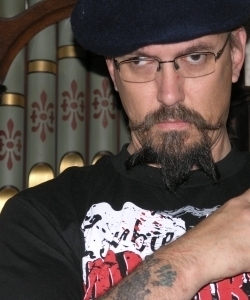
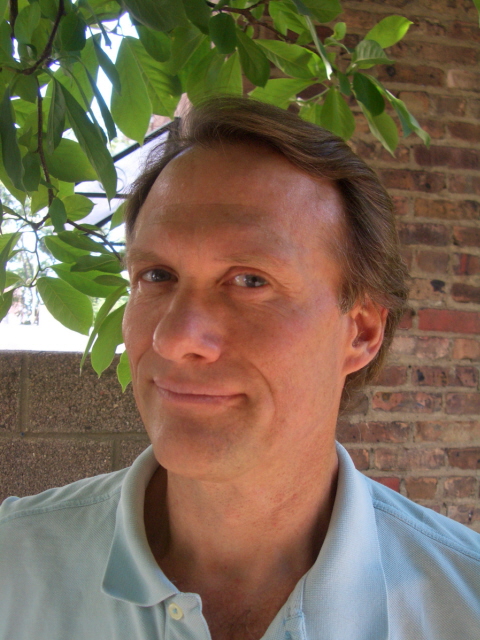
MICHAEL A. VENTRELLA: I’m pleased to be interviewing David Niall Wilson today. David has been writing professionally since the 1980s. He has more than sixteen novels and 200 short stories published and has won the Bram Stoker Award for poetry and for short fiction. He is an ex-president of the Horror Writer’s Association and an ordained minster. David lives and writes on the edge of the Great Dismal Swamp in North Carolina with the love of his life, Patricia Lee Macomber, their children Stephanie, Billy, Zachar, Zane, and Katie, two brainless Pekingese and a chinchilla named Pook Daddy. David is CEO and founder of Crossroad Press, publishing e-books and professional level audio books. His personal web page is http://www.davidniallwilson.com/ and the publishing site is http://www.crossroadpress.com/catalog

Vampire novels began your career, with White Wolf. Were these stories based on the vampire LARP games? Were you limited in any way because of this?

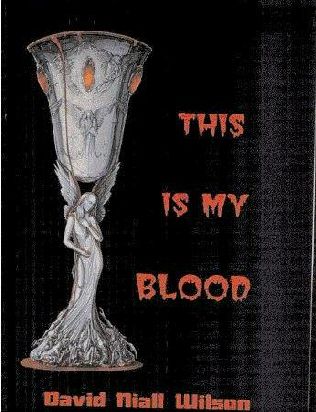
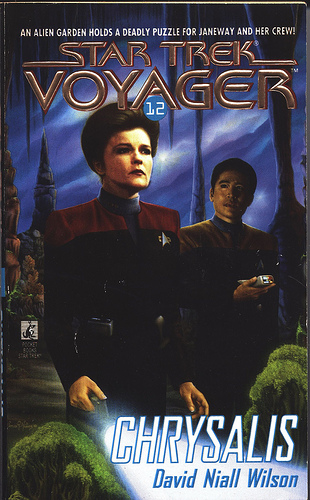
WILSON: First off, my career (at least by publication date) started with the sale of my stand-alone vampire novel, THIS IS MY BLOOD, followed by the actual publication of CHRYSALIS, my Star Trek Voyager novel.

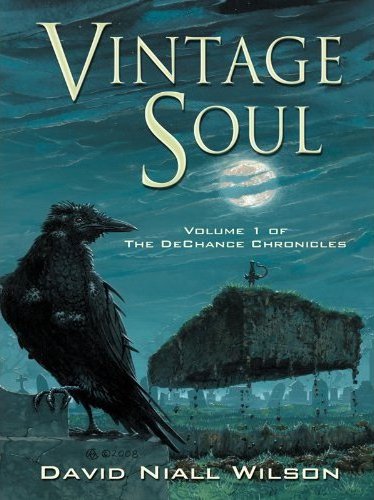
To answer the question, yes, the White Wolf novels I wrote were all written in their “World of Darkness” and were always intended as companion fiction to their games. The vampires were required to be part of a known clan, to have the proper abilities, and in many cases the novels – while I plotted them – had a particular outcome that was required to further the overall story arc the publishers / editors had in mind. Yes, it was a bit restrictive, but I had a lot of fun with it. Recently I wrote the novel VINTAGE SOUL, which came out in hardcover this past December. It’s the first in a series titled “The DeChance Chronicles” that is written in much the same style and “feel” of my White Wolf novels.

VENTRELLA: You’ve used religion in your writing. What sort of research did you do to prepare?

WILSON: Well, just about every biographical note concerning me will mention that I’m an ordained minister. While that’s a bit tongue in cheek, I spent many years of my youth studying for just that purpose. It wasn’t until about my second year in the US Navy that I determined most (if not all) organized religion was merely an excuse for a small group of people to take control of a larger group by making crazy rules and blaming it on supernatural entities. I left the church behind, but not before I was pretty well versed in The Bible and most denominations who claim to live by it.

VENTRELLA: For the benefit of those unaware, can you describe the plot to THIS IS MY BLOOD?

WILSON: It is a retelling of the gospel from a very different perspective. When Jesus goes into the desert and is tempted by the devil, there is one temptation added. One of the fallen is raised as a woman to tempt him with the flesh. Instead, the woman, named Mary, falls in love with Jesus and his promise of returning her to Heaven.

Cursed to follow him and drink the blood of his followers, Mary walks a fine line between her desire to love and support the Christ, and her burning need to return to Heaven. This novel takes the world of faith, which was the world of men, and of the apostles, and shows it through the eyes of a fallen angel – one who has, in her own words, walked the roads of both Heaven, and Hell. She doesn’t believe there is a God … she knows.

Faithful to the storyline of the original gospels, only weaving in new things when there are gaps in the old, this is a novel of faith, redemption, and ultimate sacrifice.

It’s also my shot at that aforementioned organized religion. In this novel Mary knows that there is a Heaven, and a Hell. She has no need of faith, and this frees her to comment on the lack of belief, harmony, and strength in the apostles … not to mention I’ve always thought Judas got a bad deal, and had fun correcting that as well.

VENTRELLA: Have you received any negative response to your books which use religion as the core?

WILSON: Not a bit. In fact, more than one person (recently, even) has told me that the work has given them new perspective on the Christian faith. So far as I know the only time it’s been an issue was when a German publisher said they could not publish it because they were backed in great part by The Vatican.

VENTRELLA: Have you ever had an idea that bit at you but you couldn’t make work?

WILSON: Not so far. I have had moments where I had an idea I knew to be very, very good, and worried that I wouldn’t be able to pull it off. The first time this happened was when I sat down to write THIS IS MY BLOOD. Oddly, the project I’ve just started feels that way, though after all the years and words, I’m less worried whether I can do it than I am whether I’m ready to do it…I guess time will tell.

VENTRELLA: Writing a short story is much different from writing a novel. What are the difficulties you have found?

WILSON: I’ve always been good with short fiction (I suppose that explains the award). I have noticed, though, that if you spend most of your time writing novels, it can be more difficult to go back to short form with success. You have to change your focus – sort of like the difference between a snapshot and a movie. A short story usually winds around a single conflict, while a novel can have multiple related plots that wind in and around one another. You have to be a lot more careful with your words in the short form and waste none of them.

VENTRELLA: Why do you think some authors specialize in one or the other?

WILSON: Part of it is a difference in career focus. It’s not impossible to make a living with short fiction, but it’s almost as rare as making a career of being a poet. If you want to reach larger audiences and make a mark, it’s necessary to move into longer forms at some point.

For some, creating short stories is the focus. They love theme anthologies, magazines, and collections, and I admire authors who can maintain that focus. As for myself, I write short fiction when time allows, but my focus has largely shifted to novels and screenplays.

VENTRELLA: Do you think the public is sick of vampire stories yet? Will there be a saturation point? (As an aside, I hope not, given my next book…)

WILSON: I don’t think vampires are going anywhere soon. They are very versatile, shifting to fit whatever the fiction style du jour might be. Today they are mostly just characters in bigger stories. In the old school vampire novels, the fact that there were vampires WAS the story. Now they are just characters with a different set of needs, powers, and goals. They’re not going to disappear on us in the foreseeable future.

VENTRELLA: What work of yours would you advise as a starting point for your books and why?

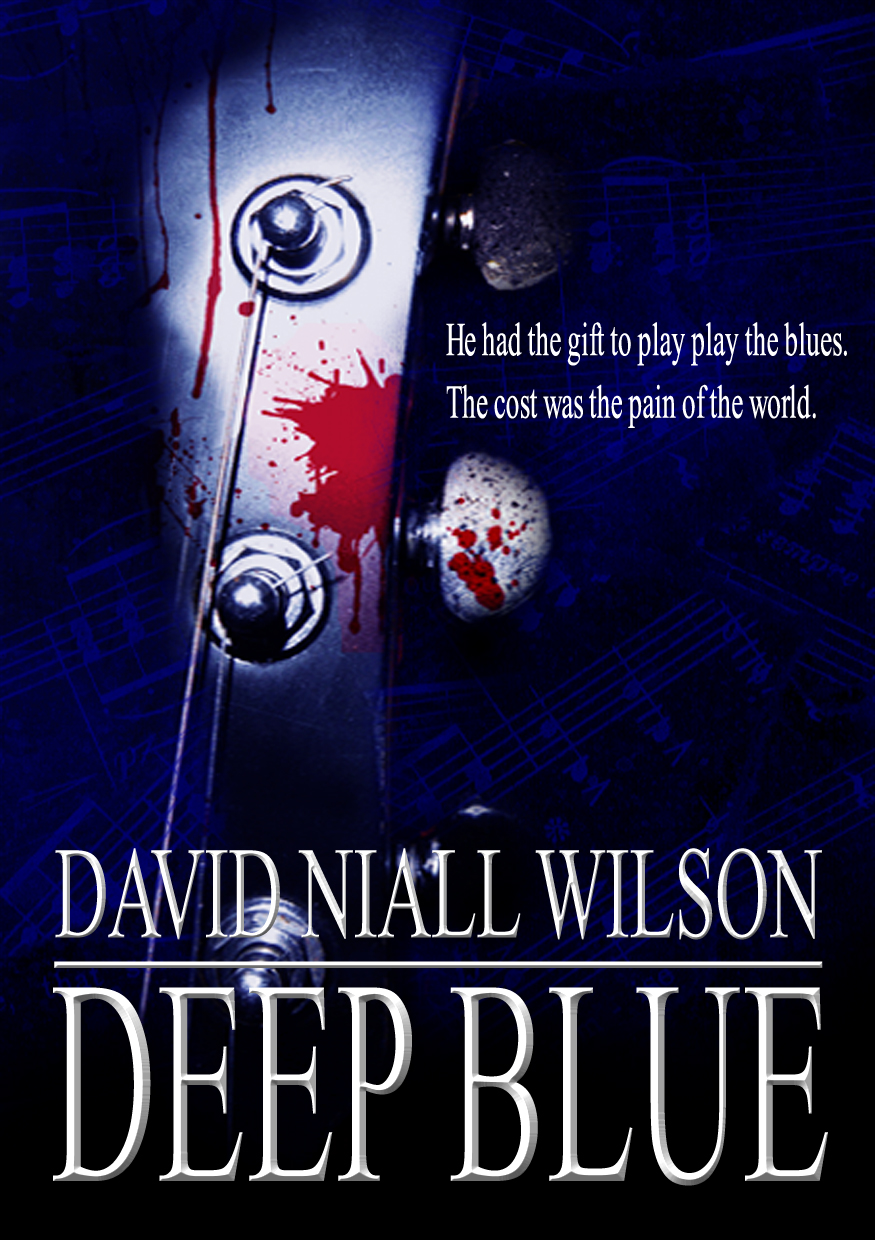
WILSON: It depends entirely on what sort of fiction you enjoy. My most enduring work is THIS IS MY BLOOD, while my personal favorite so far is DEEP BLUE. My latest is VINTAGE SOUL, and I’m hoping that will launch a series that sort of falls halfway between White Wolf and Harry Dresden. I’ve written science fiction, fantasy, thrillers, dark fantasy, and horror. There’s something available out there for nearly everyone.

VENTRELLA: I note that you do not limit your blog to your writing only, and instead discuss whatever you want. What sort of feedback do you receive? Do your fans appreciate this, skip past it, or does it matter?

WILSON: I’ve gotten a lot of positive feedback on the blog, and I have to say, I can’t imagine the purpose of a blog other than to share what’s on your mind. There’s only so much one can write about their work, and if you want to actually create rapport with readers, you have to be willing to give something in return. I am personally turned off by and uninterested in blogs that cover nothing but a writer’s work. It feels like an advertisement rather than a connection.

VENTRELLA: And finally: What advice would you give to an aspiring author that you wish someone had given you?

WILSON: Not sure that it was not given to me and ignored, but I’d say the best advice in today’s writing world is to not get caught up in blogs, websites, hunting for agents, worrying over markets, self-publishing, and “branding” to the point that you forget the most important thing. If you don’t write, write well, and then write some more, all the rest is a waste of time.

Interview with S. C. Butler

MICHAEL A. VENTRELLA: I’m pleased to be interviewing S.C. Butler today.

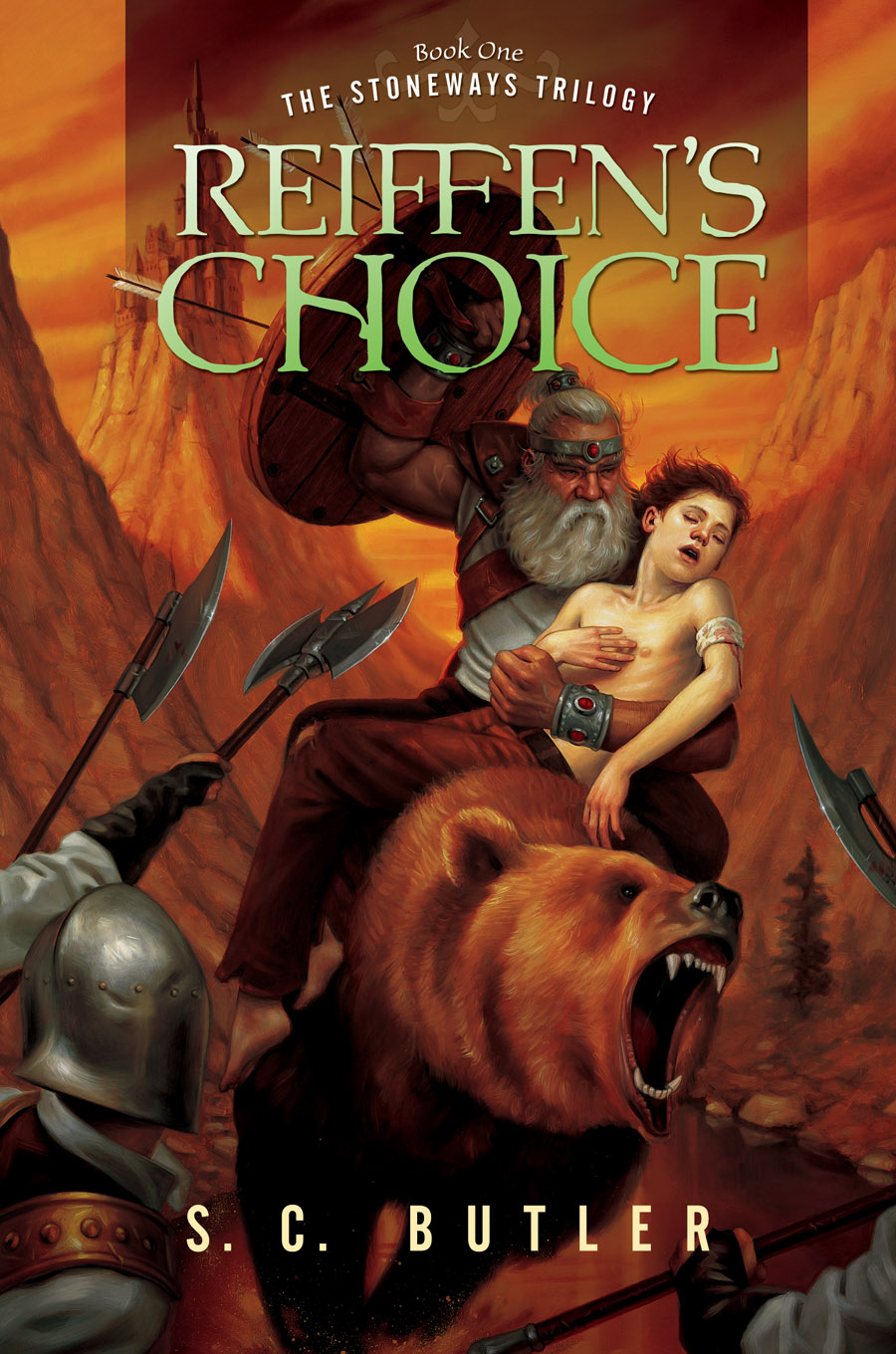
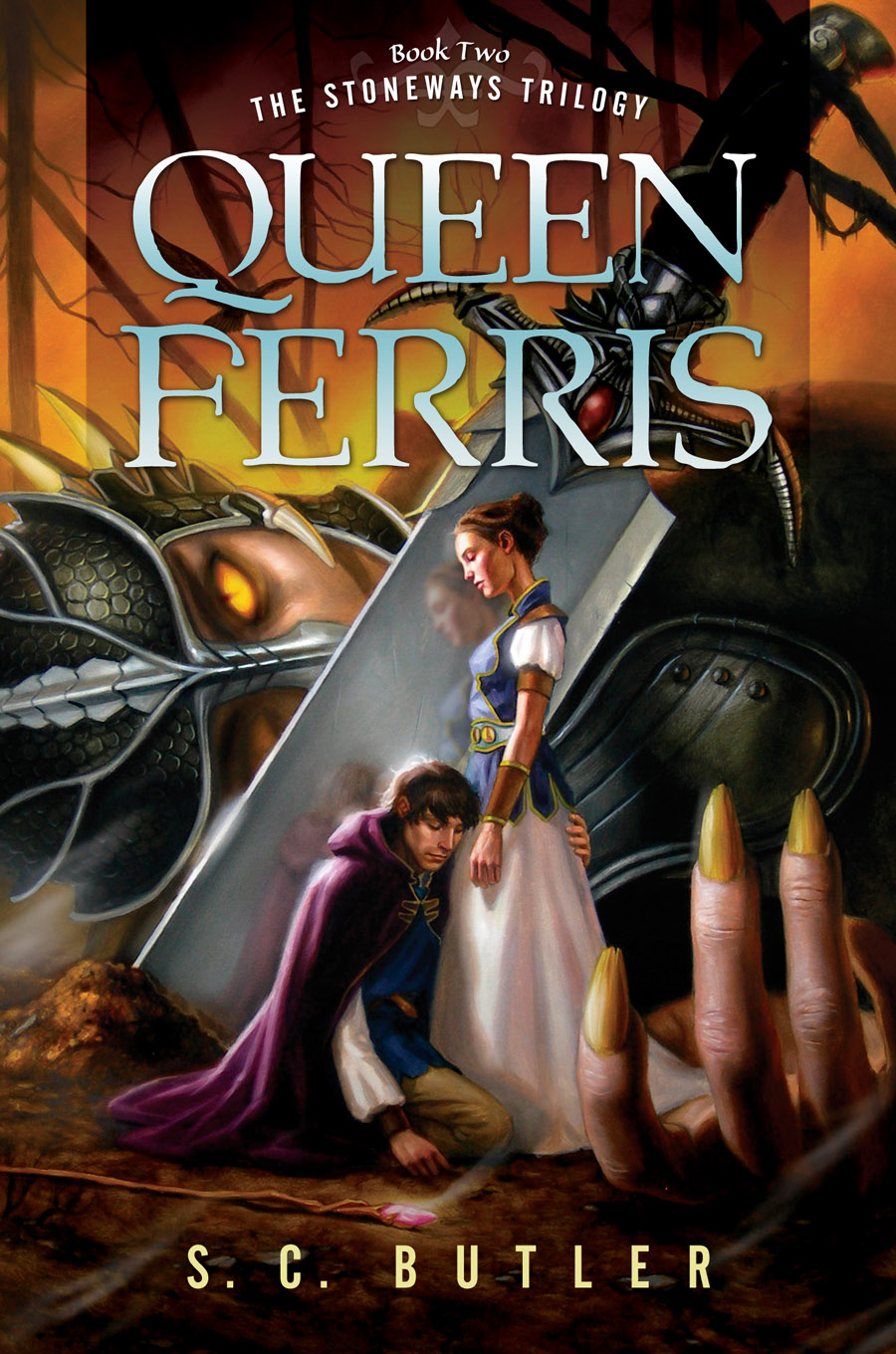
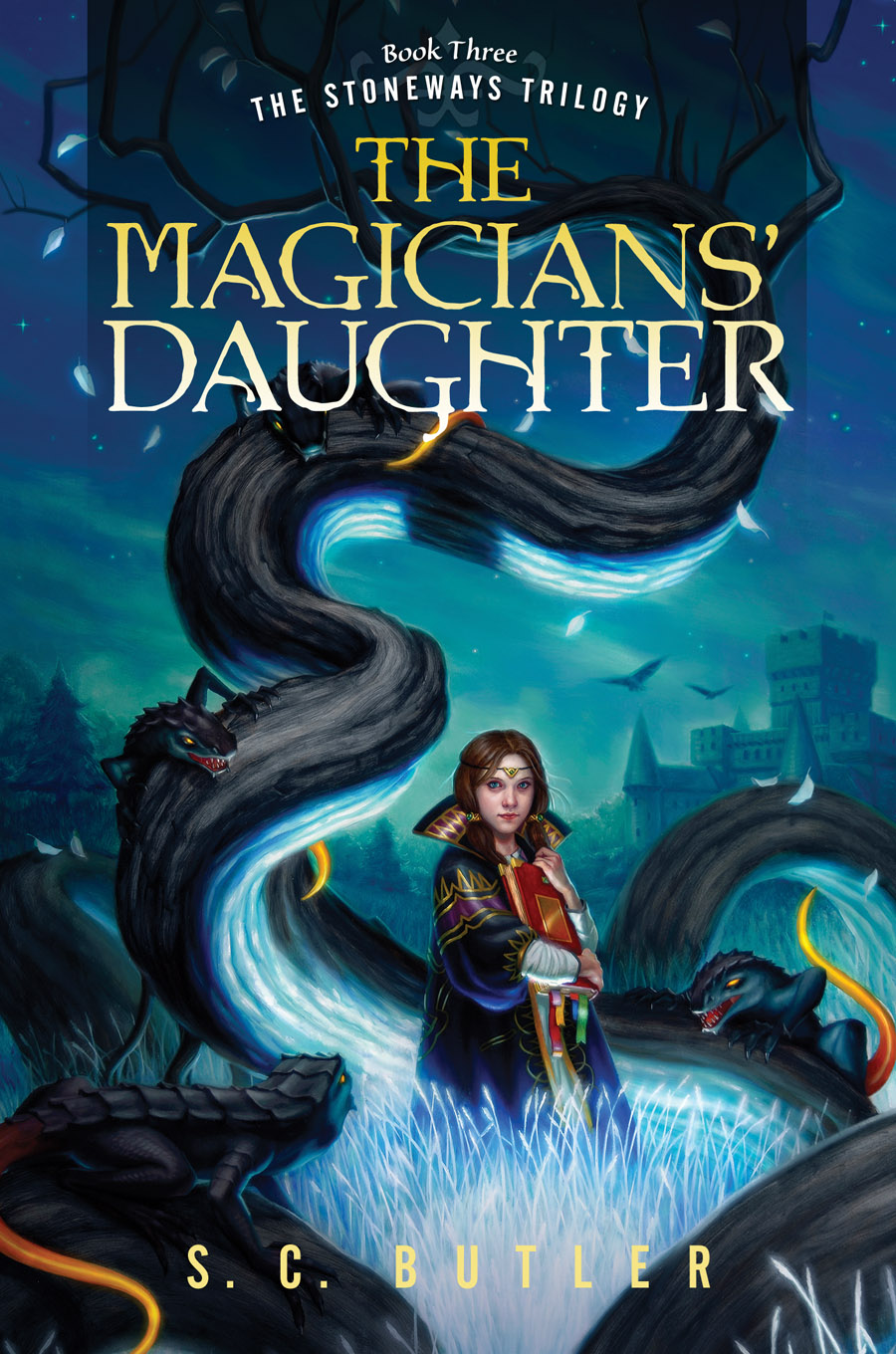
After graduating from Harvard, S.C. Butler worked in New York’s financial sector. His first published novel was REIFFEN’S CHOICE, published by Tor Books in September, 2006, followed by QUEEN FERRIS in the fall of 2007, and THE MAGICIAN’S DAUGHTER in May, 2009.

S.C., you had tried to make it as a novelist after college, but instead ended up on Wall Street. Tell us about those earlier books. Why do you think they didn’t get accepted?

S.C. BUTLER: My early books didn’t get accepted because they weren’t very good. They were all over the place, too: a scifi rock and roll novel, a baseball novel set in the Old West, a children’s book called THE MOVIE MICE (think Ratatouille with cameras instead of food).

VENTRELLA: Why have you been able to make sales now?

BUTLER: Ten years after I’d stopped writing, I reread one of my novels and realized it wasn’t very good. Which meant not getting published was my fault (and something I could fix by writing better books), and not the fault of a blind publishing industry. (It rarely is).

VENTRELLA: I certainly know the feeling, having gone through a similar process myself. Please tell my readers about your books!

BUTLER: THE STONEWAYS TRILOGY was conceived as one book with three basic parts. In REIFFEN’S CHOICE the reader discovers how Reiffen learns magic; in QUEEN FERRIS we learn what he does with his magic; and in THE MAGICIANS’ DAUGHTER we learn what his magic does to him. The books are very much about the consequences of power, but with a lot of humor and drama along the way. My own favorite character is Durk, the talking rock.

VENTRELLA: Do you have an agent? How has that relationship worked out?

BUTLER: I have an agent. I think it’s very important for writers to have an agent, not just for the doors an agent can open, but for the business knowledge they bring to the table as well. Most agents are definitely worth the money a writer pays them.

VENTRELLA: We met at a science fiction convention. Have you been attending those for very long?

BUTLER: I only started attending conventions after I became published.

VENTRELLA: Do you find that they are useful?

BUTLER: A lot of people find conventions useful for networking and business, but that isn’t the main reason I enjoy them. I attend conventions more for the chance to meet new people, find out what they’re reading, what they like and don’t like, that sort of thing. A writing friend describes attending SF conventions as a writer’s version of hanging out at the water cooler at work. Since writers tend to work alone, we don’t get a lot of chances to hang out together.

VENTRELLA: What other types of promotion have you done for your books and what do you find the most successful?

BUTLER: I’ve done readings, handed out postcards, done interviews, done bookstore signings, gone on radio programs, done podcasts, blogged, and spoken at schools. Speaking at schools is the only promotional activity I’ve found particularly effective, especially if the talk is combined with a school book fair where I can sell books. Most of my attempts at promotion have had relatively little effect, and I’m coming around now to the idea that the best way to sell books is to write another, better one.

VENTRELLA: What makes your fantasy novels different or unique from others in the genre?

BUTLER: I like to think that my books stand a lot of fantasy conventions on their heads. For example, though one of main protagonists in THE STONEWAYS is a 13 year old boy whose kingdom has been stolen from him by his uncle, he never becomes king. A lot of reviewers didn’t get that, perhaps because the red herring was too red, and thought the book was yet another fantasy where the hero conquers the baddies to win the girl and the crown. But, as I said earlier, the books are very much about the consequences of power. Too much fantasy sidesteps that issue entirely – the hero is more powerful than anyone else, yet never really does anything bad. He saves the world and that’s that. What if Boromir had actually gotten hold of the ring in THE LORD OF THE RINGS? That’s the question THE STONEWAYS asks.

VENTRELLA: What clichés do you see in the genre that you hate? How do you avoid them?

BUTLER: I dislike books where the magic has no cost, where magic-users are people with special talents unavailable to the rest of the people in the world. I much prefer magic that anyone can learn and use, but only if they’re willing to pay the cost. It’s how they deal with their power they have that I find most interesting.

VENTRELLA: When we met, we discussed the fact that neither of us have religion in our fantasy novels, which is somewhat unusual in the genre. Why did you make that decision?

BUTLER: This follows nicely from the previous question – another cliché I dislike is the use of religion as a plot device, usually with the bad guys being priests or clerics who want to preserve their power. The actual faiths of these one-dimensional bad guys are never actually described in this sort of book. It’s just one more form of medieval political power, no different from the various kings, barons, or magic-users also out there trying to take over the world. Though I am not religious myself, I recognize that most religions have a great deal of thought and history behind their beliefs. But bad fantasy religions rarely discuss these things. They’re just present to provide easy motivation for the bad guys.

VENTRELLA: What are you working on now?

BUTLER: My current project is a science fiction story I call THE MOON IS A HARSH MISTRESS meets CONTACT. But writing sf is very different from writing fantasy, and I find myself still adjusting my writing style to the new form’s demands. It’s an interesting challenge – I just hope I can pull it off!

Don’t Give Up Your Day Job

Thanks largely to TV and movies which tend to feature successful authors solving mysteries, appearing on talk shows, and living in fancy penthouse apartments in Manhattan, the public believes that all you need is a book in Borders and you’re set for life.

Talk about writing fiction!

Side profile of a journalist typing on a typewriter

As I’ve met more and more authors, interviewed them for this blog, and become friends, I am learning how rare it is to find an author who makes a comfortable living from their work. Seriously, I can only think of a few examples where “writing” is that person’s prime occupation.

One author with many books on the Science Fiction bestseller lists works as a secretary. Another has taken a part time job with the census bureau. There’s a NY Times Bestseller who has complained on her Facebook page about her real life job (but I’m not sure what it is).

Many have been able to find jobs related to writing: English professors and other educators are (not surprisingly) common.

And a few have been able to pay the bills by writing, but they write a lot — fiction, nonfiction, magazine articles, comic books, short stories — anything. This is a good strategy if you can manage it, but ironically it kind of requires you to not have a job first to have enough time to write that much.

There are some who are doing quite well, but not everyone can be J.K. Rowling or Steven King — just like every songwriting musician can’t be Bruce Springsteen or Elvis Costello.

I was on a panel with Lawrence Watt-Evans at a recent convention, and this subject came up. He’s an award-winning author whose books can easily be found at any bookstore. The uncertainty of income is a constant for writers. “One year my total income was $16,000,” he said. Of course, it’s understood that his income could have been ten times that much in the next year when a great bestseller would be released, but the lesson remains:

Don’t become a writer for the money!

Seriously!

There are creative people all over the world — artists, musicians, writers, filmmakers — and for every rich successful one out there, a thousand more are working as waiters while hoping for their big break. Being talented helps, but often the relationship between talent and success is blurry.

Write because you love it! I’m not saying to disregard the public — if you write stuff no one wants to read then it’s rather pointless — but be realistic about your future. Keep your feet on the ground.

My Turn to be Interviewed

Chris Redding hosts a very nice interview with me on her blog today, in which I discuss fantasy games, fantasy cliches, and axes (of evil)!

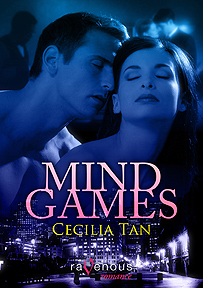
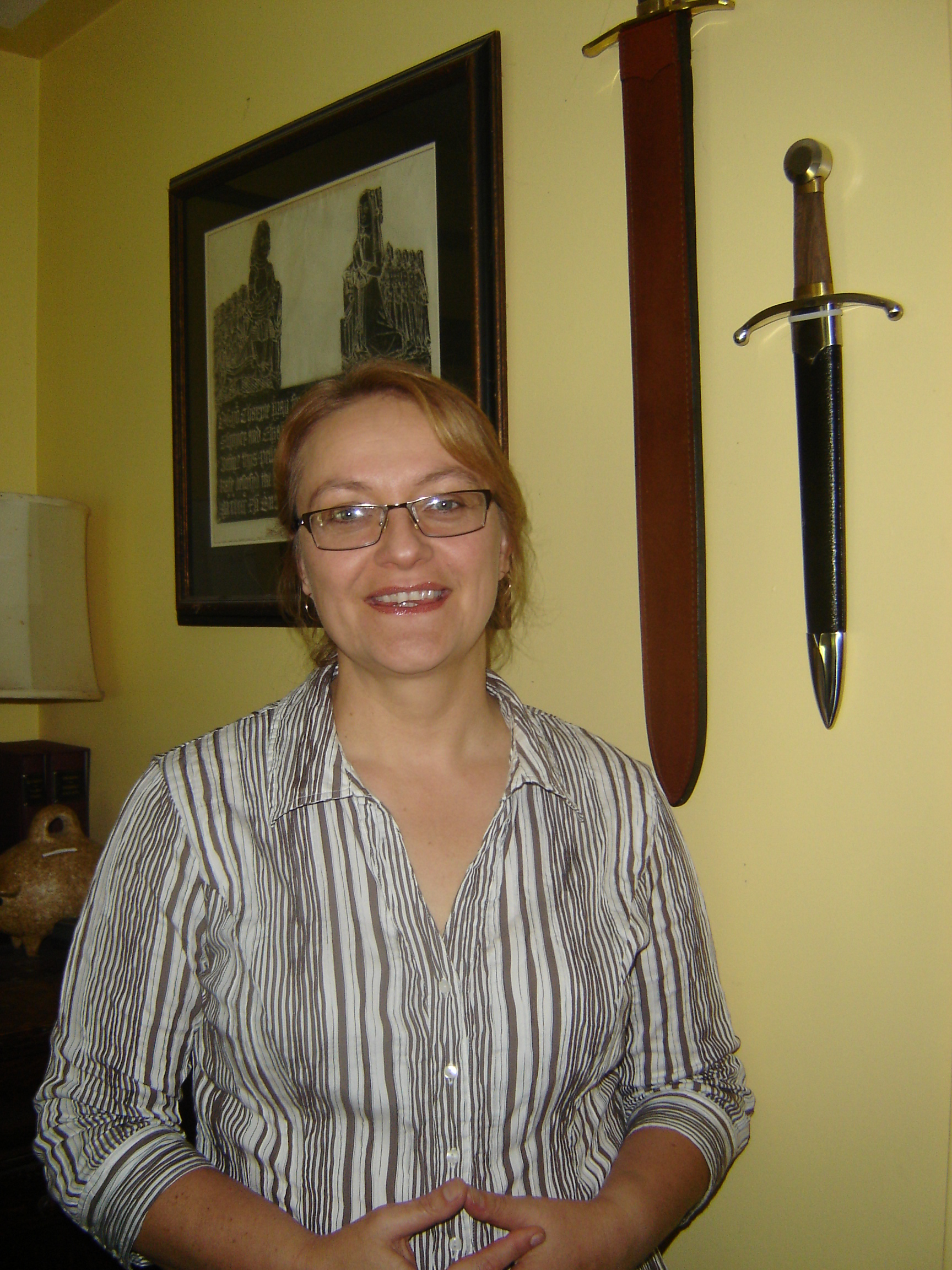
Interview with Author and Editor Cecilia Tan

MICHAEL A. VENTRELLA: I’m pleased to be interviewing Cecilia Tan today. Cecilia has been writing and editing professionally for the better part of two decades, both independently and for the small press she founded in 1992, Circlet Press, who specialize in material that mixes the erotic with the fantastic. She has written numerous erotic romances for Ravenous Romance, has edited anthologies for Alyson Books, Thunder’s Mouth Press, Carroll & Graf, Masquerade Books, Blue Moon Books, and others, and collections of her short stories have been published by HarperCollins and Running Press. On top of all that, she also writes and edits publications on baseball.

Cecilia, What brought about the founding of Circlet Press?

CECILIA TAN: I had written a story called “Telepaths Don’t Need Safewords” and just knew at the time I finished it that it was the best story I had written to date. It mixed explicitly kinky erotic action with a science fiction plot. Then I looked around for somewhere to submit it. There was nowhere. Science fiction magazines had explicit rules against sexual content. Porn magazines had explicit rules against both science fiction and any plot beyond “two people meet, then have sex.” The BDSM magazines of the time were either exclusively lesbian or exclusively gay, and my characters were neither. I had been working in book publishing for a few years at that point so I knew the business and I thought “this is nuts. Someone has to do this!” And of course that someone ended up being me.

VENTRELLA: Has it met your expectations?

TAN: Circlet Press has met all my hopes and dreams except for the financial one. We grew by leaps and bounds, garnered fabulous critical acclaim, excellent notice, a great reputation, helped to blow the doors off the old restrictions and show how good mixing the genres could be, jumpstarted the careers of a whole generation of writers … but once the Returns Crisis hit the book publishing industry in the late 1990s, it’s been a financial uphill battle ever since. I’m too stubborn to quit, though, and the ebook has suddenly allowed us to start reaching the readership that mainstream bookstores abandoned. So all of a sudden, there’s some cash flow! Who knows? Maybe someday we’ll turn a profit. What’s most important to me is that we’re still able to connect authors to readers, and then put money back in the pocket of the authors. That part of the business is the same as always … in fact, it’s better.

VENTRELLA: There are many examples of small press these days; do you think this is good for the publishing industry or does it tend to water down the field?

TAN: Oh no. It’s the mainstream presses, not the small presses, who are the most watered down. That’s where you’ll find the most mediocre, recycled pap being packaged and put on the shelf. Granted, it’s not 100% the fault of the big publishers — it’s also the fault of the buyers at Borders and Barnes & Noble, who just want the same thing over and over again, in the hopes that what sold before will sell again. They are all chasing the book equivalent of the Top 40 radio hit and making a lot of boring noise in the process. The small presses are more directly connected with the readership and what they actually want. The small presses occupy the specialty niches.

Another way to look at it is with a comparison to restaurants. The big presses are the chain restaurants. They’re Applebee’s and the Olive Garden and Budweiser. The small presses are that great little gourmet Italian restaurant in your neighborhood, and handcrafted microbrews.

Small presses are also the minor leagues, but for the most part the authors being published in the small press aren’t any less talented than the ones in the mainstream press. They are sometimes less experienced, or less marketable, or just less lucky.

VENTRELLA: As a small press author, I thank you for that!

Has the rise of self-publishing been good for the business?

TAN: Absolutely.

VENTRELLA: When acting as an editor, what is it you look for? What will immediately get a story chucked in the trash?

TAN: The first thing I tell my assistant editors when its time to read the slush pile is DO NOT read the cover letter until after you read the story. Far too many authors think that the job of a short story cover letter is to build you up into a froth of excitement about how great the story is going to be, thus ensuring that a) you’ll be let down, and b) any suspense or joy of discovery in the story has been killed for the reader. I think many amateur writers are confused about the difference between submitting a short story and pitching a novel proposal to an agent or editor, and some just can’t imagine that all they should introduce in the letter is THEMSELVES and let the short story speak for itself.

We get a lot less utter garbage than we used to, though, honestly, and I think the reason why is that thanks to the Internet, writers are actually better informed about how to go about submitting, and they are much more likely to have practiced their grammar and spelling skills on a daily basis. It’s that or the Internet has somehow
swallowed up the attention of most of the crackpots who used to send us wacky submissions in red crayon and the like.

VENTRELLA: What sorts of things do you want in a query letter?

TAN: Since most of what we read is short stories, we don’t read queries. We just want a professional introduction of the author, with whatever credentials they have, but if none, just a firm, no-nonsense hello. It’s professional courtesy to include a cover letter. Sticking a post-it note shaped like a heart on the story is not professional.

Actually, these days, we only accept manuscripts by email, so whenever anything arrives in the mail, I know it’s likely to be from the land of psychoceramics.

VENTRELLA: As a writer of erotic and romantic fiction, what would you advise to someone wanting to enter this field?

TAN: Both romance and erotica have a lot of cliches. The whole trick to writing something that will thrill the pants (sometimes literally) off your readers is to satisfy their expectations while at the same time exceeding them. Be aware of the boundaries of any genre that you write in, and then find out how you can play with and cross those boundaries.

That is, unless thinking about that sort of thing paralyzes you and saps your will to write. In that case, forget everything I said and JUST WRITE. That’s probably the best advice. Step one, start writing. Step two, finish what you started. You’ll get better every time.

VENTRELLA: What trends do you see in the publishing industry that excite you? Which ones worry you?

TAN: I’m very excited at how social networking is allowing authors and readers to connect directly. But the problem is how do you find out about new authors you might like if you’re a reader, when now there isn’t just a publisher-wholesaler-retail chain delivering you a limited selection to choose from? A lot of things are changing now because of that.

It worries me a little that the newer system rewards authors more based on their marketing savvy than on their writing ability … but then I look at a lot of the junk that was published that still hit the New York Times best-seller list over the past 20 years and I realize that’s ALWAYS been true. There have always been populist and popular writers who weren’t particularly great artists.

VENTRELLA: Writing a short story is much different from writing a novel. What are the difficulties you have found? Why do you think some authors specialize in one or the other?

TAN: I’ve written a fair number of both and I really think they are different arts, just like painting and sculpture are different arts. A short story writer has to have guts and brio; a novelist has to have stamina and vision. For me short stories have always come pretty easily. I grab an idea and just pound it until it’s done. A novel takes a bit more planning. The one time I just grabbed hold of a novel with minimal planning, it took six years to finish and came out three times too long to be a commercial novel. (That’s DARON’S GUITAR CHRONCILES, which I’m serializing now on the web.) The next time I plotted out 12 chapters of 5,000 words each and bam, I hit my target right on the nose.

The secret to writing outlines for me is realizing that in the second half I’m going to deviate quite significantly from the outline I wrote, but that some kind of internal logic is at work in my subconscious, so if I forge on, it will all work out. I still have to write the outline, which to me is like sketching out the map of the mountain I’m going to climb. But when I get to the top, exactly halfway through the journey, and am at the turning point, I look down the other side of the mountain… and discover it always looks totally different from the top than it did from where you started at the bottom. Some of the landmarks are the same, but how you get to them changes.

VENTRELLA: Are you sick of vampire stories yet? Is there any plot you have seen too often?

TAN: I love vampires! But even sixteen years ago when I edited my very first anthology of vampire stories, called BLOOD KISS, there were some cliches I didn’t ever need to see. Like setting your vampire story in a goth nightclub … cliche cliche cliche! It really isn’t very imaginative to think “what if those spooky kids who look like vampires actually WERE?” Not exactly an original idea. I actually had to turn down a lot of stories where the “surprise” ending was that one of the two people who met in the bar turns out at the end to be… A VAMPIRE!

I had to write rejections that said things like “It’s a vampire anthology. Every readers KNOWS at least one of them is a vampire.” Then there were the millions who tried the surprise twist: they’re BOTH vampires! Argh. Or surprise twist two: the other one is a vampire hunter! I saw literally hundreds of stories with these plots even after I explicitly banned them in my submission guidelines.

Then there are some ideas that go through fads. I kid you not. One year I received no fewer than four stories all with this exact same plot: an artist falls in love with a model in a painting (usually a Renaissance painting) and gets artistically blocked, can’t paint, is wasting away… until the day the model shows up at the door to have
fantastic sex, looking just like the painting, because s/he is a vampire. Somewhere, once upon a time, that was an original plot. Now, it’s a cliche.

VENTRELLA: How do you think your education has helped your writing?

TAN: Well aside from the actual writing courses I took, it was important to me as someone who writes science fiction to learn some high level science. In college I went right for what was cutting edge at the time, cognitive science (artificial intelligence, neurology, etc) and genetics. Anything you learn that stimulates your brain is going to help your writing. I took a fair amount of psychology in that mix, as well as literature, music, etc. … Long live the liberal arts.

VENTRELLA: Besides “keep writing” what specific advice would you give an aspiring author that you wish someone had given you when you began?

TAN: I think I must have started out with some pretty good advice, because I can’t think of anything. I suppose the advice I would give is this.

You need your reader to trust you to lead them on a rollercoaster ride. For them to trust you, you have to trust yourself. To trust yourself, you have to know your craft and be constantly improving it, constantly learning about yourself and the way your writing affects your readers. So don’t write in a vacuum because you’re afraid people won’t like it. Find the ones who do like it, and write more for them!

Interview with Tanya Huff

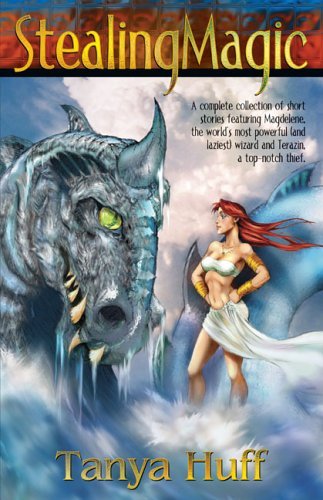
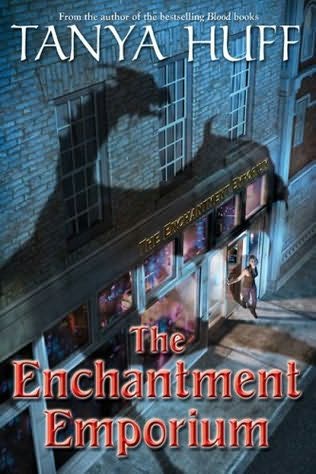
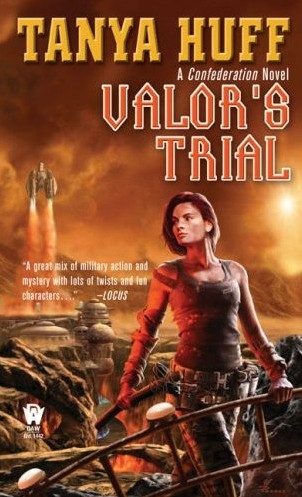
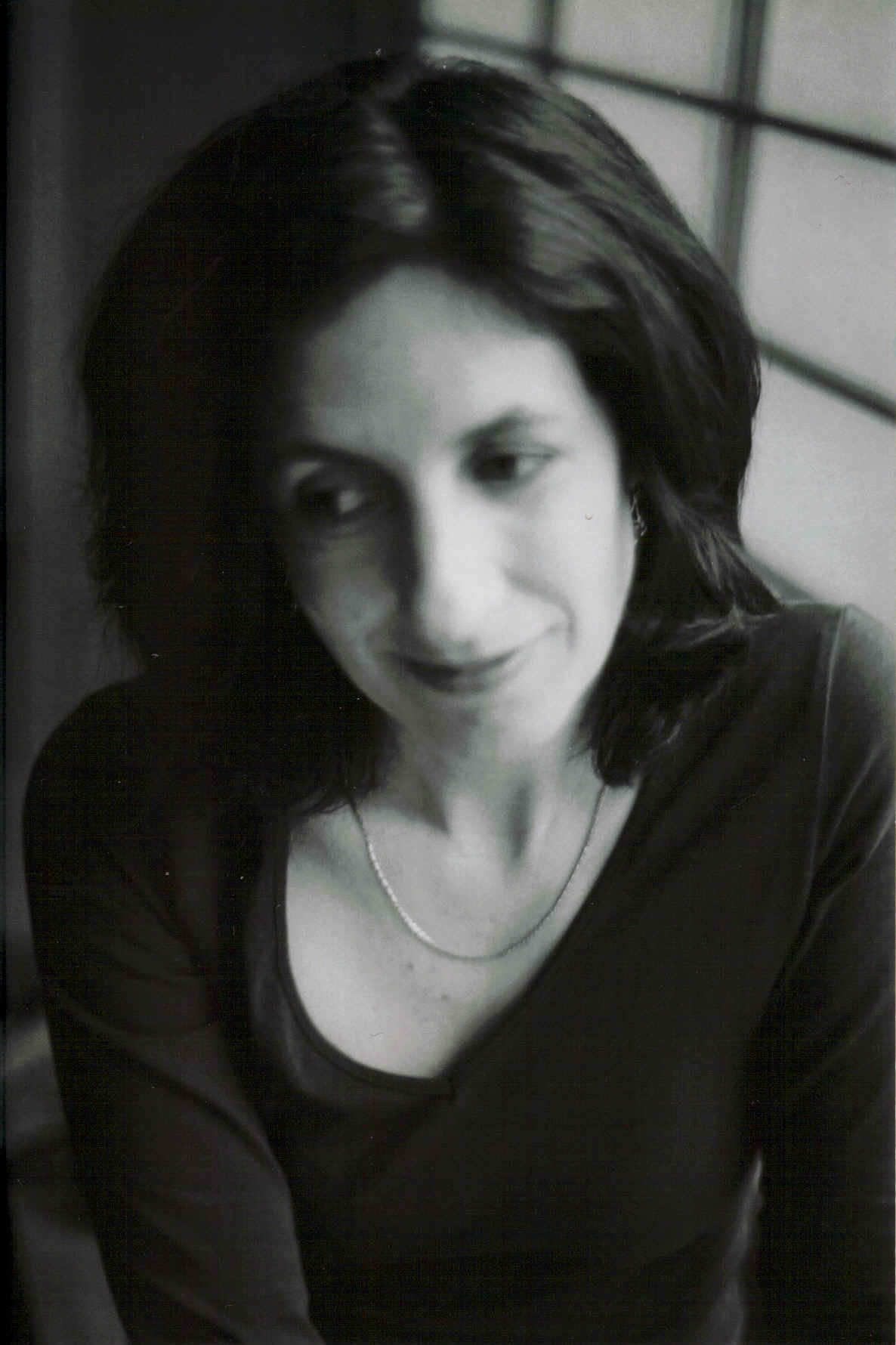
MICHAEL A. VENTRELLA: I am pleased to be interviewing Tanya Huff today! Tanya Huff lives in rural Ontario, Canada with her partner Fiona Patton and, as of last count, nine cats. Her 26 novels and 68 short stories include horror, heroic fantasy, urban fantasy, comedy, and space opera. She’s written four essays for Ben Bella’s pop culture collections. Her Blood series was turned into the 22 episode BLOOD TIES and writing episode nine allowed her to finally use her degree in Radio & Television Arts. Her latest novel is THE TRUTH OF VALOR (DAW, September 2010). When not writing, she practices her guitar and spends too much time on line.

Tanya, How did you break into the publishing business?

TANYA HUFF: I started by sending out Third Time Lucky to the digests — Asimov didn’t want it and Amazing did. At the same time, I’d finished writing CHILD OF THE GROVE (in about 80% the same shape as the published book) and sent it out as a YA to Terri Windling at one of the Ace imprints I think. It was twenty-five years ago so details are foggy. Terri suggested I submit it as an adult book.

One of the things they suggest when you’re looking for a publisher is to look at what who publishes what you read and I was split about 50/50 between DAW and Del Rey. But I had a friend, S. M. Stirling who’d sold two books to Sheila Gilbert while she was at Signet and now she was at DAW and that seemed like a sign. I was heading to NYC to see some shows and Steve said he’d call Sheila and ask if she had time to see me. Unfortunately, he forgot and when I called Sheila, she said she hadn’t heard from him in a few years but if I could get there right away, she’d just had someone cancel and could see me for about twenty minutes.

Never do this, btw. Never cold call an editor and mention you just happen to be in town. It was barely doable 25 years ago. It’s really isn’t now.

We talked, I left the manuscript for CHILD OF THE GROVE with her, eventually, a year and a rewrite later, she bought it and, in the intervening years, she’s bought another 25.

VENTRELLA: You’ve stated in the past that you decide to write a vampire book because, basically, you knew they were popular now.

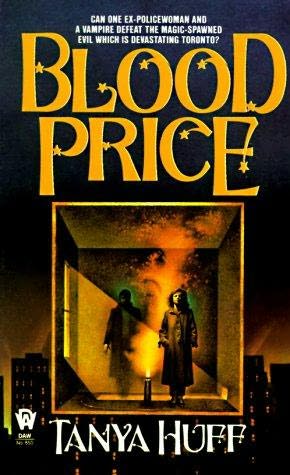
HUFF: No, what I said was, I decided to write a vampire book because I was working in a bookstore and had observed that vampire readers were very, very loyal to their genre. That they’d buy anything with fangs on the cover in the desperate hope of finding something decent to read. I figured if I wrote a good vampire book, then I’d give the vampire fans what they were looking for and they’d be that loyal to me. So I did. And they are. But twenty odd years ago when I wrote BLOOD PRICE, vampires were no where near as widely popular as they are now. This was pre-Buffy, remember.

VENTRELLA: This leads to an interesting question in general: How much of writing is about art and how much is about business? Do you think most authors write for the love of writing or because they want to be successful? Are the two incompatible? And is there anything wrong in that?

HUFF: The two are certainly not incompatible. On one level it doesn’t matter what job you do, if you’re just in it for the money, it’ll show and it won’t be pretty. On another, good writing requires a piece of your soul so you’d better love it given that you’re gouging chunks out of yourself to produce it. Also, as I tell the high school kids I occasionally talk to, you’d better love it because the odds are very good you’ll never make much money at it. On the other hand, I’ve never met a writer who doesn’t have a mulitude of ideas floating about and the smart ones will look at what’s selling, try to use that to figure out what’ll be selling in a year to eighteen months when any book you may start now will actually be published, and develop the idea that has the best chance in the market. On yet another hand, sometimes you just want to tell a particular story so badly that the market be damned and it then becomes your agent or editor’s job to reign you in.

So the short answer is, no.

VENTRELLA: You ignored many traditional vampire myths in your books. (I’m doing the same in my next novel, by the way, about a vampire who runs for President.) What led to that decision? Did you get any complaints from the hard core vampire fans?

HUFF: In order for myth to remain alive, it has to grow and change. Once a myth codifies, it dies. I used the parts of vampire myth that were relevant to my story and ignored what wasn’t. So far, no one’s complained. Well, not to me anyway.

VENTRELLA: You’ve been fortunate (and talented) enough to have a TV series based on one of your series. How did that come about?

HUFF: The wonderful guys at Kaleidoscope optioned the Blood series because they loved them and then worked their butts off to bring it to the screen. All I had to do was cash the option check. They did all the work.

VENTRELLA: Were you pleased with the result?

HUFF: I loved the result. Christina Cox was one the actors I saw playing Vicki back in the early 90’s when she was on a show called F/X THE SERIES and I was thrilled when she got the part. Dylan Neal was not how I physically saw Mike — until I saw Dylan play Mike and I loved his interpretation. I’d never been able to cast Henry Fitzroy but now I can only see Kyle Schmid in the part.

VENTRELLA: Did the TV series inspire you to make changes in future books of the series? Did you care about continuity at all, or was that not an issue?

HUFF: I wrote the last Blood book in… I think 1996 so it was totally a non issue. I said at the time that BLOOD DEBT was the last and it has been. There’s been a few short stories since Blood Ties but I have no problem keeping the show mythos and the book mythos straight.

VENTRELLA: What process do you use when preparing a novel? Do you do extensive research? Do you outline?

HUFF: First I have the idea — or, more accurately, separate the idea I’m currently excited about from the herd. Then I write up a pitch for my agent to give my editor — this is a very short outline and has, in the past, actually used the phrase, “And a bunch of stuff happens in the middle.” I always know where I’m starting from and I always know where I’m going, I just don’t always know how I’m going to get there. After the book sells, I research for two to three months until the weight of information tips me over into writing. Then I start at the beginning and tell the story until I finish. Because I edit as I go, my first draft about 95% similar to the book you buy.

VENTRELLA: How do you personally create a new fantasy world, with its own rules? In other words, how much planning and background information do you write?

HUFF: When I create a new fantasy world I need a map so I know the climate, the type of food, the industry, the type of farming, the housing needs. I need to know what time of year it is. I need to know what the religon is, and I need to work out the profanity. Most profanity is very tied to religion and is often the hardest thing to come up with in a created world.

VENTRELLA: What do you bring to the genre that other similar books miss? In other words, what is different about your books?

HUFF: Well, I don’t take myself or the genre (or various) subgenre too seriously while still respecting my readers, but I’m not the only one. I like kick ass women and witty repartee, so that’s going to be included every time. I guess the big thing that’s different about my books, is that I’ve written them…

VENTRELLA: Many aspiring authors get conned by self-publishers who pretend not to be, or by “editors” who do little more than proofreading for a large fee. How does one avoid these scams?

HUFF: They’re not hard to avoid. Publishers and editors pay you — you’re creating the product. If you’re paying them, it’s a scam.

VENTRELLA: Besides “keep writing” what specific advise would you give an aspiring author?

HUFF: Put a third of every check you receive into a separate tax account. Sure, it won’t matter for years but there will come a day when you’re actually making a living wage and the goverment will want a surprising amount of it. If you’re Canadian, you have to pay both halves of the Canada Pension Plan and that’s a surprise when it hits the first time, believe me. It’s best to remember that you’re essentially a small business all year long, not just in April.

Remember that publishers, editors, and agents all talk to each other. They will talk about you. You don’t have to be a saint, but don’t be an ass. If you get a reputation as being unprofessional or hard to work with, it won’t matter if you have all the talent in the world.

And speaking of talent, discipline matters more. I guarentee that more disciplined people with minimal talent are published than talented people with minimal discipline.

Write subjectively. Edit objectively.

Have fun.

Interview with author Marie Lamba

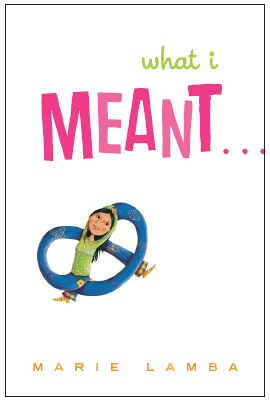
MICHAEL A. VENTRELLA: I’m pleased to be interviewing Young Adult author Marie Lamba today. Marie is the author of the humorous young adult novel WHAT I MEANT…, which Publisher’s Weekly has dubbed “an impressive debut.” She has two more novels which will be coming out soon. In addition to her fiction writing, Marie has written and published more than 100 articles, including features in national magazines such as Garden Design, Your Home, and Sports International. Her most recent piece, “Plotting a Novel Group,” appears in the February 2008 issue of Writer’s Digest. Her web page is www.marielamba.com.

MARIE LAMBA: Hi Michael. Thank you for having me on your blog.

VENTRELLA: Marie, what is it that makes a novel a Young Adult novel?

LAMBA: To me, a young adult novel is categorized primarily by the age of the main character. Since readers read about characters older than themselves, if you have a 13-year-old protagonist, you’ve just written a middle reader (not a YA), and will have mostly elementary school aged readers. Also, content figures in. Sometimes the content is not right for the YA market. But these days, almost anything goes for YA readers. The edgier the better, though you may just be banned by schools…which usually reaps great press and even better sales, interestingly enough.

VENTRELLA: You keep a pretty active blog. Do you think this is necessary to help promote your work?

LAMBA: My site helps me promote my work every single day. I’ve heard people say that if you don’t update your blog at least 3 times a week, then don’t bother having one. I heartily disagree. Sometimes it’s not about getting a huge number of subscribers, but about having a presence, and being able to be found in various ways.

While my blog may seem really active, I sometimes post as rarely as once a month. I just don’t think there’s a point in posting unless I really have something to say. Yet the site is dynamic and gets a fair number of hits everyday because I’ve got a lot going on there. In addition to offering updates about my work, essays on writing, and book reviews, I’ve made it function as my website, www.marielamba.com. So folks are going there to find out about my appearances, to read my bio, to read excerpts from my books, etc. And with links to my Twitter feed, there is always something new to see.

By combining my website with my blog, people stumble onto it while doing the weirdest searches. Like when looking for the menu of Nat’s Pizza. And then they see that my novel has a scene set there. Then they click on my link to buy my Doylestown-based novel. All because of a blog post that tagged Nat’s Pizza in it, if that makes sense?

VENTRELLA: Should unpublished authors have a blog?

LAMBA: Absolutely. It’s a great way to start establishing yourself and your voice. Everything from the color scheme you use to the tone of your bio can help create a feel for who you are. Have a page on your blog with short excerpts of your work, but don’t give away too much material there. Just enough for a taste.

If you really want to be savvy, then you could use your site for things such as book reviews and editor and publisher interviews, which would make your name familiar to the “powers that be.”

VENTRELLA: What can an author do to make their blog stand out among the many out there?

LAMBA: I think it goes back to your voice. Who you are should come through in the tone of your writing, and what you choose to highlight. Then, of course, you need to connect with your audience. That’s where bringing your site to the attention of an organization can help. For example, after I wrote a post about plotting, I saw on a children’s writing message board that I belong to that there was some recent discussion about plotting. I immediately commented there, providing my link to my post.

VENTRELLA: You also make extensive use of Twitter. How can you make your tweets stand out when there are so many people on Twitter? And do you think this is an efficient use of your time?

LAMBA: You know, Twitter is so quick that it isn’t the time suck that sites like Facebook seem to be. At least not for me. Here’s the trick though: when you post there, make it under 40 characters so that you can easily be retweeted to others. Also, try to always provide a link, whether it is to a relevant blog post or a Facebook invite to an event. Links are always too long, so go to www.bitly.com, paste the link there, and you’ll get a shorter link that you can use. And don’t always make your tweets about you. Highlight the accomplishments of others. It’s fun to do, plus I think it’s just good karma.

As for making your tweets stand out, I definitely avoid the whole “I’m getting a cup of coffee now” variety of posts. Again, I only go on there when I have something to say or I really want to respond to someone. I think then people will pay more attention to you. You aren’t the annoying talker everyone wishes would go away. And I try not to follow just anyone or anything. My list is made up of people I know, and of publishers, editors, librarians, media, authors. In short (in the spirit of Twitter), folks who might actually care to hear what I have to say.

VENTRELLA: What is your writing process? (Do you outline heavily, create character backgrounds first, come up with the basic concept and run with it, etc.?)

LAMBA: Good question. It’s evolving. For my past few novels, I knew my final scene. I had my opening dialogue. And then I was off! Kind of like knowing I’m driving to California, and therefore start heading west, but without a map. I do get to the end eventually. The fun thing about this method is the unexpected twists and turns. The not-so-fun thing is cleaning up the mess that I’ve created, trying to make it more direct and cohesive. It can take a long time.

With my current novel, I’m trying to be more organized. I’ve plotted it out, and now I’m in the outlining stage. Then I’ll start writing. I’m hoping that this will help me write faster. My last novel DRAWN (which is now out on submission), took over a year and a half to write. I want to be much more productive than that.

VENTRELLA: What are you doing in your fiction that no one else is doing? What makes your book different and exciting?

LAMBA: I think, again, it comes down to voice. I’m the only person with my point of view and my humor, and that flavors the plot and the characters. With WHAT I MEANT… (Random House YA), the book’s cast of bi-racial characters mirrors my own family’s blend of Italian-American and Asian-Indian personalities. Because WHAT I MEANT… has a mixed race protagonist, yet it is a mainstream story not focused on race, it became a standout in the field.

VENTRELLA: Have you received any surprising results from your writing?

LAMBA: It is always touching to have readers contact me saying that they identified with the characters and that WHAT I MEANT… is their favorite book. One girl even said that she never cries at anything, yet she found herself bawling at the end of my novel because it touched her. That was humbling.

On a funny note, an ex-boyfriend from high school assumed that one of the guy characters in the novel was named after him. He wasn’t.

VENTRELLA: You do a lot of personal appearances to promote your books. What are the advantages and disadvantages of doing these? How do you organize them?

LAMBA: The main advantage is making a personal connection with a reader. If someone meets you and enjoys talking with you, they’ll also remember you and feel a connection to your writing. This is really how books are sold: one reader at a time. I love meeting people, and appearances take me away from my isolated little writing spot and out into the real world. All good. The disadvantage? I can’t think of a single one. I’m careful to pick and choose where and when I go so it doesn’t take away from my writing time.

Events happen many ways. Sometimes booksellers or conferences or teachers contact me. Sometimes I get in touch with them if I have a specific event idea. And I have done presentations to hundreds and hundreds of scouts. I also have to mention that I’m a proud member of the Philly Liars Club, a collection of 13 authors who basically lie for a living. Together we stage a slew of oddball events, and have a blast.

VENTRELLA: Let’s discuss the publishing business a bit. With self-publishing and e-books becoming more prominent, how do you think this will change the demand and market for new writers?

LAMBA: I really think that self-publishing and e-books represent a revolution in publishing, the likes of which we haven’t seen since the 1460’s when old Guttenberg came onto the scene with his printing press, displacing those hard-working monks and their illuminated manuscripts. Documents at that time show that people didn’t realize the magnitude or ramifications of what was going on. Quite simply, the change was so huge that they couldn’t envision the implications.

And so it goes with us. We speculate, but we can barely foresee what all these huge changes mean. I say look to the music industry, to prevalent iPods and the dearly departed record stores. And be cautious. Will books on paper no longer exist? Will bookstores and libraries disappear? Will publishers become obsolete? The only thing I know for sure is that no matter what form content will take, someone will have to write it.

Cling to that, writers and future writers. We are not replaceable.

VENTRELLA: Do you think the stigma of being self-published will continue? Do you think it’s deserved?

LAMBA: Some self-published books are brilliant. Others are painful and shouldn’t see the light of day. Books that are horribly written and barely edited definitely ruin the reputation of others out there, sadly.

I do think that as distribution of self-published novels improves, and more established authors step into this arena, that this stigma will fade. I mean, what does an author like Stephen King really need a publisher for? Couldn’t someone of that stature just put books out into the stratosphere by himself by self-publishing? J.A. Konrath has started to do it with some success, though he still also goes the traditional route.

VENTRELLA: Who are your favorite authors? Why?

LAMBA: Anne Tyler for her beautiful imagery and quirky characters. T.H. White for his epic storytelling, sense of grandeur, and sense of humor. Audrey Niffeneger for her amazing plotting abilities. Sarah Dessen for her touching and real YA voice.

VENTRELLA: What’s the biggest mistake you see aspiring writers make?

LAMBA: Not taking the time to polish their work, and really learn their craft. Writers need to work so hard to improve everything they do. Established authors are always struggling to polish, to edit. They value pointed criticism, and vigorously revise. When I see someone with talent refusing to do this type of work to polish their manuscript, or not absorbing decent criticism, I know that they are limiting themselves, and that’s a shame.

VENTRELLA: What advice can you offer that you wish someone had offered you?

LAMBA: Writing is not only an art, it’s a business. And sometimes in this business really nasty crap will happen to you. In fact, expect it. Your novel, no matter how important it is to you, is just a commodity in the business world. Be as businesslike as you can, while protecting the sensitive artist within. And write another book. And another. And another.

VENTRELLA: And what’s next? What can we look forward to seeing from you?

LAMBA: My YA paranormal DRAWN (excerpt on my blog/website) is under consideration right now. It’s about a teen artist who moves to England in search of a normal life. But then she starts channeling one very hot ghost through her drawings. Not normal at all.

And right now I’m working on a novel for adults: When an Italian grandmother shares old fashioned recipes for sauces and for a happy life, her three granddaughters test the ingredients in fresh ways, cooking up a surprising blend of spice, passion, trouble and true love.

That pretty much sums it up! Thanks, again, for having me here.

7.28.13g